Hepper is reader-supported. When you buy via links on our site, we may earn an affiliate commission at no cost to you. Learn more.
Can Dogs Be Allergic to Gluten? Vet-Reviewed Signs & Diagnosis


In this article
The term "gluten" refers to proteins present in various cereal grains and seeds like wheat, barley, triticale, rye, flour, couscous, and farro. These proteins are responsible for the chewy and fluffy texture of certain breads and grain products. In dog food products, gluten helps to maintain the shape of kibble, wet food, and treats while also contributing to a great taste.
For the majority of dogs, gluten poses no threat. However, the consequences can be severe and lasting for the few who suffer from gluten allergy or intolerance. To ensure your furry friend stays healthy and happy, it's a good idea to be aware of the possible signs of food allergies including gluten allergy.
Below, we provide an overview of this condition and tips to help you detect and manage it.

What Are Gluten Allergies?
Gluten is in various human and dog food items. While it's uncommon for dogs to have a gluten allergy, it's not impossible. Adverse food reactions can either be an allergy, when the immune system is involved and is triggered in response to the ingredient, or a food intolerance. Gluten intolerance can cause very similar signs to an allergy, but the reaction does not involve the immune system.


Gluten Allergy Signs
Are you concerned that your dog might be allergic to gluten? It’s important to remember that the signs of a food allergy have many other much more likely causes that have nothing to do with food. We would always recommend consulting with your vet before assuming a gluten allergy and making changes to your dog’s diet. Signs to look for however include:
1. Skin Signs
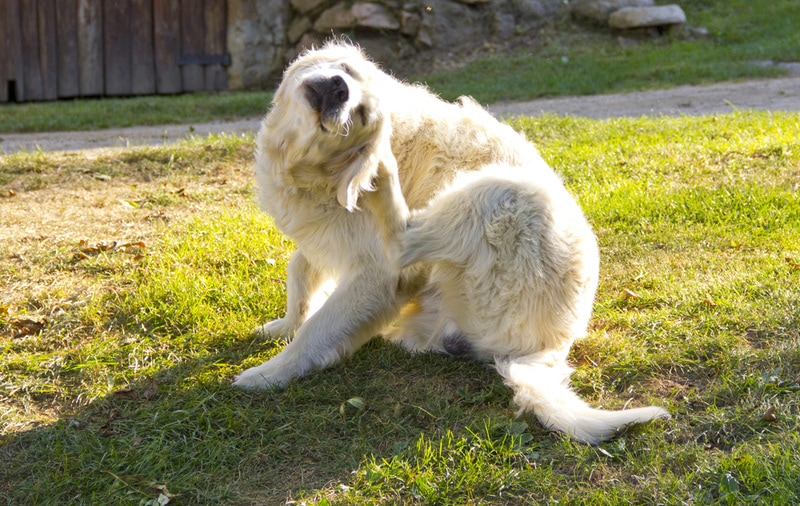
Food allergies typically cause skin signs such as:
Similar signs can be caused by other skin conditions such as parasites and environmental allergies to things such as house dust mites or pollen.
2. Gastrointestinal Signs
Tummy problems that dogs can suffer from due to an adverse reaction to gluten include:
3. Gluten Sensitive Enteropathy
Gluten sensitive enteropathy is an autoimmune condition where the body attacks the small intestine, and has only been described in one breeding line of Irish Setters.
4. Paroxysmal Dyskinesia (PD) in Border Terriers
Paroxysmal Dyskinesia causes involuntary movements and tremors during an episode. Dogs remain fully alert during an attack. Border terriers with this condition have been shown to suffer from a gluten hypersensitivity which can respond well to a gluten free diet.
How to Recognize Dog Gluten Sensitivities
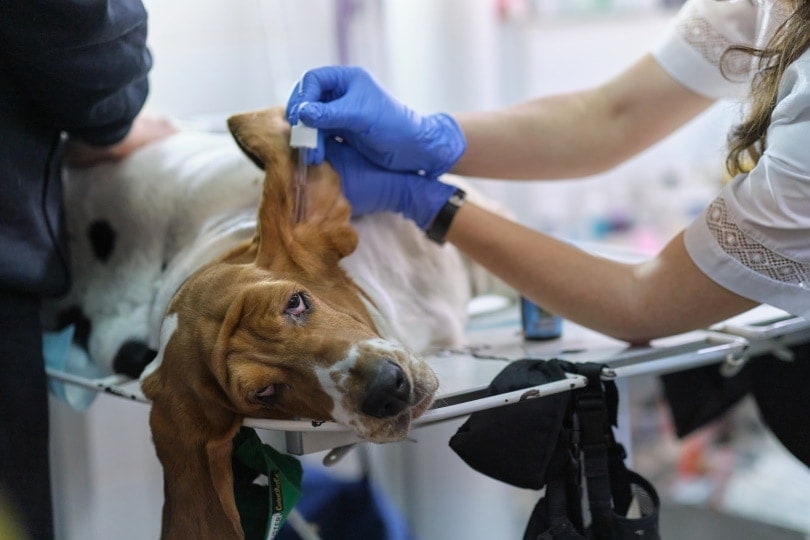
If you observe any of the signs we've discussed, like unexpected weight loss, diarrhea, or any other changes that appear unusual, it's best to inform your vet immediately. They may need to undertake several tests to rule out other conditions that present with similar signs. You should always consult with your vet before undertaking any major dietary changes.
If your vet is suspicious of a food allergy they may suggest an elimination diet. Although it may take some time, it is still the most reliable method for identifying ingredients that are causing your furry friend's discomfort. During an elimination diet trial a dog will be fed a special diet as advised by your vet for at least 8 weeks. This will either contain a novel protein and carbohydrate source that your dog has not been exposed to before, or a prescription hydrolyzed diet. A hydrolyzed diet is one where the proteins have been broken down so they are so small that the immune system doesn’t react to them.
The good news is that once a gluten allergy or sensitivity is diagnosed, this condition can easily be treated by adjusting your dog’s diet. While it may take some time and patience to diagnose the issue, taking proactive steps toward your loyal companion's health can make all the difference.

What Do You Feed a Dog Who Is Allergic to Gluten?
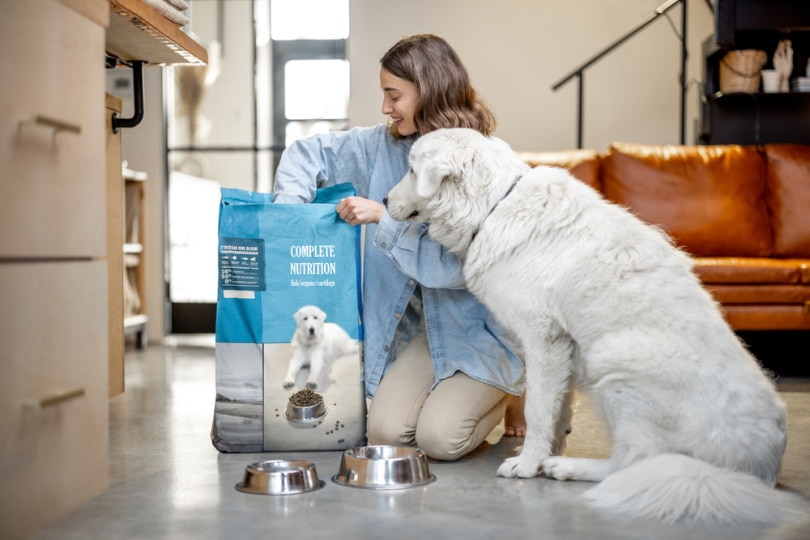
Did you know that there are many commercial gluten-free options available for dogs? Your vet can help you evaluate which is the right diet choice for your pet. Some are available from pet shops while prescription options also exist.
Some people prefer to home make their dog’s food so they can be in control of the ingredients. It is best to seek the advice of a veterinary nutritionist when formulating a meal plan for a long term homemade diet. This ensures it is a balanced recipe containing the right balance of nutrients for optimal health.
Once your dog is on a gluten free diet , you also have to carefully check any treats or extra foods that you offer your dog.
What Foods Are Dogs Most Commonly Allergic To?
Dairy
Unfortunately, some dogs struggle with dairy. This can either be due to an allergy with skin and digestive signs being common, or dogs can be lactose intolerant. Dogs that are lactose intolerant lack the lactase enzyme to break down the milk sugar lactose. Therefore, these dogs have difficulty digesting dairy products and can show gastrointestinal signs such as diarrhea, vomiting and abdominal discomfort.

Beef
Animal proteins are the most common cause of food allergies in dogs. For an allergy to develop, a dog needs to have been exposed to the food allergen. Beef is a frequent ingredient in many pet foods, which could contribute to its status as one of the most common food allergens.
Chicken
Chicken is also one of the most common food allergens for dogs. Again it is a common ingredient in pet foods and treats.
Final Thoughts
Genuine gluten allergy and intolerance is not common in dogs and so any signs should prompt a visit to your veterinarian. If they are diagnosed with gluten sensitivity how do you take care of your dog? The good news is that there are plenty of pet foods out there that cater to this condition and your vet can help you find the right formulation for your dog’s needs. These foods often use alternative ingredients like potatoes and other starchy vegetables instead of grains. Just remember to check all labels and ensure all the pet food and treats you give your dog are allergy-appropriate.
Sources
Featured Image Credit: rachanon-cumnonchai, Shutterstock
Get Hepper In Your Inbox


Pet care tips from our vets and experts, straight to your inbox.
You may opt-out at any time. View our Privacy Policy for more information.
Hanh is a freelance writer living in Vietnam. She has a big love for working online and writing about animals, especially dogs. She finds happiness in helping pet parents across the globe have a fulfilling life with their pets by sharing her knowledge and that of other experts. When not writing, she enjoys traveling and experiencing different cultures.
Join the conversation
Ask a question, share your story, or send private feedback.