Hepper is reader-supported. When you buy via links on our site, we may earn an affiliate commission at no cost to you. Learn more.
13 Hardest Dog Breeds to Train: Vet Reviewed Info, Pictures & Behaviors Explained


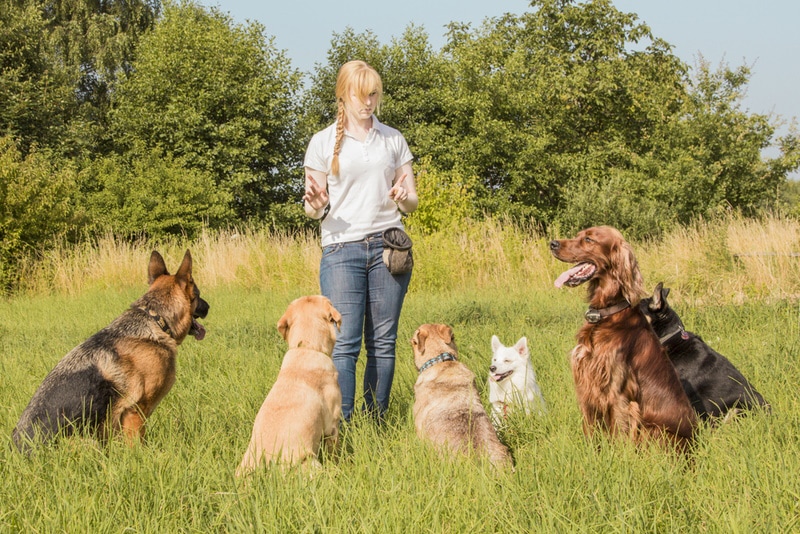
Finding the right dog takes more than just scanning pictures and picking the one you think is the cutest. You want to ensure your new pet is a good fit for your lifestyle, living situation, and available resources. For example, if you’re a first-time dog owner, you’ll probably want to avoid breeds that are difficult to train. Here are some of the hardest dog breeds to train, according to studies.

How Is Trainability Classified?
The Canine Behavioral Assessment and Risk Questionnaire (C-BARQ), developed at the University of Pennsylvania, defines trainability as part of its survey.
According to C-BARQ, these are the traits that make a dog breed trainable:
For the average owner, trainability means a dog is smart, eager to please, and quickly picks up what you’re trying to teach.
If you need help with training your dog, we suggest speaking to an online vet for tips and tricks.
The 13 Hardest Dog Breeds to Train
1. Afghan Hound

Breed Overview
Origin:
Lifespan:
Weight:
Afghan Hounds are one of the hardest breeds to train for several reasons. First, they are reserved and aloof dogs who bond closely with their owners but may not give anyone else the time of day, including a trainer.
Since they’re independent by nature, Afghan Hounds are not used to anyone telling them what to do. If they learn commands, they’re likely to ignore them completely if they feel like it or spot something to chase.
2. Borzoi
Breed Overview
Origin:
Lifespan:
Weight:
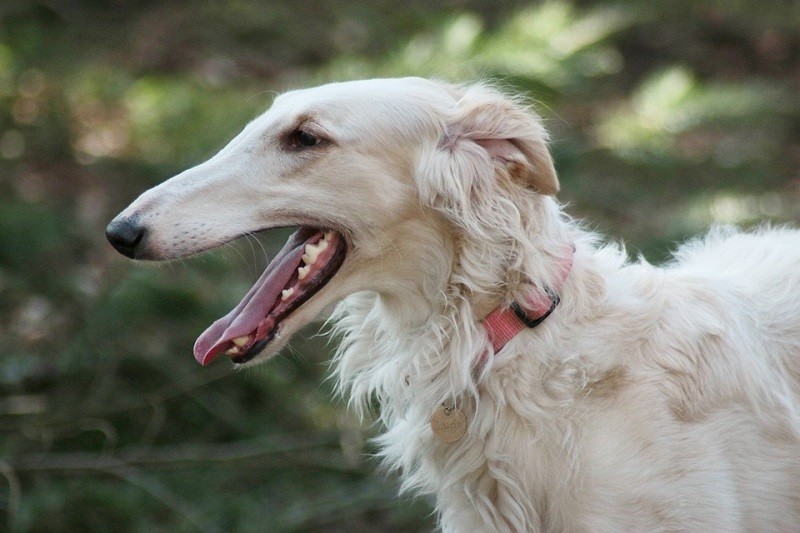
Also known as the Russian Wolfhound, the Borzois are calm and usually have good manners by nature, but they can be hard to train. They were bred to chase and catch game with minimal interference from humans.
They are smart and love their people, but aren’t driven to please them like other breeds. The Borzoi can also be stubborn, making them resistant to obeying commands even if they understand them. Like all sighthounds, Borzoi will forget any training they have if they spot a fast-moving prey animal.
3. Pekingese
Breed Overview
Origin:
Lifespan:
Weight:
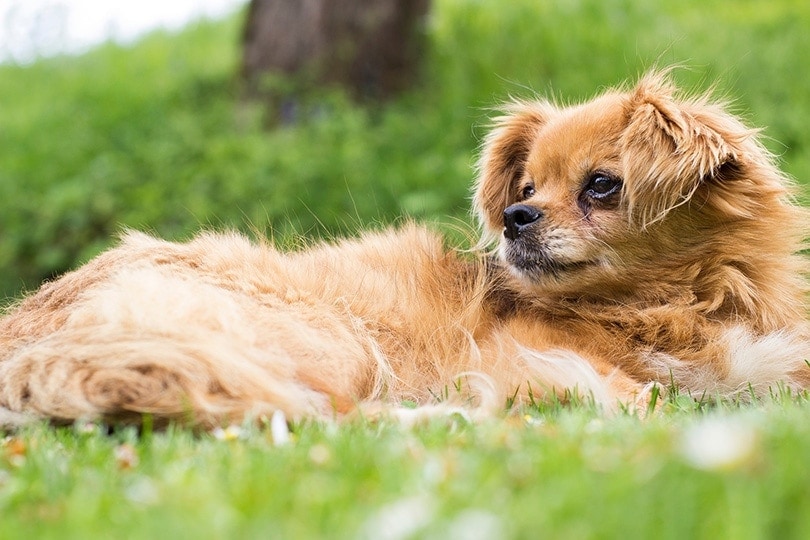
It is quite common for small dogs to receive less training than larger ones, simply because they’re easier to manage when misbehaving. Although training small breeds is still important, the Pekingese is one of the hardest to teach.
They were bred as companions to Chinese royalty, and are independent dogs. They are affectionate and loyal to their owners, but that doesn’t always mean they want to listen to them. They can be stubborn and may listen to commands many times before they decide to obey.
4. Chow Chow

Breed Overview
Origin:
Lifespan:
Weight:
The Chow Chow is another favorite of ancient Chinese nobles and is considered one of the hardest breeds to train. They are loyal and loving to their owners, but typically have no interest in strangers.
A trainer who hasn’t earned the loyalty of a Chow may find them an unwilling pupil, and even their beloved owners may have difficulty convincing them to do something they don’t want to do. They are also prone to misbehaving and even aggression if not properly socialized.
5. Basenji

Breed Overview
Origin:
Lifespan:
Weight:
Basenjis are known for their sweet faces, curled tails, and being the “barkless dog,” but they are also known for being hard to train. Basenjis were bred as hunting dogs in Africa, expected to work without human interference.
They are independent, cat-like in temperament, and intelligent, but often lack the desire to please their owners, despite being loyal to them. Basenjis also have a short attention span, meaning any training sessions must be brief, or they’ll get bored and disengage.
6. Beagle
Breed Overview
Origin:
Lifespan:
Weight:
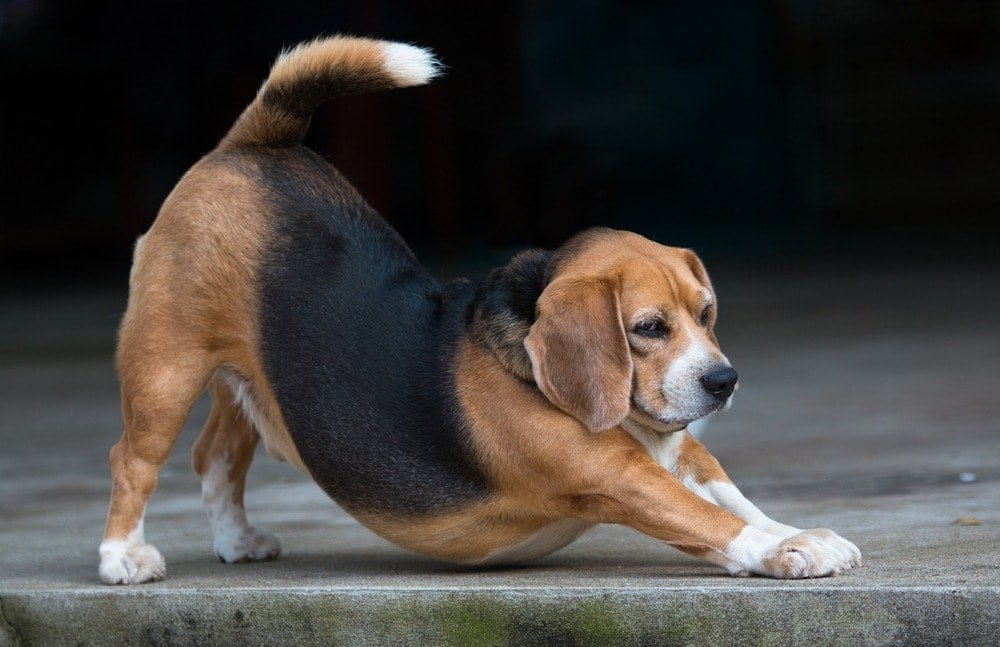
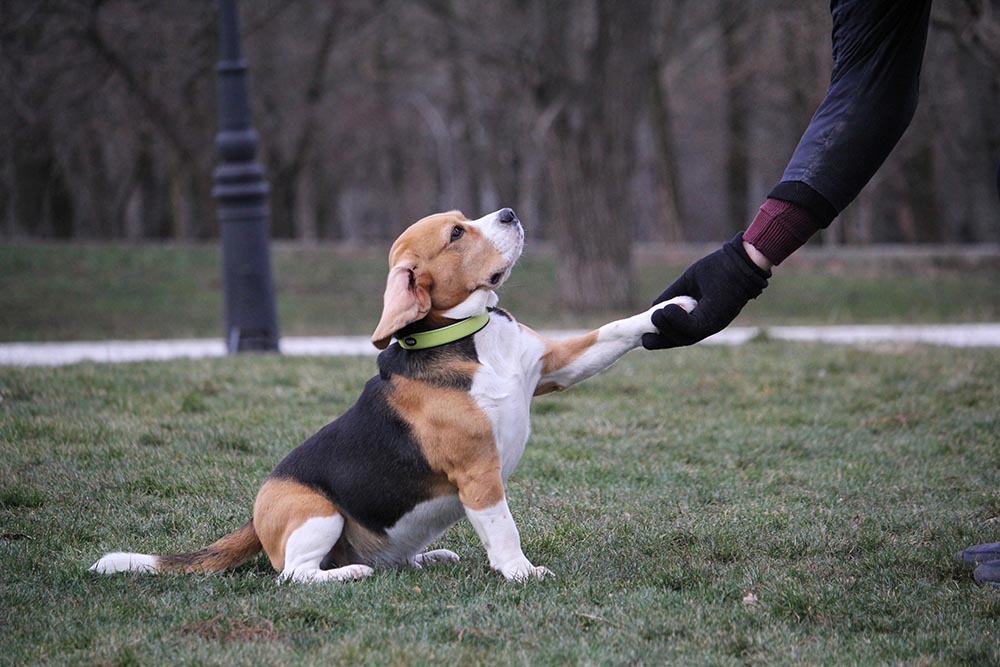
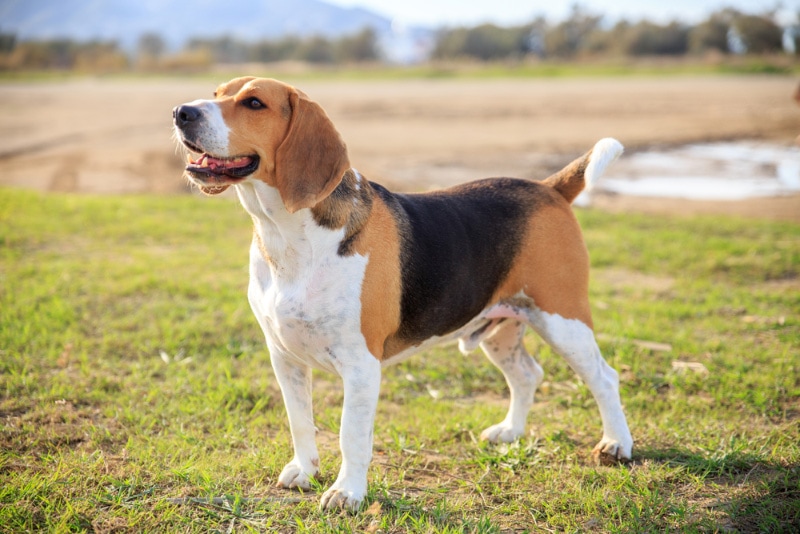
As one of the most popular breeds in the United States, Beagles have many endearing qualities, including their adorable faces and happy disposition. Unfortunately, the friendly, sweet, and easygoing Beagle is not the easiest breed to train.
Like many hounds, they can be stubborn and independent and easily distracted by interesting smells. Beagles are clever enough to problem solve and get into mischief, but have less interest in obeying commands.
7. Shar-Pei
Breed Overview
Origin:
Lifespan:
Weight:
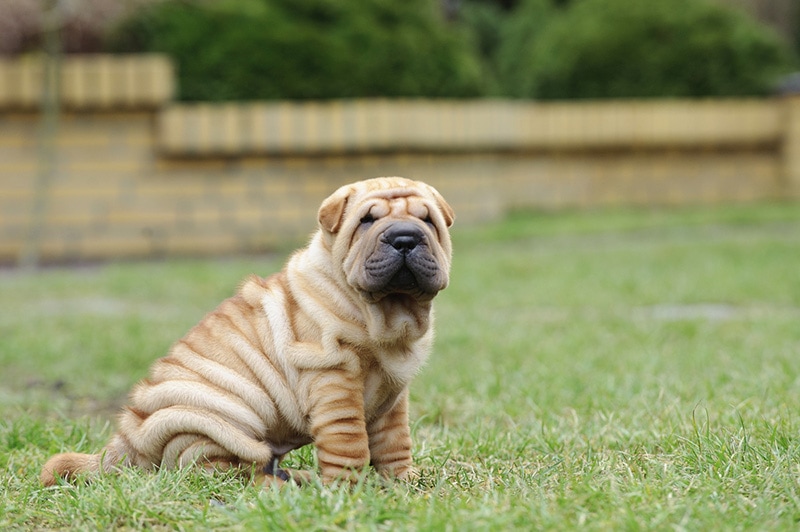
Shar-Peis were bred as hunters and guard dogs in ancient China. They are intelligent, protective, and loyal dogs with a natural disregard or suspicion of strangers. Being independent, with a dominant streak, Shar-Peis can be hard to train, but they can be a handful without it.
This breed is incredibly smart, so they may think they know better than the person trying to teach them. They’re also sometimes stubborn and not motivated to please, even though they can be willing to learn with patience and the right motivation. You may have to outthink a Shar-Pei to train them, which is not a task for inexperienced owners.
8. Shiba Inu

Breed Overview
Origin:
Lifespan:
Weight:
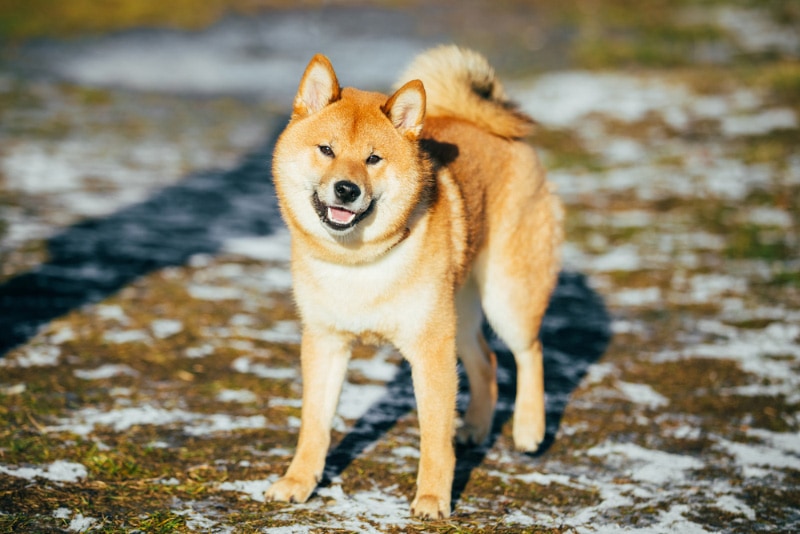
The ancient Japanese Shiba Inu is naturally clean and easy to housetrain. Beyond that, however, the breed is hard to train. Shiba Inus are highly independent dogs due to their ancestry as hunters.
They are confident, bold dogs with a generally good temperament. However, despite their popularity as companion dogs, they can be stubborn and are not motivated to please their owners. Even a well-trained Shiba Inu can’t be trusted off a leash and will take any chance to escape the house or yard in pursuit of an exciting chase.
9. Akita
Breed Overview
Origin:
Lifespan:
Weight:
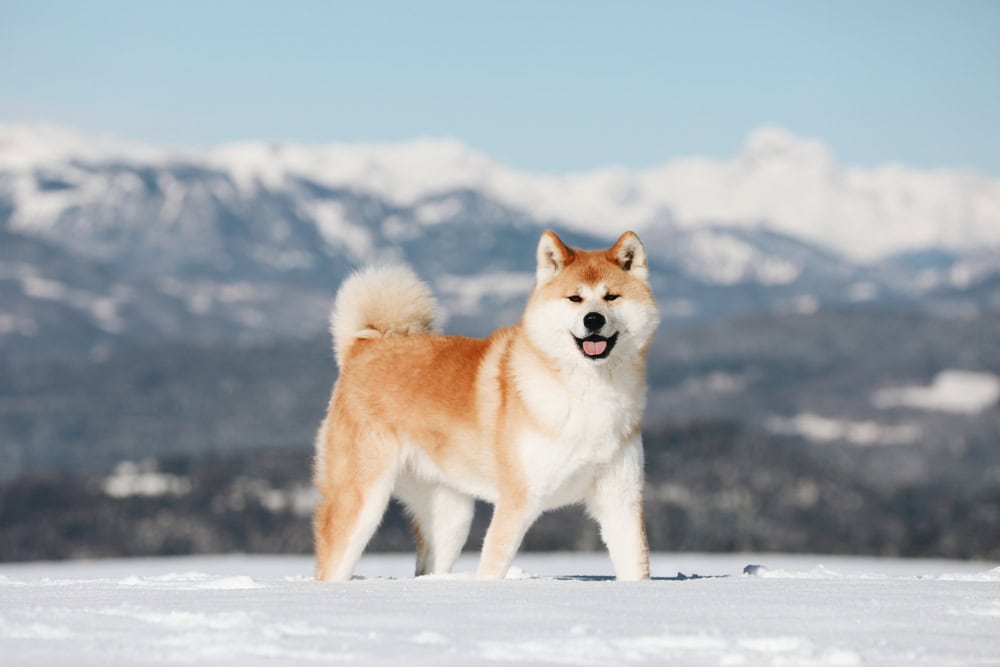
Akitas are big, strong, intensely protective, and one of the hardest breeds to train. They are suitable for experienced owners only because their large size and resistance to training make for a potentially dangerous situation. Developed in Japan, the Akita is deeply loyal to their family but suspicious of strangers, and often aggressive towards other animals.
They are intelligent but independent dogs, used to thinking for themselves. Akitas can also be stubborn and headstrong, which makes training a challenge. Without careful socialization and training, the Akita can take their protective instincts too far and pose a danger to others.
10. Alaskan Malamute
Breed Overview
Origin:
Lifespan:
Weight:
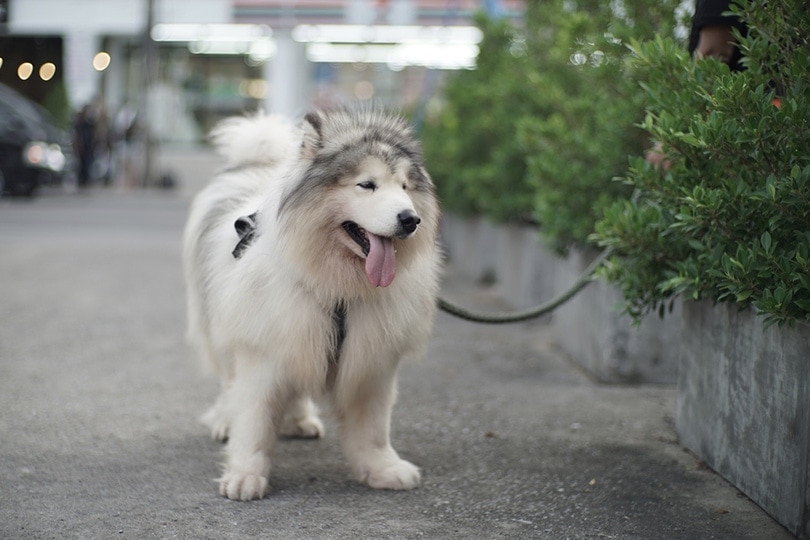
The friendly and loyal Alaskan Malamute is also one of the hardest breeds to train. Although Malamutes are very smart, they’re also independent, willful, stubborn, and have no interest in listening to anyone they don’t respect.
If a Malamute doesn’t take you seriously, good luck getting them to pay attention to you long enough for training. They’re generally sweet-natured, but Malamutes have a dominant streak and require experienced handling, and even then you may never fully break some bad habits, like digging.
11. Basset Hound
Breed Overview
Origin:
Lifespan:
Weight:
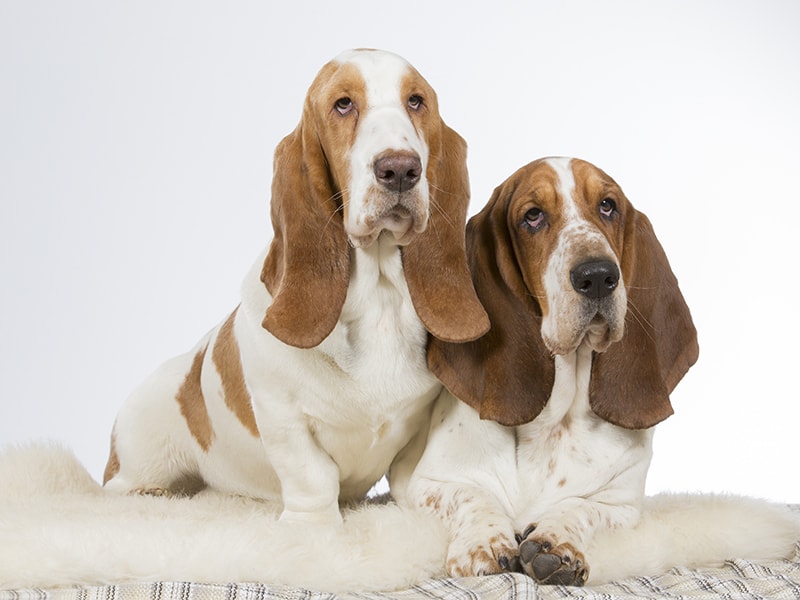
Although mellow, adorable, and charming, the Basset Hound is amongst the hardest breeds to train. They were bred to follow a scent tirelessly without distraction, and are incredibly independent. They can also be stubborn, and their tendency to ignore everything but the scent means that it’s difficult to convince them to listen to commands.
Motivating a Basset Hound to listen and learn might be the trickiest part of their training. However, they love food, so you’ll have the best luck with reward-based, patient, consistent training, and using yummy smelling treats will help keep their attention on you.
12. Bloodhound

Breed Overview
Origin:
Lifespan:
Weight:
As another hound bred to follow a scent and ignore everything else, the Bloodhound can be challenging to train. The Bloodhound is loyal and affectionate with their family but has a dominant streak that can take over if they aren’t handled firmly.
Bloodhounds are independent and stubborn. They’re motivated to stay on the scent track, but not necessarily to please the person trying to keep up with them. They are calm, sweet dogs by nature but best suited to experienced owners because they can be so hard to train. Like the Basset, the Bloodhound will be easier to train if you use their powerful scenting instincts to your advantage by using delicious and smelly rewards.
13. Dachshund
Breed Overview
Origin:
Lifespan:
Weight:
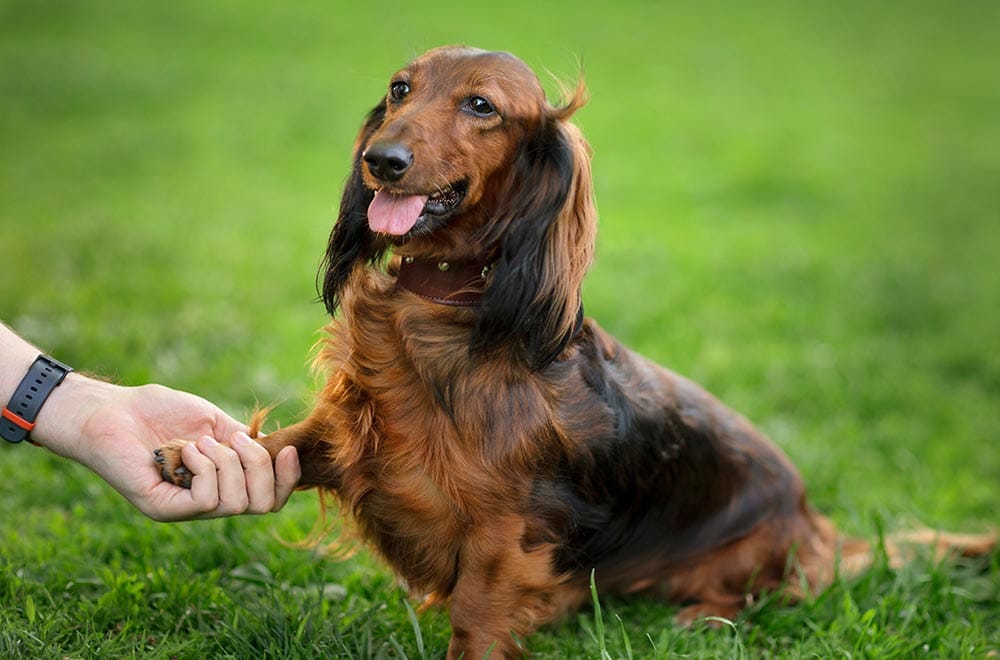
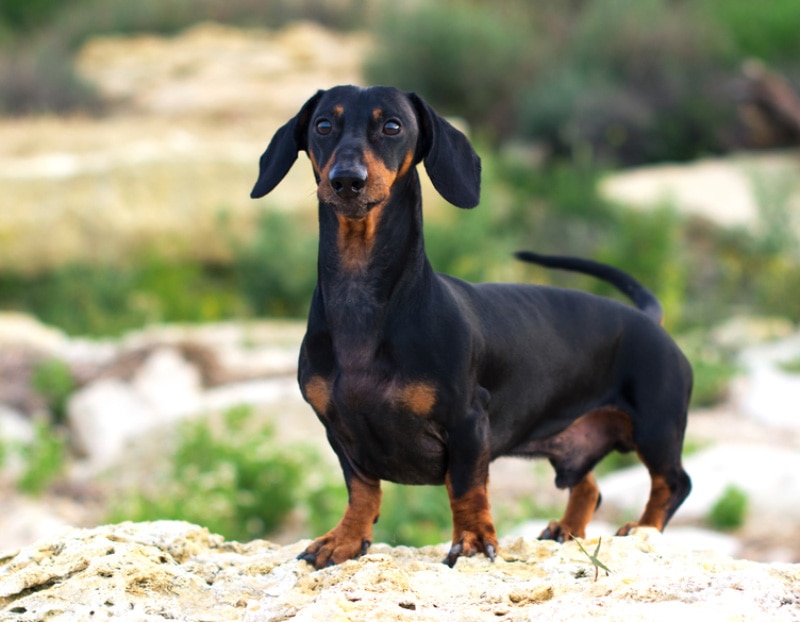
The Dachshund is full of personality, charm, and spunk. They were bred to hunt badgers into their underground dens and are independent thinkers with high intelligence.
However, they can be stubborn, and are often sensitive to harsh words. If you get frustrated trying to train a Dachshund and raise your voice, you’ll make the situation worse. They also tend to ignore commands if they focus on something else, especially an exciting smell.
Conclusion
Just because these dog breeds can be hard to train doesn’t mean they don’t make loving pets in the right hands. When choosing a breed, it’s essential to be informed about the personality and trainability of the dog you’re considering. You’ll also need to be honest and realistic about your experience level and the time you have available to devote to training.
Sources
Featured Image Credit: FellowNeko, Shutterstock
Get Hepper In Your Inbox


Pet care tips from our vets and experts, straight to your inbox.
You may opt-out at any time. View our Privacy Policy for more information.
A lifelong lover of all creatures great and small, Elizabeth got her first cat at 5 years old and at 14, she started working for her local veterinarian. After spending more than 20 years working as a veterinary nurse, Elizabeth decided to step away to become a stay-at-home parent to her daughter. Now, she is excited to share her knowledge with our pet parents. Elizabeth lives in Iowa with her family, including her two fur kids, Linnard, a husky mix and Algernon, the worldʻs most patient cat. When not writing, she enjoys reading, watching soccer, and spending time outdoors with her family.
Join the conversation
Ask a question, share your story, or send private feedback.