Hepper is reader-supported. When you buy via links on our site, we may earn an affiliate commission at no cost to you. Learn more.
21 Independent Dog Breeds: Info, History, Pictures, & Facts
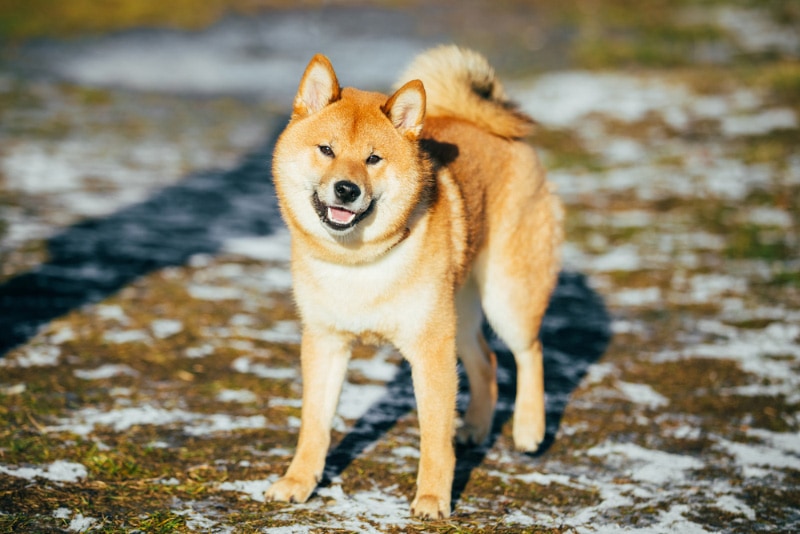
All dogs have some level of independence vs. dependence. Some dogs are very clingy and practically need a human companion to function. These dogs can make great companions because they are always looking for attention, but they can also be excessively needy and prone to separation anxiety.
Many people enjoy independent dog breeds. These dog breeds are more able to function by themselves, but they may also be harder to train. Let’s take a look at exactly what one of these dogs is and then list some of the most independent dog breeds.

What is an Independent Dog Breed?
Independent dog breeds are those that exhibit a strong sense of self-reliance and are less inclined to be overly dependent on their owners or handlers for constant attention. They’re able to function independently, which can be both a good thing and a bad thing.
Often, these dog breeds have certain characteristics. They may be more aloof, and they’re often reserved and standoffish with strangers. Plus, they may not be very eager to please every person they meet. These dogs are often not very clingy, either. They’re very self-reliant, allowing them to entertain themselves and not need constant engagement.
They can also be very stubborn, which can make them harder to train. They’re strong-willed and not nearly as responsive to commands.
Top 21 Independent Dog Breeds
1. Akita Inu

Breed Overview
Origin:
Lifespan:
Height:
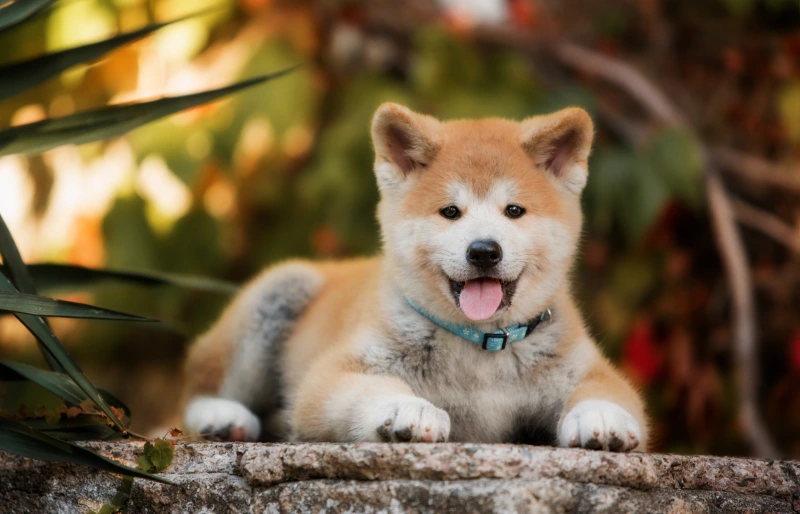
Akita Inu are known for being very reserved and dignified, which makes them one of the most independent dog breeds on this list. They are large, muscular dogs with a strong sense of self. They can be very aloof with strangers, so they need lots of socialization from a young age.
They can make good guard dogs, but it’s important to realize the amount of work and socialization that’s required for these dogs to function well. These dogs are renowned for their loyalty and courage, which makes them very popular in their native country of Japan. They are also becoming more common in America.
2. Basenji
Breed Overview
Origin:
Lifespan:
Height:
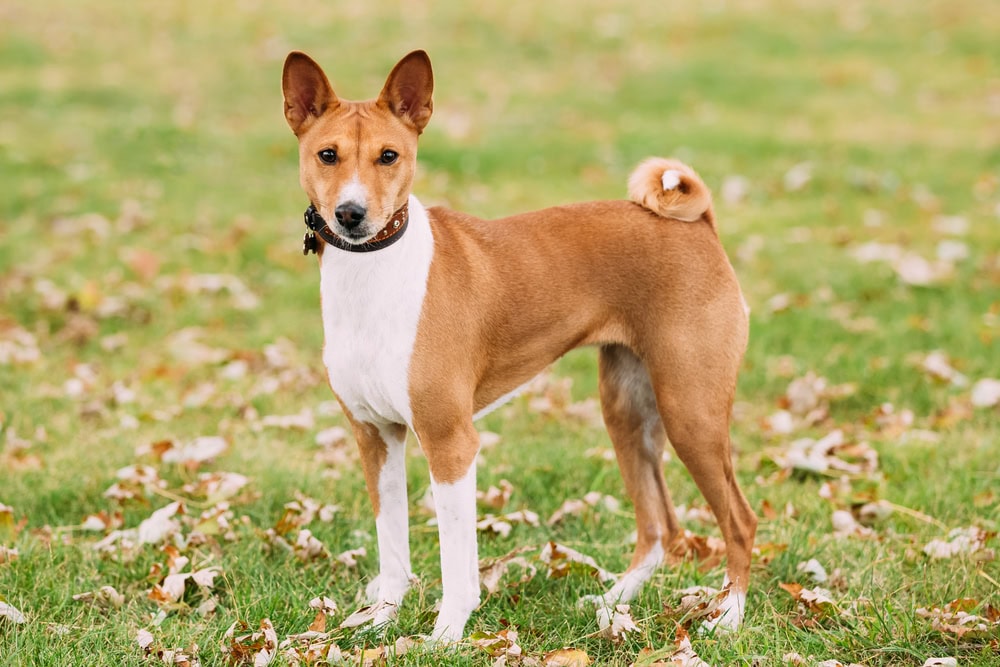
The Basenji is a highly independent breed that hails from Africa. These dogs are known for their self-sufficiency, intelligence, and cat-like cleanliness. They are also famous for being “barkless” and often communicate through yodel-like sounds. It’s important not to get confused and believe they are quiet—this is simply not true.
Basenjis are agile hunters with a strong prey drive and can be aloof with strangers, but they form strong bonds with their families.
3. Afghan Hound
Breed Overview
Origin:
Lifespan:
Height:
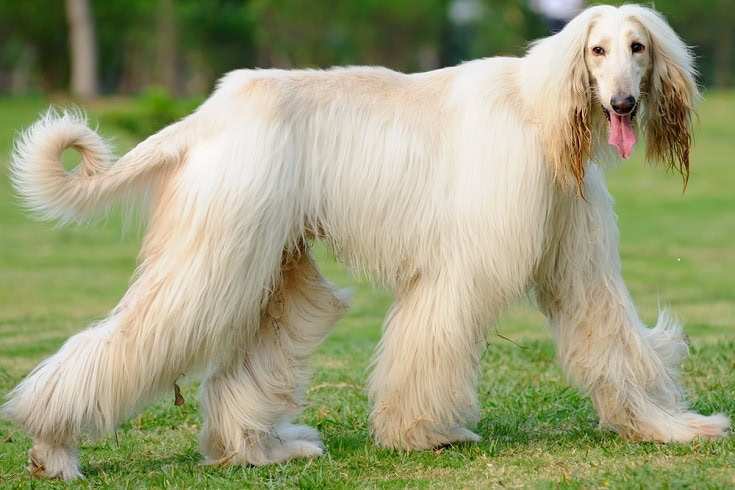
The Afghan hound is not a breed that you see often in the United States. However, they are known for being elegant and independent. Their strong prey drive will make them chase small animals, though, and they don’t tend to listen very well to commands.
These sighthounds have a very stunning appearance, but they can be difficult to handle if you aren’t used to their independent nature. Therefore, we recommend them for experienced dog owners only.
4. Siberian Husky

Breed Overview
Origin:
Lifespan:
Height:
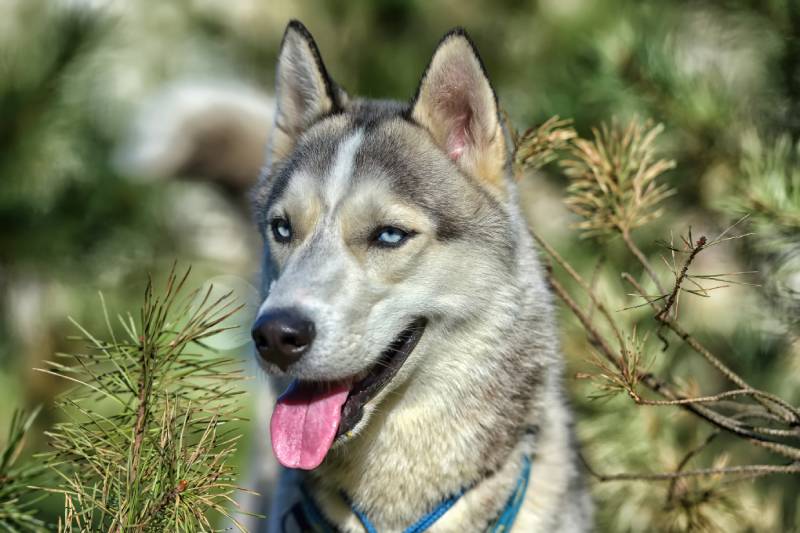
Huskies are adventurous and self-reliant. These medium to large dogs are known for their striking appearance and wolf-like features. In fact, their wild appearance is one reason they are so popular. Sadly, many people adopt them based on their appearance alone and don’t realize how much work they are. They have a very hard time with training, tending to only follow commands during training sessions and not during real-life activities.
They have a penchant for escaping and wandering, reflecting their independent nature. While they are strong-willed and may not always follow commands, they are also friendly and social.
5. Shiba Inu
Breed Overview
Origin:
Lifespan:
Height:
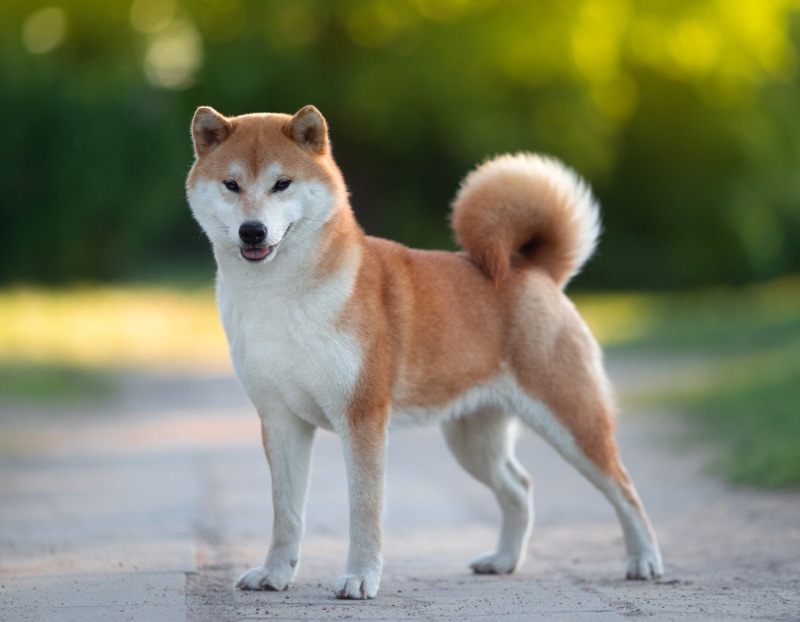
Shiba Inus are slowly becoming more and more popular. They’re often described as “cat-like,” which explains their independent nature. They tend to be very intelligent and have a tendency to be aloof. They can bond closely with their families, but they do tend to be one-person dogs.
They’re known for their self-sufficiency, so they don’t need all that much attention. This can be both a good thing and a bad thing, depending on your preferences. These dogs also tend to be fiercely loyal to their families. They are very spirited, which many people find charming.
6. Chow Chow

Breed Overview
Origin:
Lifespan:
Height:
Chow Chows are aloof and independent, often forming strong bonds with their family but maintaining a certain level of self-sufficiency. These dogs are recognizable by their lion-like manes and distinctive blue-black tongues.
They are known for their protective nature, and while they can be independent, they are also fiercely loyal and affectionate toward their loved ones. However, they do tend to be one-person dogs. In other words, they may bond closely with only one person in the family and ignore everyone else.
7. Canaan Dog
Breed Overview
Origin:
Lifespan:
Height:
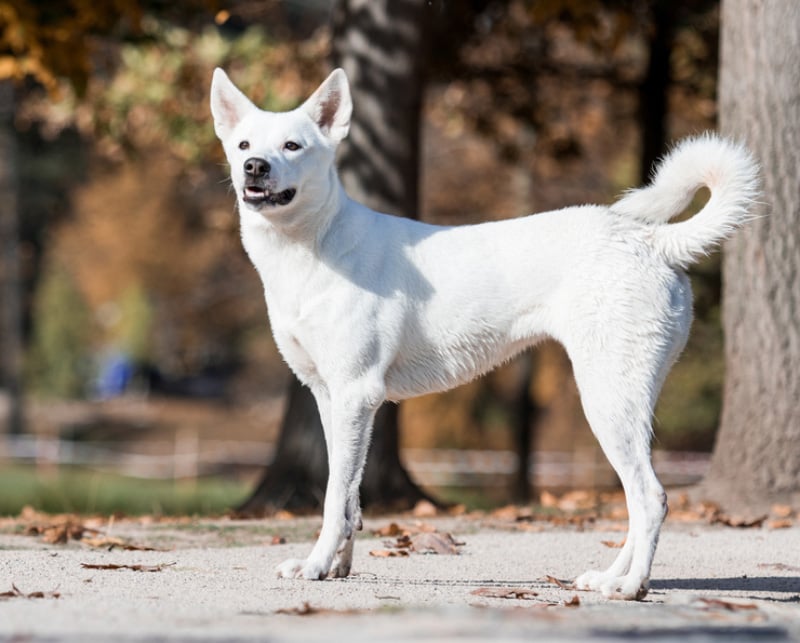
This dog is ancient and fairly rare, so don’t feel bad if you’ve never heard of them. They tend to be very intelligent and resourceful. While they will bond with their families, they are wary of strangers and need plenty of socialization. They have a strong survival instinct and do perfectly fine on their own.
These agile dogs are not like many of the modern breeds popular today. However, they easily fit into this independent category.
8. Alaskan Malamute

Breed Overview
Origin:
Lifespan:
Height:
Malamutes are independent and strong-willed, requiring plenty of extra training. They are bred for sled pulling and are known for their endurance and self-reliance—not for following commands.
These giant, muscular dogs are highly loyal to their pack (family) but may assert their independence. They have a friendly and dignified demeanor and are great in cold climates due to their thick double coat. However, we only recommend them for experienced dog owners.
9. Rhodesian Ridgeback
Breed Overview
Origin:
Lifespan:
Height:
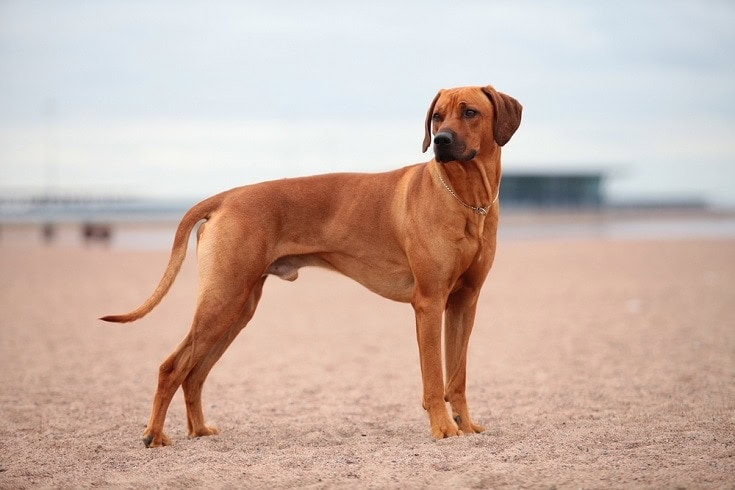
This breed is known for being independent and confident. They were originally used in Africa to hunt big game. Like most hunting dogs, they were bred for their hunting ability and willingness to perform without their human’s constant commands. Therefore, they are still very independent today.
They tend to be pretty strong-willed and sometimes even aloof. However, they are loyal and protective towards their families. We recommend providing plenty of socialization to prevent wariness towards strangers, though.
10. Saluki
Breed Overview
Origin:
Lifespan:
Height:
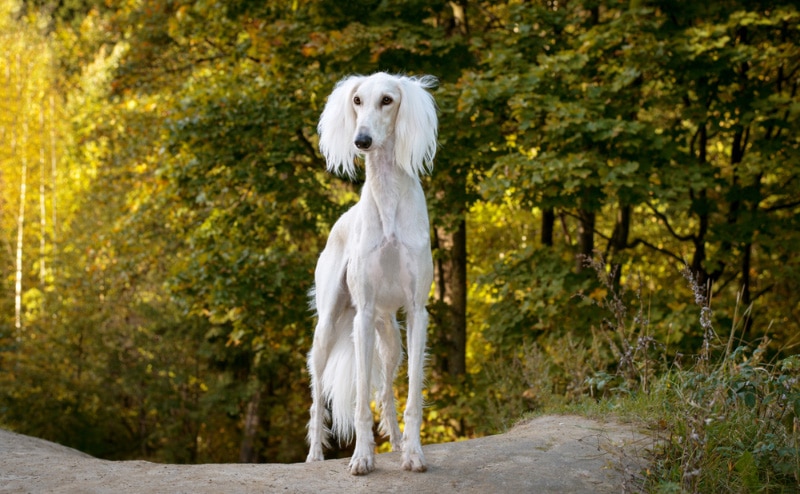
Salukis are one of the oldest dog breeds, known for their independence and aloof demeanor. They have a strong prey drive and are used for hunting in many parts of the world. They’re sighthounds and act similar to Greyhounds.
Salukis are elegant, graceful, and somewhat reserved. They value their personal space while maintaining a deep bond with their owners. Therefore, they’re best for those who don’t want a needy dog—but a quiet companion instead.
11. Norwegian Elkhound
Breed Overview
Origin:
Lifespan:
Height:
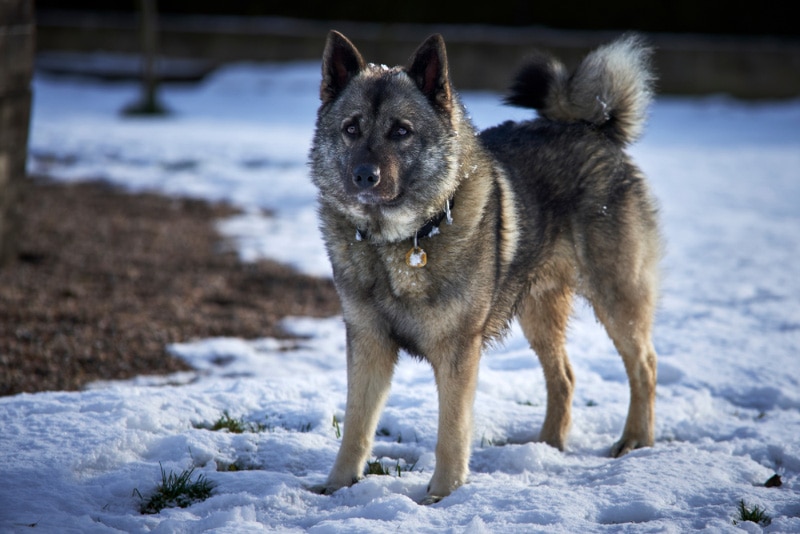
These dogs are exceptionally independent—one of the most independent dog breeds on this list. However, they are also very loyal and resilient, as they were originally bred for hunting moose and other large game. Today, they still have many of their purpose-driven traits, which can make them a bit hard to handle if you’re just looking for your average companion dog.
These dogs are very hardworking. Therefore, they need a job to do to be happy. They’re best for owners who plan on using them for hunting or a similar purpose.
12. Greyhound
Breed Overview
Origin:
Lifespan:
Height:
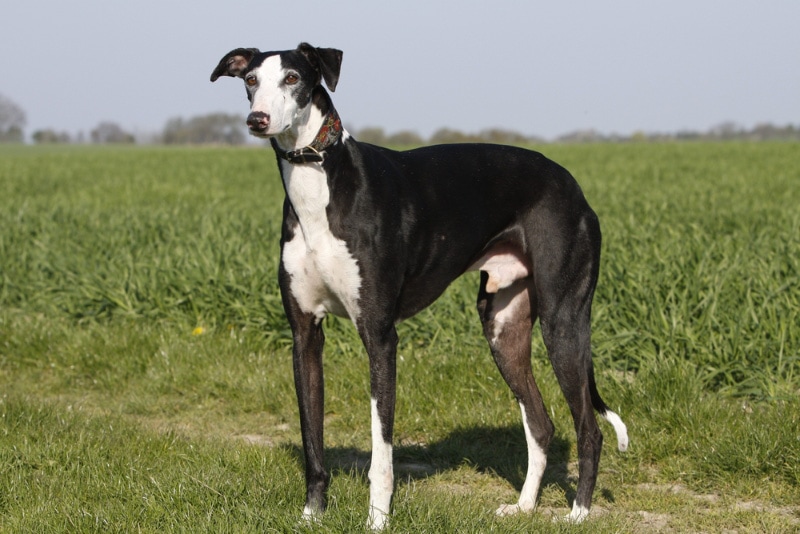
Greyhounds are independent and calm, with a reputation for their elegance and the ability to be content alone. They do bond closely with their owners, but they don’t require as much attention as many other breeds out there.
These slender dogs are known for their incredible speed and grace. While they may not be overly affectionate or demonstrative, they are gentle. They are also considered very low-maintenance. Despite what you might think, they don’t need that much exercise, either.
13. Ibizan Hound
Breed Overview
Origin:
Lifespan:
Height:
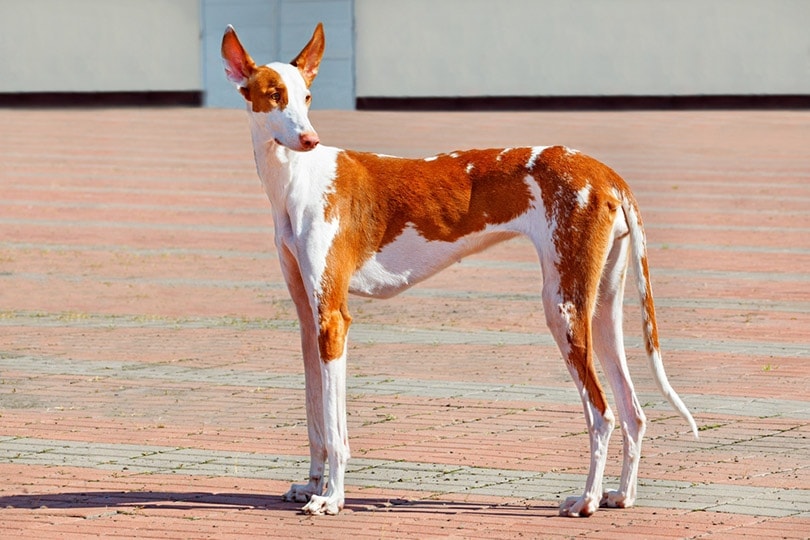
Ibizan hounds are like most hounds—they’re independent and tend to be very aloof. Their interests lie with hunting, not obedience. Therefore, they’re often challenging to train and cannot learn complicated commands (just because they don’t want to).
They’re extremely athletic and do best when they are following a scent of giving chase. They can be a bit complicated to keep as companion animals, as they really do love hunting. However, they are gentle with their families and can be very affectionate when raised properly.
14. Tibetan Mastiff

Breed Overview
Origin:
Lifespan:
Height:
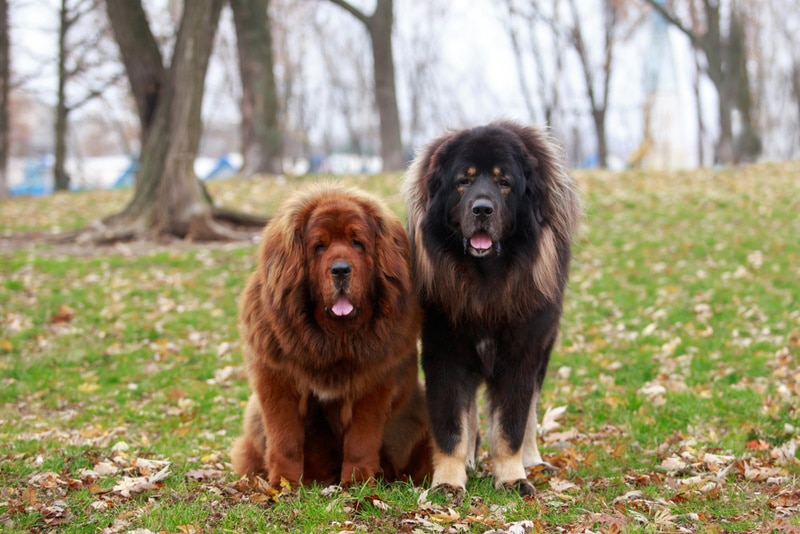
These independent giants are natural protectors with a strong sense of self. They are loyal but can be aloof. Tibetan Mastiffs are large, imposing dogs known for their independence and protective instincts. They have been used as guardian dogs for livestock in the Himalayan region for centuries.
While they may appear aloof, they are deeply devoted to their families. They just aren’t a bit of a fan of strangers and need plenty of strangers to deal with any potential aggression that may come about.
15. Kuvasz
Breed Overview
Origin:
Lifespan:
Height:
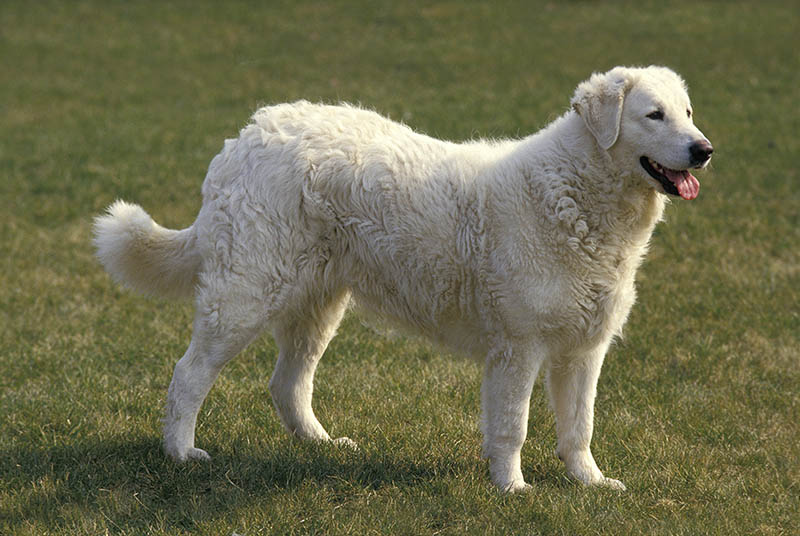
These Hungarian herding dogs are exceptionally vigilant and independent. They were bred to protect livestock by themselves, without any need for input from their owners. They retain a lot of this independence today.
They tend to be very self-sufficient, but they’re also loyal to their families. Don’t expect them to get cozy with strangers, though, and you should socialize them plenty to avoid any potential aggression problems.
16. Scottish Terrier
Breed Overview
Origin:
Lifespan:
Height:
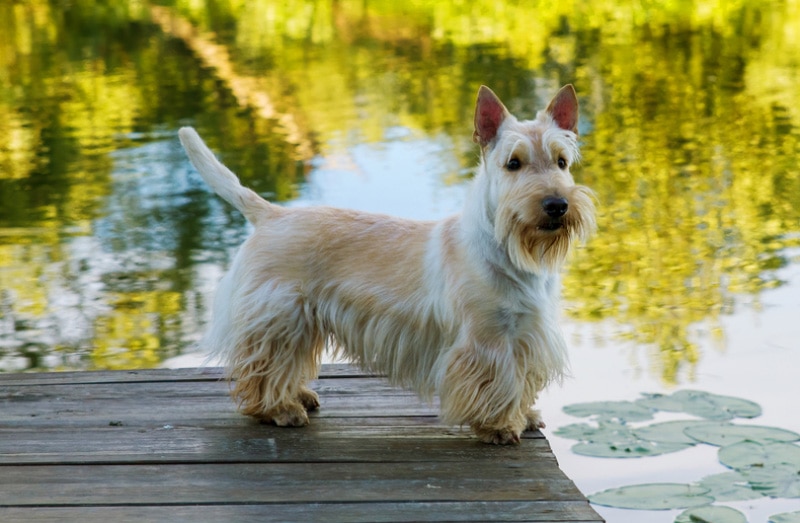
Scotties are known for their self-sufficiency and a bit of stubbornness. They are independent but loyal to their families. However, they can be “one-person dogs,” which means they may only bond closely with one member of their family.
These small, sturdy terriers are known for their independence and the famous “Scottie” personality. They can be a bit headstrong but are deeply loyal and make excellent companions. They’re great companion dogs if you know what you’re getting into!
17. Icelandic Sheepdog

Breed Overview
Origin:
Lifespan:
Height:
Icelandic Sheepdogs were bred to herd livestock in the rough conditions of Iceland. Therefore, they tend to be exceptionally hardy and have a very strong work ethic. They were also bred to herd largely alone, which means they did not develop much obedience.
While they can seem rather aloof and have their attention “on other things,” they do tend to bond closely with their families.
18. Irish Wolfhound

Breed Overview
Origin:
Lifespan:
Height:
These gentle giants are independent but sweet-natured, and known for their dignity and aloofness. Irish Wolfhounds are one of the largest dog breeds, which can make them a bit tough to handle. They need plenty of room, so they may not be best for smaller spaces.
They are gentle and can be somewhat reserved with strangers, making them excellent family dogs. Despite their large size, they are not aggressive and don’t need too much exercise.
19. American Eskimo Dog

Breed Overview
Origin:
Lifespan:
Height:
These dogs are often thought of as tiny Huskies, and this isn’t too far from the truth. They have a similar personality, including tons of independence. They tend to be reserved with strangers, but they do bond closely with their families. These dogs also tend to be affectionate and loyal, though, which makes them well-loved by many.
Their (potentially) smaller size also makes them suitable for smaller spaces, though they do need tons of exercise to be happy and healthy. They’re best when adopted by active families.
20. Boerboel
Breed Overview
Origin:
Lifespan:
Height:
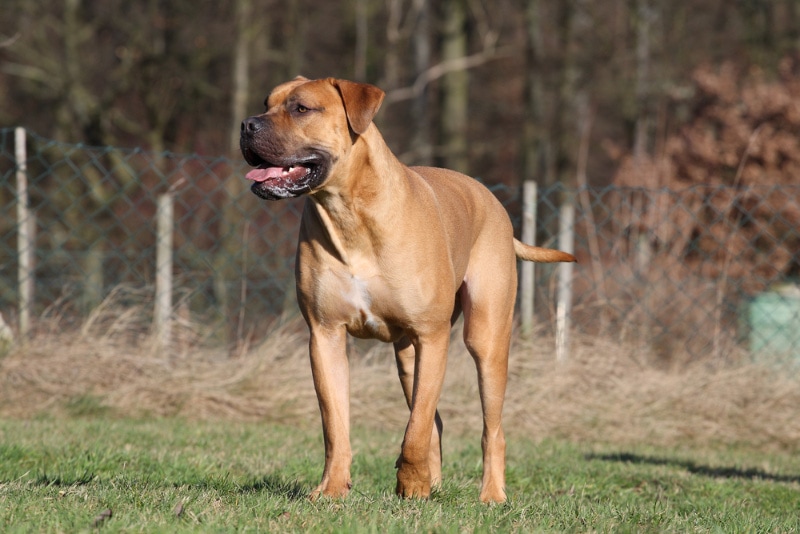
Boerboels are independent and protective, making them excellent guard dogs. They are loyal but can be aloof with strangers. Therefore, they require tons of socialization to become well-adapted adults. Many people love the idea of a guard dog, but they often don’t realize the work that goes into ensuring these dogs are obedient and non-aggressive.
These powerful South African dogs are known for their independence and strong protective instincts. They’re often hard for first-time owners to handle.
21. Japanese Chin
Breed Overview
Origin:
Lifespan:
Height:
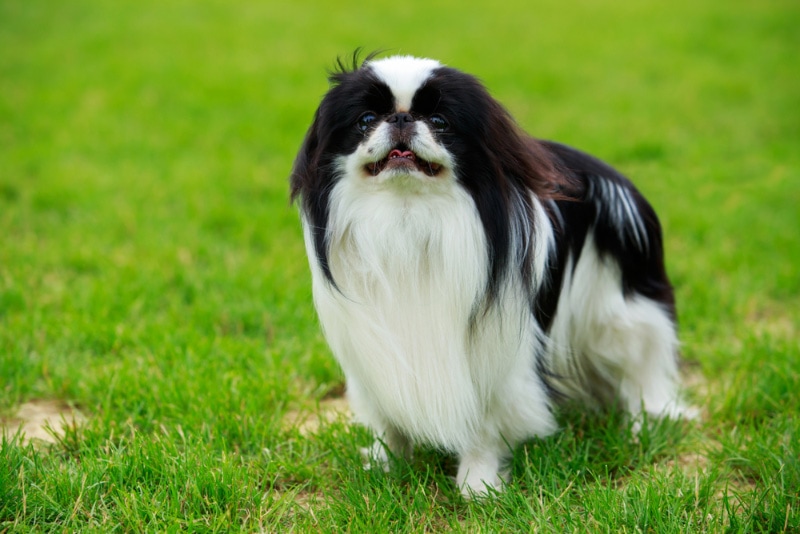
Japanese Chins are known for their cat-like behavior, which also means they are pretty independent. They tend to keep to themselves a lot of the time and can be very aloof. They’re particularly known for their self-sufficiency, which prevents them from being particularly needy.
These dogs are also a solid option for anyone who wants a smaller, independent dog. They’re also a bit easier to handle than some of the larger dogs on this list. They tend to be rather aloof, especially with strangers, and like their space. However, they can still form close bonds with others.
Conclusion
Independent dogs can be a great option for owners who are looking for a less-needy canine. While these dogs absolutely need affection, they don’t tend to be nearly as affectionate as some other dogs out there. They also don’t need people the same way many companion animals do.
However, all of this also means that they’re often harder to train and may not always listen to commands. Most are aloof towards strangers, which is both a good and a bad thing. They may not bother visitors as much, but they still need plenty of socialization.
Sources
Featured Image Credit: Grisha Bruev, Shutterstock
Get Hepper In Your Inbox


Pet care tips from our vets and experts, straight to your inbox.
You may opt-out at any time. View our Privacy Policy for more information.

Kristin is passionate about helping pet parents create a fulfilling life with their pets by informing them on the latest scientific research and helping them choose the best products for their pets. She currently resides in Tennessee with four dogs, three cats, two fish, and a lizard, though she has dreams of owning chickens one-day!
Join the conversation
Ask a question, share your story, or send private feedback.