Hepper is reader-supported. When you buy via links on our site, we may earn an affiliate commission at no cost to you. Learn more.
Composting Cat Poop: Vet-Reviewed Safety Guide


In this article
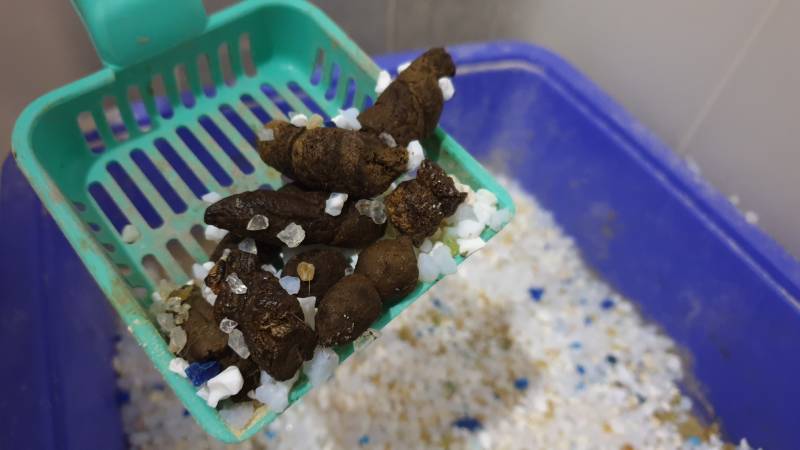
One of the less fun aspects of taking care of a cat is dealing with the kitty litter. Handling animal waste isn’t anyone’s idea of a good time, and if you’re environmentally conscious, you might also be wondering if there’s a more sustainable way to deal with cat litter. For the most part, you can compost cat poop but know that there are a ton of warnings and caveats.
Here, we go over the best ways to compost cat poop safely — and why it isn’t necessarily a good idea. It’s not for everyone, particularly since there are safety issues, but composting cat poop does have potential.

Compostable Litter
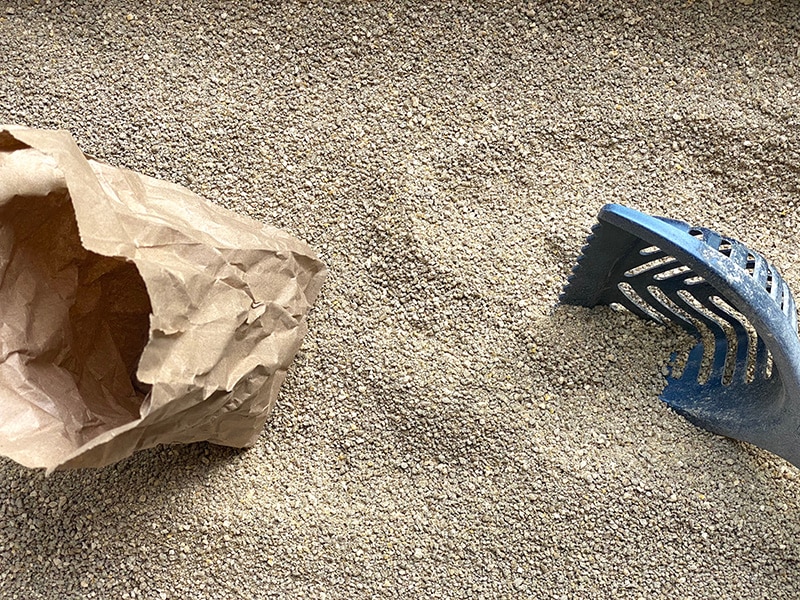
The kind of litter that you use is relevant. You don’t want to spend your time picking bits of litter off the poop after you’ve scooped it! So, if you’re interested in proceeding with composting feces, you’ll need to start with the right kitty litter.
You’ll want litter that is biodegradable, which includes:
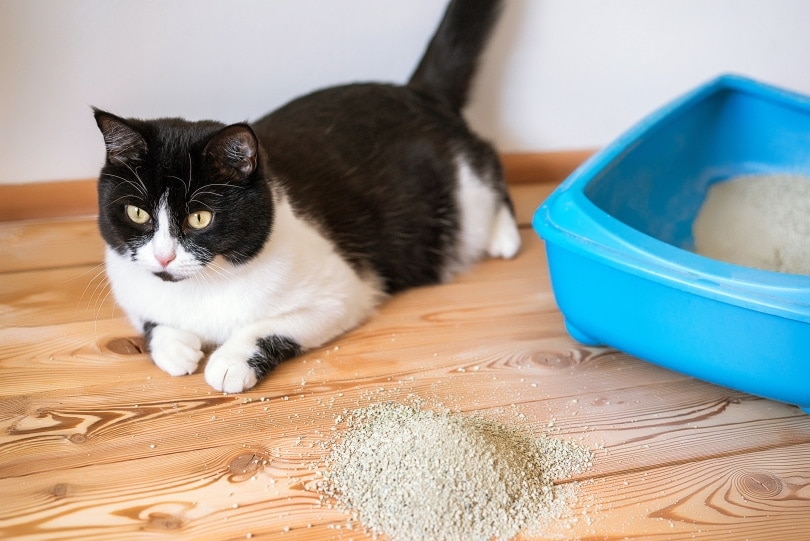
Keep in mind that these litters aren’t always quite as effective at controlling odors or clumping for easy scooping as the traditional kind. You also need to ensure that your cat will enjoy using it. Cats tend to prefer fine-grained litters because their wild cat ancestors lived in the desert, so sand-like textures are usually best.
The cat litters that you should avoid for composting purposes are:
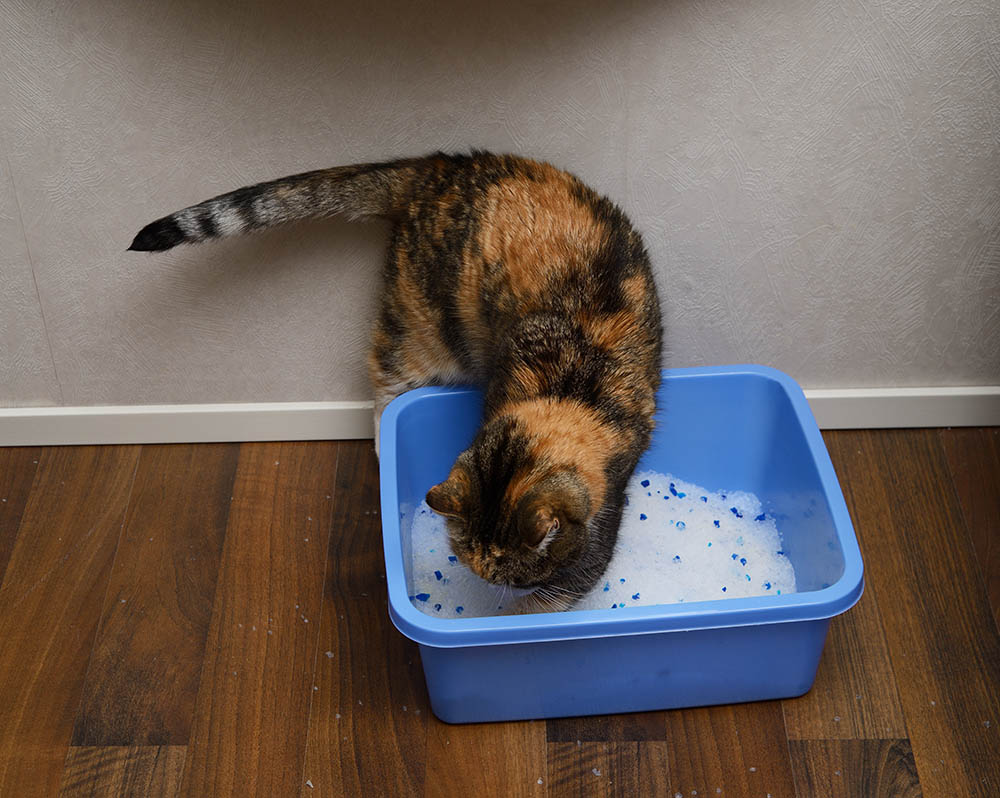
A good rule of thumb is to avoid any litters that have fragrances or are clumping. Litters with an added fragrance should also be avoided. Cats are sensitive to smells and don't always appreciate perfumed litter.
Why Is Cat Feces Potentially Dangerous?
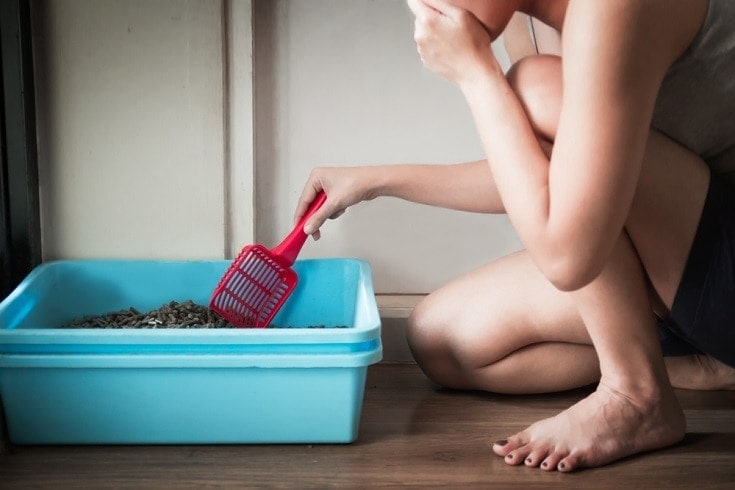
There are a few safety issues with composting cat poop. Since cats' are the intermediate host of the parasite Toxoplasma gondii, their poop can be infected with eggs (called oocysts). Oocysts that are excreted in a cat's feces and sporulate after 24 hours, if humans or other animals ingest the sporulated eggs, they can get the disease toxoplasmosis.
A cat can get infected in three ways:
Signs that a cat might have toxoplasmosis are:
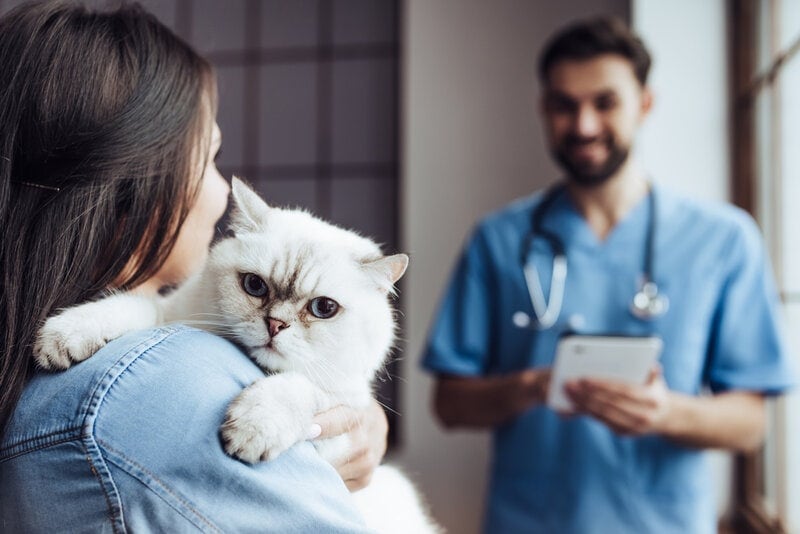
See your vet if your cat exhibits any of these symptoms, particularly pressing their head on hard surfaces. Most of these symptoms are more likely to appear in cats with immune system issues; otherwise, your cat might only present with mild symptoms.

Is It Safe to Compost Cat Poop?
If you use the right kind of litter and follow the proper steps, it is possible. Due to the risk of toxoplasmosis, you shouldn’t use the compost in any edible gardens or near any water sources. The parasites will leech into the water and veggies, which could be ingested by other animals or humans. Only use compost containing cat feces on your house or ornamental plants.
The process of composting uses heat, but the temperature typically isn’t high enough to kill bacteria and parasites. That said, if you can get your compost over 145°F, for several hours, then Toxoplasma gondii forms are inactivated, and it can be used to fertilize anything that you want. That’s how high the temperature needs to be to eliminate the pathogens.
Before you do anything else, double-check the ordinances in your community regarding compost.
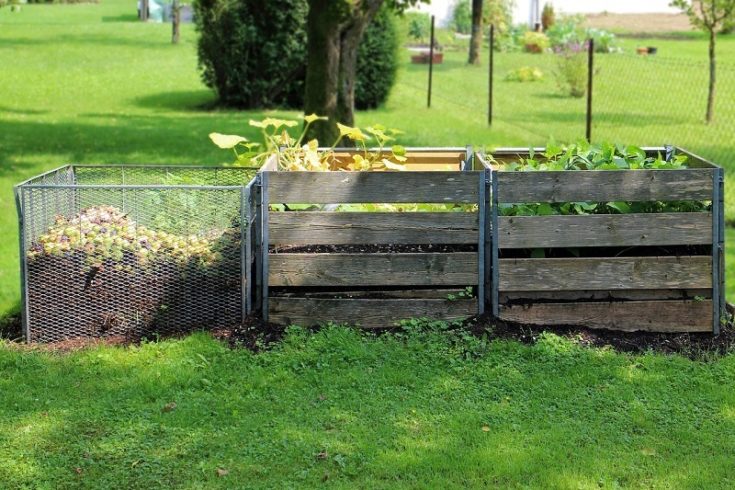
Composting Cat Poop
You need to start with a good compost pile that is ready to go. You can do this with a small kitchen composter, but it’s usually best to go with a large one that can be used in your backyard. The most popular composting methods are with a bucket or in-ground (also known as in-situ).
Using the bucket method should work fine as long as you only have one cat, and the in-ground method should be nowhere near a water source or your edibles. You don’t want any run-off from your compost to enter a waterway.
You use other biodegradable materials along with the feces, which can take at least 1 year to break down. Part of composting also includes aerating it by mixing the compost every now and then.
Compost piles start with a base layer, which can include things like corn cobs and husks, sticks, and stalks from vegetables and flowers.
This is followed by alternating layers of green and brown materials, such as straw, dried leaves, sawdust, and pine needles for the brown and lawn clippings, green leaves, tea bags, coffee grounds, and food scraps for the green.
The cat poop and litter go on top, but you can add one more brown layer over it to help the feces break down faster.
Be sure to always wear gloves when dealing with compost, and give your hands a good washing afterward. You might want to put a clothespin on your nose while you’re at it!
You can contact a composting expert for more ideas and advice. You can also check out books like The Pet Poo Pocket Guide for more details on how to successfully compost your kitty’s poop.
What Not to Do
You already know not to make your compost close to water or edible gardens, but there are a few other considerations.
If you decide that this composting thing is not something that you can manage (indeed, it’s a great deal of work!) but still want to be environmentally friendly, there are a few things that you really shouldn’t do.
First, don’t ever put your cat’s litter into your municipal’s composting bin or yard waste to be placed at the curb for garbage pick-up. The pathogens in your cat’s poop will contaminate everything else in the bin, so it will all need to be thrown out as waste, which defeats the purpose.
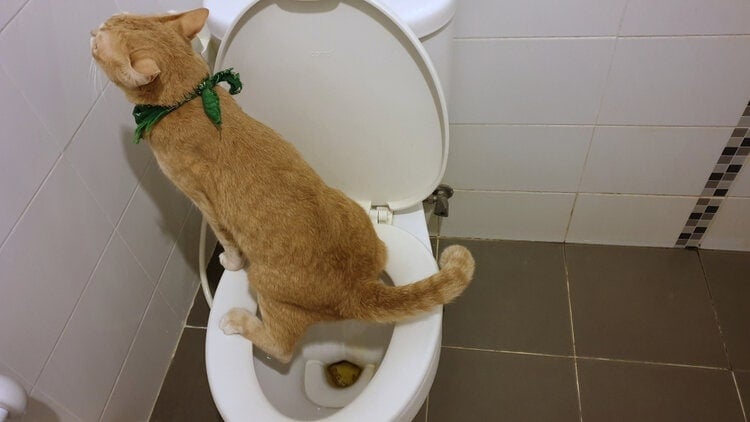
Also, you shouldn’t flush your cat’s waste down the toilet, as this is a water source. Toxoplasmosis can cause disease in aquatic organisms too. Even if the litter that you’re using says that it can be flushed, the cat poop can’t. The litter might also clog your pipes, and certain septic systems can’t break it down.
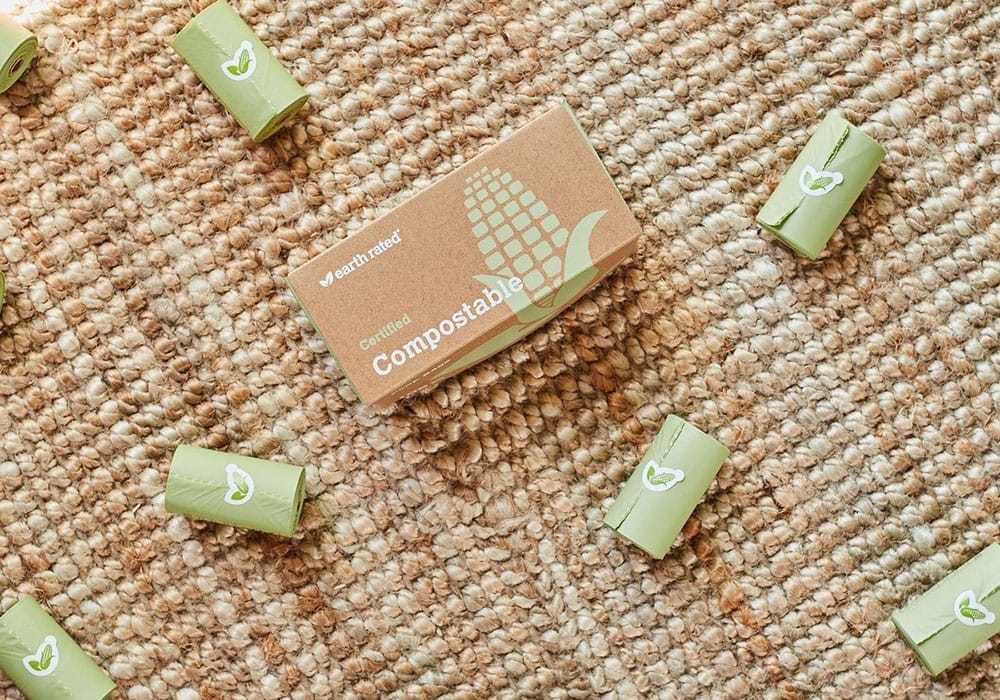
Your best bet is to use a biodegradable litter that your cat is comfortable using and to put the waste in biodegradable trash bags. It all still needs to be thrown out with the regular garbage, but you’ll have a smaller ecological footprint this way.
Summing Up
It takes quite a while for cat poop to get broken down to be used as compost — at least 1 year! While doing so comes with a bunch of warnings (don’t use your compost on gardens that you plan to eat from or near a water source), it's doable. We do not recommend this practice if you can not manage to get the compost to at least 45°F, for several hours, to inactivate pathogens. Try talking to someone who knows their way around composting and reading a few books or articles online for more details.
Related Reads:
Featured Image Credit: Free-Photos, Pixabay
Get Hepper In Your Inbox


Pet care tips from our vets and experts, straight to your inbox.
You may opt-out at any time. View our Privacy Policy for more information.
Kathryn was a librarian in a previous lifetime and is currently a writer about all things animals. When she was a child, she hoped to work in zoos or with wildlife in some way, thanks to her strong love for animals. Unfortunately, she's not strong in the sciences, so she fills her days with researching and writing about all kinds of animals and spends time playing with her adorable but terribly mischievous tabby cat, Bella. Kathryn is hoping to add to her family in the near future – maybe another cat and a dog.
Join the conversation
Ask a question, share your story, or send private feedback.