Hepper is reader-supported. When you buy via links on our site, we may earn an affiliate commission at no cost to you. Learn more.
How Many Times Do Cats Pee a Day? Vet-Approved Facts & Safety Guide


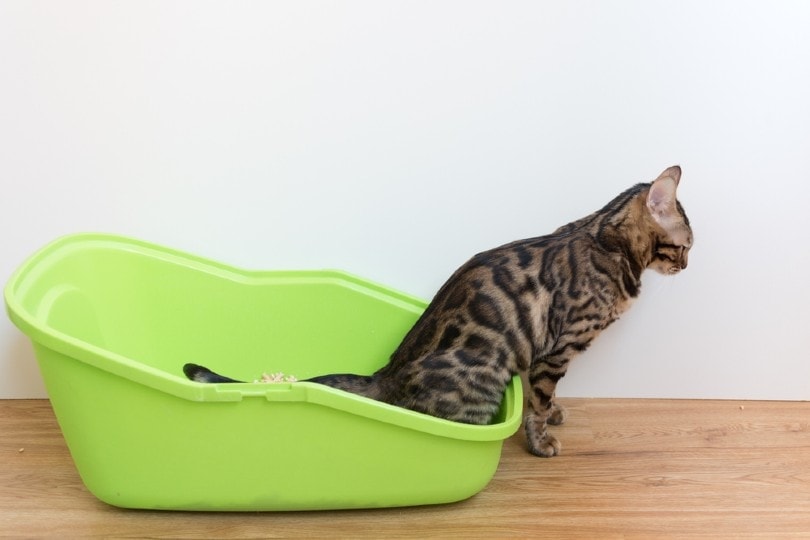
Cat owners should monitor their cats’ litter box habits because some cats can be prone to urinary tract issues and other health problems that have signs that involve changes in urination.
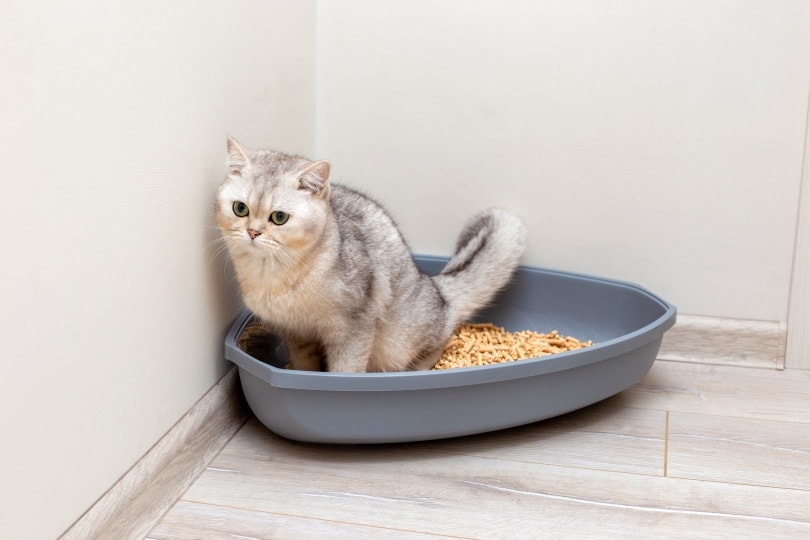
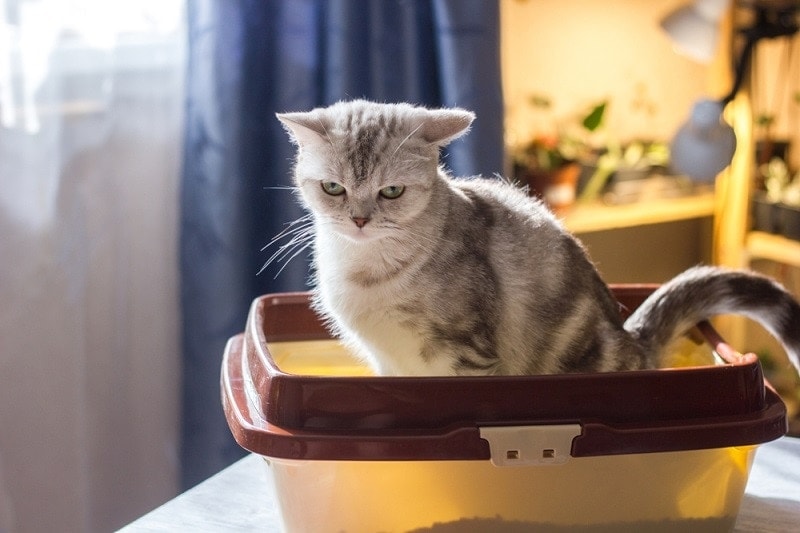
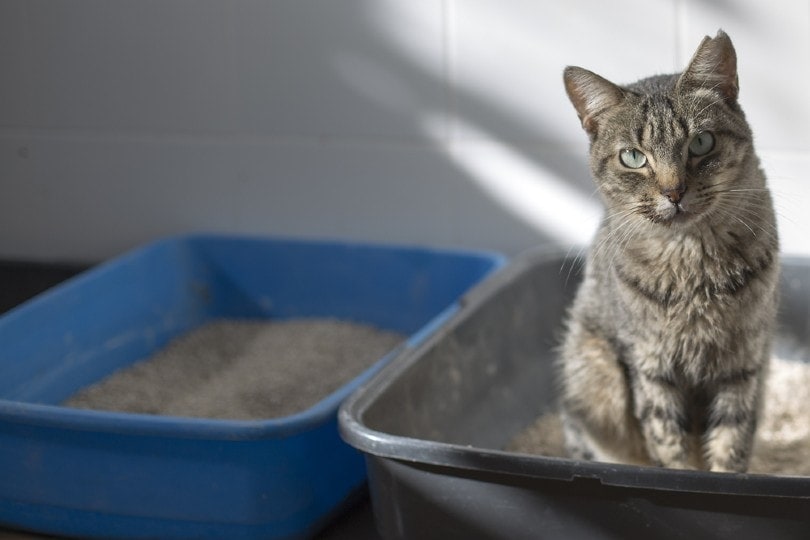
Do you think your cat is peeing too much or too little? How many times do cats typically pee in a day? The answer can depend on external factors, such as the environmental temperature and your cat’s age, diet, water intake, and overall health. While kittens can make frequent trips to the litter box to pee, on average, a healthy adult cat will urinate approximately two to four times a day.
When a cat reaches their senior years, you might notice increased trips to the litter box due to age-related health issues. Of course, you won’t always see your cat pee, so you’ll want to look for evidence like wetness or clumps, depending on the type of litter you use. You should monitor your cat’s water intake as well, since this can give you some more clues.
Important Note:
What are some factors that influence the number of times that your cat pees in a day? Let’s look at a few of the most common issues that affect your cat’s urination.

Cat Daily Water Intake
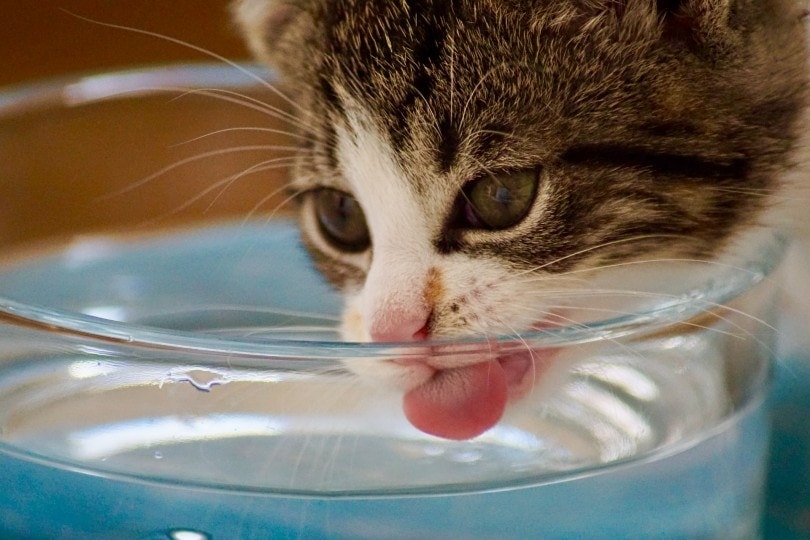
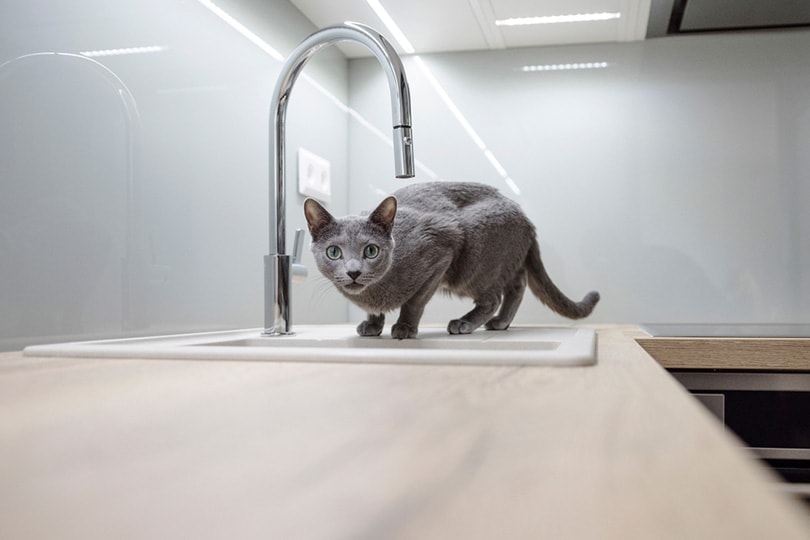
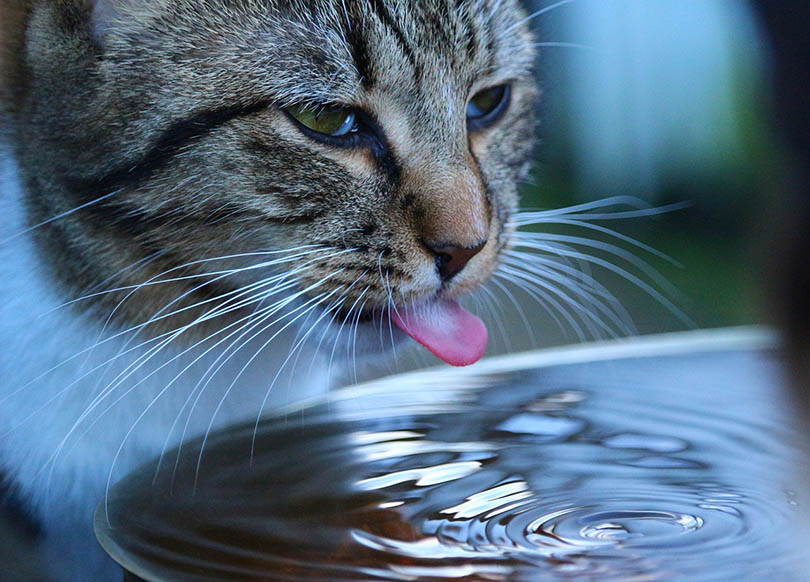
Does your cat drink enough water? Veterinary experts say that your cat should drink around 4 ounces of water per every 5 pounds of body weight.
Many cats are not great drinkers, and this can worry some pet parents. You should speak to your vet if you’re concerned about your cat’s drinking habits. Feeding your cat wet food is a good way to supplement water intake. You can also heat a little water to add to wet food from an opened can that’s been stored in the refrigerator. This increases water intake and helps warm up the food to make it more appealing to your cat.
Of course, you should always provide your cat with plenty of fresh, clean drinking water. If you don’t think your cat is drinking enough from their water bowl, you can get a pet drinking fountain, as running water is often irresistible to cats.
If your cat is drinking normally but not peeing, your cat may be suffering from a urinary tract blockage. This is a life-threatening emergency that requires immediate veterinary treatment. We’ll talk about that next.
You might notice that your cat is drinking more water than usual. Excessive thirst can be a sign of a health problem like kidney disease, diabetes, or hyperthyroidism. We’ll also cover these issues.
Feline Lower Urinary Tract Disease
Feline lower urinary tract disease (FLUTD) is a term that covers several health problems related to a cat's lower urinary tract (urethra and bladder). They can all result in changes in litter box behavior.
Signs of urinary tract disease include frequent trips to the litter box with small amounts of pee, straining and crying while in the box, excessive licking, and signs of blood in the urine.
Here’s a quick rundown of some of these conditions:
FLUTD is a common cause of a higher-than-normal number of daily visits to the litter box. If your cat is making many trips to the box and producing only a small amount of pee, it’s best to take your cat to the vet as soon as possible.
Little to no pee can be a sign of FLUD, but what about too much pee?
What Does It Mean if Your Cat Is Peeing a Lot?
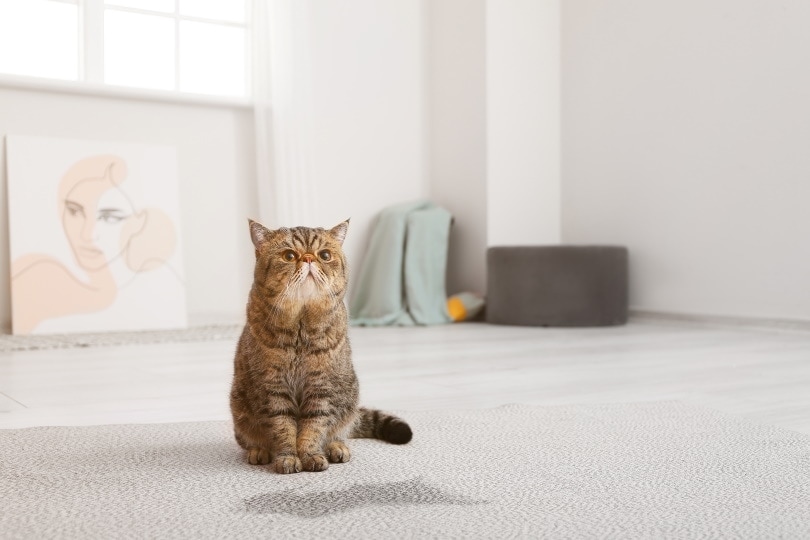
Higher amounts of urine (often combined with excessive thirst) can be a sign of other health problems like diabetes and kidney disease. Kidney disease is different from urinary tract problems seen in FLUTD.
One of the more common causes of excessive urination in cats is diabetes mellitus.
Diabetes
Just like humans, cats can get type I and type II diabetes (type II is more common). Diabetes occurs when your cat has high blood sugar (glucose) levels because the body cannot produce or respond to insulin.
Obesity is one of the primary causes of feline diabetes, along with advanced age and lack of physical activity. A cat with diabetes will have increased thirst and urination. Your cat will urinate more in quantity and frequency.
Diabetes is normally managed with dietary changes and insulin injections.
Kidney Disease
Cats can also suffer from chronic kidney disease (CKD). CKD is common in senior cats and their kidney function should always be screened for this reason. Cats with CKD will produce large amounts of dilute urine. They will also drink more to compensate for this fluid loss. Cats with CKD will not be able to eliminate toxins from the body adequately.
There are special prescription veterinary diets to help manage the health of cats with kidney disease. These kidney diets are formulated differently than urinary diets, and they should not be confused with each other.
Hyperthyroidism
This is another condition that can cause increased urination (and thirst) in cats. Hyperthyroidism most commonly occurs in older cats when the thyroid gland becomes enlarged by a benign tumor (in most circumstances) and produces too much thyroid hormone.
Your cat’s metabolism will increase and they will want to eat, drink, and urinate more frequently, but weight loss is also a sign. Treatment options include different types of medication, surgery, diet, and radioactive iodine therapy.
Diabetes, kidney disease, and hyperthyroidism can all cause your cat to urinate more frequently and in greater quantities. Increased thirst is also common.

Conclusion
Too much or too little peeing is normally a sign of health problems in cats. Keeping a close eye on your cat’s litter box behavior is an excellent way to monitor your cat’s overall health.
A healthy adult cat will pee two to four times per day. A cat with urinary tract problems will commonly visit the box many times per day but produce little urine. You might also notice signs of pain and distress.
Cats with different health issues, like diabetes or kidney disease, will visit the box more frequently than normal and produce more urine than the average cat.
A change in how often and how much your cat pees can be a sign of a potentially serious health problem. Be sure to see your vet immediately if you notice any of these changes.
You might also be insterested in:
Featured Image Credit By: Dina da, Shutterstock
Get Hepper In Your Inbox


Pet care tips from our vets and experts, straight to your inbox.
You may opt-out at any time. View our Privacy Policy for more information.
Lisa is a California-based pet writer who has a master’s degrees in English and library science and experience in both academic librarianship and non-profit research, indexing and abstracting, as well as information resource management. In 2014 she changed careers and became a full-time pet writer, where she is able to apply her research skills. Lisa volunteers with a local pet charity, enjoys gardening, and curling up with a good book alongside her two big and fluffy Norwegian Forest Cats.
Join the conversation
Ask a question, share your story, or send private feedback.