Hepper is reader-supported. When you buy via links on our site, we may earn an affiliate commission at no cost to you. Learn more.
Hearing Dogs: What They Do & How to Get One
In this article
Dogs have been mankind’s most trusted helpers since the dawn of civilization (and likely even before then). Over the centuries, they have moved beyond their hunting and herding roles to take on a remarkably diversified skill set. Today, dogs are indispensable aids in nearly every discipline, from agriculture to police work to supporting disabled people.
A hearing dog is one such specialized service animal. Approximately 15% of American adults suffer hearing loss,1 with many missing opportunities because of communication impairment. Hearing dogs fill valuable gaps for these individuals, letting them navigate their lives with ease and safety.
Although hearing dogs can make a life-changing difference, acquiring one isn’t a quick or straightforward path. If you’re considering a service dog to assist with your hearing-related needs, we’ll explain how a hearing dog can fit your life and how to embark on the path to ownership.

What Do Hearing Dogs Do?
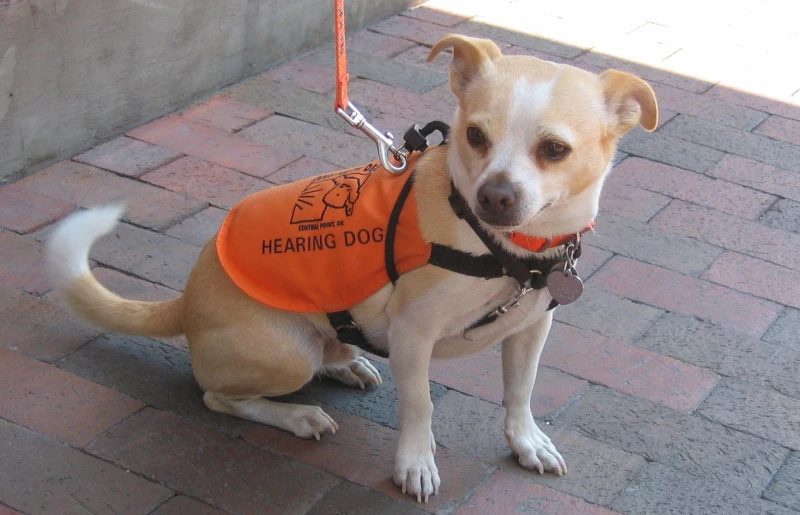
Hearing dogs are service animals that work with individuals who are deaf or hard of hearing to help them stay aware of and responsive to critical sounds around them. When they need to alert their owner, hearing dogs will make contact by pawing, nudging, or lying down. They will then usually bring their owner to the sound’s source.
Some everyday sounds that might warrant the help of a hearing dog include:
Hearing dogs log hundreds of hours over several months learning to distinguish between sounds and respond or not respond as needed. Candidate dogs go through several training stages. Trainers work on skills, focus, independent thinking, advanced obedience, and behaviors. They assess each dog's ability and temperament throughout, pulling many from the program they feel wouldn’t make suitable service animals.
Each hearing dog receives training to respond to a custom set of sounds essential to their owner. While they do not respond to most everyday sounds, their body language helps owners stay ever-alert to their environment.
Benefits Beyond Hearing
While a hearing dog offers increased confidence and independence, they enrich their handlers' lives in several ways beyond helping them stay alert. After all, they are dogs, and there are plenty of mental, social, and emotional benefits in keeping our canine friends around. Studies have found that hearing and service dogs help their owners relieve stress and social anxiety,2 reduce feelings of isolation and increase their independence. Initially, they may not be acquired as pets in that sense of the word, but the companionship of a hearing dog has an effect all the same, and they become a part of the family, no less.

How Do I Get a Hearing Dog?
Talk with your physician if you have a hearing impairment and feel a hearing dog might positively impact your life. Your doctor can assess your needs, recommend appropriate dogs, and offer information on obtaining one. Getting documentation from your doctor is critical in successfully acquiring a service dog, as organizations prioritize and often only consider those with confirmed needs.
Non-Profit Hearing Dog Organizations
Regional, national, and international organizations custom-train service dogs to pair with a qualified owner.
Popular non-profits include:
Each organization follows an application process to check your unique requirements and qualifications for ownership. Many conduct interviews and visit households to see whether prospective owners can adequately care for their dogs. Then, they pair you with a dog that best suits your lifestyle, location, and needs.
Organizations like these have exhaustive waitlists, and it isn’t uncommon for them to temporarily delay new applications. Approval alone and finding your teammate can take months or longer. When you finally find a match, you typically undergo further team training with your hearing dog for several weeks or months.
Alternatives to Non-Profits
The other option for getting a hearing dog is adopting and training them, but this is a long and delicate process that requires a lot of dedication and experience. Picking a dog with a trainable temperament that will make for an effective service dog isn’t always easy, but it’s one of the first aspects of the process. Many service dog trainers help find suitable dogs, and their training starts from early puppyhood and may last until the dog is 16 months or older.
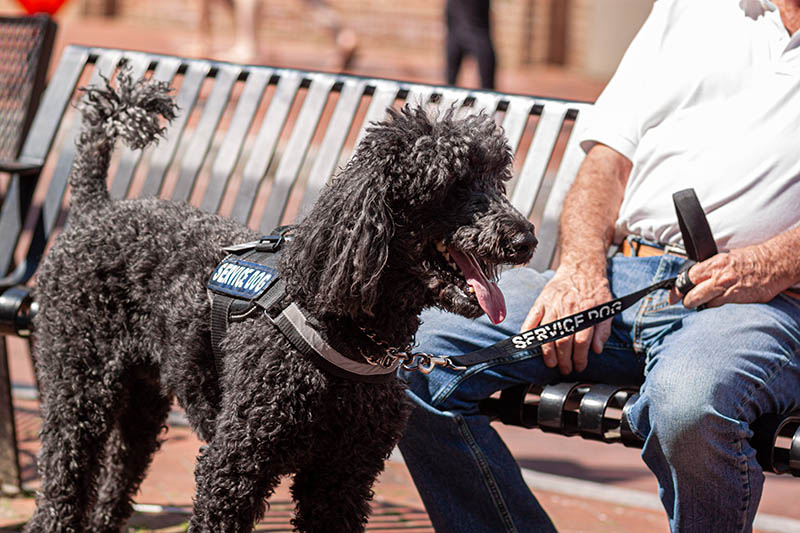
You can train a hearing dog yourself or pay a professional. Service dogs don’t require certifications or registrations. If you have an ADA-recognized need and can train your dog to do essential tasks, you don’t need to verify their status or identification to show they are a service animal (e.g., tags, vests).
After adopting, training a hearing dog can cost $15,000–$30,000. Some trainers offer boarding and public training in various situations full of unfamiliar distractions, including flying on planes and staying in hotels.
Though expensive, they save owners from an enormous time commitment. Training a hearing dog takes hundreds of hours over many months, as well as patience, dedication, and repetition, so it can be extremely challenging if you aren’t a professional. Experts can more efficiently and reliably train dogs than owners, giving them the consistent care they need to excel.

Who Can Get a Hearing Dog?
Non-profit service dog organizations and independent trainers generally look for documentation from your doctor. Beyond that, many organizations set similar criteria for who can qualify for dogs in their programs.
Typical requirements for owners include:
Owners must also be financially, mentally, and physically fit to care for their hearing dog. The dog’s contentment and quality of life are crucial considerations for non-profits. As an owner, you must feed, groom, train, exercise, and tend to your dog, ensuring they receive regular vet visits and adequate care for several years.
Where Are Hearing Dogs Used?
Hearing dogs can be a valuable tool for impaired individuals in virtually any aspect of their day, whether at work, home, or in public. As a service dog, your hearing dog has privileges and protections under the ADA and Fair Housing Act.
Hearing dogs can travel on airplanes and enter other public spaces where companion animals are sometimes not allowed, such as restaurants, theaters, and salons. Landlords may need to consider providing reasonable accommodations for a service dog, but some may still not allow animals, and this is a question of clear communication and accommodation rules and local legislation. Rules and regulations on what is a service animal may differ between states and countries, and some may prohibit claiming a pet is a service animal to prevent fraudulent representation.

Frequently Asked Questions (FAQs)
How Much Do Hearing Dogs Cost?
Due to the intensive training that a dog needs to become a hearing dog, alongside the ongoing care in the process, they’re relatively expensive. Anyone with a purebred knows plenty of dogs can cost several thousand dollars from a breeder. But hearing dogs, and many service dogs in general, push the limits of expense, with $20,000 being the least expensive you'll find in many cases. More often, hearing dogs cost $35,000–$50,000.
When you work through a non-profit, such as IHDI or Canine Companions, the non-profit offers vetted and trained dogs free of charge. The trade-off is the wait time and uncertainty of getting the dog in the first place. Some organizations may charge an application fee or deposit of a few hundred dollars, while others ask you to share in the cost of your dog. But even a ¼ of a hearing dog’s cost can run $10,000 or more.
How to Pay for a Hearing Dog
To help with the cost, hearing dog organizations provide resources to help you raise funds. Others offer financing, as do some service dog trainers. Since a service animal can be a qualified medical expense, you may also be able to use an HSA or FSA to pay your part. Otherwise, a personal loan can be a final fallback.
Can You Pick Your Hearing Dog?
Non-profit hearing dog organizations adopt shelter animals and occasionally breeder dogs. As a result, they don’t offer a catalog for dogs, though you can often state a few general preferences. Dogs match with owners according to their routine, specialized needs, habits, and environment.

Conclusion
Hearing dogs act as their owner’s ears, alerting and guiding them to sounds so they can operate independently and successfully. Although they perform a specific task, hearing dogs can do it a thousand different ways depending on their handler’s specific needs. Although they’re expensive, some non-profits donate dogs to those in need. If you feel a hearing dog could be the positive change you need, start the conversation with your doctor today.
Featured Image Credit: Steve Shoup, Shutterstock
Get Hepper In Your Inbox


Pet care tips from our vets and experts, straight to your inbox.
You may opt-out at any time. View our Privacy Policy for more information.

Nicole is a lover of animals of all sizes but is especially fascinated with the feline variety. She’s the proud mom of Baby, a Burmese, and works every day so he can relax in the sunshine or by the fire. She’s always had a cat in her home and has spent countless days with others, observing behaviors and softening up even the grouchiest of the lot. Nicole wants to share her kitty expertise with you so you and your cat can live happy, healthy, and care-free.
Join the conversation
Ask a question, share your story, or send private feedback.