Hepper is reader-supported. When you buy via links on our site, we may earn an affiliate commission at no cost to you. Learn more.
Hemangiosarcoma in Dogs: Causes, Symptoms, and Care (Vet Answer)


A diagnosis of hemagiosarcoma often comes out of the blue, with little warning. Understanding how this cancer develops, as well as the signs of the disease, and the treatment options available, can help you make the best decision for your pet. Let’s explore hemangiosarcoma in dogs in more detail.

What is Hemangiosarcoma?
Hemangiosarcoma is a malignant (cancerous) tumor arising from the cells lining the blood vessels of the body. This type of cancer behaves aggressively and tends to spread rapidly and extensively throughout the body. It occurs most frequently in adult dogs between the ages of 8–13 years old and constitutes approximately 5% of all cancers in dogs.
Hemangiosarcoma may be found anywhere in the body but is most commonly found in the spleen, liver, heart, and skin. It's generally classified as dermal, hypodermal, or visceral.
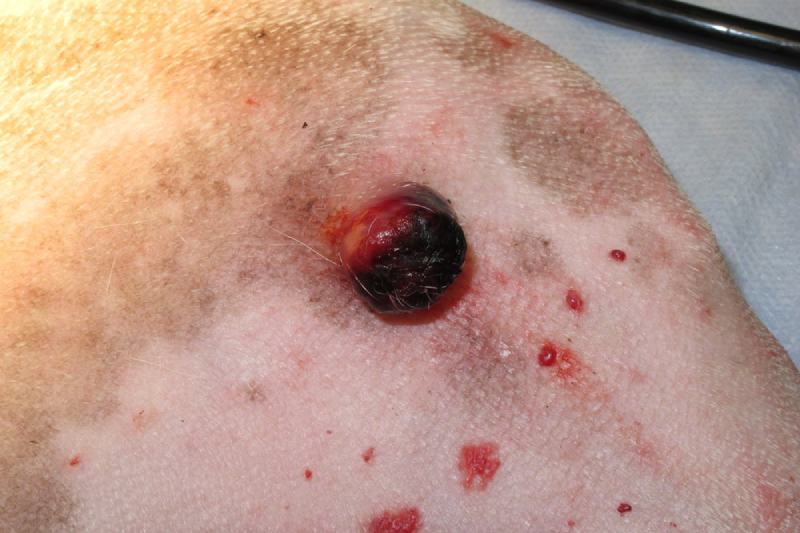
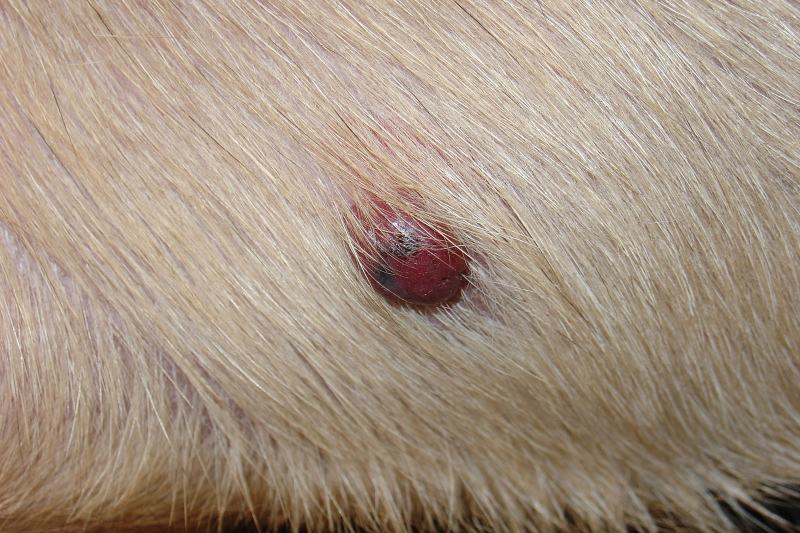
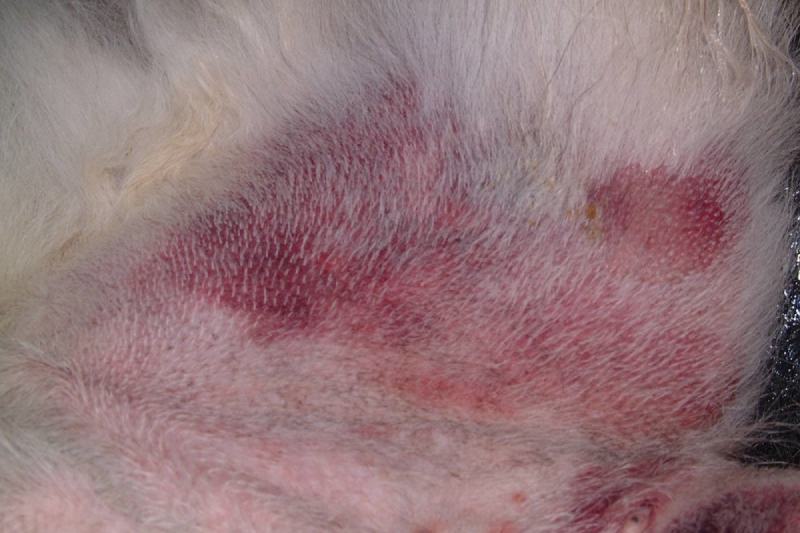
Dermal (skin): the skin form of this cancer typically appears as black or red skin growths, with some owners describing these tumors as “red or black blood-filled bumps” on their dog’s skin. The dermal variant tends to be less aggressive than the other types.
Hypodermal (subcutaneous): this form affects the layer of tissue beneath the skin—known as the hypodermis, or subcutaneous tissue. This variant tends to behave more aggressively than the dermal variant and may spread internally.
Visceral (internal organs): hemangiosarcoma of the internal organs (also known as the viscera) is the most common form of this cancer, amounting to approximately half of all diagnosed cases. Hemangiosarcoma of the spleen is the most common, followed by hemangiosarcoma of the heart. A visceral hemangiosarcoma can suddenly rupture, causing massive blood loss and collapse, which may lead to death if left untreated.
What Are the Causes of Hemangiosarcoma?
In most cases, the cause of haemangiosarcoma is unknown, although a genetic link is strongly suspected for visceral hemangiosarcoma.
Although any breed of dog may be affected, certain breeds are predisposed to developing visceral hemangiosarcoma. These include German shepherds, golden retrievers, labradors, boxers, schnauzers, and pointers.
Exposure to sunlight is a risk factor for developing dermal hemangiosarcomas. Dog breeds with short, light-colored coats are most at risk. The dermal variant may also develop in areas with little or no hair, such as on the abdomen.
Where Are the Signs of Hemangiosarcoma?
The symptoms of hemangiosarcoma depend on the location of the tumor, and how advanced the disease is at the time of the diagnosis.
Dermal hemangiosarcomas appear as red or black growths, while hypodermal hemangiosarcomas appear as lumps or growths under the skin. The skin overlying a hypodermal hemangiosarcoma may appear completely normal, or it may appear swollen and bruised. It is not possible, however, to make a diagnosis of hemangiosarcoma based on the appearance of growth alone. To make a definitive diagnosis, a pathologist will need to microscopically examine a section of the tumor.
It’s possible for visceral hemangiosarcomas to be discovered incidentally during a routine exam, or during an abdominal ultrasound or echocardiogram, without the dog having shown any signs related to the tumor.
Internal Bleeding
Hemangiosarcomas are fragile and tend to bleed easily. Tumors of the internal organs, such as the spleen and liver, may rupture and cause bleeding into the abdomen. Prior to rupture, affected dogs may not show any signs for long periods of time while the cancer progresses.
Signs of internal bleeding include lethargy, weakness, collapse, pale gums, and a swollen abdomen. If the bleeding isn’t severe and stops on it’s own, the clinical signs may disappear only to recur at a later stage when the tumor starts to bleed again. However, if the bleeding is severe, and is left untreated, it can lead to death.
If the tumor is on the heart, it may bleed into the sac that surrounds the heart known as the pericardium. If the bleeding is excessive, the heart may become compressed and struggle to beat, leading to signs of heart failure, such as lethargy, weakness, difficulty breathing, or collapsing.

Treatment and Care for Dogs with Hemangiosarcoma
Surgical removal of the tumor followed by chemotherapy is the treatment of choice for most hemangiosarcomas.
If identified early, surgical removal of hemangiosarcomas of the skin may be curative. Subcutaneous tumors may also be treated with surgery, however, it’s not always possible to remove the entire tumor. In these cases, it may be necessary to combine surgery with chemotherapy and/ or radiation therapy.
For dogs with splenic tumors, removal of the entire spleen is recommended. This will lower the risk of further bleeding. Hemangiosarcoma has a high potential for metastasis (spreading of the growth), and chemotherapy after surgery is often recommended to improve survival times. The median survival time of dogs with splenic tumors treated with surgery alone is 1.6 months. However, when surgery is combined with chemotherapy, the survival time increases to 4–8 months.
Unfortunately, not all visceral tumors can be surgically excised. For example, hemangiosarcoma of the heart is generally considered inoperable. Instead, the blood that collects in the sac surrounding the heart is typically removed with an ultrasound-guided needle during a procedure known as a pericardiocentesis. This procedure can temporarily improve heart function and circulation.
A dog that has collapsed or is in shock due to a ruptured visceral hemangiosarcoma, will need to be stabilized in hospital in order to save his or her life. Intravenous fluids, oxygen, and blood transfusions may be required. Once the dog has been stabilized, treatment can be initiated.
If your dog is diagnosed with hemangiosarcoma, your veterinarian can help you make decisions concerning the appropriate treatment, taking into consideration the extent of the cancer, and your pet’s quality of life. Your dog may be referred to a veterinary oncologist for surgery and chemotherapy.
If you decide to pursue treatment, you’ll need to follow your veterinarian’s directions closely. If your dog requires surgery, it’s important to follow the aftercare instructions given to you regarding activity restriction, and care of the incision. If your dog undergoes chemotherapy, he or she will need to return for follow-up treatments, and monitoring at regular intervals.
Many owners are nervous about the side effects of chemotherapy, however, dogs tolerate chemotherapy much better than people do, and tend to have fewer side effects. Once your dog has completed the initial phase of surgery and chemotherapy, he or she will need to be routinely monitored for possible cancer growth using ultrasound, radiographs (X-rays), and blood work.

Frequently Asked Questions (FAQs)
How is hemangiosarcoma diagnosed?
In order to make a definitive diagnosis of hemangiosarcoma, a pathologist will need to examine a section of the tumor under the microscope. The pathologist will be able to differentiate between hemangiosarcoma and other masses that can resemble hemangiosarcomas—such as hemangiomas, which are benign (non-cancerous) growths, and a hematoma (blood clot) in the spleen. It’s extremely important to confirm a diagnosis of hemangiosarcoma to determine the correct treatment and prognosis. Both hemangiomas and hematomas carry a better prognosis than hemangiosarcomas.
Other tests that your veterinarian may recommend include the following:
What is the prognosis for hemangiosarcoma?
Hemangiosarcoma is a serious disease and the long-term outlook is generally poor. Life expectancy depends on the location of the tumor, as well as the extent to which the cancer has spread.
- Hemangiosarcoma of the heart generally carries the worst prognosis. Even with treatment, the median survival time is 5–6 months.
- Splenic hemangiosarcoma carries a better prognosis. The median survival time of dogs with splenic tumors treated with surgery alone is 1.6 months. However, survival time increases to 4-8 months when surgery is combined with chemotherapy.
- Dermal hemangiosarcoma has a lower rate of metastasis and longer survival times compared to hemangiosarcoma in other locations. If performed early enough, surgery may be curative.

Conclusion
Hemangiosarcoma is a malignant, or cancerous, tumor arising from the cells lining the blood vessels that behaves aggressively, and tends to spread rapidly and extensively throughout the body. Tumors may be found anywhere in the body, however, this type of cancer most commonly affects the heart, liver, spleen, and skin.
Treatment may involve a combination of surgery and chemotherapy, and sometimes, radiation therapy. Although the prognosis is generally poor (with the exception of dermal hemangiosarcoma), with the correct treatment and commitment on the owner’s part, dogs with hemangiosarcoma can still experience a good quality of life for some time.
Sources
https://www.cliniciansbrief.com/article/canine-hemangiosarcoma
Cohn, L. A., Côté, E. (2019). Côté’s Clinical Veterinary Advisor: Dogs and Cats (4th Edition). Mosby.
Available for purchase: https://www.amazon.com/Cotes-Clinical-Veterinary-Advisor-Dogs/dp/0323554512
https://www.cliniciansbrief.com/article/favorable-survival-hemangiosarcoma
https://www.vetfolio.com/learn/article/canine-cutaneous-hemangiosarcoma-a-potentially-new-approach
https://www.vin.com/apputil/content/defaultadv1.aspx?id=3846251&pid=11147
Featured Image Credit: Jaromir Chalabala, Shutterstock
Get Hepper In Your Inbox


Pet care tips from our vets and experts, straight to your inbox.
You may opt-out at any time. View our Privacy Policy for more information.
Lindsay is a veterinarian who lives in the beautiful city of Cape Town, South Africa with her husband and their rescue cat and dog, Harrison and Blizzard. Lindsay obtained her bachelor's degree in veterinary science from the University of Pretoria and currently works in small animal practice. When she’s not at work, you can find her out in nature, hiking with Blizzard, or following some kind of creative pursuit, such as writing, playing the piano or sewing.
Lindsay is a veterinarian living in Cape Town, South Africa with her husband and their rescue animals, Harrison and Blizzard. You can find her hiking with Blizzard, enjoying time in nature, or writing when she’s not working.
Education
Lindsay graduated from the University of Pretoria, receiving her bachelor's degree in veterinary science.
Experience
Lindsay currently works in small animal practice.
Join the conversation
Ask a question, share your story, or send private feedback.