Hepper is reader-supported. When you buy via links on our site, we may earn an affiliate commission at no cost to you. Learn more.
Soft Tissue Sarcoma in Dogs: Signs, Causes & Treatment (Vet Answer)

In this article
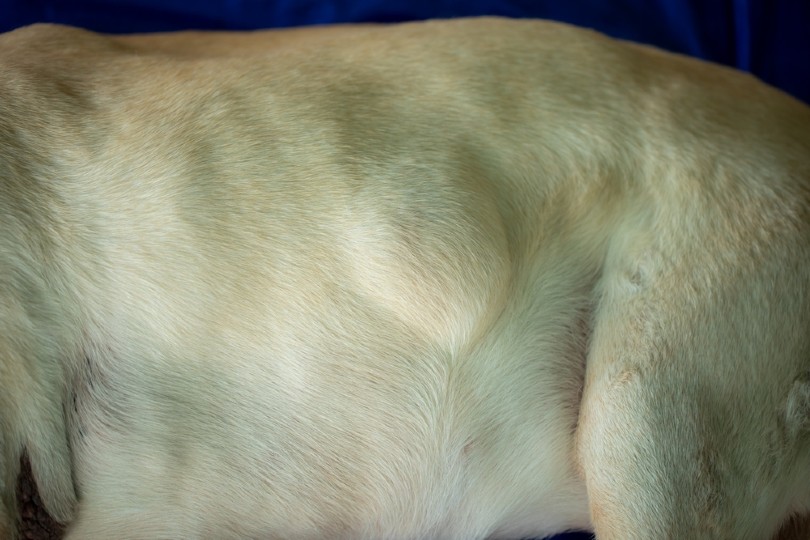
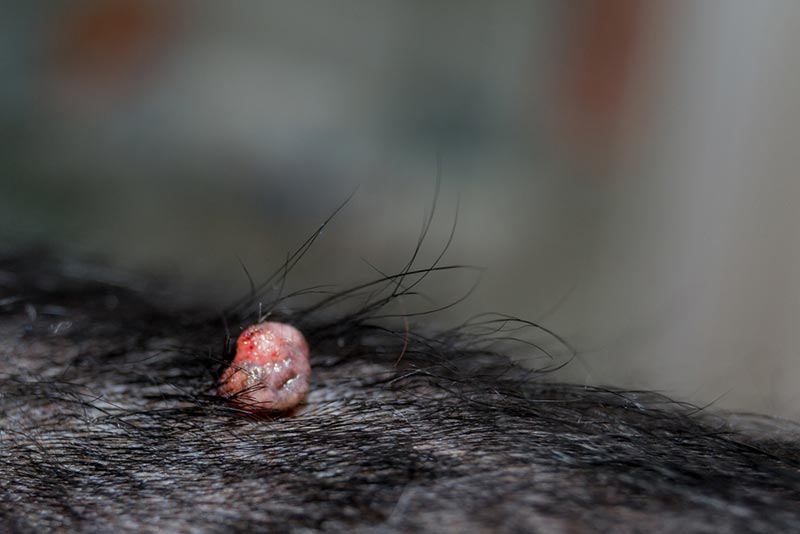
Soft tissue sarcomas include several subtypes of tumors that develop in the nervous, muscular, or connective tissues of dogs. Basically, they are found under the skin and may originate from various tissues. These tumors can appear in multiple areas of your dog's body, such as the back, chest, side, face, or legs.
Of the types of skin cancer that can occur in dogs, soft tissue sarcomas represent approximately 15%. The most common subtype of soft tissue sarcoma in dogs is fibrosarcoma.

What Is Soft Tissue Sarcoma in Dogs?
Soft tissue sarcoma is a type of malignant cancer that develops in the soft tissues of the body, including:
- Muscles
- Fat
- Blood vessels
- Nerves
- Tendons
- Joint linings
These soft tissues surround and support the body's organs. Most dogs diagnosed with soft tissue sarcoma are treated with surgery if the tumor has not spread to other parts of the body (i.e., if it has not metastasized). More aggressive sarcomas are more difficult to treat.
There are several subtypes of soft tissue sarcoma, such as:
- Fibrosarcoma — derived from fibrous tissue
- Lymphangiosarcoma — derived from lymphatic vessels
- Hemangiosarcoma — derived from blood vessels
- Liposarcoma — derived from adipose tissue
- Myxosarcoma — derived from fibrous connective tissue
- Leiomyosarcoma — derived from smooth muscle
- Rhabdomyosarcoma — derived from skeletal muscle
- Synovial sarcoma — derived from the connective tissue lining the joint cavities and tendon sheaths
- Undifferentiated sarcoma
Soft tissue sarcoma has the potential to spread in the body (to metastasize). This potential can be determined by histopathological examination, which will show the grade of the tumor. Grade I and II (low-grade) tumors have a low rate of spread, while grade III tumors have a higher rate.
What Are the Signs of Soft Tissue Sarcoma in Dogs?
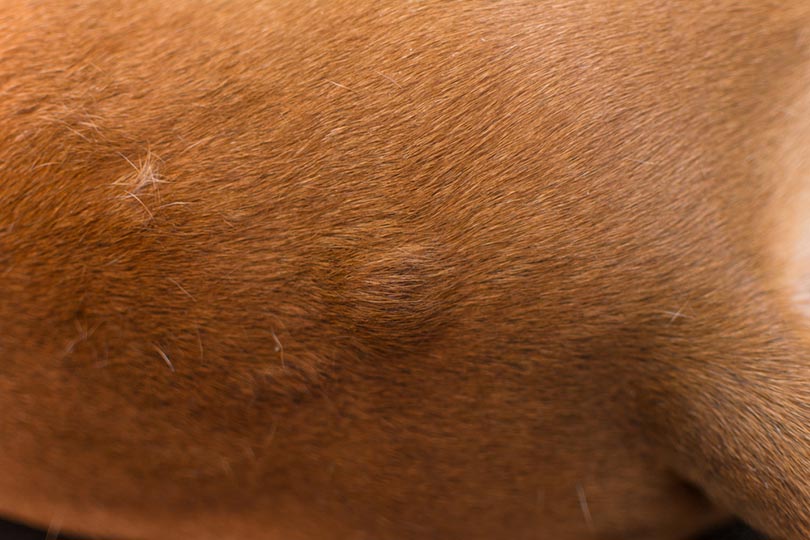
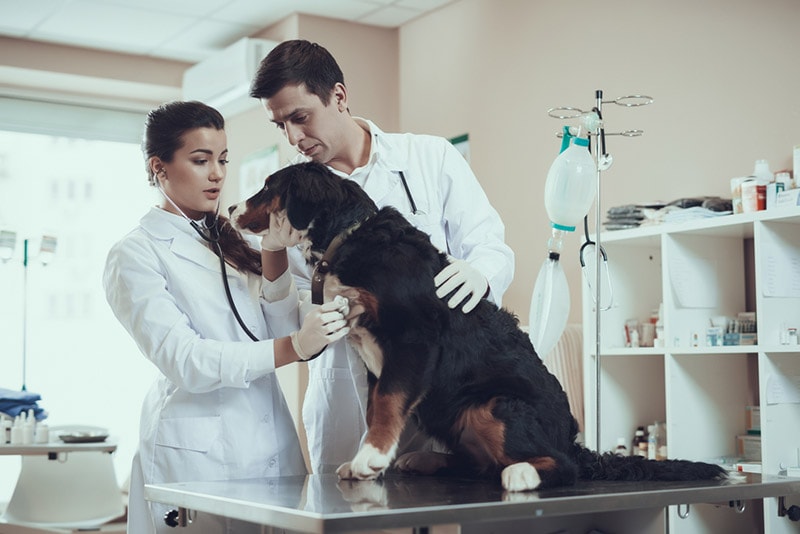
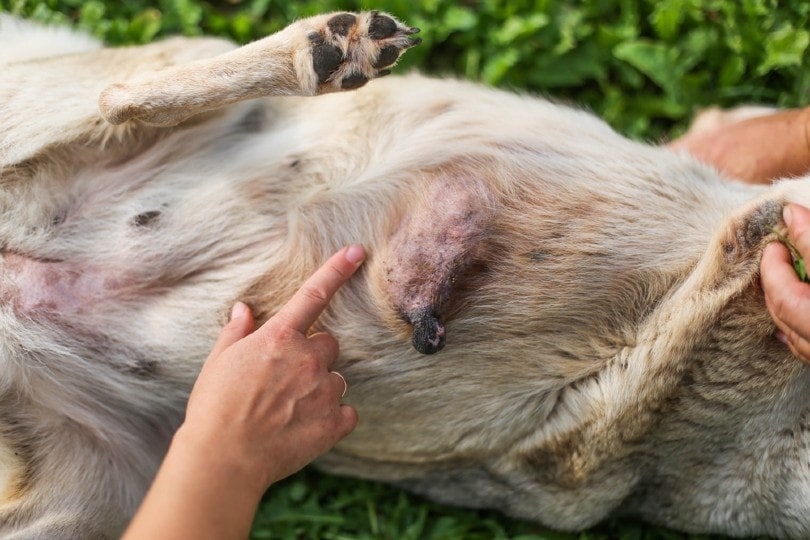
The most common clinical sign for dogs with soft tissue sarcoma is a visible mass under the skin that increases in size. However, many of the other clinical signs depend on the affected tissues and the region where the tumor develops.
Clinical signs of soft tissue sarcoma in dogs may include:

What Are the Causes of Soft Tissue Sarcoma in Dogs?
In general, regardless of the type of tumor, there is no exact cause for its development. Most of the time, it is a combination of environmental and genetic (hereditary) factors.
Soft tissue sarcomas usually occur in middle-aged dogs as a solitary mass, which often goes unnoticed by owners for a long time (usually until the tumor grows). Purebred and male dogs are more prone to developing soft tissue sarcoma than female and crossbred dogs.
These tumors are considered minimally invasive, which means they are unlikely to metastasize (spread to other organs and tissues). If they do metastasize, the most preferred areas include the lungs and lymph nodes.
How Are Soft Tissue Sarcomas Diagnosed?
Most soft tissue sarcomas can be diagnosed through fine needle aspiration. This involves using a fine needle syringe to extract cells directly from the tumor. The sample aspirated into the syringe is placed on a microscope slide, which is then stained and examined under a microscope by a pathologist. If the doctor cannot make a definite diagnosis, they will recommend a biopsy, which involves the excision of the tumor and sending the excised piece to the laboratory to be examined. This diagnostic method can also tell how aggressive the tumor is and how prone it is to metastasis. Depending on these elements, the veterinarian will be able to determine the treatment.
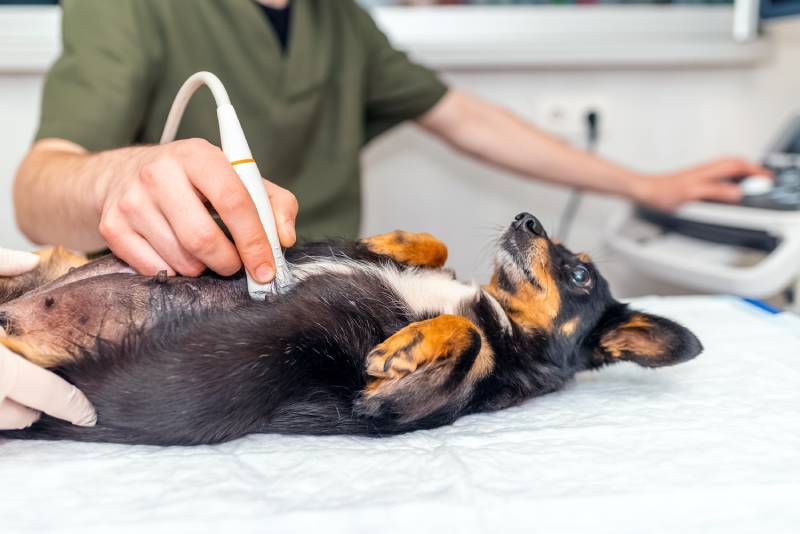
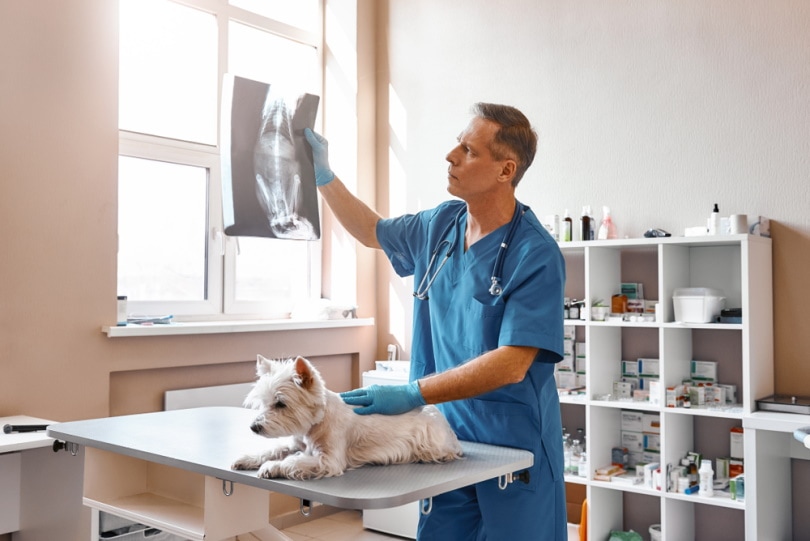
In addition to these laboratory tests, X-rays, ultrasounds, blood work, and other tests can be recommended.
What Is the Treatment for Soft Tissue Sarcoma?
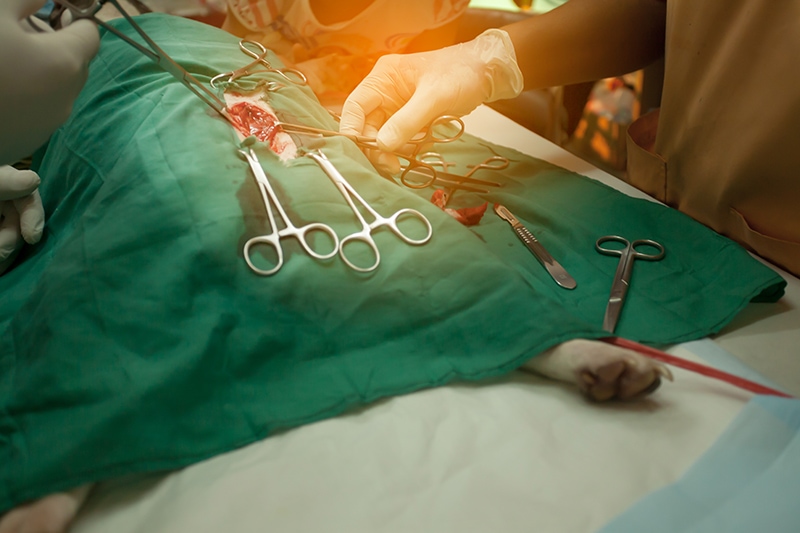
The surgical excision of the tumor is the most frequently recommended treatment for soft tissue sarcomas. If the tumor is not excised with wide margins and small (even microscopic) fragments are left behind, the chances of recurrence increase.
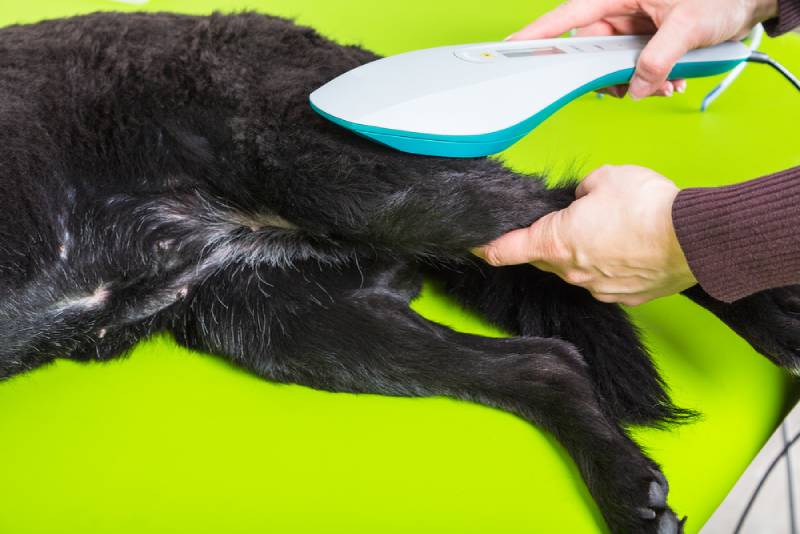
Depending on the location and grade of the tumor, the veterinarian may also recommend radiotherapy or chemotherapy. However, chemotherapy is not used as primary treatment, usually being recommended after the surgical excision of the tumor.
How Do I Care for a Dog With Soft Tissue Sarcoma?
What you can do to take care of your dog diagnosed with soft tissue sarcoma is to:

Frequently Asked Questions (FAQs)
Can a Dog Survive Soft Tissue Sarcoma?
The survival time of dogs with soft tissue sarcoma depends on the grade of the tumor. The prognosis is generally good for low-grade sarcomas, with a survival time of 2–4 years. For soft tissue sarcomas with a high grade, the survival time can be less than a year, even if aggressive treatment is used (for example, surgical excision and chemotherapy).
When Should I Consider Euthanizing My Dog With Sarcoma?
Euthanasia can be considered when your dog shows signs of suffering, discomfort, and pain. The most common clinical signs that your dog may be suffering are breathing with difficulty, short and shallow breaths/long and deep breaths, lack of appetite, weight loss, and depression (your dog stops grooming, lies down all the time, etc.). Always talk to your veterinarian before making such a decision.

Conclusion
Soft tissue sarcoma is a malignant cancer that can spread to other organs and tissues in rare cases. However, the survival time is 2–4 years for low-grade sarcomas and up to 1 year for high-grade ones. Clinical signs depend on tumor location. If your dog has a lump under the skin, take them to the veterinarian for an evaluation.
Featured Image Credit: Friends Stock, Shutterstock
Get Hepper In Your Inbox


Pet care tips from our vets and experts, straight to your inbox.
You may opt-out at any time. View our Privacy Policy for more information.
Iulia Mihai is a veterinarian with more than 13 years of experience in pet pathology, laboratory, and cancer. She studied at the University of Agronomical Sciences and Veterinary Medicine of Bucharest, Romania Iulia earned a master’s degree in equine and pet pathology and studied epithelial cancer for her Ph.D. Dr. Mihai's passions for internal medicine and parasitology inspired her to volunteer at the faculty’s clinic in her third year of college. She has worked in a couple of veterinary clinics over the years as an internal medicine specialist, and loves to write and educate pet parents about pet nutrition, behavior, and diseases.
Iulia is a passionate veterinarian with a strong affinity for veterinary parasitology, internal medicine, and laboratory. She is excited to share her experience and knowledge with pet owners around the world through her writing and hopes to educate people on pet nutrition, diseases, and behavior.
Education
Iulia graduated from the University of Agronomical Sciences and Veterinary Medicine, Bucharest, Romania, in 2012 and has a Master’s degree in Small Animals and Equines Pathology and is certified in HAACP food safety system implementation. Iulia started her Ph.D. in epithelial cancer in dogs and cats in 2013. Her research is published in national and international veterinary journals.
Experience
Dr. Iulia has been a veterinarian for more than 14 years. She is experienced in animal pathology and laboratory and has experience with exotic animals, such as pet rats and ferrets. She also has skills in the field of clinical pathology, laboratory, microscopy, cancer, and imaging.
Join the conversation
Ask a question, share your story, or send private feedback.