Hepper is reader-supported. When you buy via links on our site, we may earn an affiliate commission at no cost to you. Learn more.
How to Paddle Board With a Dog - 12 Expert Tips

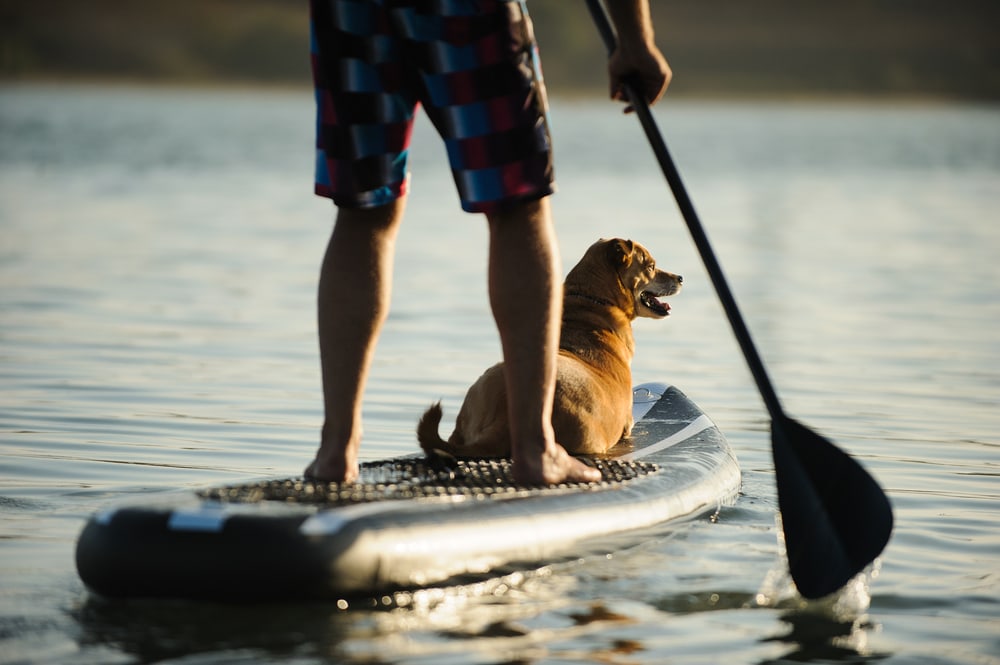
Social media is filled with picturesque scenes of people paddle boarding with their dogs. The dogs look happy, the people look cool, and the scenery is beautiful. These pictures can make some people want to run out and jump on a paddle board with their dog. But it is not as simple as that. Paddleboarding with a dog is tricky and can take some time to master. Dogs need specific training, and you will need specific gear before you go. Given some time and practice, you, too, can paddle board and snap excellent pictures with your dog. Here is everything you need to know about paddle boarding with a dog.

The 12 Tips to Go Paddle Boarding with Your Dog
1. Choose the Right Board
One of the first and most important steps for paddle boarding with a dog is getting the right board. If you plan on taking your dog stand-up paddle boarding (SUP), you should ensure that you have a board large enough for both you and your dog. Larger boards are typically more stable and offer more room for your dog to stand or lie down.
Most experts suggest getting a board that is at least 10 feet long and 32 inches wide. That will offer the most stability and room for both you and your dog. If you don’t have a board that size, you might want to consider upgrading to a larger board before taking your dog out on the water.
2. Invest in a Personal Floatation Device (PFD)
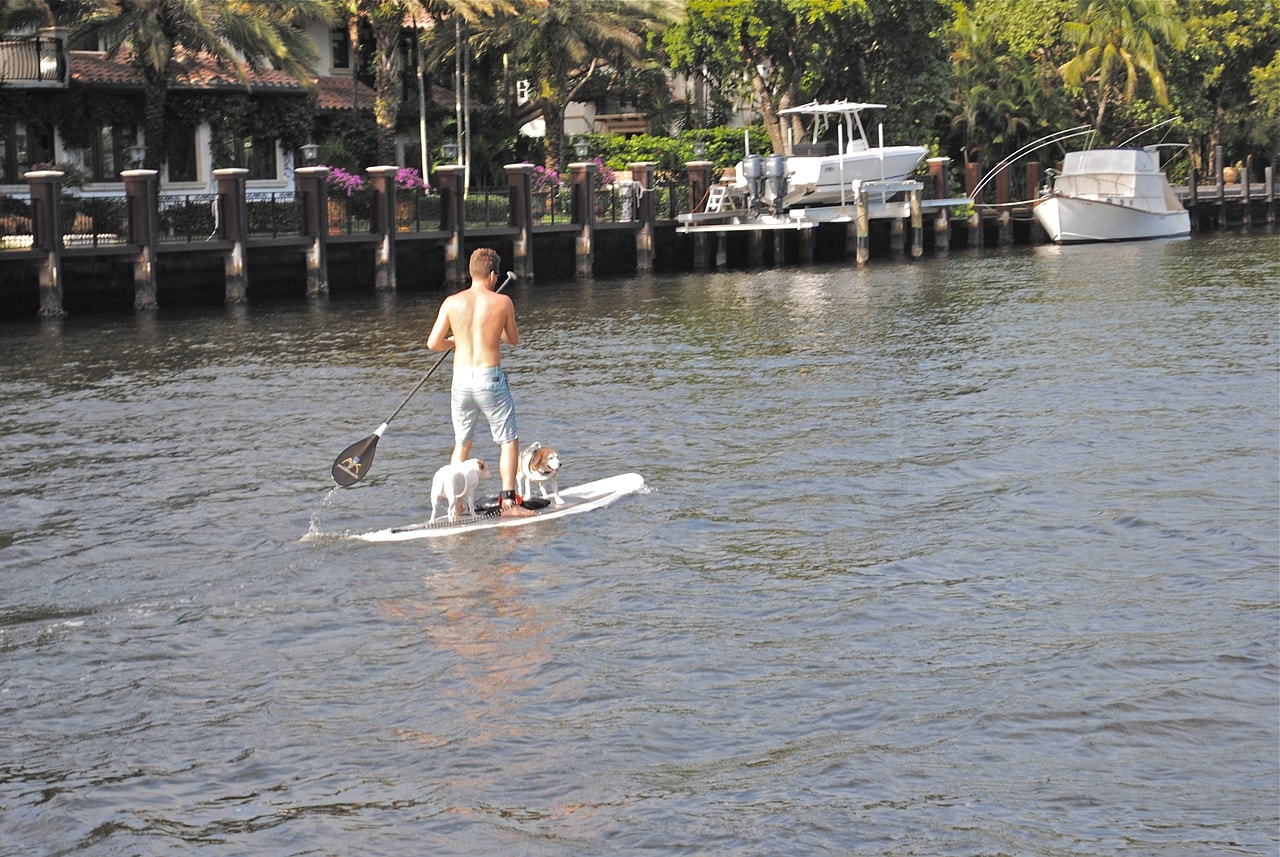
Make sure that both you and your dog have a personal floatation device or lifejacket. Most dogs can swim, but it is important that they have their own PFD to help them stay above water in case they fall or jump off the board or tire out while swimming. A PFD is very important for health and safety when out on the water for both you and your dog.
3. Add Grip
Many stand up paddle boards are slick on the top or only have a small area of grip for human feet. You will want to get a board that has a full deck mat or an extended deck mat. These boards will have a larger area of grip to keep your dog steady. If you do not have enough grip your dog can easily go sliding into the water if you hit a wave or a bump. You might need to add grip to your board so that your dog is nice and secure. You can use items like bath mats, yoga mats, and towels to add grip to the top of your paddle board. Grip is important for your dog when they are out on the water to stay in place and feel secure.
4. Experienced Paddle Boarders Only
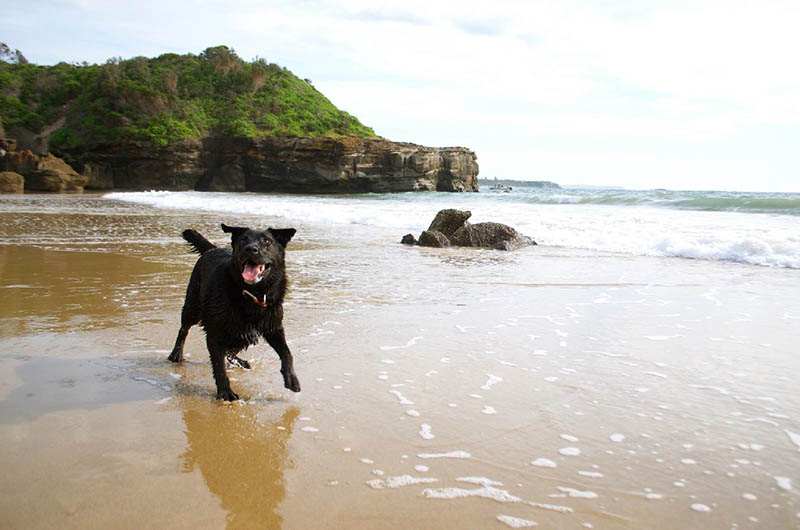
Before attempting to take your dog paddle boarding, you need to make sure that you are experienced out on the water. Paddle boarding can be tricky for a single person to master, much less a person with a dog. Taking a dog paddle boarding is for experienced paddle boarders only. If you are a beginner, novice, or hobbyist, you should avoid taking your dog out until you get more skills and experience. You need to have mastered every aspect of your board, encountered a variety of different situations, and make sure you are able to stay out on the water for long periods of time on your own before bringing a dog.
5. Master Basic Commands
Any time you take your dog out on the water, you need to make sure they have a mastery of a series of basic commands. Dogs need to be able to stay, come (recall), stop, and leave it. These commands will help keep your dog safe and keep the situation under control. Dogs need to be able to stay in one spot on the board when on the water. Dogs also need to be able to come back, especially if they fall or jump into the water. If your dog does not respond to basic commands, it can be hard to control them on the board and be hard to get them back on the board if they fall off.
6. Introduce Your Dog and Board
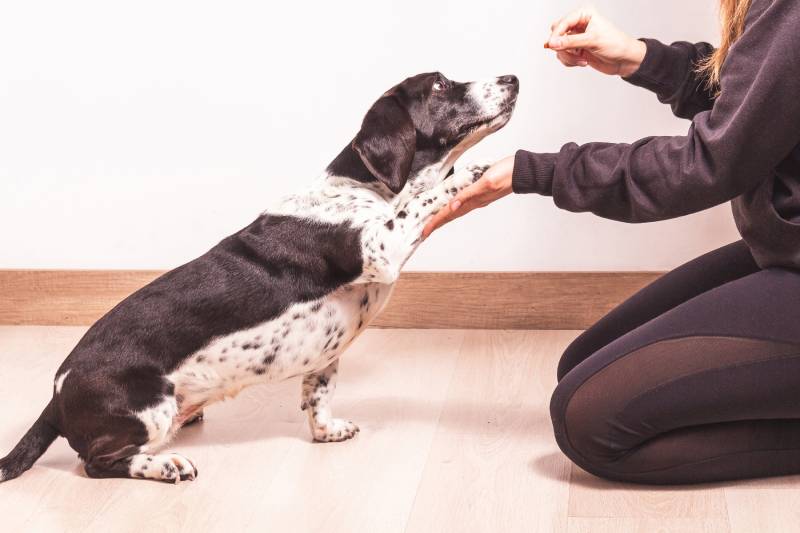
Getting your dog comfortable with your board is very important. In order to facilitate this, you should introduce your dog to your board in a number of different places. The first thing you should do is get your dog to walk over the board while it is flat on dry land. You can use treats to get your dog to stay, sit, and stand on the board. Make sure the dog is not scared of the board and that they know they can stand on it and climb on it. It is important to acquaint your dog with the board before you try to take them out on the water.
7. Do Small or Dry Runs First
Doing small and dry runs with the board is important. If you have access to a pool, pools are a great way to practice with your dog. A pool offers a small, contained space to practice. You want your dog to be able to swim to the board, jump onto the board when it is in the water and be able to stand on the board. These are important things to master before taking your dog out on a real run.
You want small dogs to sit or stand on the nose of the board. Larger dogs should be able to stand in the center of the board near your feet. Make sure you are comfortable with the balance and find the best spot for your dog on the board.
8. Make Sure Your Dog Can Recall and Get Back on the Board
You also want to make sure that your dog will come back to the board. Again, a pool is a great place to practice this. You should be able to call your dog from the board and have them come back. Practice helping them back onto the board. Your dog should understand that the board is the place to be when on the water and that they need to come back.
9. What to Bring
When paddle boarding with your dog, you should always bring these items that are important to having a safe and successful trip.
Getting a waterproof bag or backpack and packing it with the necessities is a good way to keep everything together and can help you remember everything before going out.
10. Be Patient
You should be patient with yourself and your dog when paddle boarding. The training and the quirks of being on the water can take time to settle in. You might not be able to master the balance or the stamina requirements of paddle boarding with a dog right away. Patience is key to keeping you and your dog calm. Paddle boarding with a dog is more difficult than kayaking or canoeing, and it might take longer to master. If you are persistent and stick with it, you will eventually nail it.
11. Be Aware of Hazards
It is important to stay vigilant while you are out on the water with your dog. You need to be aware of passing boats, local wildlife, the weather, and the water conditions. You don’t want your dog leaping into the water after a bird or a boat. You also don’t want to be caught on the water in a storm or in bad weather. Being aware of your surroundings and potential hazards is very important to keeping you and your dog safe.
If you are paddle boarding on saltwater, your dog might try to drink salt water if they are thirsty. Be aware of this and keep an eye out. You do not want your dog drinking too much salt water. You should always have fresh water available to give them if your dog starts getting too hot or thirsty.
Make a plan in case of emergencies or bad weather. Always know how to get back and keep an eye on the fastest way to get to shore.
12. Practice
Practice, practice, practice. Paddle boarding with a dog can be tricky. You likely won’t master it in one try or even a few tries. It will take time for your dog to get used to the board, it will take time to learn how to paddle and navigate with your dog on the board, and it will take time to build up some stamina and trust when on the water. When you first start out, you should practice near the shore or in shallow water so that you can control the situation better. If you stick with it, you will eventually get the hang of all the basics and be sailing around like a pro. But until then, it will take patience and practice.

Conclusion
Paddleboarding with a dog requires patience, practice, and training. Dogs need to get used to the water, you need to get used to the board with your dog on it, and you need to have the correct gear. Your dog will need a lifejacket, and your board will need a proper grip. Once you master all of these tips and tricks and with some practice, you can start cruising your local waterways with your furry friend.
Sources
Featured Image Credit: everydoghasastory, Shutterstock
Get Hepper In Your Inbox


Pet care tips from our vets and experts, straight to your inbox.
You may opt-out at any time. View our Privacy Policy for more information.
Grant is a freelance writer with years of experience writing about a diverse range of topics. His days are spent writing and caring for eight animals (two horses, two donkeys, two goats, and two dogs). In his free time he enjoys slowly carving out a quaint hobby farm from the Southern scrub. He currently lives in his native Florida with his wife and son.
Join the conversation
Ask a question, share your story, or send private feedback.