Hepper is reader-supported. When you buy via links on our site, we may earn an affiliate commission at no cost to you. Learn more.
Homemade Toothpaste for Dogs: Safety Concerns Explained (Vet Answer)
In this article
Have you ever heard of dentifrice? It’s another name for toothpaste! While it may seem harmless to use homemade or human toothpaste on your dog to brush their teeth, there are actually some safety concerns to consider that one may not be aware of. Here, we will discuss the overall importance of brushing your dog’s teeth and explore some safety concerns with not using a specifically formulated dog toothpaste.
We will also go over what one should look for when selecting dog toothpaste.

The Importance of Dental Care
While this article is primarily about dog toothpaste, the importance of discussing overall dog dental health can’t be avoided. After all, toothpaste is just a tool in the overall goal of a healthy dog mouth. Did you know that at least 80% of dogs over the age of 3 have advanced dental disease that needs veterinary attention?
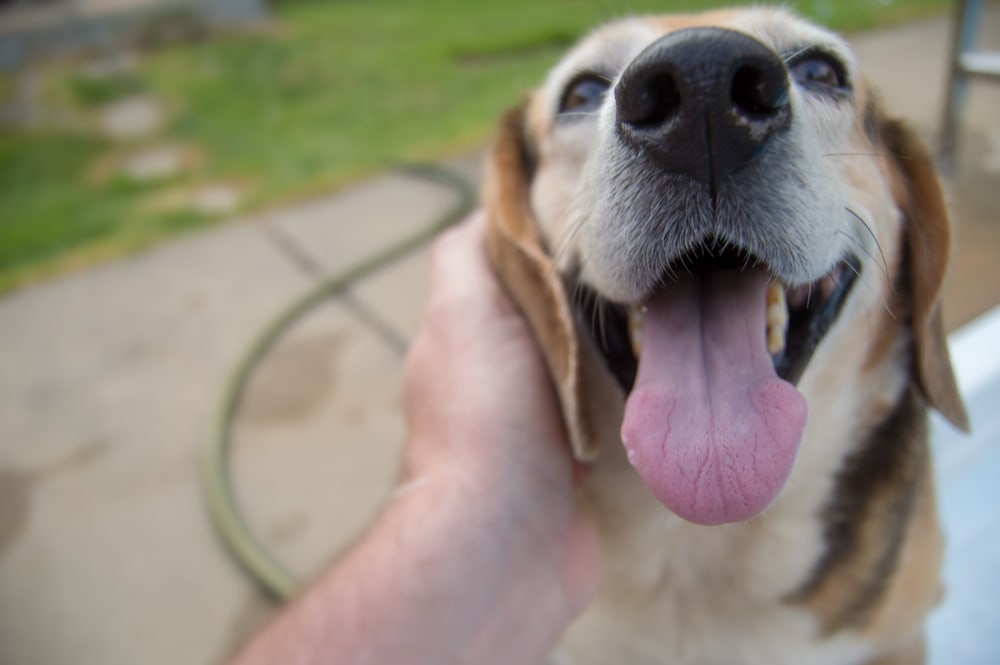
Periodontal disease is a disease that is around or outside the tooth caused by plaque. Plaque is a sticky film that consists of bacteria that attach to teeth. Combined with saliva and food particles, this spells trouble for your dog’s teeth if it’s not brushed away or removed. Plaque eventually mineralizes into hardened tartar (also called calculus). The bacteria in plaque can take over a clean tooth in 24–36 hours. And so, over time, un-removed plaque can cause inflammation, damage to the gums, pockets created in between the tooth and gum, loss of tooth attachment, tooth loss, damage to the surrounding bone, and pain.

Prevention
So, why does this even matter? First, having periodontal disease can be painful and detrimental to your dog’s oral health. Furthermore, bacteria in the mouth can move through your dog’s bloodstream and affect other organs such as the heart or kidneys. Plaque actually does much more than give your dog bad breath or be unsightly; it can wreak havoc on their body as well.
If plaque is prevented from hardening into a layer over the teeth, we can slow or prevent periodontal disease from ever taking root. The best way to prevent and treat this disease is two-fold, with both courses of action working together to provide optimum oral health for your dog. The first step is for one’s dog to have regular oral exams with a veterinarian (including dental cleanings as indicated), and the second step is for a dog owner to provide daily home dental care to their dog. The scaling and polishing of dental cleaning under anesthesia allows for all surfaces of the tooth, including under the gumline, to be evaluated and treated. This sets a clean stage for home dental care, which keeps the plaque at bay on a day-to-day basis. Without home dental care, and within days of a veterinarian cleaning the teeth, the deposit of plaque and calculus begin again and the cycle towards periodontal disease begins anew.
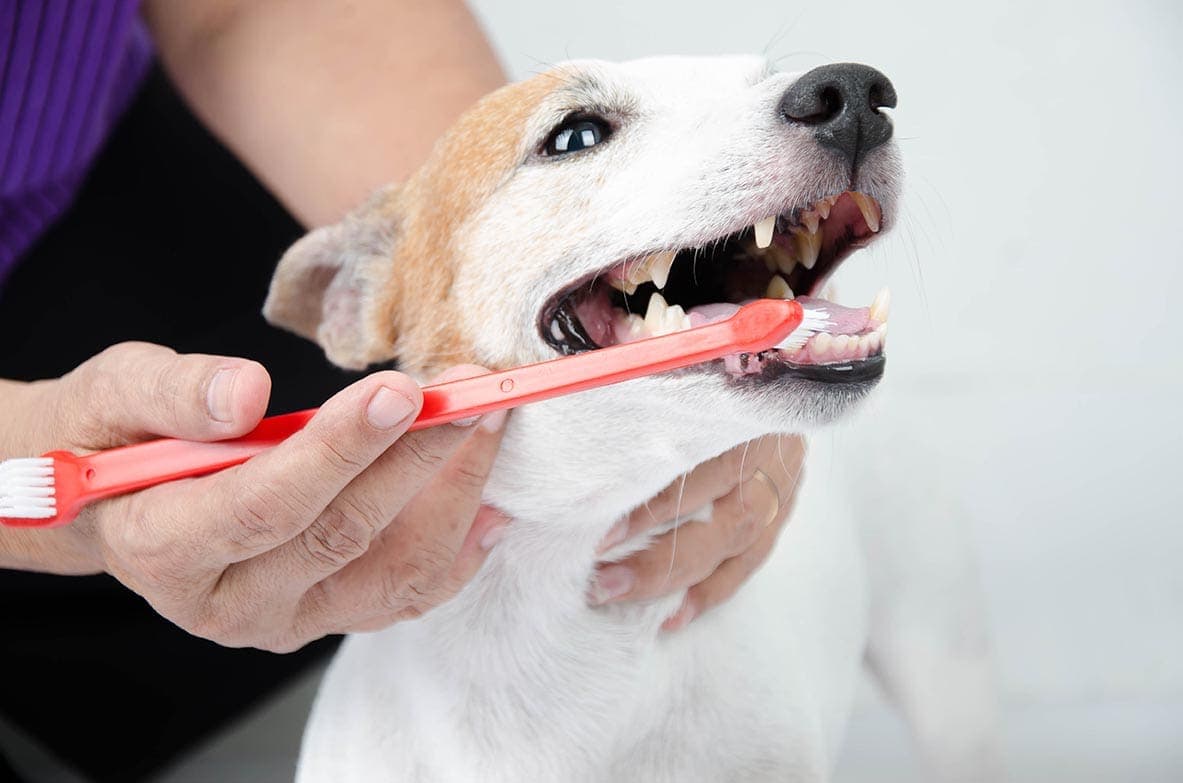
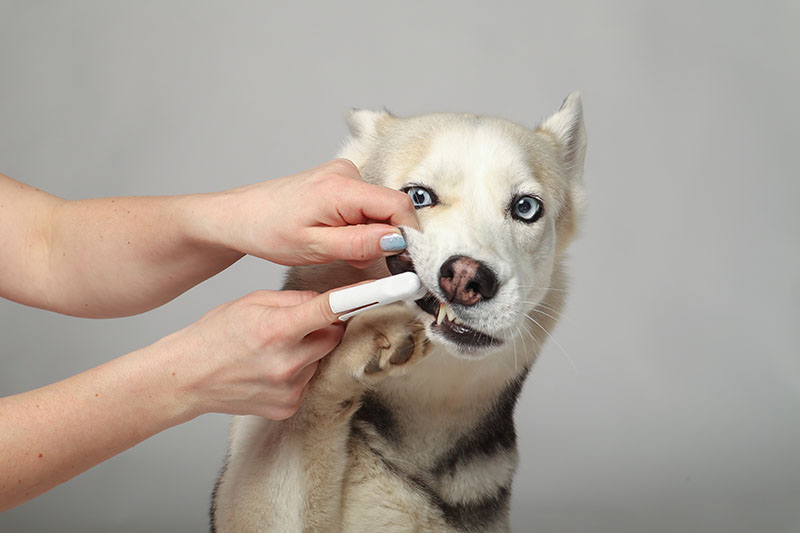
The best or “gold standard” way to disrupt and remove this layer is with mechanical brushing with a soft-bristled toothbrush and veterinary toothpaste, ideally every 24 hours. There are also many other home dental options (with varying degrees of effectiveness) including dental diets, dental chews, teeth wipes, water additives, etc. Your veterinarian can help teach you or provide resources for correct brushing techniques as well as help you come up with a plan to encourage your dog to allow their teeth to be brushed. If the gold standard is not an option, they can also help you find the next best solution with other home dental options.
Safety Concerns with Homemade & Human Toothpaste
Some may attempt to use homemade or human toothpaste when brushing their dog’s teeth. Either of these options can be harmful to use for our canine friends.
Some ingredients commonly used in homemade or human toothpaste are dangerous to canine health.
A few are listed below:
One thing about homemade toothpaste that’s important to note is there are no studies or research backing homemade toothpaste recipes. The lack of scientific studies on this topic is notable because, in veterinary medicine, we aim to be grounded in science, medicine, and research. If there aren’t studies showing that something is safe to use on one’s dog, one may not want to make their pup the subject of experimentation.
If it’s not coming from a reputable veterinary source, veterinary dentist, or veterinary nutritionist, it may not be worth experimenting with. These specialists spend their entire careers trying to do what is best for our pets. In my research and discussion of this very topic with multiple board-certified veterinary dentists and a veterinary nutritionist, none of them had any recommendations for at-home dog toothpaste recipes. The absence of information is still information!

What Should One Look for with Dog Toothpaste?
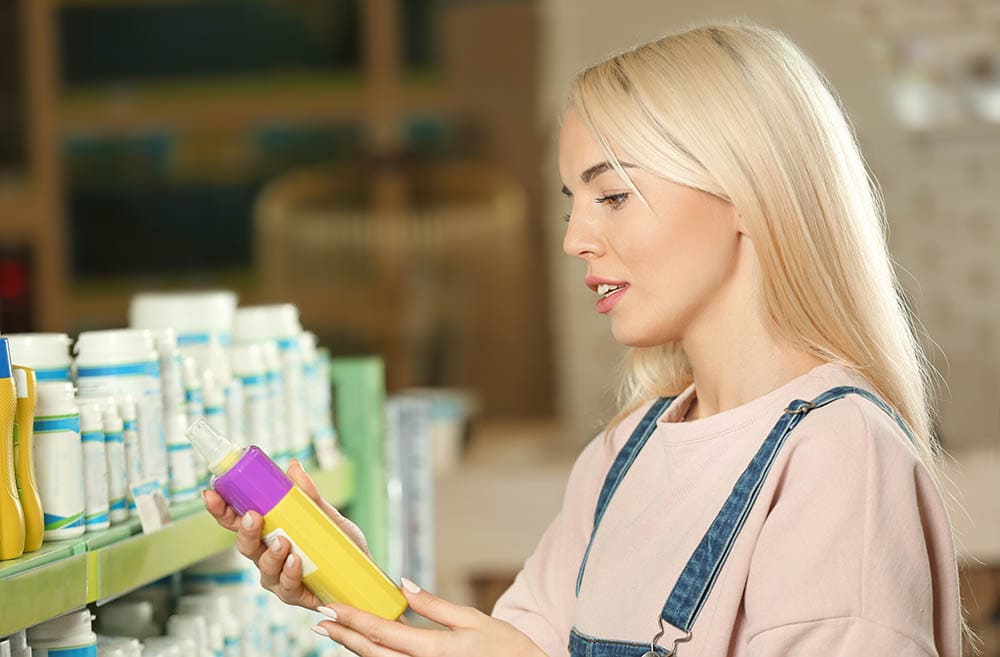
A dog’s toothpaste should ideally meet a few key criteria.
If a dog owner is not interested in commercial toothpaste for whatever reason, they can actually use just water with the toothbrush. Again, it is the mechanical brushing action that is the most important factor, coupled with the frequent routine, that are together paramount in periodontal disease prevention. With that being said, having a flavored toothpaste the dog loves may help keep them motivated, excited, and on board with the process.
When in doubt, reach out to your dog’s veterinarian or a board-certified veterinary dentist. Another great resource for pet dental products is from a group of veterinary dentists called the Veterinary Oral Health Council (VOHC). They only recognize products that show, via their research standards, products that reduce or slow plaque to a certain standard of efficacy and thus are given a VOHC seal of approval.
Conclusion
Who knew that toothpaste used in dogs could be so detrimental or helpful depending on the ingredients it contains? Non-vet-approved toothpastes can potentially be a health concern so sticking with those approved by veterinarians or even using plain water can still help you achieve the brushing action needed to keep your dog’s teeth (and mouth) as healthy as possible!
Featured Image Credit: Pixel-Shot, Shutterstock
Get Hepper In Your Inbox


Pet care tips from our vets and experts, straight to your inbox.
You may opt-out at any time. View our Privacy Policy for more information.
Dr. Rachel Ellison has worked in veterinary medicine for over a decade and loves teaching and helping others (animal and human), preventative medicine, and preserving the animal-human bond. She received her bachelor's degree in Zoology at Miami University (Oxford, Ohio) and then her Doctor of Veterinary Medicine at The Ohio State University in 2013. Dr. Ellison lives on a mountain in Utah with her husband, daughter and son, as well as their animal menagerie— a Bernese Mountain Dog, an orange tabby cat, and a Bengal/Siamese mix, as well as numerous chickens. During her free time you will find her with those she loves, cooking and baking, reading, hiking, and exploring nature and the world around her.
Dr. Rachel Ellison has worked in veterinary medicine for over a decade. She lives on a mountain in Utah with her husband, daughter, and son, as well as their animal menagerie— a Bernese Mountain Dog, an orange tabby cat, and a Bengal/Siamese mix, as well as numerous chickens. During her free time, you will find her with those she loves, cooking and baking, reading, hiking, and exploring nature and the world around her.
Education
Dr. Ellison graduated from Miami University (Oxford, Ohio) with her bachelor's degree in Zoology, and then her Doctor of Veterinary Medicine at The Ohio State University in 2013.
Experience
Over the past decade, Dr. Ellison has learned that she loves teaching and helping others (animal or human), preventive medicine, and preserving the animal-human bond. She has had experience writing both veterinary-related and non-veterinary-related articles for various companies and websites- including Hepper!
Join the conversation
Ask a question, share your story, or send private feedback.