Hepper is reader-supported. When you buy via links on our site, we may earn an affiliate commission at no cost to you. Learn more.
How Accurate Is Cat DNA Testing? Vet Reviewed Facts & FAQ
In this article
If you are passionate about finding out where your cat came from—their unique genetic traits, wild cat index, and predisposed health risks—then a cat DNA test is what you need. Some people are concerned about the accuracy of these tests. However, vets and geneticists have developed many of them, and they're surprisingly accurate.
Most pet DNA tests are relatively accurate, but there haven’t been enough large-scale studies to test exactly how accurate they are. Different companies use different methods when testing DNA, and a reputable laboratory will validate their results.
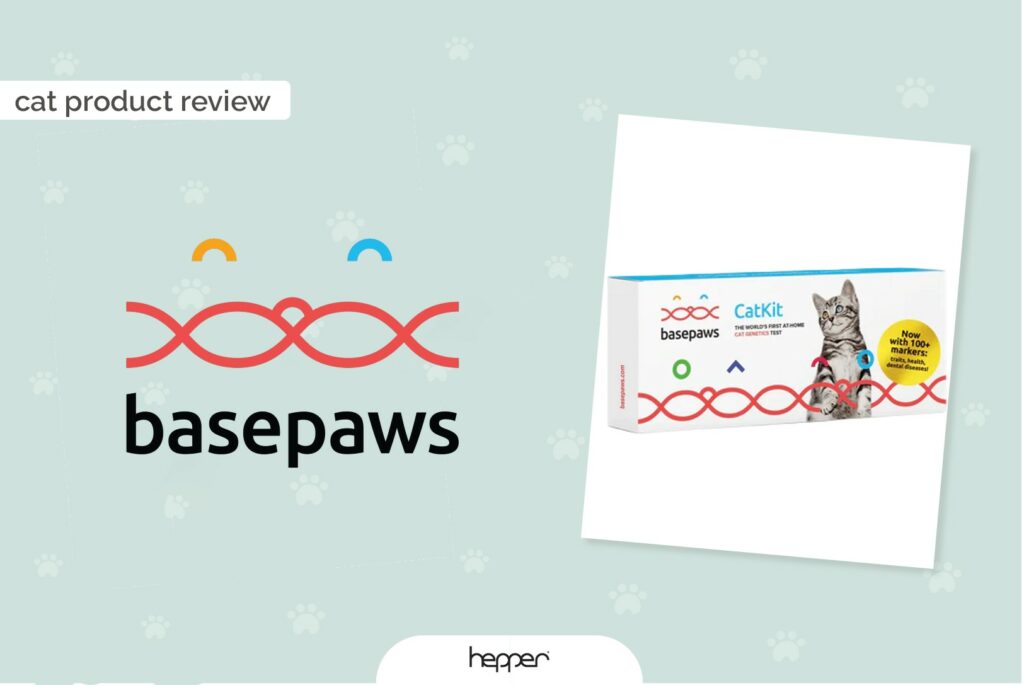
Of course, where you purchase and how much you pay for your at-home cat DNA test will determine the level of accuracy in the results you get back. For the most effective, accurate, and in-depth information, use cat DNA tests that have been developed by recognized and well-supported brands, such as Basepaws and Wisdom Panel.
One thing to remember is that while dog breeds are typically clear-cut due to breeding for certain traits, behaviors, and skills, cats are not. Cat breeds were only identified and developed a few centuries ago. Therefore, there’s a lot more information and data on dog breeds and less on cat genetics.

How Accurate Is a Cat DNA Test?
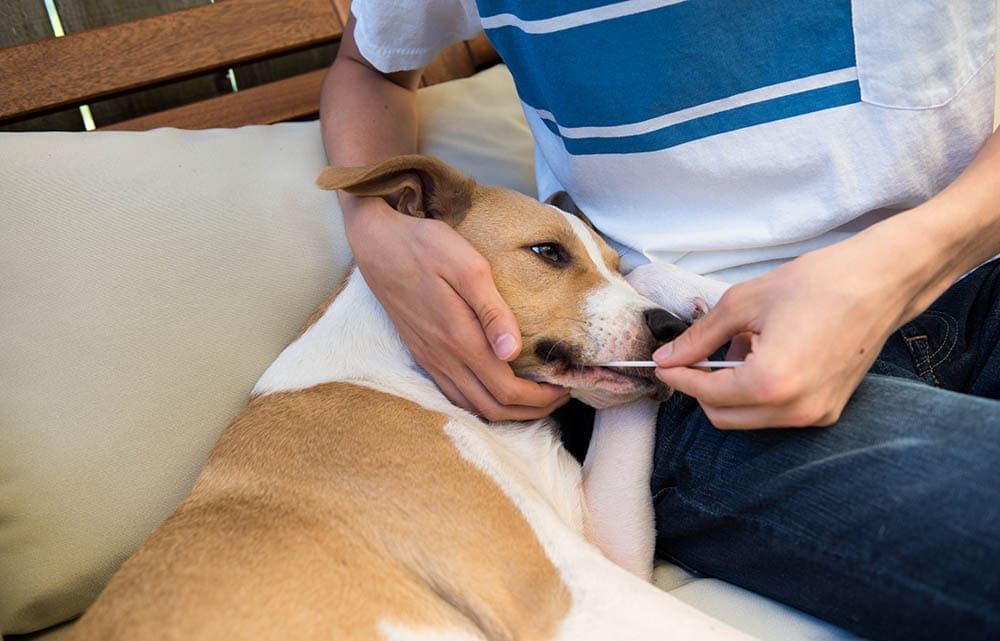
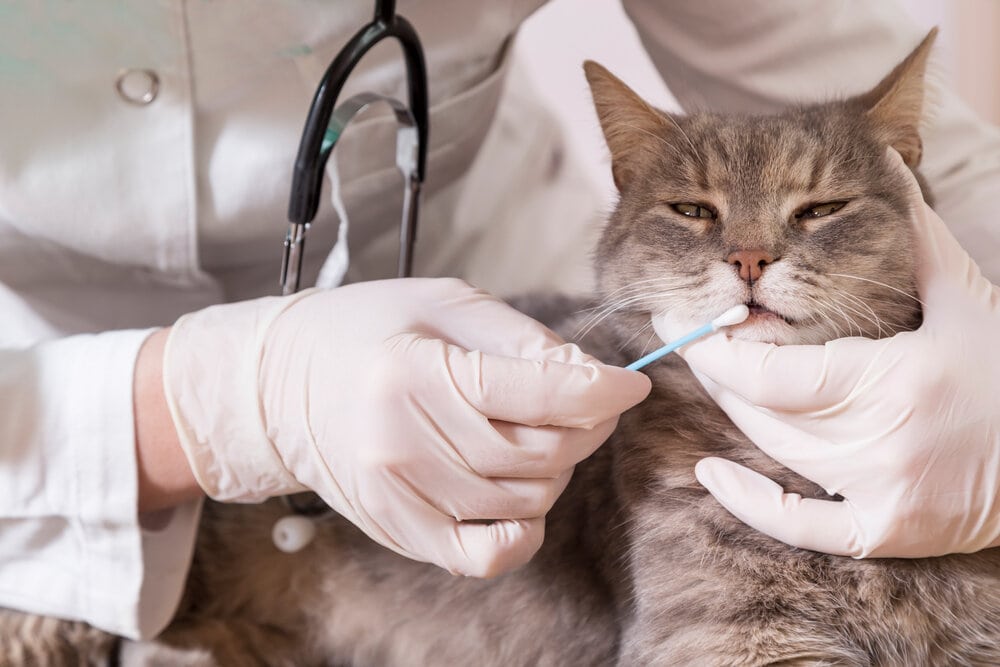
A cat DNA test is an easy, at-home DNA kit that comes with clear and easy-to-understand instructions on the inside of the box. It also comes with a swab that you need to use to collect your cat's DNA by simply rubbing it on the inside of your cat's cheek for around 10 seconds.
Once you've collected your cat's DNA, place the swab into the provided tube and back into the box. Lastly, you'll have to send it back to whichever company you got your kit from, and they'll send it to the lab for processing.
Depending on which DNA kit you bought, you'll receive an in-depth report on your cat's ancestry, traits, health risks, blood type, and wild cat index. The company will compare your cat's DNA with other cat's DNA in their database and provide you with information on the breeds your cat is the most similar to. You may also be able to discuss your cats’ results with the company's veterinarian.
The Wisdom Panel reports being able to give your cats breed make up down to 1%; however, it does not state the accuracy of the health panel for cats. Another website claims it to be 90% accurate.
A cat DNA report can highlight health problems that your cat's genetic makeup is predisposed to, allowing you to discuss with your vet and take the necessary precautions to best care for your cat. Once you know what your cat does or doesn't need, you can adjust their diet and lifestyle accordingly.
Knowing what breeds your cat is made up of will also help you understand why they look or behave a certain way. This test also helps you discover a bit more about your cat if you adopted it, as in these cases, records and information about your cat are often minimal or non-existent.

How to Get the Most Accurate Readings
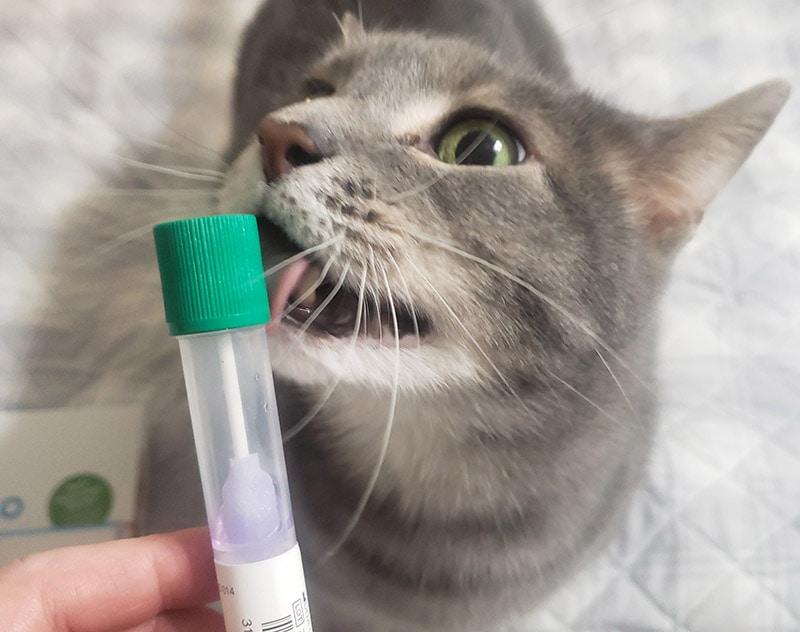
Although a lab processes the DNA and provides you with the results, it's your responsibility to gather enough uncontaminated DNA from your cat's mouth for them to process. Otherwise, the swab may not be usable. Another factor that will prevent you from receiving an accurate report is if the swab gets cross-contaminated with another pet's DNA.
There are a few tips to get the most accurate readings:

Should All Cats Be DNA Tested?
There is no rule that requires all cat owners to DNA test their cats. Many people perform the tests out of curiosity or to uncover health risks that their cat may have or encounter.
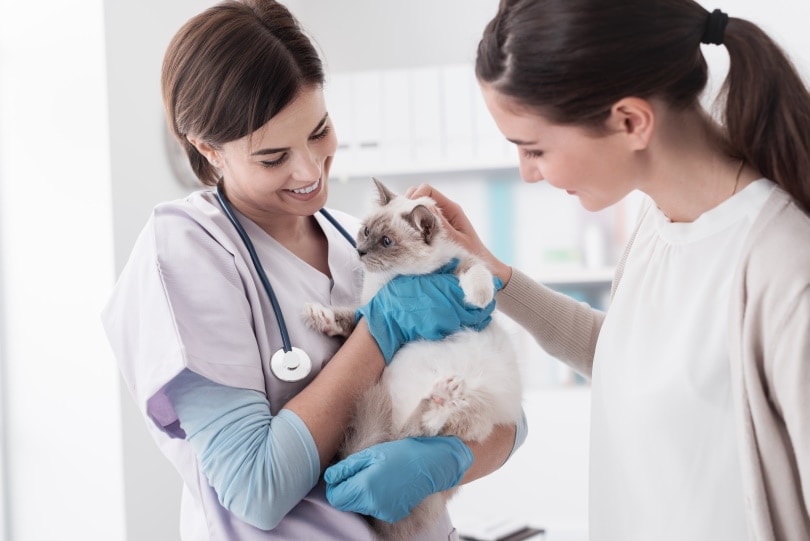
However, many people feel strongly that all cats should be DNA tested. When you buy or adopt a cat, they become your responsibility, including their health. Performing a DNA test on your cat could be vital for their health as it brings awareness to you and the vet regarding their unique health risks, allowing you to care for them appropriately.
But remember these tests are still in their infancy and no large-scale studies are showing the reliability of these tests for disease detection. They are helpful in discovering your cat’s blood type, which may be needed if they become unwell. You're also allowed to change their diet and lifestyle to better suit their medical needs.
Can You Use a Cat DNA Test on Other Pets?
A cat DNA test can be performed on a pedigree or mixed-breed cat by you, a breeder, or a vet.
However, you cannot use a cat DNA test on any other animal apart from cats. This is because the animal's DNA will be compared with the cat DNA in the database, ready to match up and determine the breed it's most similar to. If you use horse DNA on a cat DNA test, for example, it won't match with any of the database's DNA.
Specific DNA test kits are available for dogs, horses, and birds.
Conclusion
Overall, cat DNA testing is mostly accurate. If you buy a DNA test for your cat, you'll be pleased to know a bit of its origin and whether you need to take action to prevent any health risks from affecting it.
DNA testing on your cat is easy to do, but be careful to avoid cross-contamination to get the most accurate results possible. Remember, you can only test one cat at a time, and you cannot use the cat DNA test on any other pet except for a cat.
See Also:
Featured Image Credit: Impact Photography, Shutterstock
Get Hepper In Your Inbox


Pet care tips from our vets and experts, straight to your inbox.
You may opt-out at any time. View our Privacy Policy for more information.

Keri-Beth is from South Africa and is a freelance writer who specializes in the pet niche. She has grown up with a range of pets, volunteered at countless pet shelters, and is highly passionate about pet care. Currently, Keri-Beth is raising two dogs - Benji, the Golden Cocker Spaniel, and Gracie, the Boerboel. With so much information out there, Keri-Beth has made it her mission to make pet care as easy and straightforward as possible.
In her spare time, Keri-Beth enjoys camping, photography, and spending time with her husband, who is a professional drummer. She not only has a heart for pets but people too.
Join the conversation
Ask a question, share your story, or send private feedback.