Hepper is reader-supported. When you buy via links on our site, we may earn an affiliate commission at no cost to you. Learn more.
How Big Do Pomeranians Get? Average Growth & Weight Chart
In this article
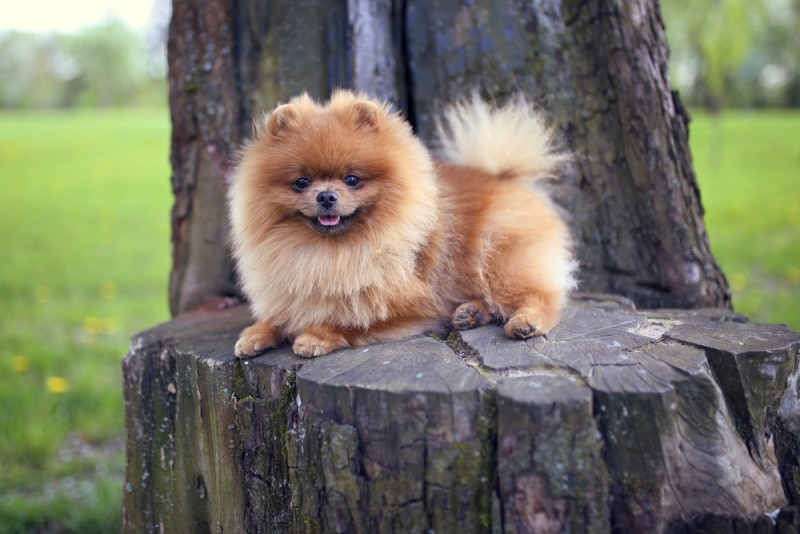
The Pomeranian is what dog lovers refer to as a toy breed due to this canine’s petite size and dainty physique. Their size is just one reason that these dogs have become so popular around the world. They also tend to be happy-go-lucky and lively. They enjoy the company of their human companions and always show their extreme loyalty. They can get along well in both apartment and house settings, but they require daily outdoor exercise no matter what type of housing they live in.
Are you wondering just how big Pomeranians get so you can determine whether they’re the right size for your household and lifestyle? You’ve come to the right place! Pomeranians grow to be between 10 and 11 inches tall. Here, we break down everything that you need to know about the Pomeranian’s size, including a comprehensive growth and weight chart that you can refer to.

The 4 Facts About Pomeranians
1. They’re Named After the Place They Originated From
Pomeranians are named after a place called Pomerania, which is in northern Europe. It’s where the first Pomeranians were developed, before they were exported to other areas of Europe and eventually to other countries throughout the world.

2. They Tend to Bark Frequently
This little dog breed might seem quiet when they are calm and relaxed, but that can change quickly if they hear something strange outside, become suspicious of someone at the door, or get too excited during playtime with the kids. These situations and others tend to make the Pomeranian bark a bit excessively.
3. They Don’t Seem to Know That They Are Small
Pomeranians don’t seem to have a fair perception of their size. They tend to try to roughhouse with bigger dogs as if there is no difference in height and weight. They also protect their family members and guard their households as if they were big German Shepherds. Their size does not seem to phase them under any circumstances!
4. They Can Make Good Therapy Dogs
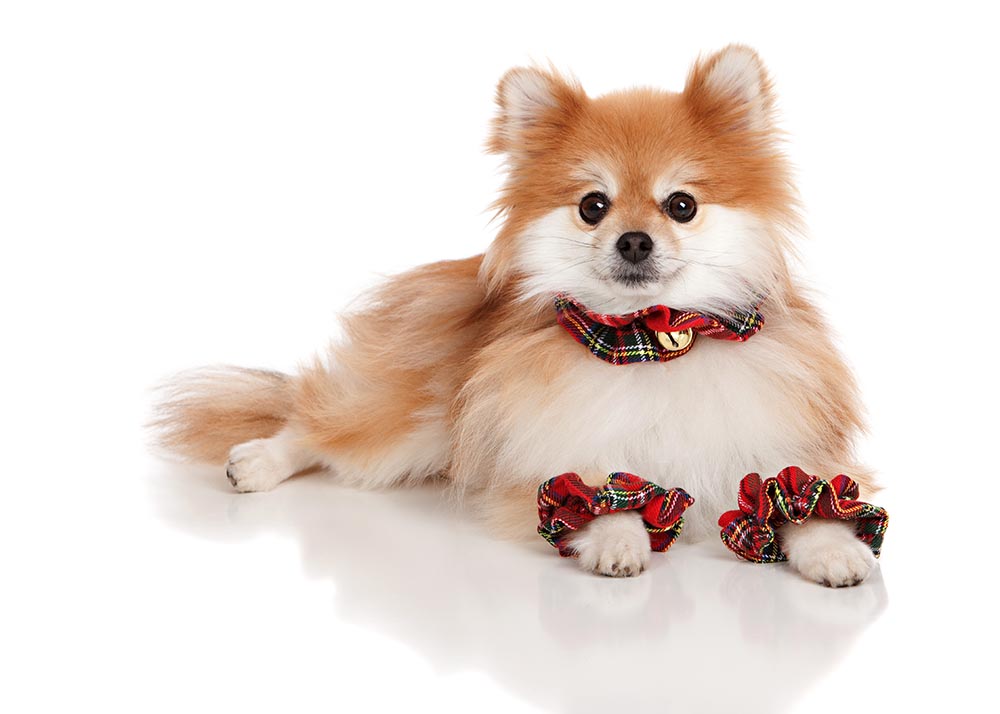
These dogs have been trained to work as hearing assistance companions and therapy canines, helping to improve the quality of life for many seniors and people with disabilities. They are effective at gauging a human’s feelings and guiding them through stressful situations.

Pomeranian Size & Growth Chart
There is only one type of Pomeranian. Unlike the Poodle, for example, they don’t come in multiple sizes. All Pomeranians grow to be somewhere between 10 and 11 inches tall, and don’t weigh more than about 7 pounds as adults. These are tiny puppies that grow steadily until they reach adulthood. Here is a chart that breaks down a Pomeranian’s weight and height at different ages based on weight at birth:
| Weight at Birth | 3 ounces | 3.5 ounces | 4 ounces | 4.5 ounces | 5 ounces | 5.5 ounces | 6 ounces | 6.5 ounces |
| 2 weeks | 6 ounces | 7 ounces | 9 ounces | 10 ounces | 12 ounces | 13 ounces | 14 ounces | 1 pound |
| 4 weeks | 9 ounces | 11 ounces | 13 ounces | 1.06 pounds | 1.18 pounds | 1.31 pounds | 1.43 pounds | 1.5 pounds |
| 6 weeks | 12 ounces | 15 ounces | 1.06 pounds | 1.37 pounds | 1.5 pounds | 1.68 pounds | 1.87 pounds | 2 pounds |
| 8 weeks | 1 pound | 1.18 pounds | 1.31 pounds | 1.68 pounds | 1.81 pounds | 2.06 pounds | 2.25 pounds | 2.43 pounds |
| 10 weeks | 1.18 pounds | 1.37 pounds | 1.56 pounds | 1.93 pounds | 2.12 pounds | 2.37 pounds | 2.56 pounds | 2.75 pounds |
| 12 weeks | 1.37 pounds | 1.62 pounds | 1.87 pounds | 2.31 pounds | 2.56 pounds | 2.81 pounds | 3 pounds | 3.25 pounds |
| 14 weeks | 1.62 pounds | 1.87 pounds | 2.12 pounds | 2.68 pounds | 2.93 pounds | 3.06 pounds | 3.43 pounds | 3.75 pounds |
| 16 weeks | 1.87 pounds | 2.12 pounds | 2.43 pounds | 3.06 pounds | 3.37 pounds | 3.68 pounds | 4.06 pounds | 4.37 pounds |
| 18 weeks | 2.06 pounds | 2.31 pounds | 2.68 pounds | 3.37 pounds | 3.75 pounds | 4 pounds | 4.43 pounds | 4.68 pounds |
| 20 weeks | 2.18 pounds | 2.56 pounds | 2.87 pounds | 3.62 pounds | 4 pounds | 4.37 pounds | 4.75 pounds | 5.06 pounds |
| 22 weeks | 2.31 pounds | 2.68 pounds | 3.06 pounds | 3.87 pounds | 4.25 pounds | 4.62 pounds | 5 pounds | 5.37 pounds |
| 24 weeks | 2.43 pounds | 2.81 pounds | 3.18 pounds | 4.06 pounds | 4.43 pounds | 4.87 pounds | 5.25 pounds | 5.62 pounds |
| Final Adult Weight | 3 pounds | 3.5 pounds | 4 pounds | 5 pounds | 5.5 pounds | 6 pounds | 6.5 pounds | 7 pounds |
Source: pawlicy.com
When Does a Pomeranian Stop Growing
Pomeranians grow a great deal during the first several months of their lives. They typically gain the bulk of their weight and grow most of their height by about 6 months of age. They grow quickly at first and can even double in size between weigh-ins. Their growth starts to slow down as they go through their “teen years,” until you barely notice their growth visually. Even though most of their growing is done by the time that they are about 6 months old, they may continue to gain weight and “bulk up” until they are about 1 year old.
Factors Affecting the Size of Pomeranians
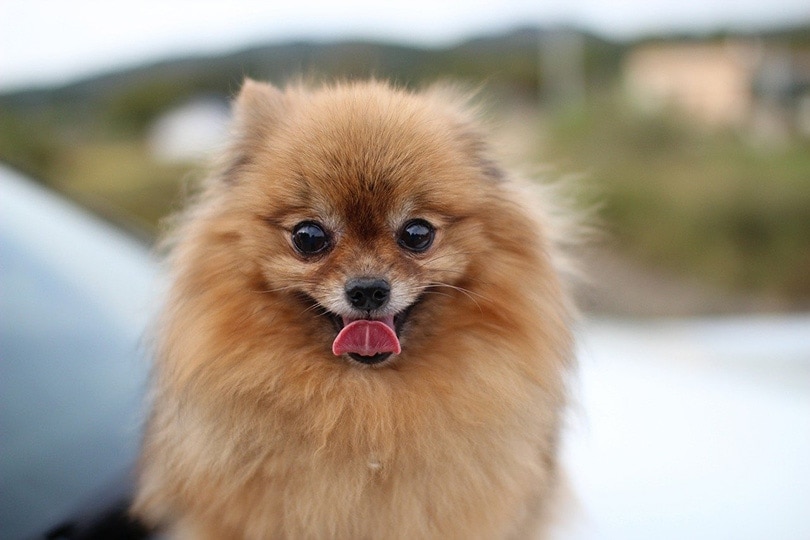
Multiple factors can affect the growth and size of a Pomeranian. First, their birth weight tends to make a significant difference in their adult weight. Whereas some dog breeds can grow to be the same size no matter their birth weight, the less that a Pomeranian weighs when they are born, the more lightweight they are likely to be as adults. For instance, a dog that is 3 ounces when born will likely be about 3 pounds as an adult. However, one that weighs 5 ounces at birth is expected to weigh about 5.5 pounds when fully grown.
Other factors to consider include:
Ideal Diet for Maintaining a Healthy Weight
The ideal diet for a Pomeranian contains all the vitamins, minerals, and antioxidants necessary for a healthy mind and body and supports quick body growth during the first several months of life. They should eat a diet comprised of quality protein, such as real chicken or beef.
We recommend choosing a commercial brand of dog food that is designed specifically for small dog breeds to ensure a proper balance of nutrients. A homemade meal plan is acceptable but should only be created and maintained under the guidance of a veterinarian with animal nutrition experience.
How to Measure Your Pomeranian
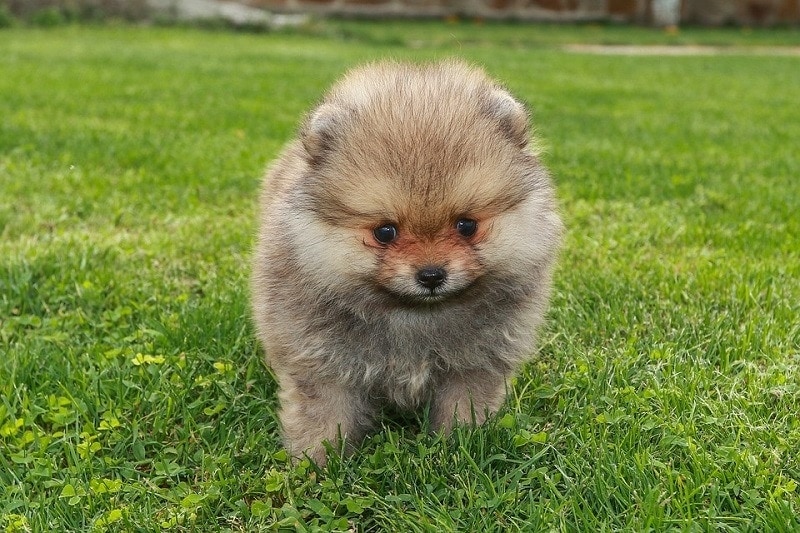
Start by placing one end of a fabric tape measure on the ground, and then move the other end to the base of your dog’s body, where their neck meets their back. This will give you their height measurement. To measure their length, hold the fabric tape measure between the base of their tail where it meets their backend and their neck where it meets their back.

In Conclusion
Pomeranians are small dogs that typically stand under 1 foot tall and weigh under 8 pounds as adults. Hopefully, this comprehensive growth chart makes it easy for you to gain insight into just how big your Pomeranian will be once they reach adulthood. Keep in mind that the chart is only a guide, and nobody can guarantee exactly how big your dog will end up being. Regardless, you should support your dog’s health with high-quality food and proper exercise so they can reach their full potential.
Sources
Featured Image Credit: KristinaSh, Shutterstock
Get Hepper In Your Inbox


Pet care tips from our vets and experts, straight to your inbox.
You may opt-out at any time. View our Privacy Policy for more information.

Rachael has been a freelance writer since 2000, in which time she has had an opportunity to research and write about many different topics while working to master the art of fusing high-quality content with effective content marketing strategies. She lives off the grid in Hawaii with her husband, her garden, and her rescue animals including 5 dogs, a cat, a goat, and dozens of chickens. She is an artist at heart and loves to read, paint, and make jewelry in her spare time. As a vegan, Rachael is obsessed with helping animals in need both in her community and anywhere in the world where she feels she can make a difference. Animals also happen to be her favorite topic to write about!
Join the conversation
Ask a question, share your story, or send private feedback.