Hepper is reader-supported. When you buy via links on our site, we may earn an affiliate commission at no cost to you. Learn more.
How Big Does a Russian Tortoise Get? Average Size & Growth Chart
In this article
Some tortoises can get absolutely massive. However, others don’t get that large at all. It all depends on the species, as well as the health and diet of the tortoise. Sometimes, the gender of the tortoise may also affect the size, though this often isn’t as significant as it is for other animals.
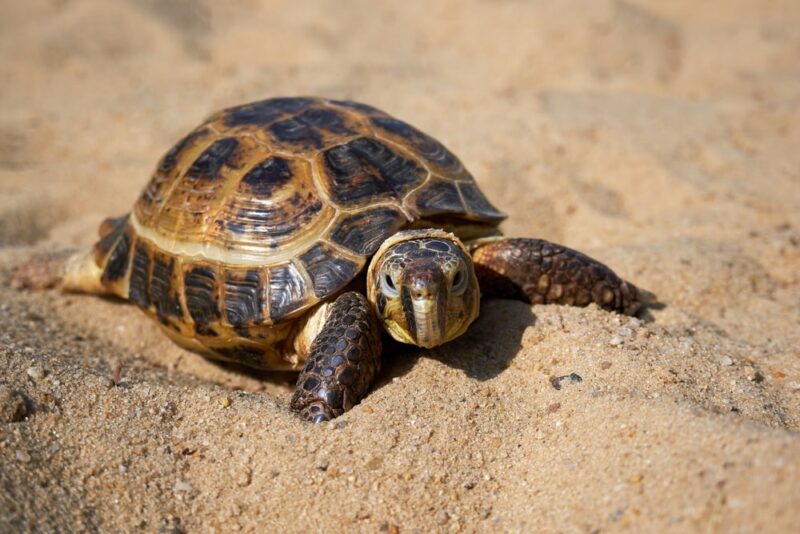
Generally, the Russian tortoise gets only about a maximum of 8–10 inches long when fully mature. Females may be slightly bigger, though this isn’t always the case. These tortoises grow very slowly, though. They don’t reach their full size until nearly 20 years old. Plus, some may remain smaller than the maximum size.
You need to stay on top of your Russian tortoise’s size over the years to help ensure they’re growing at the right pace. That’s where our growth chart comes in handy.

Russian Tortoise Overview
In the wild, the Russian tortoise is found in the rocky deserts of Russia, Iran, Afghanistan, and Pakistan. They prefer to live in areas at very high elevations, where not much else is living. They live in very large burrows underground, where they hibernate for many months to survive the harsh desert.
There are very few of these tortoises bred in captivity, especially in the United States. Therefore, most sold as pets in the US are captured and imported. Because of their smaller size, they’re a pretty popular species to keep as a pet. They have very large personalities and can be very fun to own.
Russian Tortoise Size and Growth Chart
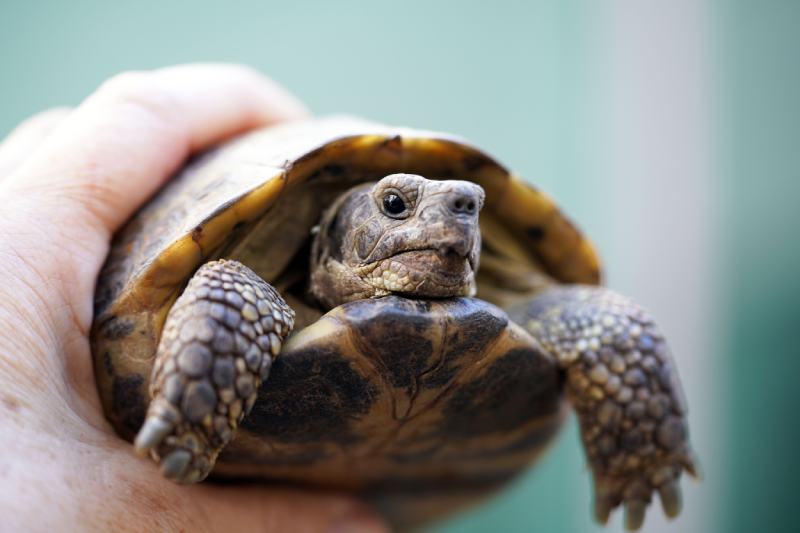
These tortoises take a long time to grow. They typically only reach their full size between 20 to 30 years. However, they make very small growth milestones along the way as they age. These tortoises will vary somewhat in size, just like any other animal. Larger specimens will be closer to 10 inches, while smaller ones will be closer to 8 inches.
| Birth | 1–1.5 inches |
| 1 year | 1.5–3.5 inches |
| 5 years | 3.5–5.5 inches |
| 10 years | 5.5–6 inches |
| 20 years | 6–10 inches |
| 30 years | 6–10 inches |
When Does a Russian Tortoise Stop Growing?
While these tortoises reach sexual maturity around 10 years, they don’t finish growing until 20 to 30 years. Larger tortoises take longer to reach their full size, while smaller ones tend to reach their full size closer to 20 years. It may also depend on the exact conditions the tortoise is grown in.
Those in captivity will usually reach their full size faster, as they often don’t hibernate as long and have a complete diet. Those in the wild often have to put up with hibernation and limited food. Therefore, their growth is often slower, too.
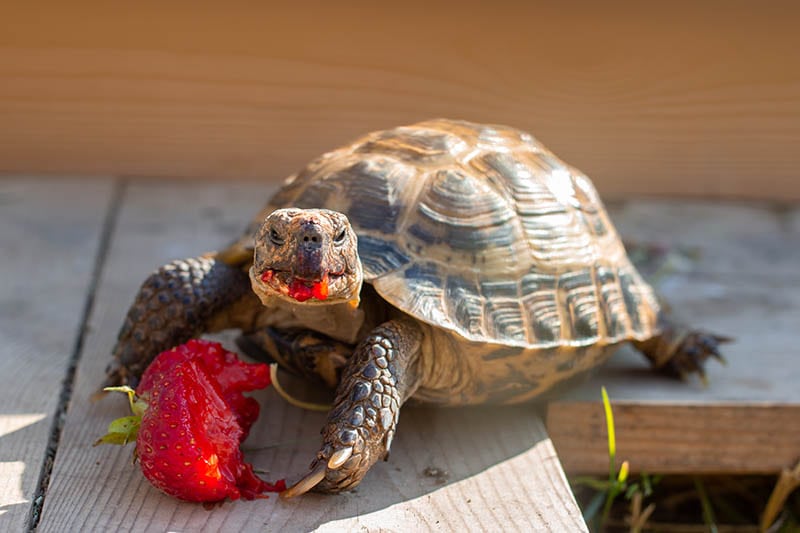
Factors Affecting the Size of a Russian Tortoise
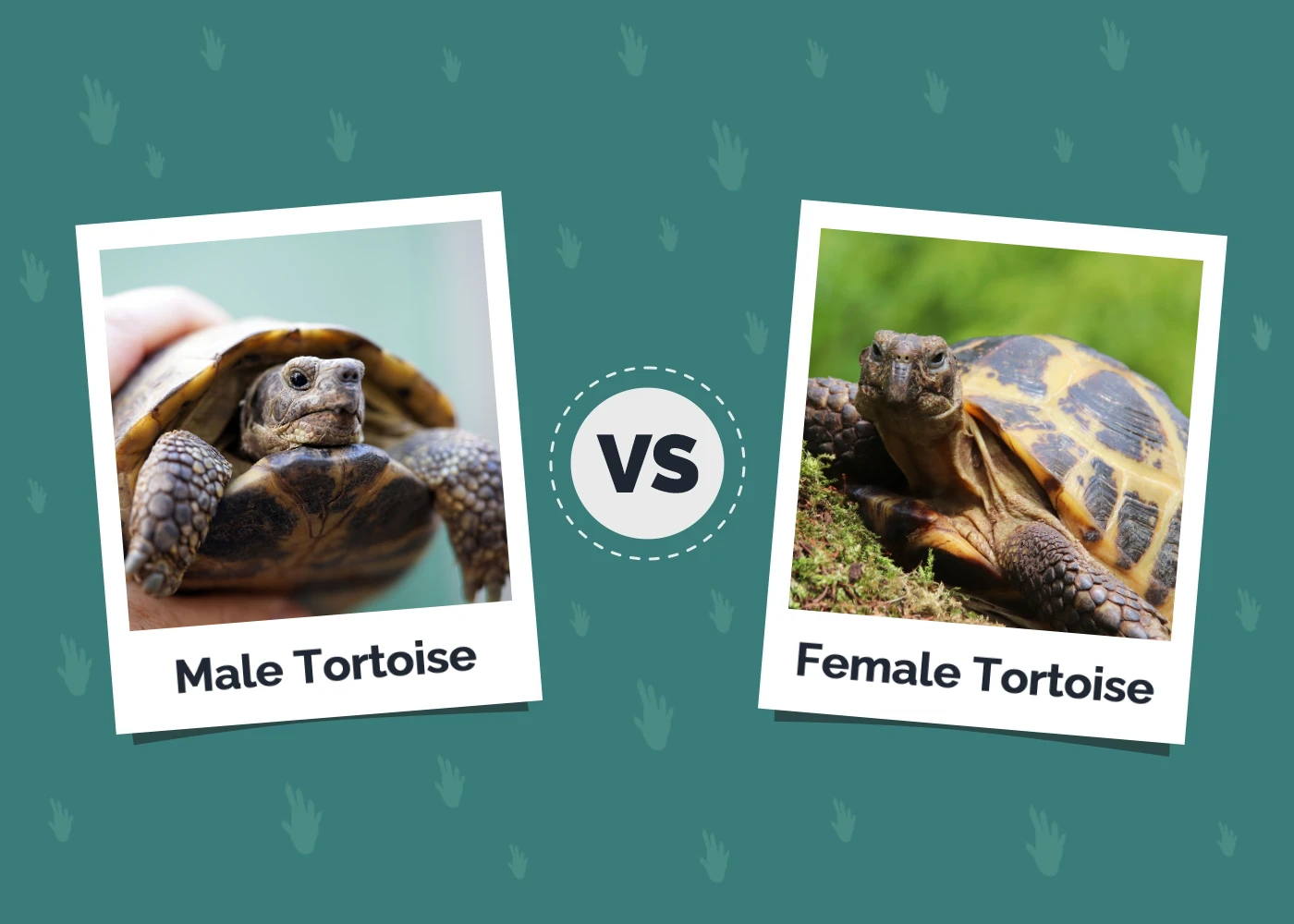
Russian tortoises do vary in size by a couple of inches. Females tend to be larger than males, though this isn’t always the case. Genetics also plays a huge role.
Hibernation habits may also play a role. In the wild, tortoises will hibernate for several months at a time, limiting the amount of time they have to grow. However, in captivity, not all tortoises will hibernate, and those that do may only hibernate for a month or so. Therefore, they have more time to grow and may end up getting bigger than they would in the wild.
Tortoises that have access to more quality food will grow bigger than those that don’t. This is true for practically all animals, though. More food fuels more growth, leading to a bigger tortoise.
In captivity, access to UVB light is also important. tortoises need UVB light to thrive and grow properly. Without access to unfiltered sunlight or artificial UVB, their growth will be stunted. Therefore, Russian tortoises must be carefully housed.
Ideal Diet for Maintaining a Healthy Weight
To help your tortoise grow correctly, you need to provide them with the proper diet. Luckily, these tortoises aren’t hard to feed. They love leafy greens and should be given a high-fiber diet consisting of plenty of hay. Greens and veggies like collards, kale, turnip greens, mustard, corn, dandelions, carrots, peppers, and sweet potatoes can also play a key role in their diet.
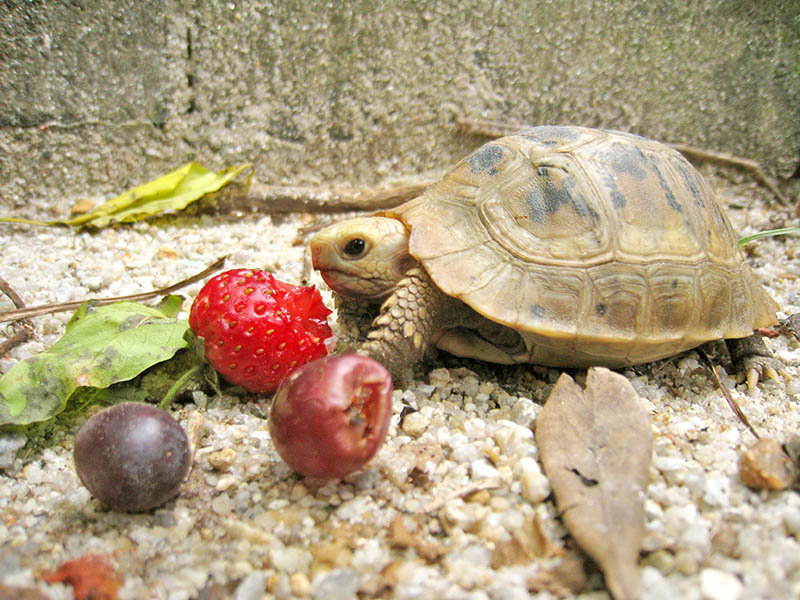
They can even eat a small amount of fruit, including apples and berries. You should avoid feeding them foods like iceberg lettuce (as it is mostly water), grains, or meat. These foods aren’t appropriate.
You can find some pelleted diets for these tortoises. However, many of them are not nutritionally complete and contain lots of grains. Therefore, many owners simply choose to give them a vegetable-based diet with the addition of calcium and a vitamin D3 supplement.
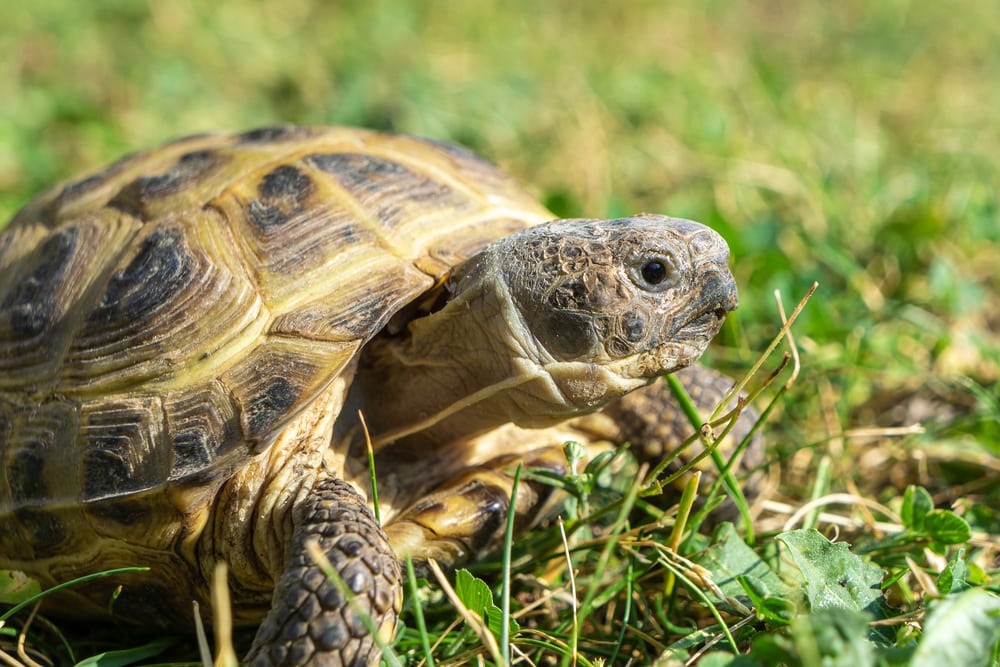
How to Measure Your Russian Tortoise
Measuring your tortoise should not be difficult. It helps to find a time when your tortoise isn’t moving all that much, whether they are eating or resting. Then, use a tailor measuring tape (the pliable kind) to measure from one end of their shell to the other. This provides you with the measurement you need to compare it to our growth chart above.
Remember, tortoises vary in size substantially. Some will go through growth spurts slightly before others do, which may make them appear a bit bigger than the “average.”
Conclusion
Russian tortoises are a smaller species of tortoise. However, they are full of personality and can be quite fun to own. They only reach about 8 to 10 inches maximum, and it takes them nearly 20 years to reach this size. Therefore, they are much smaller than many other species out there.
Many factors affect their size, too. Genetics and gender do play a role and cannot be affected by their owners. However, you can control their diet and UVB light exposure, which are both necessary to help them grow properly.
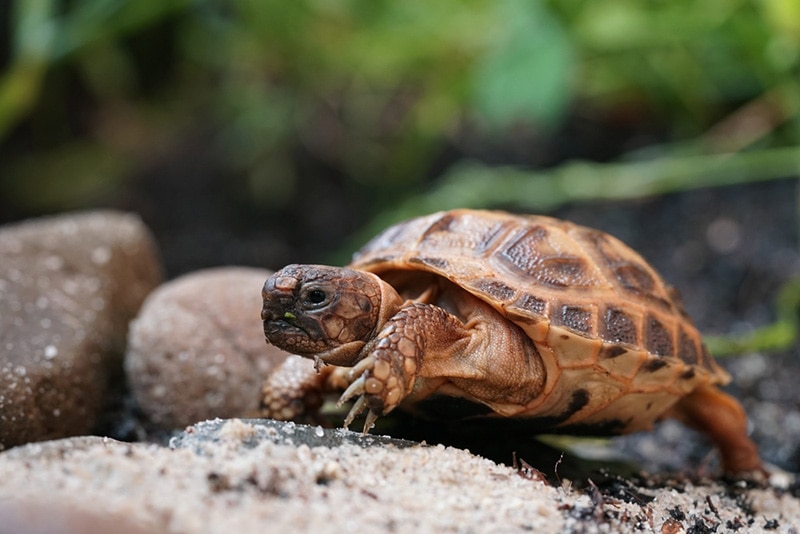
Featured Image Credit By: DAndreev, Shutterstock
Get Hepper In Your Inbox


Pet care tips from our vets and experts, straight to your inbox.
You may opt-out at any time. View our Privacy Policy for more information.

Kristin is passionate about helping pet parents create a fulfilling life with their pets by informing them on the latest scientific research and helping them choose the best products for their pets. She currently resides in Tennessee with four dogs, three cats, two fish, and a lizard, though she has dreams of owning chickens one-day!
Join the conversation
Ask a question, share your story, or send private feedback.