Hepper is reader-supported. When you buy via links on our site, we may earn an affiliate commission at no cost to you. Learn more.
How Do I Get a Scared Kitten to Trust Me? 11 Vet-Verified Expert Tips


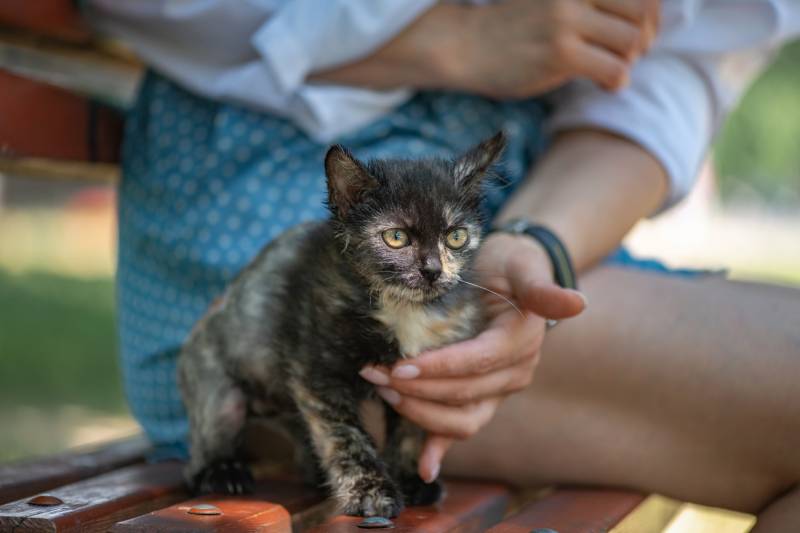
While adopting a kitten is exciting, it’s also a lot of responsibility. One of those responsibilities is building a relationship with them. Most kittens are anxious when coming to a new home. After all, there are new surroundings and many new people. New sounds, new things to explore, and so many new things to learn—you’d be scared too!
To help your scared kitten adjust, you’ll need to get them to trust you. Below, we have 11 tips to help you build that trust.

The 11 Tips to Get a Scared Kitten to Trust You
1. Minimize Noise
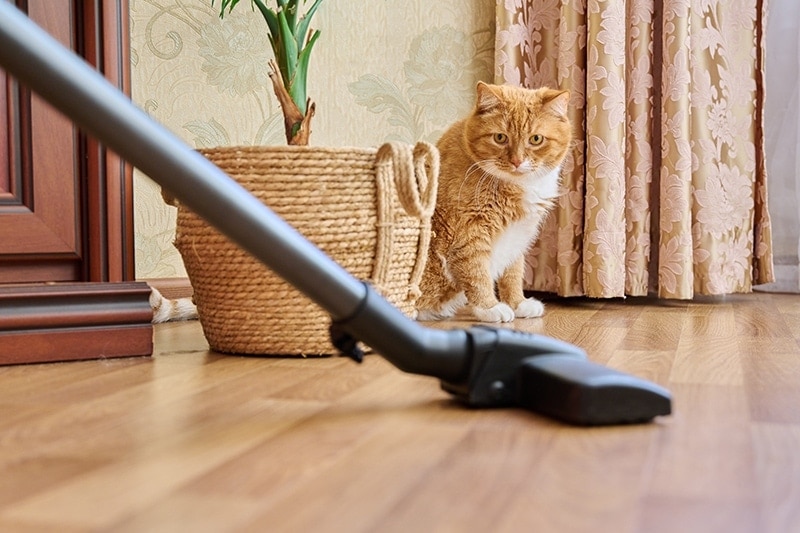
Kittens are often nervous around loud sounds, especially sirens and fireworks. While you may not be able to do much about those types of sounds outside of your control, you can help minimize other types of sounds, such as the vacuum cleaner, loud banging in the kitchen, and those from children. If you must vacuum, try to move the kitten to another room far away from where you will be cleaning so the sound is muffled.
Allow the kitten a way to move away from the sounds and come out to explore only if they are curious about them.
2. Use a Soft Voice
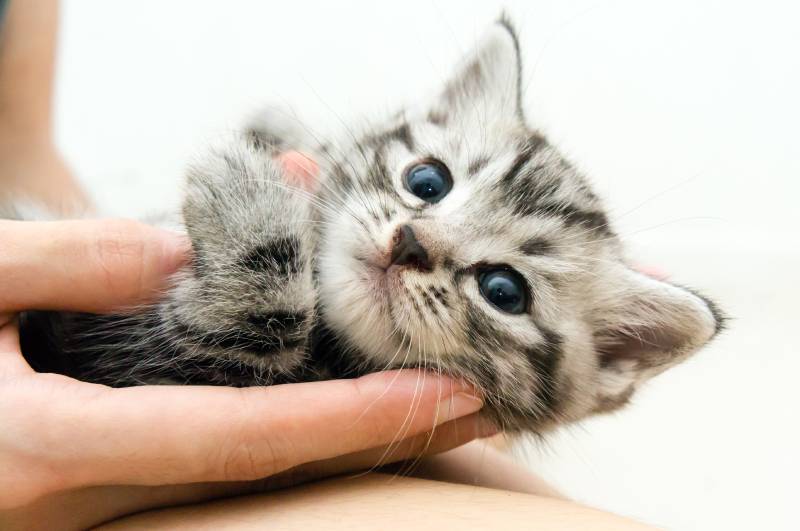
Loud yelling, even if the words are not said in anger, can be perceived as threatening, especially to a small kitten. They can be even more threatening to a kitten who is new to your home, unsure of their surroundings, and does not know everyone in the home very well. Remind everyone to speak in a normal tone when around the kitten and to speak in a softer tone when speaking directly to them.
Not only will this help to keep them calm and adjust to the home, but also help to build trust with them.
3. Play with Them
Kittens love to play! However, every kitten is unique in what toys they prefer to play with. If they seem shy about playing with a certain type of toy, you may want to try something different. Be consistent, even if they don’t seem to open up at first. Keep trying, and they will see that you really do want to play.
Try toys that put some distance between you at first, like those on a wand. Slowly bring them closer to you with more toys, and you will build that trust.
4. Let Them Come to You
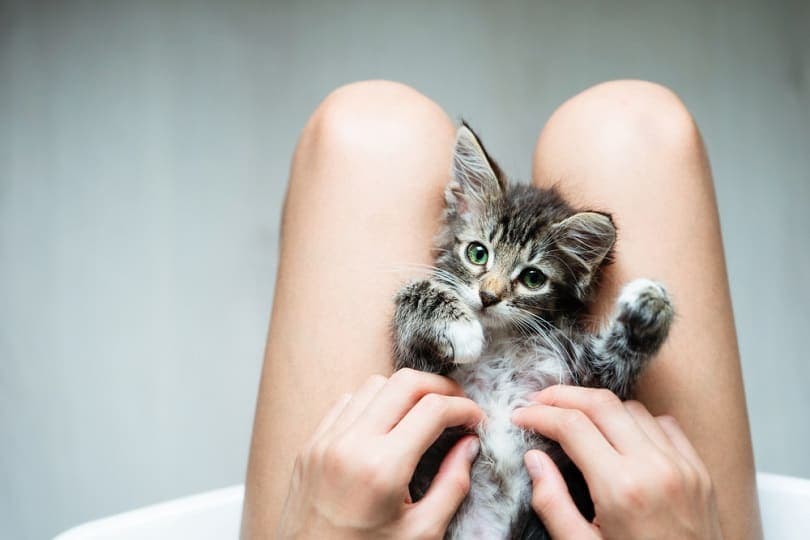
As your kitten watches you from afar, they will get to know you. You may not even see them watching you go about many of your daily activities. If you catch them watching you, don’t call attention to it. Instead, let them slowly build the courage to come closer as they watch. When playing, instead of picking them up, sit stationary on the floor and call them toward you or encourage them to come forward with a toy or treat.
The idea is to let them come to you instead of forcing them to do something they may not be ready to do yet.
5. Respect Their Space
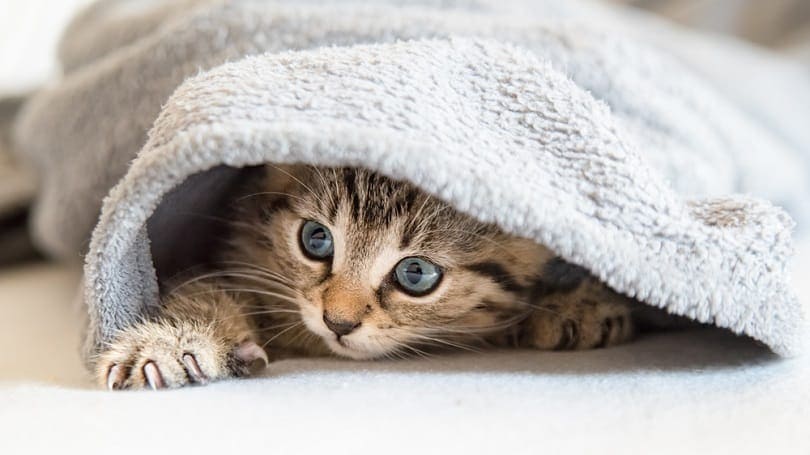
If they are not ready to come to you, that’s okay. Every kitten will build trust in their own time, and it may take some kittens longer than others. They may also build trust with one person in the home faster than others. Be sure they have a safe space they can go to if they are feeling anxious and respect that space.
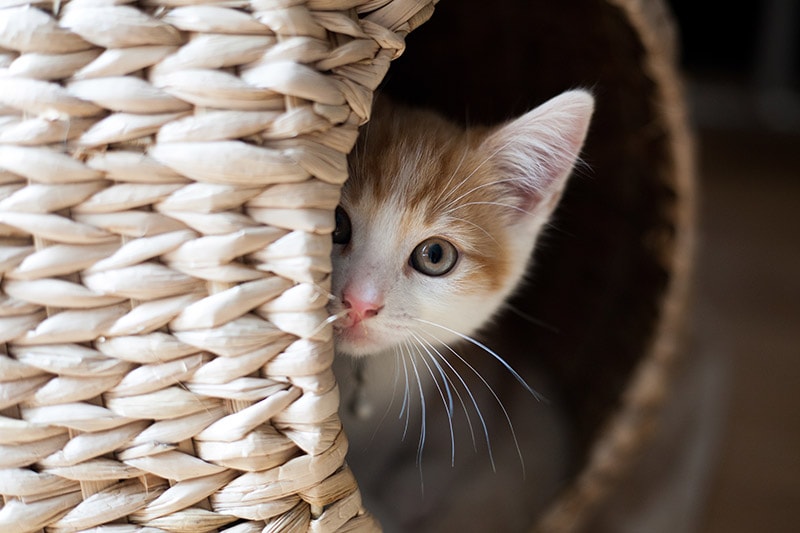
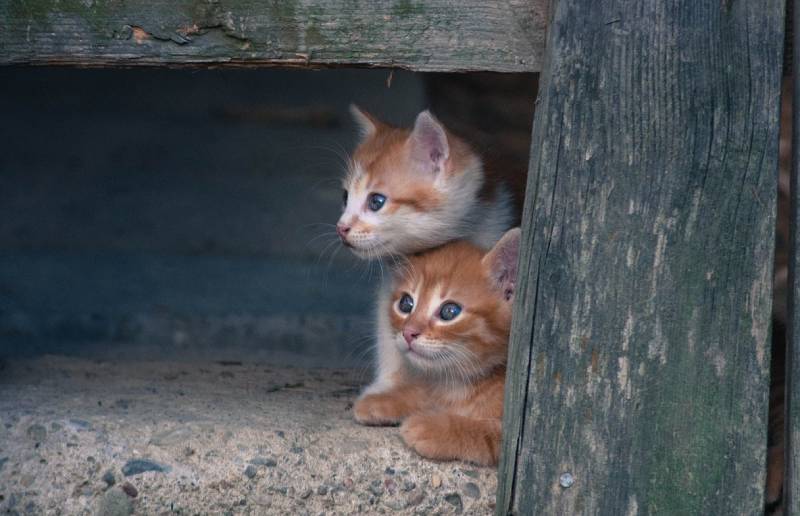
If they are hiding under the couch or the bed, for instance, let them stay there until they are ready to come out, and don’t force them to come out if they aren’t ready to. They are hiding for a reason.
6. Reward Positive Behavior
When your kitten decides to come out and explore, reward them! If they will let you give them attention, be sure to do so, but gently and using a calm voice. If they don’t let you come near them yet, set out a few treats for them to find, encouraging them to come closer to you.
Rewarding their good behavior and their courage with positive reinforcement will help build a closer bond that will last for years. You should have everyone in the home reward this behavior so that they establish a positive relationship with all members of the household.
7. Let Them Smell Things
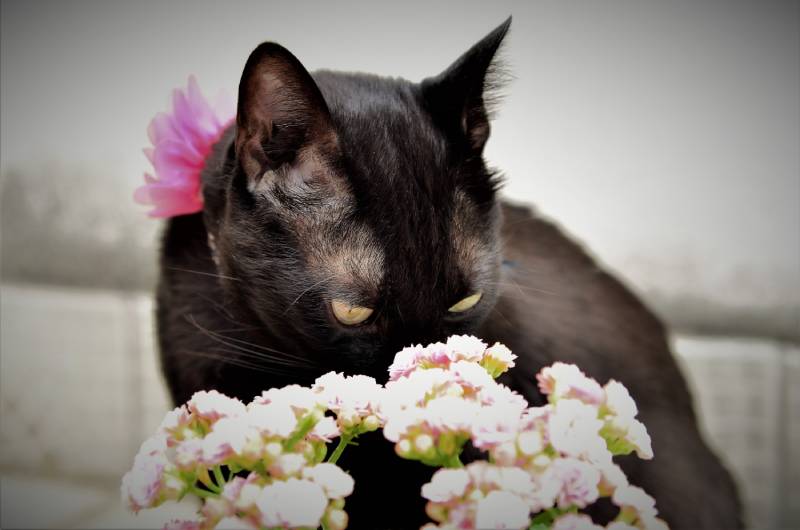
Kittens are curious and are likely to get to know their new surroundings with their keen sense of smell. If you find them exploring the home, sniffing about, don’t discourage it by distracting them. Let them go about their business. You may even want to set things out that they can smell. Blankets that have been slept with a couple of times are a great place to curl up in and hide while allowing a kitten to adjust to an owner’s scent.
If possible, reduce the amount of “extra” scents in the home, like candles and incense, while your kitten is adjusting.
8. Use Calming Pheromones
Using calming pheromones can help your kitten to settle better in their new home. These pheromones calm their initial anxiety so you can create a connection with them and build trust. Once you’ve established trust, these pheromones may no longer be necessary. However, they are an excellent tool in helping kittens adjust to a new environment if they are receptive to them.
They come in several forms, from sprays to diffusers, so you can find one that works best. If your kitten moves around the home freely, a couple of diffusers will be a better option to cover a wider area.
9. Be Patient and Consistent
Building trust takes time, whether you are a cat, a dog, or a human. This process won’t happen overnight. You may not even see progress for several days, and that’s okay. Be consistent with offering treats, sitting down to play, and talking with your new kitten, so they know they are in a safe space and can trust you.
Eventually, that bond will form, and the time you’ve spent will be well worth it. Be patient, and you will see them open up to you.
10. Never Force Them
It’s easy to become impatient and force your kitten to interact with you or others in the home before they are ready to. Forcing them can do more damage than good, though. By forcing them to interact with you if they don’t first trust you, you can create a lasting impression that you are someone that they can no longer trust. It may take them longer to trust you, or they may not trust you at all.
Be sure everyone in the home knows how to interact with the new kitten and what the plan is for establishing trust before bringing them home to prevent this.
11. Reach Out for Help
If it’s been several weeks and your kitten still doesn’t trust you, it’s time to get help. First, talk to your kitten’s veterinarian. There may be an underlying health problem that’s causing them to hide or mistrust humans. They may also have suggestions for how you can get them to trust you.
A veterinarian may recommend a behaviorist who can meet with you and your kitten to suggest ways to help build that bond if everything you’ve tried so far hasn’t worked.

How Do You Know Your Kitten Trusts You?
When can you be sure that all your efforts to get your fearful kitten to trust you have worked? You likely won’t see all these signs at once. However, you may see one or two pop up at first, and then others will follow as the trust builds.
- They spend time with you
- They follow you around
- They blink slowly at you
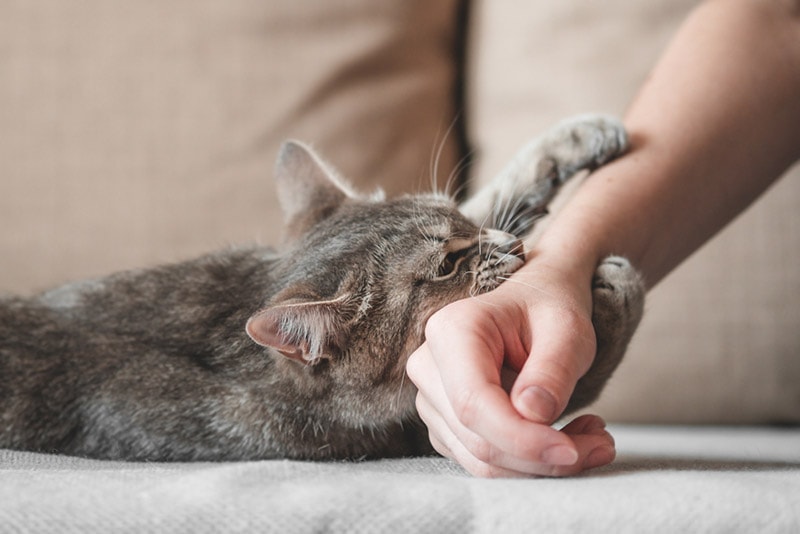
- They knead you
- They lay upside down around you
- They meow at you
- They rub against you
- They sleep near you
- They know your routines
- They eat out of your hand
- They greet you when you come home
- They bring you gifts
Conclusion
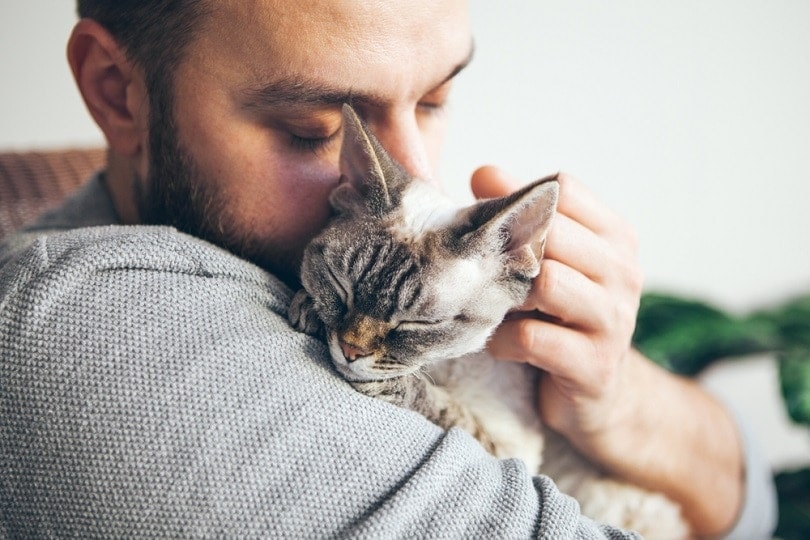
Adopting a kitten is exciting, and building trust with them is a normal part of the process as you both get to know each other. Follow the tips above, and you’re sure to build a strong connection with them. Remember, patience and consistency are key to a lifelong bond with your new cat.
Sources
Featured Image Credit: shymar27, Shutterstock
Get Hepper In Your Inbox


Pet care tips from our vets and experts, straight to your inbox.
You may opt-out at any time. View our Privacy Policy for more information.
Krysha is a proud mom to Shelly, a tortoiseshell “Tortie” rescue kitty that loves to talk back, especially if I’m late with breakfast. Shelly’s big personality, despite her small stature, has been a driving force behind my ambition to spread awareness about local shelters and the small things residents, support groups, and non-profits can do to support them. Growing up, Krysha experienced the care of many pets, from cats and dogs to turtles and small lizards to hamsters and tropical fish.
Krysha is a freelance content writer specializing in pets, travel, and wellness. Her writing career began in 2009 while still studying English and Creative Writing at the University of Nevada, Las Vegas. Now, her creative writing skills combine with technical SEO experience to provide high-quality blog and web content for eCommerce and service-based websites.
Join the conversation
Ask a question, share your story, or send private feedback.