Hepper is reader-supported. When you buy via links on our site, we may earn an affiliate commission at no cost to you. Learn more.
How Do Vets Put a Dog Down? Our Vet Explains the Humane but Difficult Decision
In this article
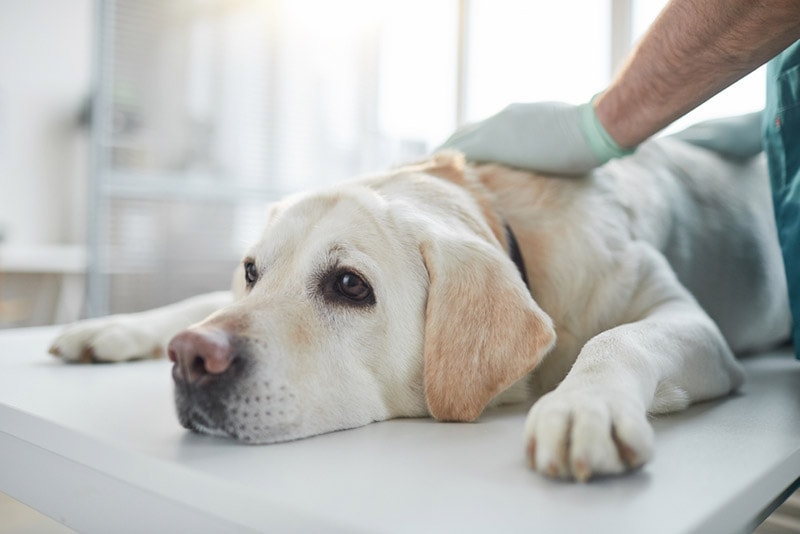
When making that difficult decision at the vet’s, no one makes it lightly. As a result, when the decision is made, it's always the humane thing to do, and it would not be made if it was not humane.
Vets humanely euthanize dogs by first stopping the brain's pain signals and then stopping the heart. The entire procedure prioritizes a pain-free death. The vet’s role is to safeguard the dog’s welfare, help the humans navigate the decision, and, most importantly, ensure it is humane and ends suffering.
The goal is to stop suffering, end misery, and prove a peaceful death; the decision to humanely euthanize a dog is protecting their welfare.

What Does “Put Down” Mean?
Today, vets don’t really “put dogs down”. This antiquated term isn’t as popular in vet clinics as it used to be and has been replaced with terms like “humane euthanasia” or “euthanize”. The emphasis is not on ending a life; rather, the goal is to end suffering.
The emphasis is on welfare. The objective is to provide relief from disease, injury, and misery. By using the term humane euthanasia, we are exacting our expectations.

The Decision to Euthanize
The decision to elect humane euthanasia is not a decision that can be made with generalizations. It is not one-size-fits-all and cannot be used as a blanket for everyone. The decision cannot be judged out of context without considering the individual dog, all the humans, and the situation. It is a deeply personal and unique decision.
Together, the dog’s owners and the vet navigate the moral and ethical maze to make the right decision for everyone at the ideal time and space. The vet is there as an advocate for the dog, and ensuring welfare is the driving factor, balancing life against pain.
When end-of-life decisions are made, they are emotional, but more importantly, they are humane. That is the primary job of a veterinarian, to safeguard the well-being of the dog regardless of emotional pitfalls. It is written into our moral code; no matter what we do, it is the best for the dog.
And sometimes that includes giving them a pain-free death to escape the ceaseless misery of disease, injury, suffering—of life.
The Procedure
A humane euthanization has two main steps: stopping brain activity and the heart.
When a vet performs humane euthanasia, they ensure the brain stops working, so the brain stops registering pain. Only after the brain no longer feels pain does the vet stop the heart.
If it occurred the other way around, the brain could continue registering suffering even after the heart stops beating and, in some cases, for minutes and minutes afterward, which is unacceptable.
We can’t ask what it feels like to die, but we do know that having a heart attack hurts. Consequently, stopping the heart first is not ideal if we are to provide a pain-free death. So, we stop the brain first.
An Anesthesia Drug Overdose
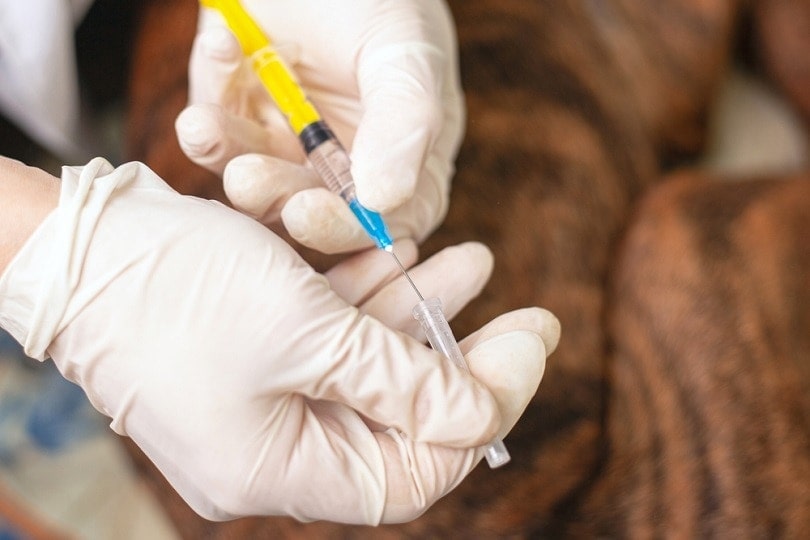
Vets do this by using drugs designed for anesthesia. The first step use pain medications, sedatives, or anesthesia drugs, so the dog falls asleep. Then, the dog is given an overdose of anesthesia, so the heart stops beating.
This can sometimes occur very quickly, where the brain and the heart are stopped at the same time. Or it can take a long time.
Giving the drugs time to sedate a dog completely, so it is fully unconscious can sometimes take 15–20 minutes. And, giving a dog enough of an overdose to stop the heart can also take time. As the drugs travel from the veins and accumulate in the heart, it can take a while or happen almost immediately. Either way, the dog will be in less pain.
If they wait for the sedation to take effect, they fall deeper into sleep. And if we are waiting for the heart to stop, they are already completely unconscious.

Expect an Uncomfortable & Confronting Conversation
Many conversations around end-of-life decisions are softened with euphemisms, such as “put to sleep”, “put down”, or even “humane euthanasia”.
The good thing about these terms is that they can make it easier for people to discuss a tough subject such as death. The bad thing is they can be confusing. Especially when emotions are high, they can mean different things to different people.
“Put to sleep” can be interpreted as sedate. The technical term “humane euthanasia” can be confused with anesthesia. This is another reason why “putting a dog down” is not a great term for vets because it is too vague and means different things to different people. It is also often caught up with controversial political topics that have nothing to do with the personal decisions you’re making.
So, even after you have discussed the plan with your vet, do not be surprised if they come back again, and this time they do not use euphemisms. It may feel like they are being shockingly blunt, or they are trying to offend you using harsh terms that feel judgmental.
Words such as kill, death, dying, and end of life can feel like blades slicing into your emotional fog, but sometimes we need to use them. To provide a moment of stark clarity, to ensure we are all talking about the same thing and all have the same expectations.
There is no going back, and we do not want to hide behind hazy wording.

Where Does It Happen?
Many times, the procedure will be performed in front of you. Some vets even come to your house to do it in the comfort of your own home, especially if there's time to plan.
But sometimes, the vet will perform it in the back of the clinic, away from you. Dogs are euthanized for infinite reasons, and when it comes to health, anything can go wrong, and it does. So sometimes the safe thing, the thing that is best for the dog, is to perform the procedure away from their humans.
The number one reason a vet will bring them “to the back” is for the dog’s welfare because the vet has assessed the situation, and the best place for it to be pain-free and stress-free is in the back.
Three factors can make this the case: for the pet, the owner, or the vet.
1. For the pet
Sometimes, when a dog presents for humane euthanasia, their health deteriorates so deteriorated they will not respond to the medications normally. And having the immediate support of extra equipment and, more importantly, other veterinary professionals to help when things go wrong is best for the dog. For example, if a dog is in extreme pain, extra hands that act swiftly and skillfully help ensure the procedure happens as quickly as possible, reducing the time the dog is suffering as much as possible.

2. For the owners
Sometimes the owners do not need to see it. They can say their goodbyes, but being there until the very last second is not always helpful. It requires trusting your vet, but sometimes removing the humans from the situation creates a less stressful passing for the dog. Some dogs get very stressed when they see their humans getting emotional and calm down when they can’t see their sad humans.
And, remember, you do not have to be there if you don’t want to; you should not feel pressured to watch. You have the choice to make the best decision for you.
3. For the vet
Euthanizing a dog is hard. It is emotionally trying on everyone. And that unfortunately includes the vet. And, while we know we should all be perfect machines, unfortunately, we are just fail-able humans.
And sometimes, we must protect our mental health, sanity, and safety. When we prioritize ourselves, we're making it possible for us to provide the best care for your dog. Have you ever been at work and your boss is watching you type, and suddenly you are only able to write typos? If we take your dog to the back, it is to ensure they have the smoothest experience possible. We would feel terrible if your dog suffered even an extra 10 seconds because we slipped under pressure.
We might have to do this all over again in 10 minutes at the next appointment, and no matter how it may look, every death takes its toll on us. So, if we must make accommodations because of our annoying, ceaseless state of human existence, we do.
If you want us to, we usually do everything we can to ‘do it’ in front of you. But sometimes, it doesn’t work out that way.

Last Thoughts
Making end-of-life decisions is incredibly difficult. But if you and your vet decide it is time, and you elect humane euthanasia, know that you are choosing the best path for your beloved dog.
The decision comes from a place of compassion and love, and you are choosing your dog’s welfare over everything else. Take comfort that your dog loved you until the very last milli-second because you protected them.
When it comes to humane euthanasia and end-of-life decisions, humans come second, and the dogs come first—always.
Featured Image Credit: SeventyFour, Shutterstock
Get Hepper In Your Inbox


Pet care tips from our vets and experts, straight to your inbox.
You may opt-out at any time. View our Privacy Policy for more information.
Dr. Chantal is passionate about the human-animal bond and improving animals' lives through their connections with their human companions. She has worked with many different species, big and small, including dogs, cats, birds, rabbits, guinea pigs, reptiles, amphibians, and even horses and mice. Chantal is excited to share her knowledge using her writing to help people connect with their animal friends.
Dr. Chantal believes that the best way for animals to be healthy is for their humans to understand their needs and well-being. She loves spreading her knowledge to as many people as she can through her writing.
Education
Dr. Chantal graduated from the Royal Veterinary College in London, England, where she received her vet degree. She then received her Masters in Conservation Medicine from Tufts University.
Experience
Dr. Chantal has worked with animals her entire life in many fields, even outside of veterinary medicine. She managed horse barns, worked as a dog trainer, and as a wildlife biologist before attending vet school. Chantal has been a veterinarian for over three years and continues to work with dogs, cats, and exotic animals. And, she still knows a thing or two about horses.
Join the conversation
Ask a question, share your story, or send private feedback.