Hepper is reader-supported. When you buy via links on our site, we may earn an affiliate commission at no cost to you. Learn more.
How Does a Cat’s Sense of Smell Compare to a Dog’s?
In this article
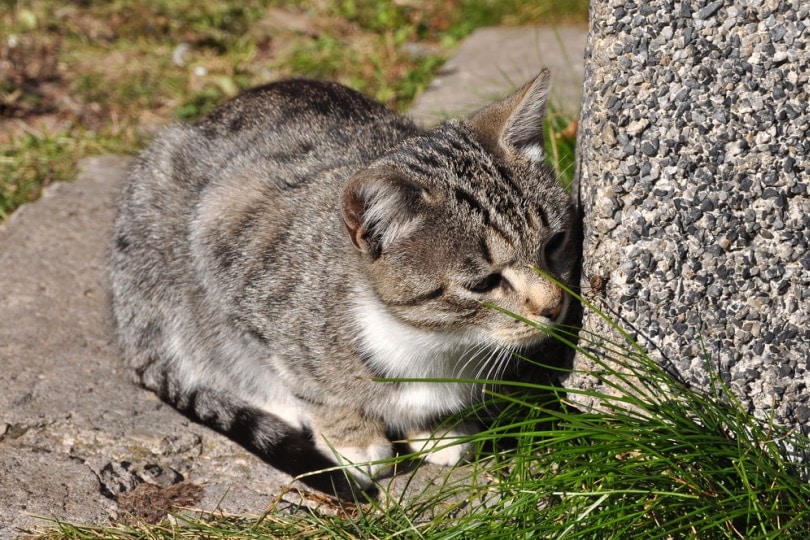
Having a keen sense of smell is essential to the survival of dogs and cats in the wild. While it’s not as crucial for domesticated pets, it’s still essential, and the sense of smell carries forward from the dog and cat’s ancestors. Cats are thought to have a stronger sense of smell than dogs, but do they?
There has been debate in the past as to which animals smell is stronger. How does a cat’s sense of smell compare to a dog's? Do they have a more sensitive nose? The shocking answer is ... Yes! Cats have more sensitive noses. Let's figure out more about this below.

Can Cats Smell Better Than Dogs Can?
Cats have been proven to have an average of 30 V1R receptors in their noses, whereas dogs only have nine and humans only have two. It stands to reason that with these numbers, cats have the more sensitive nose across all three of these species. It’s also been found that cats have a better ability to distinguish between scents than dogs do. However, dogs are easier to train for scent detection, and that’s why canines are used for bomb, drug, and cadaver detection.
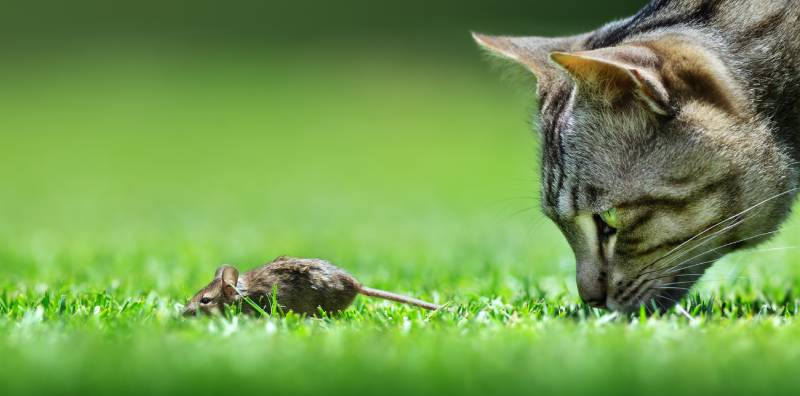
Cats use those receptors and their powerful sense of smell to track and locate their prey. This strong sense of smell also allows the feline to detect aromatic food, find their way home when they are lost, and tell where other animals and people are based on the scent they pick up from them.
Cats Use Their Nose to Decide Which Foods to Eat
Cats use their noses to decide which substances are appealing. However, unlike people who choose what to eat by the way their food tastes, cats determine what to eat by how the food smells. While they do have many scent receptors, they have very few taste receptors, which means they have to depend on their sense of smell above all else when it comes to food.
Strong Smells Can Cause Respiratory Problems in Cats
Many pet owners don’t know that pungent smells can cause respiratory problems in felines. Products such as essential oils or household cleaners can leave your cat with respiratory issues and difficulty breathing. Aerosol sprays, strong perfumes, and infusers can cause problems for your feline friend. Since essential oils have toxic components, keeping them out of your house is best. Strong fragrances, household cleaners, and aerosol sprays should be stored securely to keep your pet safe.
Conclusion
It’s been proven that cats have a better sense of smell than dogs. However, both animals have sensitive noses. Although dogs are more reliable for scent training, the cat’s nose is no less advanced.
If you’re looking to adopt or purchase a cat, remember that there are some smells that your cat shouldn’t be around, such as strong perfumes and many household cleaners. Take the necessary steps to protect your cat’s respiratory system, and you’ll have a healthy, happy cat for many years.
Sources
Featured Image Credit:
Get Hepper In Your Inbox


Pet care tips from our vets and experts, straight to your inbox.
You may opt-out at any time. View our Privacy Policy for more information.

Patricia is a pet and coffee writer and a published author under the pen name Skylar McKinzie. When she isn’t writing, Patricia enjoys spending time with her two cats and dog. Since she was a young child, she has been a pet lover and enjoys nothing more than cuddling with her pets, Mystery, and her two cats, Binx and Link. Mystery has been with her family since the day she was born, as has Link. Binx was found under the house as a kitten, taken inside, and has been a part of the family ever since. Patricia loves sharing her knowledge of animals and finds joy in helping out at the local rescue shelter whenever she can.
Join the conversation
Ask a question, share your story, or send private feedback.