Hepper is reader-supported. When you buy via links on our site, we may earn an affiliate commission at no cost to you. Learn more.
Flehmen Response in Cats: Vet Verified Facts


In this article
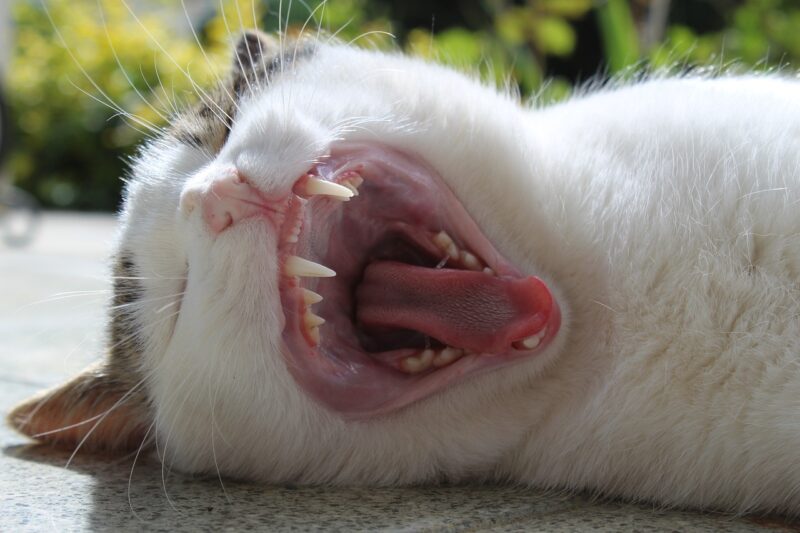
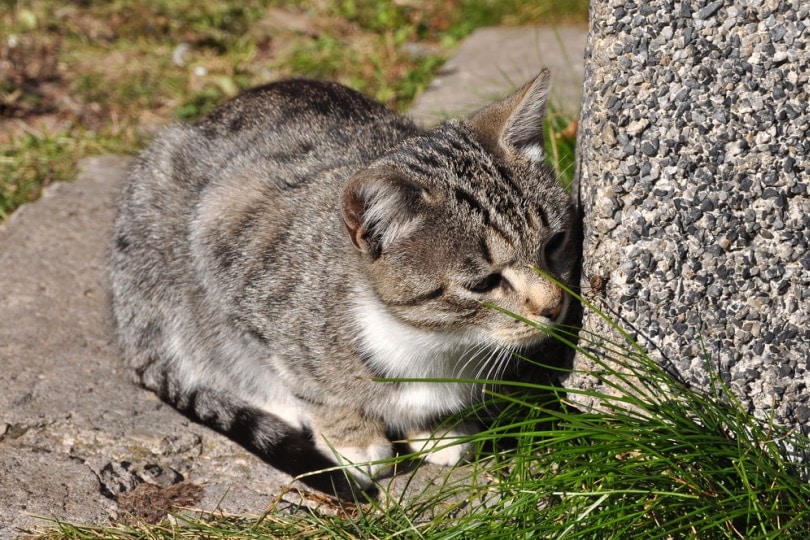
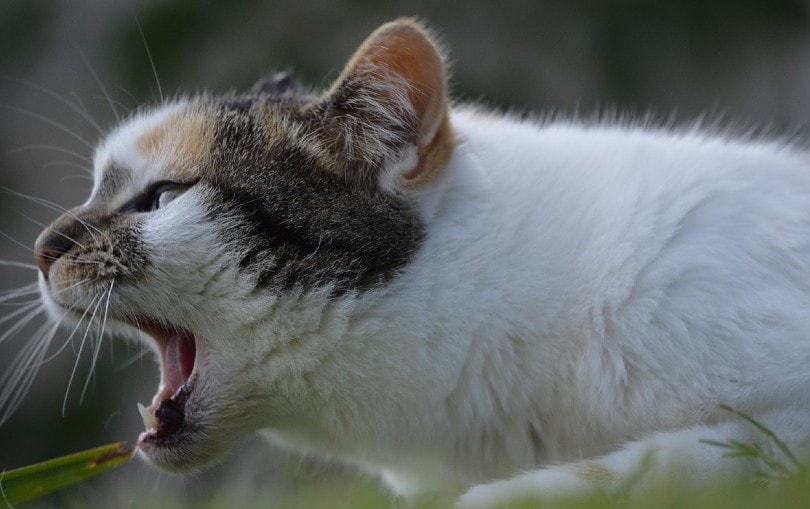
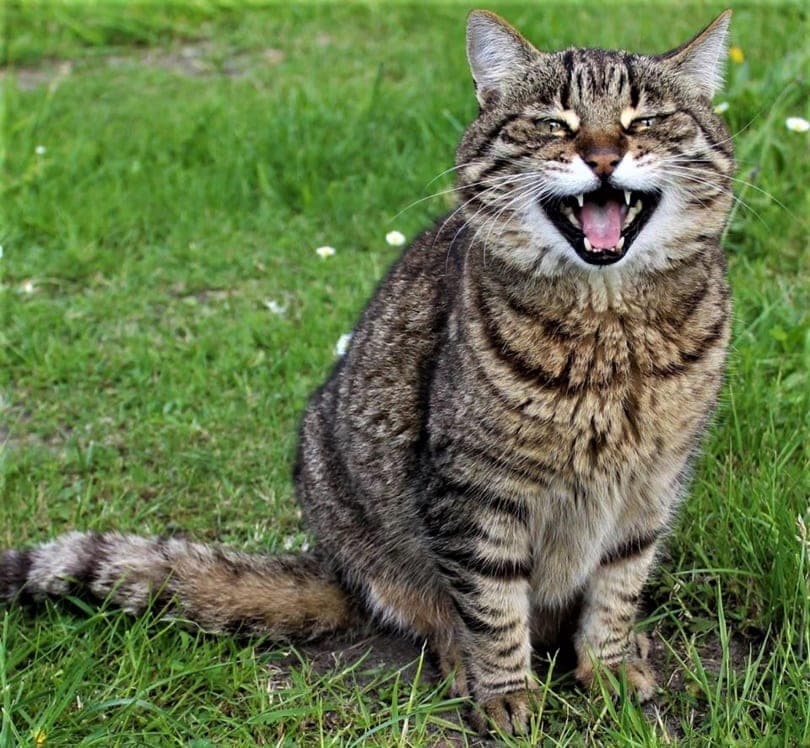
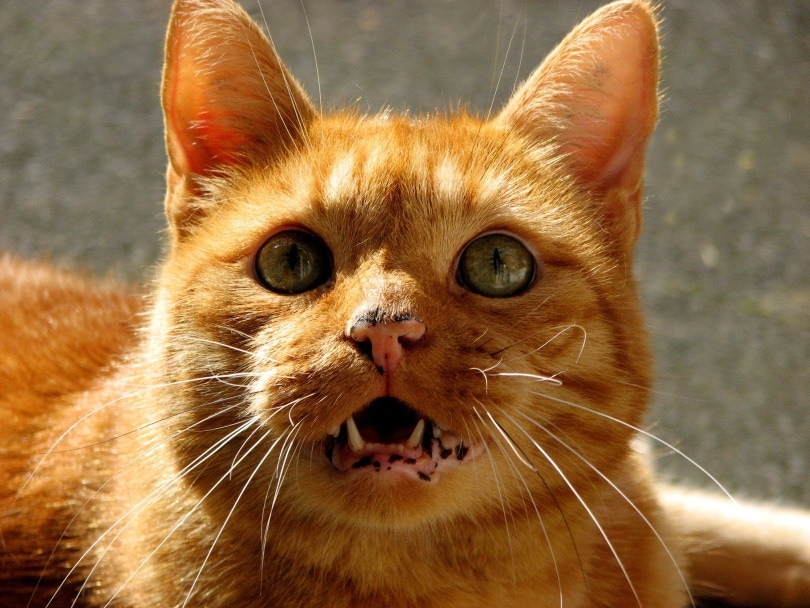
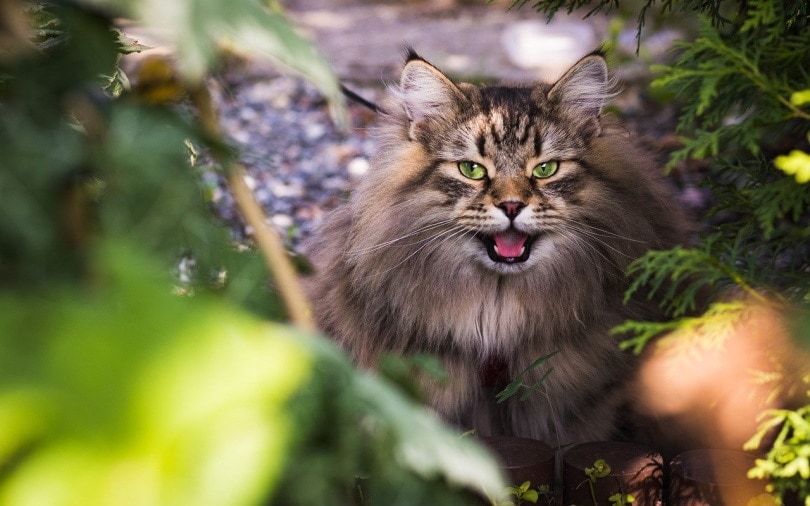
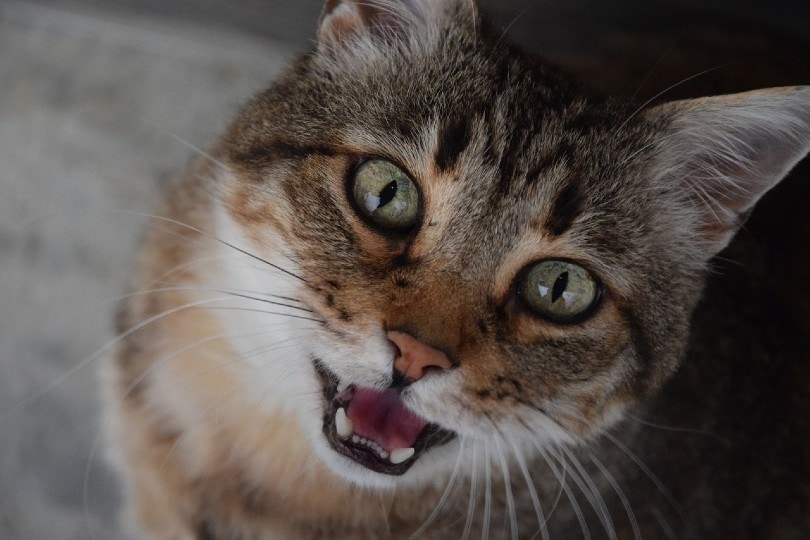
If you have ever seen a cat take a quick sniff of something and then pull their lips back in a grimace, you may have wondered what was happening. That second, slightly open-mouthed sniff has a name; it’s called the Flehmen response. Cats do it to draw scent molecules into their mouths and into direct contact with something special scent organ called the vomeronasal organ, which is located in the roof of the mouth, behind their front teeth, and that connects directly to the brain. Using this method, cats can pick up information about the health and reproductive status of other animals. It’s a go-to reaction when cats want to gather more information about their environment smells and other animals. using their powerful olfactory abilities.

What Is the Flehmen Response?
The Flehmen response is a way of gathering more information from about scents. Cats rely heavily on their sense of smell to understand and move through the negotiate their world. Part of the reason the feline sense of smell is so good is that it utilizes relies on two organs. In addition to their noses, which are packed full of millions of scent receptors, cats also have vomeronasal or Jacobson’s organs dedicated to picking up subtle pheromones that are undetectable to humans.
Feline vomeronasal organs are located in the roofs of the cats’ mouths,— just behind their tiny front teeth. When cats open their mouths and sniff, they draw scent molecules over their vomeronasal organs, allowing their brains to interpret information directly about other cats’ health and reproductive status.
What Type of Information Does the Vomeronasal Organ Provide to the Feline Brain?
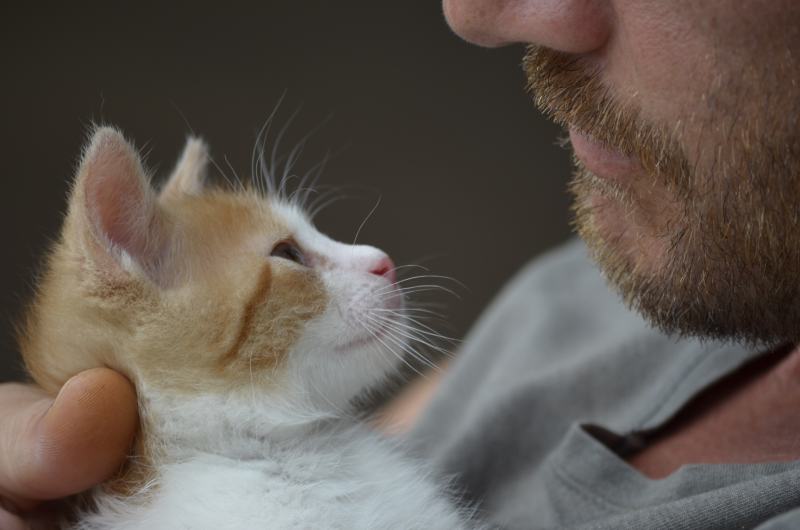
Vomeronasal organs are optimized to detect odorless pheromones which contain information about identity, reproduction and health. These chemicals can even allow other cats to pick up on whether an animal feels stressed, aggressive, or friendly. Adult cats use pheromones to mark territory and find mates, whilst kittens. These chemicals can even allow other cats to pick up on whether an animal feels stressed, aggressive, or friendly. Kittens rely on pheromones picked up through their vomeronasal organs to identify their mothers. If a kitten is placed between two nursing queens, it’ll give the air a sniff and naturally gravitate toward its birth mother.
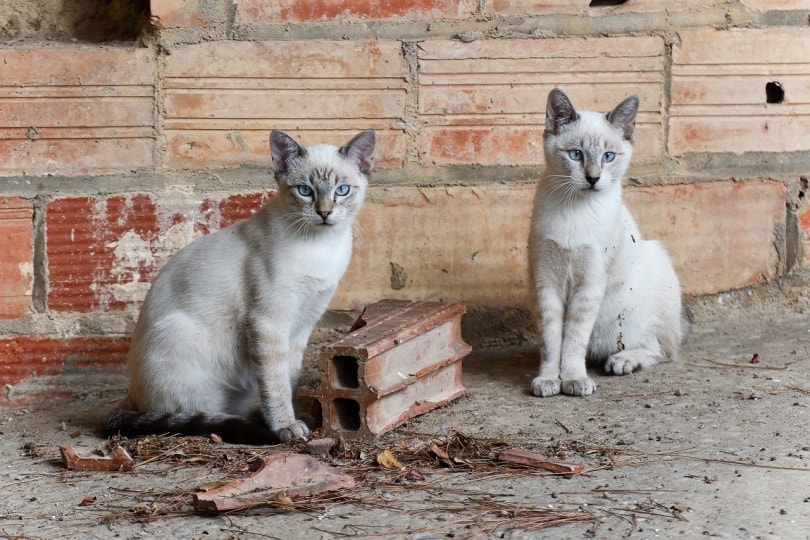
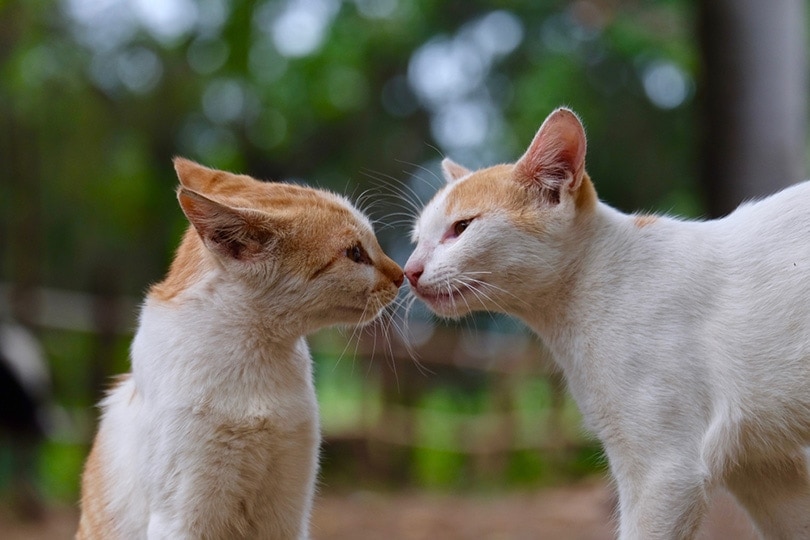
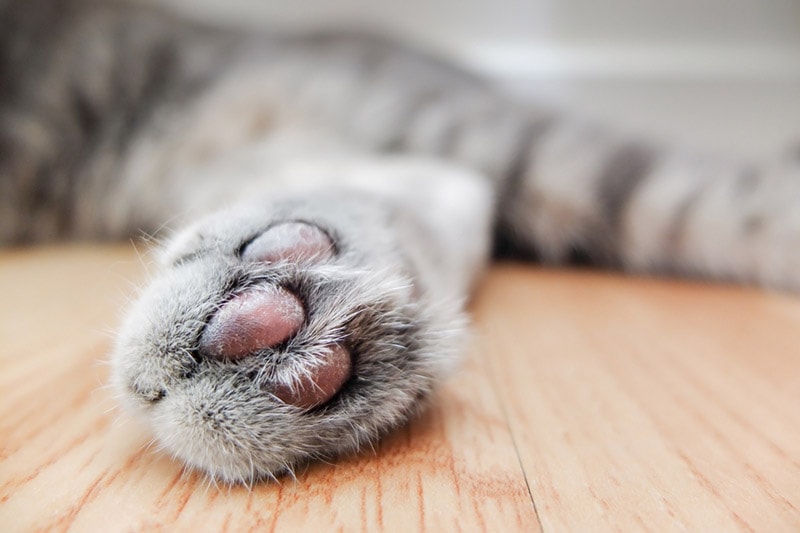
Cats have pheromone-producing scent glands around their whiskers, ears, and foreheads, and they can also be found around cats’ bottoms and on their paws. This is why cats often rub against each other when first meeting. The contact allows both animals to learn more about the other through contact with the other’s pheromones. When cats rub against furniture, they leave behind their scent to mark the territory.
Outdoor cats often scratch to sharpen their claws and leave their scent behind to notify other cats that the area has already been claimed. Feline urine also contains pheromones. Indoor cats often mark their territory by spraying when feeling threatened or insecure due to stress caused by the arrival of a new pet or inter-pet aggression. Outdoor male cats frequently spray to ensure potential competitors know their presence and help females in estrus track them down.
Is the Flehmen Response Only Seen in Cats?
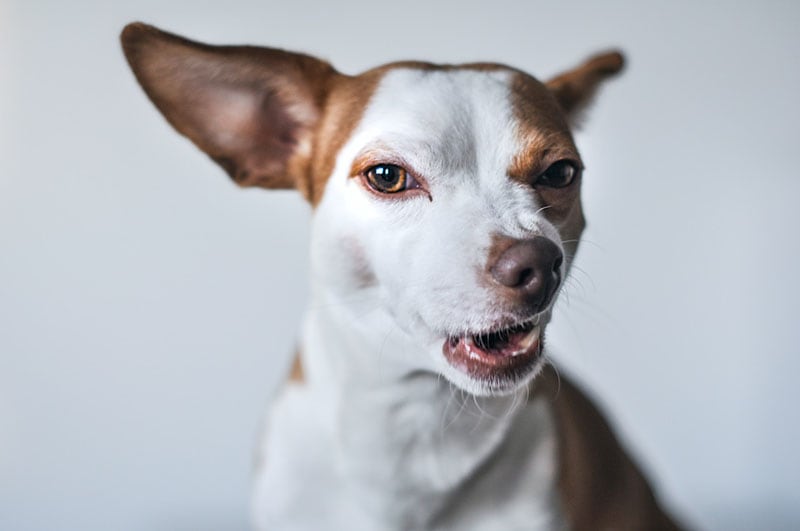
No! It’s also seen in goats, dogs, horses, and big cats like tigers. But only some types of mammals exhibit the response, which varies a bit by species. The feline and canine Flehmen responses differ; dogs often chatter with their teeth when introducing scent molecules to their vomeronasal organs. It’s often seen after male dogs smell a fertile female’s urine.
Jacobson’s organs are found in many animals, including mammals, reptiles, and amphibians. Snakes and lizards both have them, as well as most amphibians. The organ is even present in some humans! Almost all babies have Jacobson’s organs, and they are present in up to one-third of adult humans, although there’s no consensus on whether these are functional or merely vestigial in adults.
What Exactly Are Pheromones?
Pheromones are a particular type of hormone, which are chemicals used by that vertebrates and insects use to communicate. Hormones are chemical receptors that facilitate communication within the body, often transporting messages between multiple organs and systems.
Insects like ants use pheromones to coordinate activities such as colony construction, and s. Some species use pheromones to signal the presence of danger.
Pheromones also encode information about the reproductive status that contribute to decisions about mating. The ones that provide information about sexual and reproductive health tend to linger longer, and travel over greater distances, than warning and coordinating chemicals.

Frequently Asked Questions (FAQs)
Is the Response More Often Seen in Male or Female Cats?
Intact male cats are more likely to exhibit the response than other pets, as they’re often more receptive to the reproductive information encoded in feline pheromones. But the Flehmen response can be seen in male and female cats.
Do indoor cats exhibit the Flehmen response?
Absolutely. Many cats take a second sniff if their person has been around other animals. Cats can immediately sense something different and go in for more information. The new scent often causes the cat to display the flehmen grimace.
Can cats recognize relatives using smell?
Cats can identify their mothers after being separated for months and use smell to identify people and places. Although it is unclear as to whether they recognize familial pheromones as being relatives, they will recognize the scent and pheromones of cats they know. When cats scratch the couch, they are taking care of their claws, and at the same time, having a bit of fun and leaving behind pheromones that create a warm scent of comfort and familiarity.
How Else Do Cats Communicate With Each Other?
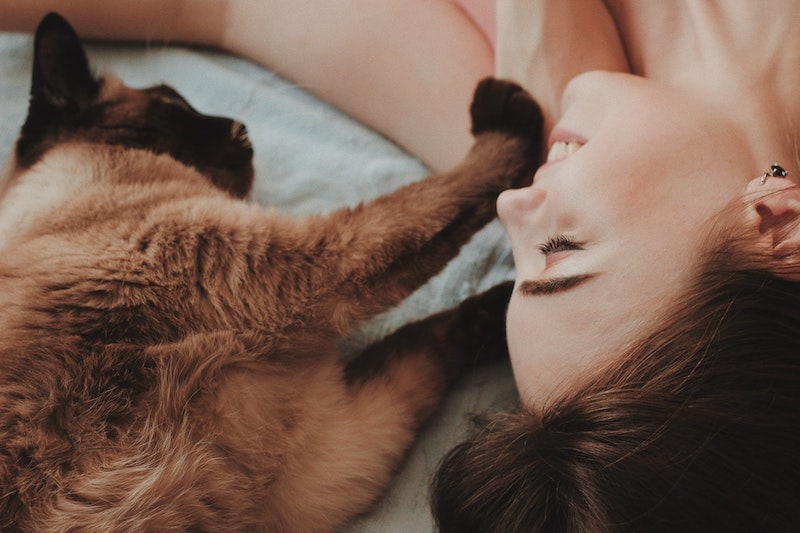
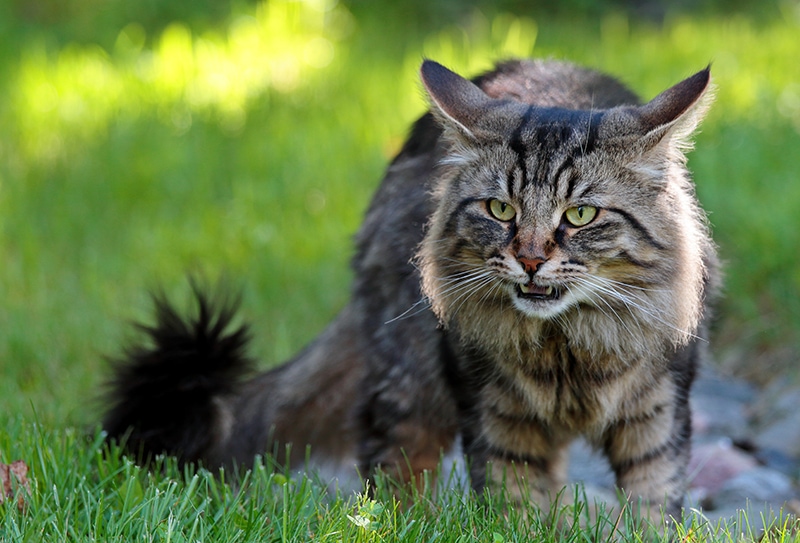
Cats also vocalize and use body language to provide information to other cats. Friendly cats often rub against each other and sometimes link their tails together when snuggling. However, angry cats hiss or snarl to tell other animals to back off.
Adult cats almost never meow when communicating with other pets, and it’s generally reserved for feline-human interaction! However, kittens sometimes meow to get their mother’s attention.
Body language is also an essential element of feline communication. Cats use their bodies, tails, and ears to tell others what they think. Happy felines are often relaxed and walk with their tails upright.
Furious cats often have their ears pointed either straight back or to the side. They often arch their backs and have hair that stands on end. Cats scared to the point of aggression sometimes stare at what’s bothering them while swishing their tails.

Conclusion
The feline Flehmen response often resembles a sneer or grimace. Cats exhibit the behavior when gathering more information about a new smell as it draws scent molecules over their vomeronasal organs. Feline vomeronasal organs are located in cats’ mouths, just behind their top front teeth, and form a direct pathway between the external environment and the brain.
They’re designed optimized to detect pheromones, and cats often rely on their sense of smell to identify familiar cats, people, and spaces. It is also how cats learn about new acquaintances and investigate novel locations and environments.
Sources
Featured Image Credit: Piqsels
Get Hepper In Your Inbox


Pet care tips from our vets and experts, straight to your inbox.
You may opt-out at any time. View our Privacy Policy for more information.
Lorre Luther a reformed lawyer from the United States, she moved to the Netherlands to follow her dream and become a writer. Currently living in Rotterdam, Lorre enjoys traveling and reveling in the astonishing beauty of our planet. As an animal lover, Lorre is convinced that cats are smarter than humans.
Join the conversation
Ask a question, share your story, or send private feedback.