Hepper is reader-supported. When you buy via links on our site, we may earn an affiliate commission at no cost to you. Learn more.
How Far Can Cats Smell? Vet-Reviewed Facts


In this article
Cats have an impressive sense of smell that helps them navigate the world around them. This sense is crucial to their survival. They can smell food, predators, and prey in the wild, helping them stay safe and fed. In the house, you may notice your lounging feline suddenly perk up and start wandering over when you start cooking something that smells good. But have you ever wondered just how far cats can smell?
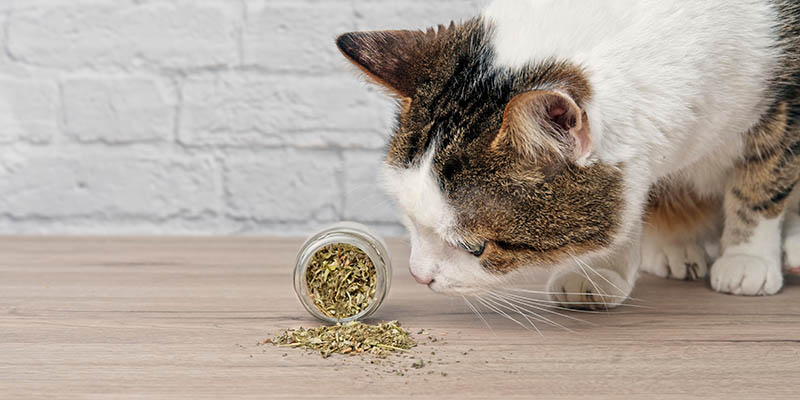
Cats have 200 million scent sensors in their noses. To give you a better understanding of what that means, humans have only 5 million. A cat can smell up to 4 miles away, and their sense of smell is at least 14 times better than ours! They may even be able to smell you from that far away. Let’s look at how far cats can smell their owners, food, and other scents.

A Cat’s Sense of Smell
A cat’s sense of smell is intact right after birth. Kittens are born blind but will use their sense of smell to find their mother for milk. For the rest of their lives, they will rely on their sense of smell to locate food.
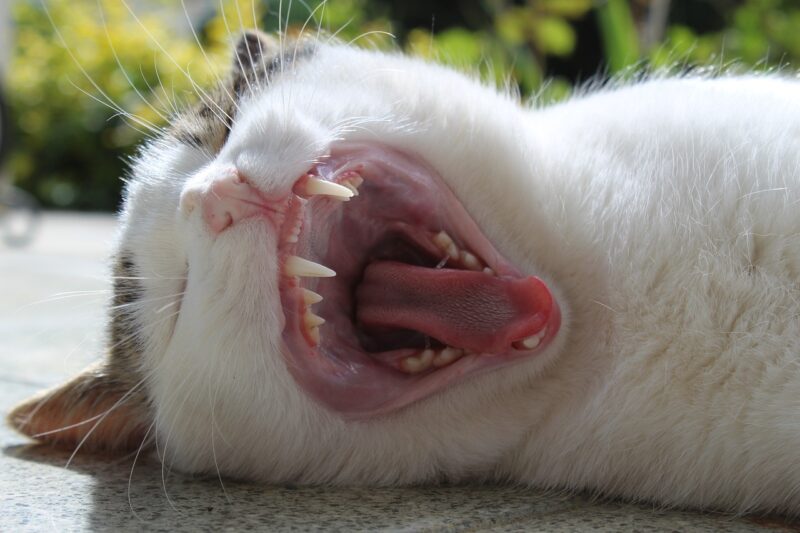
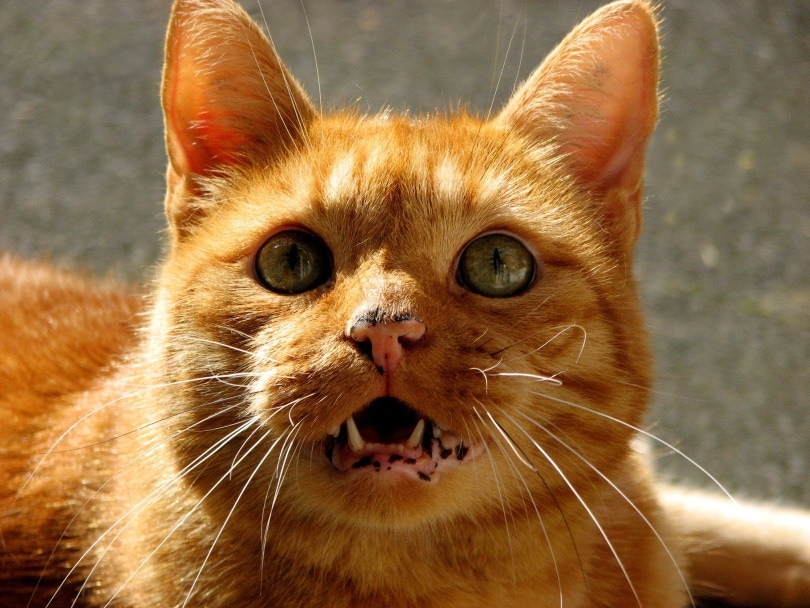
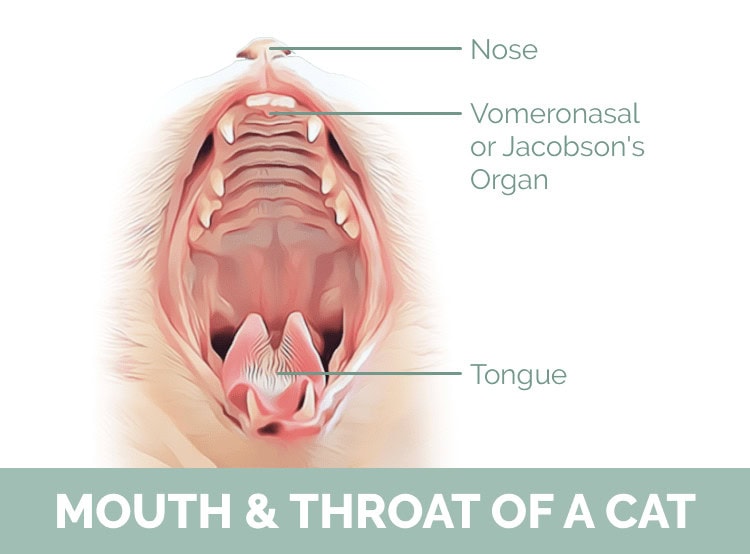
Cats have a vomeronasal organ, also known as the Jacobson’s organ, located on the roof of their mouths. This organ connects to their nasal cavities. If you’ve ever seen a cat open their mouth slightly when smelling something, they are using this organ to learn more about the scent. This organ can also detect pheromones and other scents that humans can’t pick up.
Pheromones are chemical signals used by cats to mark territory, find potential breeding partners, and bond as members of a pack. A male cat can detect the odor of a female cat in heat from several blocks away.
Olfactory Receptors
Olfactory receptors in cat noses are much more numerous than those of humans. Cats have millions more of them than people do and can detect odors that we cannot.
When cats inhale odor molecules, they dissolve in the mucus of the nasal canal. Olfactory cells then use cilia to move the mucus toward the olfactory receptors. Once the molecules bind to the receptors, the neurons convert the chemical signal into electrical stimuli that are sent to the brain to let them know what they are smelling.
How Far Away Can Cats Smell Their Owners?
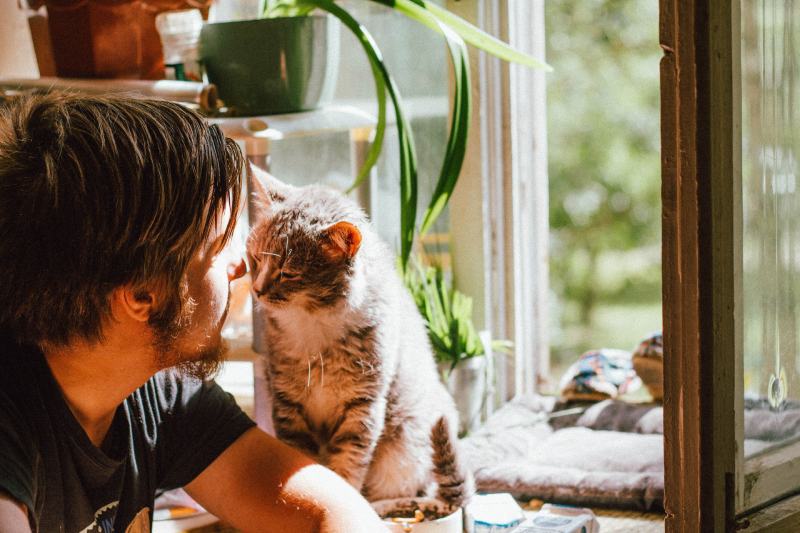
While there is little research to go on, one study found that cats can smell their owners and find their way back home from 1.5 to 4 miles away. Cats possess a natural homing instinct, which explains why some cats that go missing suddenly show up at their front door the next day.
This homing instinct may be weaker or stronger in some cats. Not every cat will be able to find their way back to their owners as easily or at all. There is no certain evidence proving how this instinct works, but magnetic geolocation is thought to be involved.
In 1954, a study was done to determine if cats could navigate a maze and successfully find their way back home. Most of the cats were able to wind up close to their homes, but not if they were wearing magnets. This suggests that magnetic geolocation and scent cues are involved in helping a cat be able to smell and locate their owners.
From How Far Away Can Cats Smell Their Food?
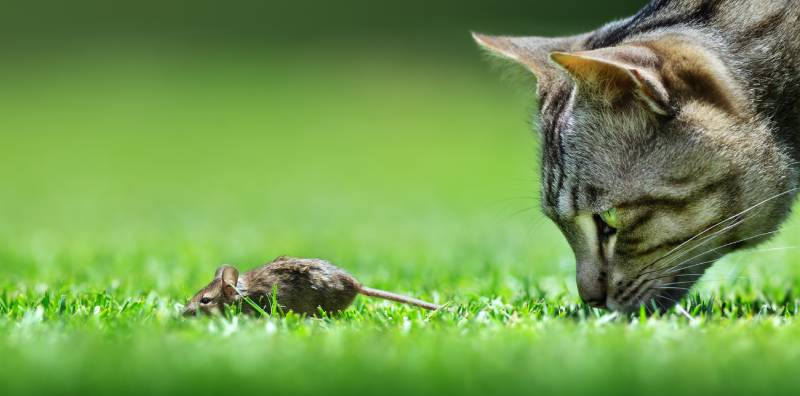
We know that cats can smell their owners from up to 4 miles away, and smelling food will be about the same distance. If there’s anything tasty within that range, a hungry cat is likely to find it. Of course, this will depend on how strong the scent is.
Warmed canned food will smell stronger than dry kibble, so if you’re trying to attract a stray neighborhood cat, put out something with a pungent odor. From blocks away, they should be able to pinpoint where the food is. If the wind is blowing in the right direction, it can help them locate the food easier.
If your cat is in the house, they should be able to smell their food easily. When you open a can of food for their meal, it won’t take long before your cat appears. The enticing scent of food can be enough to wake some cats from a deep slumber in another room.
Sense of Smell for Protection
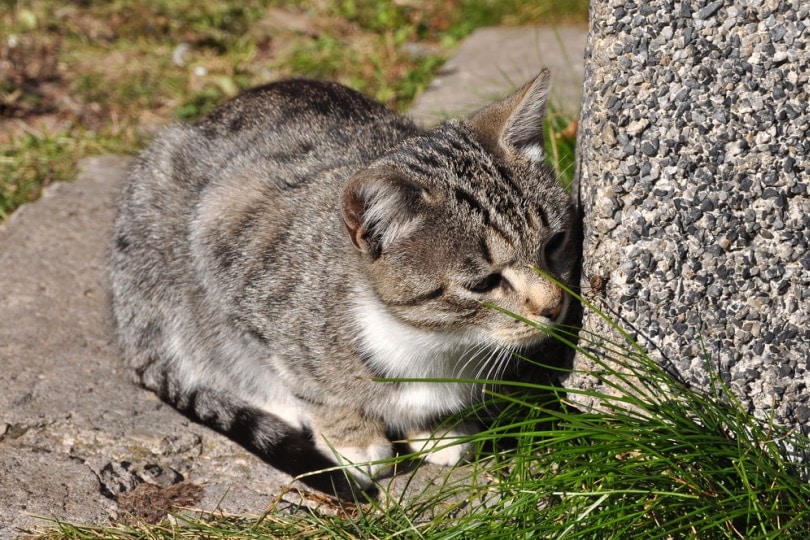
New smells that cats don’t immediately recognize may be a threat to them. They’ll avoid any scents that they don’t trust. This helps keep outdoor cats safe, as they recognize scents before they recognize anything by sight.
If a new cat enters the area, cats can detect this and either work to defend their territory or cautiously inspect the newcomer.
When you walk in the house after being around other animals, your cat may react with caution or aggression. They can smell these new scents on you. For some cats, unfamiliar scents may intimidate them. More laid-back or easy-going cats may not have a strong reaction to strange scents.
Recognizing Their Owners
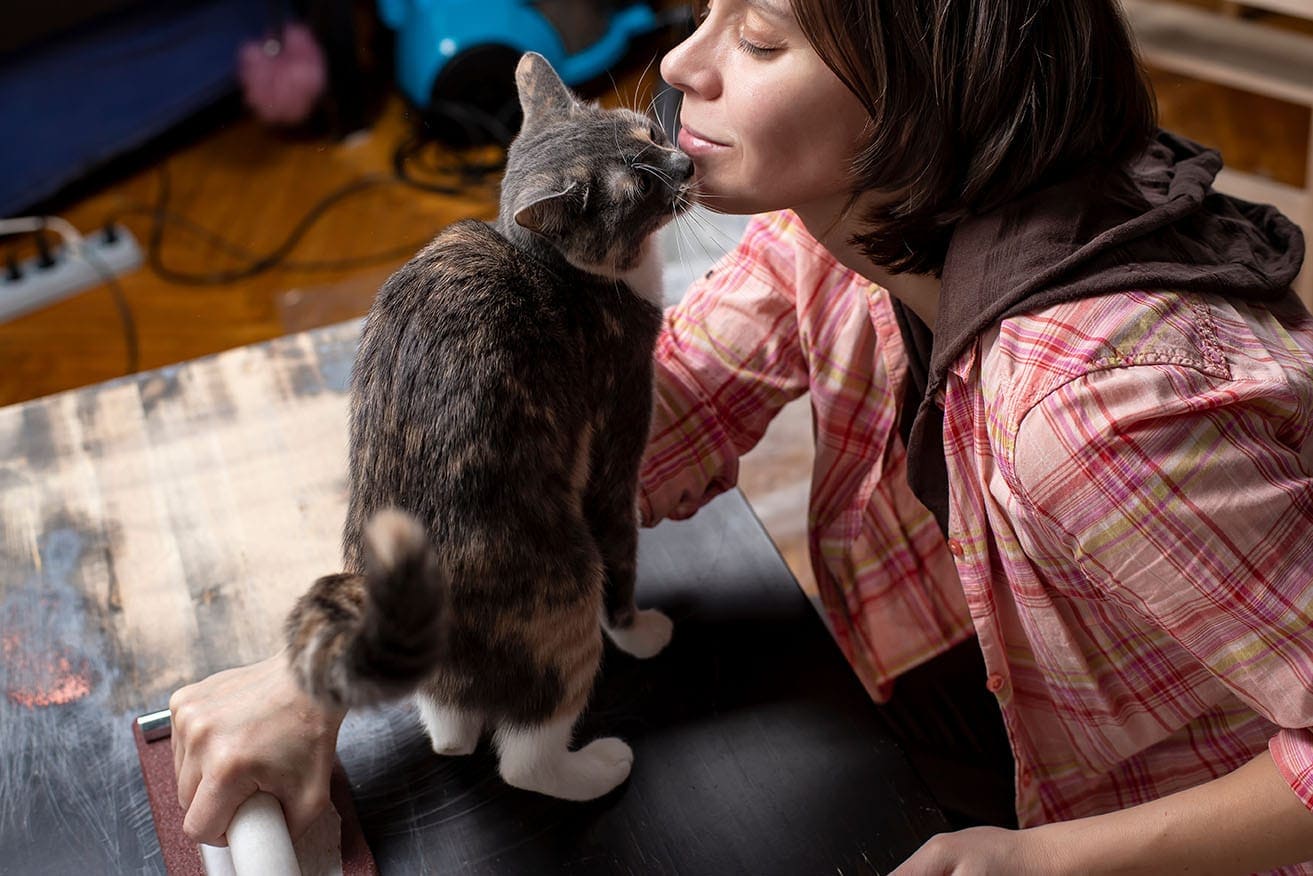
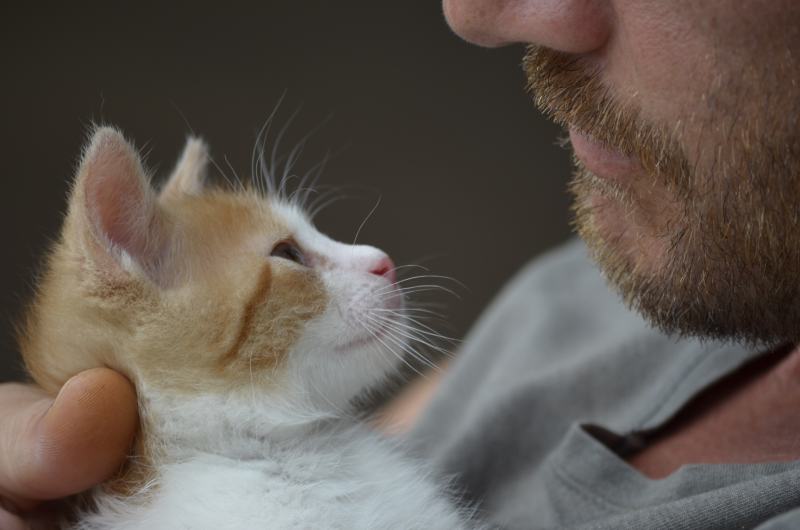
Cats recognize their owners by scent. They sniff their owners to learn their scents and get familiar with them. If your cat repeatedly sniffs you, especially if you recently added them to your home, they are using their senses to learn about their environment. When cats get comfortable with the scents in their surroundings, they associate them with safety and protection.
Conclusion
Cats have a superior sense of smell compared to humans. They can detect smells from up to 4 miles away and have a sense of smell much stronger than ours! When you consider all that goes into a cat’s sense of smell, it’s no wonder that they make excellent hunters. They can find food sources from blocks away. Through evolution, this sense has become stronger to help cats survive in the wild.
Cats recognize each other, predators, and their owners based on smells. Scent is a crucial part of how cats communicate and how they know what to trust in their environments.
Featured Image Credit: MariyaL, Shutterstock
Get Hepper In Your Inbox


Pet care tips from our vets and experts, straight to your inbox.
You may opt-out at any time. View our Privacy Policy for more information.
Nicole is a lover of animals of all sizes but is especially fascinated with the feline variety. She’s the proud mom of Baby, a Burmese, and works every day so he can relax in the sunshine or by the fire. She’s always had a cat in her home and has spent countless days with others, observing behaviors and softening up even the grouchiest of the lot. Nicole wants to share her kitty expertise with you so you and your cat can live happy, healthy, and care-free.
Join the conversation
Ask a question, share your story, or send private feedback.