Hepper is reader-supported. When you buy via links on our site, we may earn an affiliate commission at no cost to you. Learn more.
How to Get a Dog to Drink Water (10 Vet-Approved Tips & Tricks)


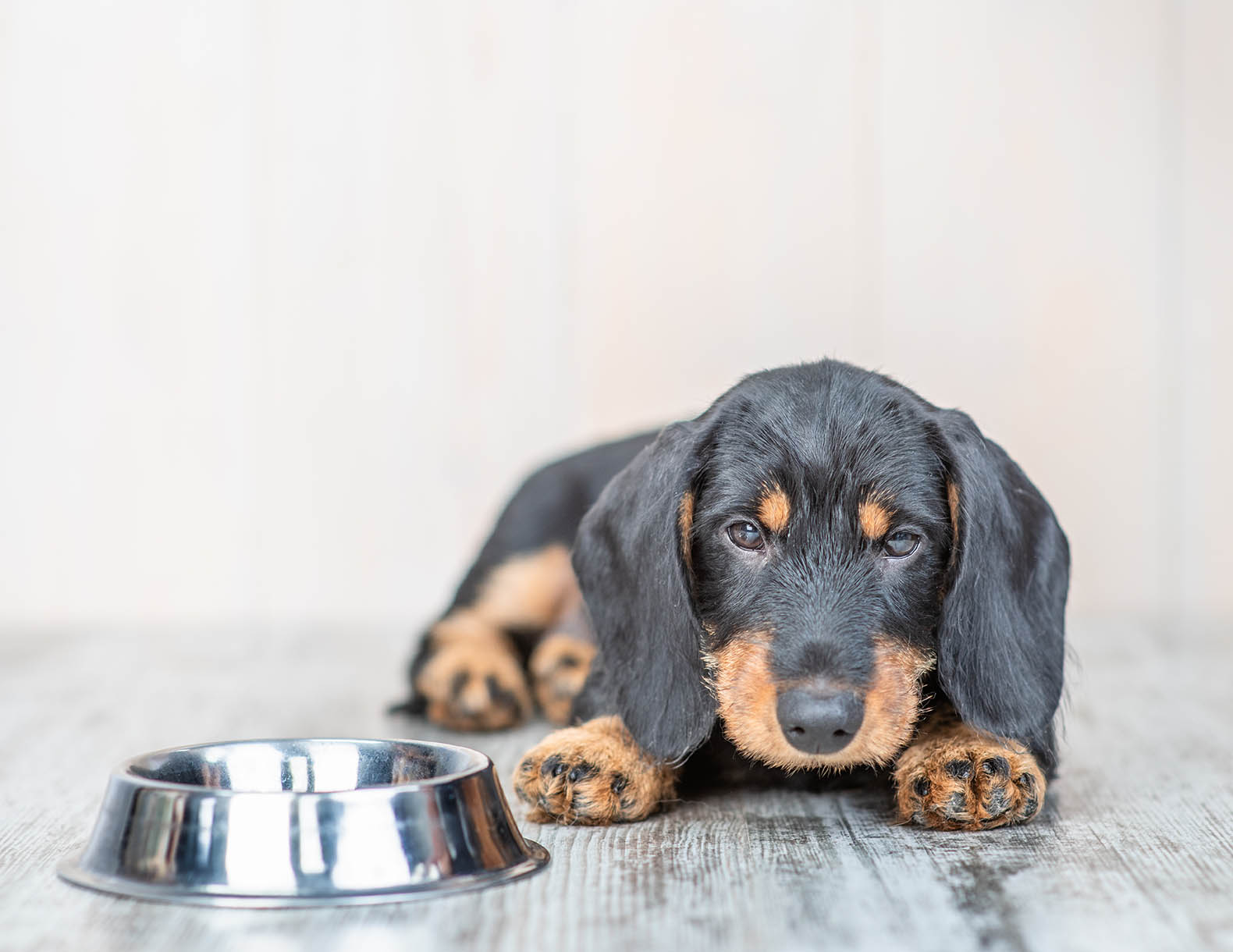
Just like any other animal, a dog requires water to stay healthy and hydrated. This means that getting dogs to drink enough water each day is our paramount responsibility. This is especially important to avoid dehydration.
Dogs might experience dehydration due to several reasons, such as sickness, preference, no access to enough water, unclean water bowls, and foul water. However, sometimes getting a dog to drink water can be a challenging task. With the tips and tricks below, you can actually create a routine whereby your dog will be drinking water voluntarily. Here are the 10 best ways to get your dog to drink water:

The 10 Ways to Get a Dog to Drink Water
1. Get Your Dog to the Vet
Dogs should generally drink enough water on their own when they are healthy. The amount of water they drink per day depends on their size, age, activity level, lifestyle, and type of food. If your dog is suddenly drinking less water than usual, this may point to an underlying health issue and requires veterinary attention. After your vet has given your dog a clean bill of health, you may look into the following ways to keep your dog hydrated, particularly during summer months.
2. Position Multiple Bowls of Water Around the House
Occasionally, dogs might not get enough drinking water due to limited access. Either the water provided might be too little, or accessing the water might be a challenge. Therefore, to encourage the dog to drink enough water, position multiple water bowls around the house.
This act increases the accessibility of water, which prompts the dog to drink more water. The bowls must be positioned in places easily accessible to the dog. Also, remember to regularly check up on the bowls and refill the empty ones.

3. Keep Water Bowls Clean
Just like humans, dogs love clean habitats and feeding and drinking bowls. In fact, some dogs refuse to drink water because the bowls are unclean, which causes the water in them to become dirty. To avoid such an occurrence, it is recommended that you keep water bowls clean at all times.
Apart from encouraging the dog to drink water, keeping bowls clean protects them from diseases and infections. Thus, in addition to keeping the water bowls clean, ensure that the water provided is clean.
4. Feed the Dog Wet Food
If your dog refuses to drink water in adequate amounts, specialists recommend that you consider feeding them wet foods. To achieve this, take some dog food, whether canned, kibble, or cooked, and add some water. Afterward, leave the food to settle for the water to be fully absorbed.
Some people believe that giving a dog crunchy foods aids in cleaning the teeth. However, this should not prevent you from soaking the dog food in some water. Providing wet food can be a helpful option for increasing hydration in some dogs, but it is not the only or universally best solution, as other methods may also be effective depending on the situation.

5. Provide Flavored Water
Sometimes, some dogs can become quite picky with the water they drink. This is not a problem but an issue of preference. Since dogs dislike particular tastes, they might refuse to drink water when they do not like the taste.
One possible way to encourage water intake is to lightly flavor water or offer diluted, dog-safe additives such as low-sodium broth or vet-approved flavorings, but this should be used cautiously and is not a universal solution for all dogs. This may be useful in dogs with reduced appetite due to an illness, but should only be given after a vet has examined the dog and established the cause for reduced drinking or appetite.
To flavor water, dog owners might also use broth. Broth has a savory smell that can make water more appealing to some dogs. Examples of broth are chicken broth, bone broth, and beef broth. Adding small amounts of low-sodium chicken broth into water may encourage some dogs to drink more because it increases the aroma and flavor compared to plain water.
6. Provide Different Bowls
Just like humans, dogs have preferences too. Sometimes a dog might not drink water because it does not like the bowl. To overcome this aspect, it’s recommended to have several kinds of water bowls, such as glass, ceramic, stainless steel, and plastic.
You can try different bowl materials or shapes if your dog seems reluctant to drink, as some dogs may prefer certain bowls. There is no need to change bowl sizes gradually or avoid switching bowls slowly; instead, focus on choosing a comfortable, clean, and appropriately sized bowl for your dog.
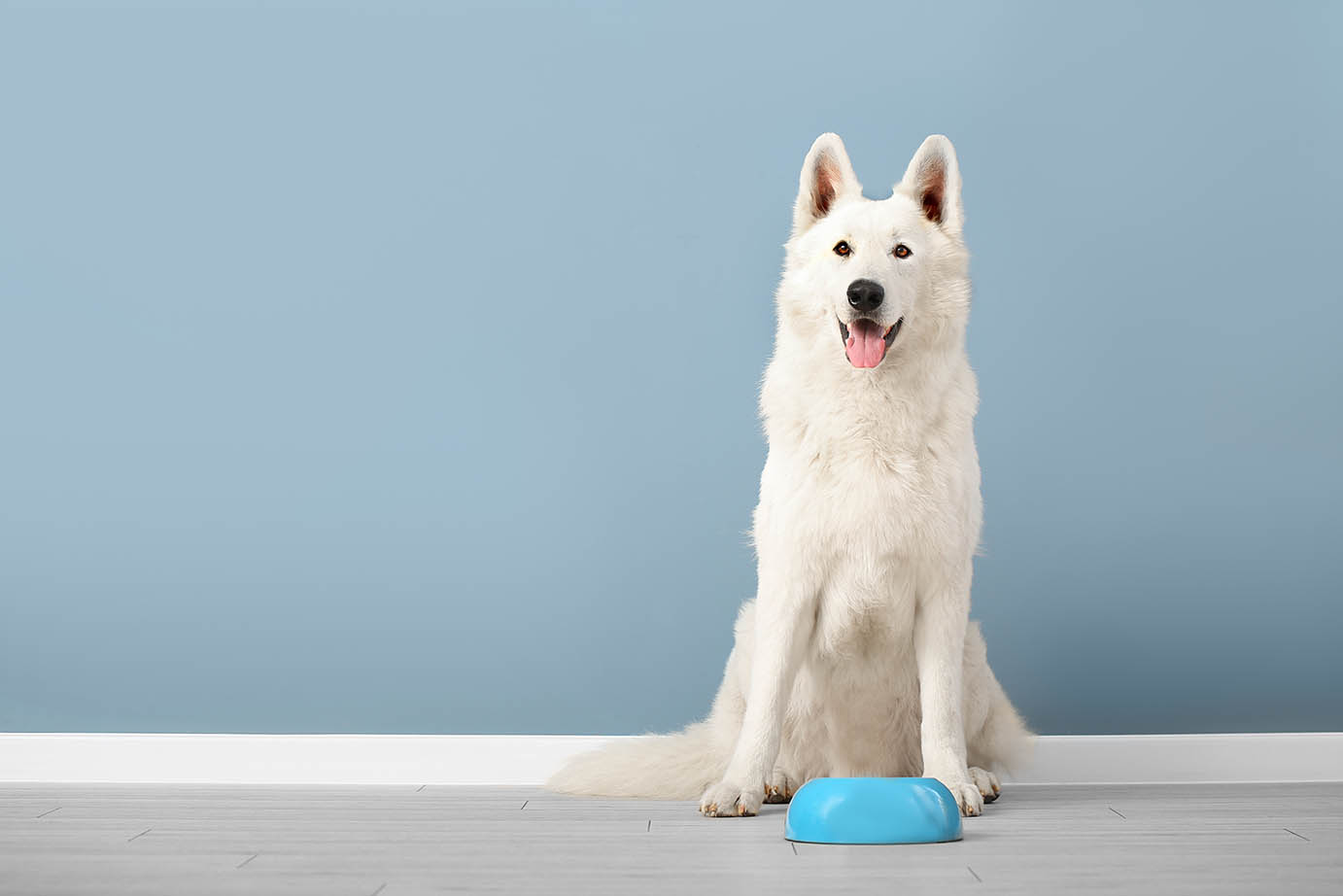
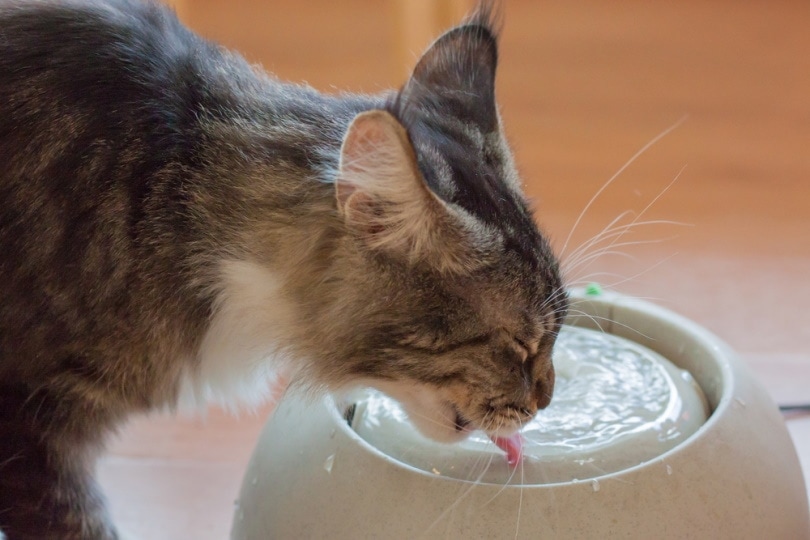
7. Use Water Fountains
In some cases, veterinarians may encourage dog owners to try water fountains. The advantage of using water fountains is that they keep the water fresh through aeration. Water that has remained stagnant in a bowl for a long time may start to taste bad and produce a foul smell. Dogs will not drink this water and will prefer fresh water. Therefore, by keeping water fresh, fountains entice dogs to drink it.
Additionally, water fountains are exciting to dogs. As the water moves out and down, it captures the dog's attention and attracts it to come and drink.
8. Exchange Water Regularly and Keep It Cool
When water stays too long in a bowl, it becomes warm and foul. Due to the bad taste and foul smell, dogs might get discouraged from drinking the water. So, water must be exchanged regularly to keep it fresh.
Cooling the water also aids in keeping it fresh. It also helps to refresh your dog, especially after a run or a long walk. To keep the water cool, occasionally add several ice cubes.
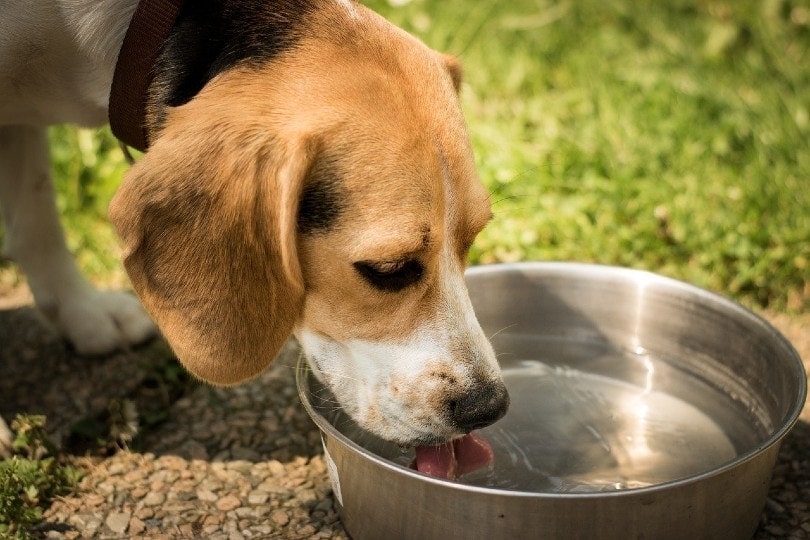
9. Exercise Your Dog
Exercise can be tiresome. Therefore, after a run or a long walk, it is natural for a dog to get thirsty. Due to this thirst, the dog is more likely to drink water. Although many dogs are more likely to drink after exercise due to increased thirst, responses vary, and hydration should be encouraged through consistent access to fresh water rather than relying solely on post-exercise thirst.
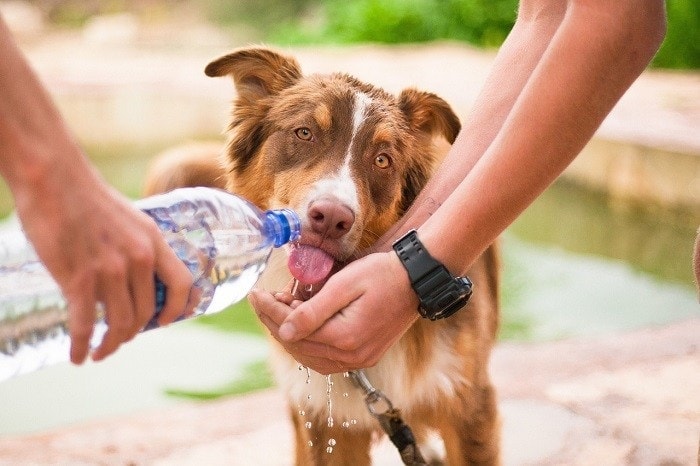
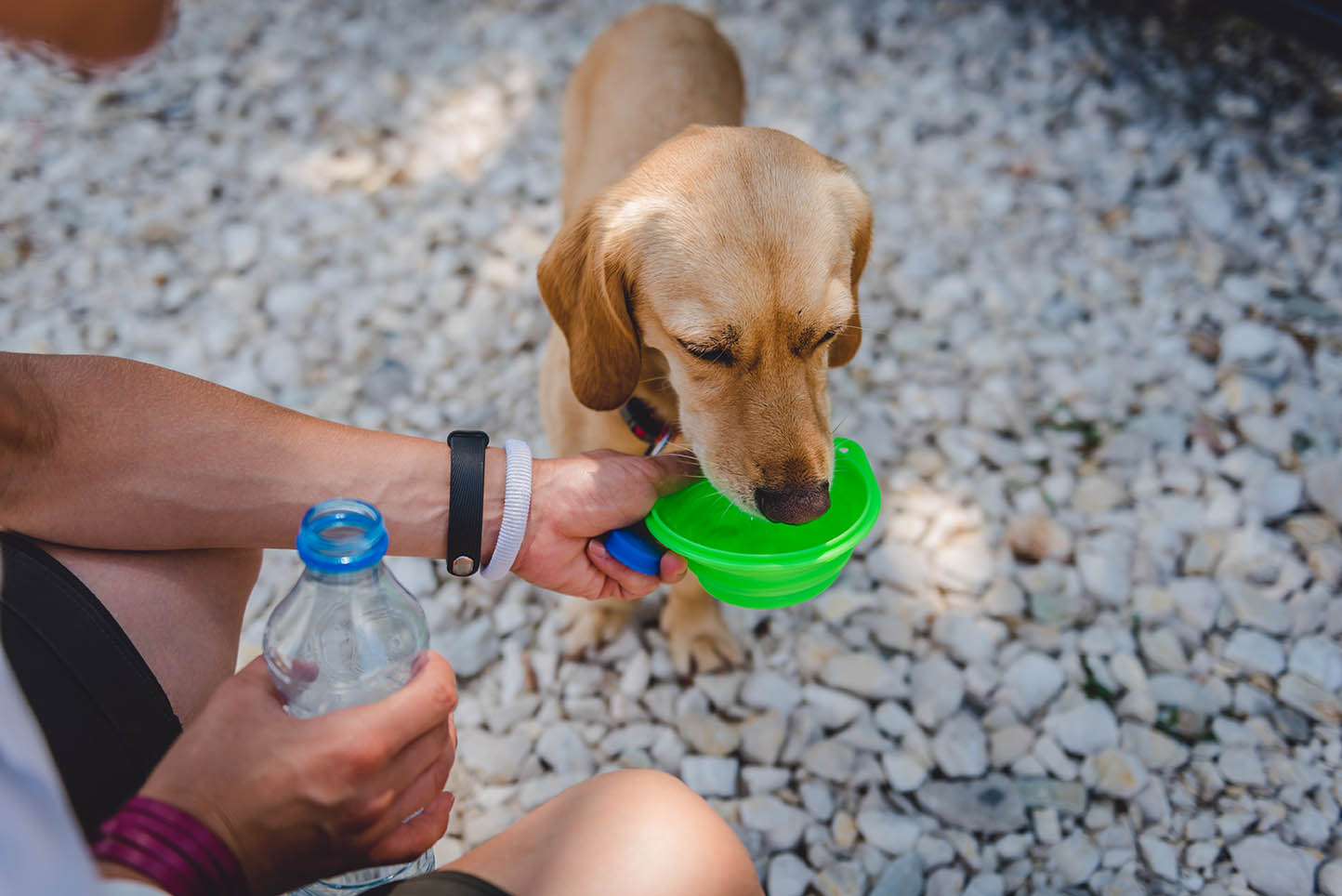
10. Offer Water by Hand or Bottle
When a dog is sick, they might feel too tired to lap up water from a bowl by themselves. In such cases, gentle encouragement such as offering water by hand may sometimes be helpful, but it should be done carefully and is not appropriate in all situations or a substitute for veterinary care. However, many dogs will require intravenous fluids in this case instead of trying to make up for the fluid loss by mouth.
Alternatively, small amounts of water can be offered carefully using a syringe or similar method if advised by a veterinarian, but care must be taken to avoid choking or aspiration, and it should not replace proper veterinary treatment.

Contact Your Vet
In case your dog still refuses to drink water, it might be high time to contact a vet. If other underlying health conditions are causing your dog not to drink water, your vet will have them diagnosed and treated.
Staying hydrated is very important to all dogs and other animals. Therefore, this makes the above tips crucial when it comes to keeping your pet hydrated. The above tips may help encourage water intake, but if a dog continues not to drink enough, it is important to reassess the situation and consult a veterinarian rather than relying on a single approach.
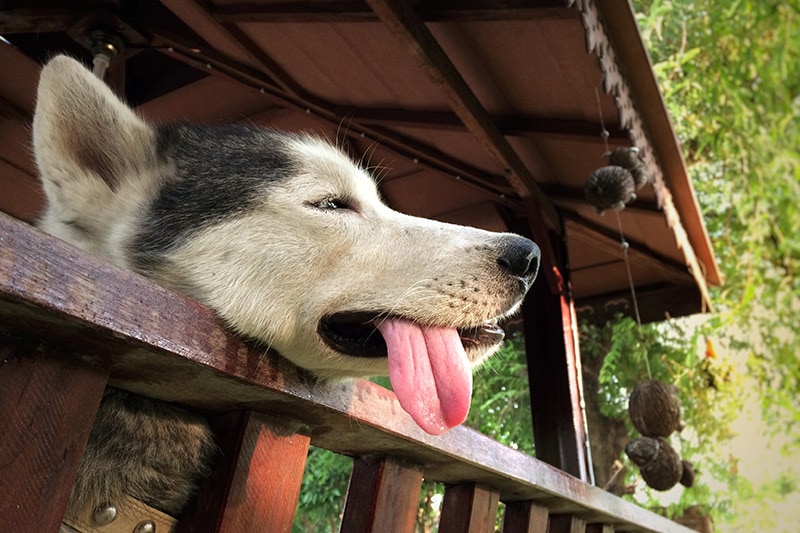
Featured Image Credit: Ermolaev Alexander, Shutterstock
Get Hepper In Your Inbox


Pet care tips from our vets and experts, straight to your inbox.
You may opt-out at any time. View our Privacy Policy for more information.
Nicole is a lover of animals of all sizes but is especially fascinated with the feline variety. She’s the proud mom of Baby, a Burmese, and works every day so he can relax in the sunshine or by the fire. She’s always had a cat in her home and has spent countless days with others, observing behaviors and softening up even the grouchiest of the lot. Nicole wants to share her kitty expertise with you so you and your cat can live happy, healthy, and care-free.
Join the conversation
Ask a question, share your story, or send private feedback.