Hepper is reader-supported. When you buy via links on our site, we may earn an affiliate commission at no cost to you. Learn more.
How Long Can You Leave a Guinea Pig Home Alone? Vet Approved Advice


In this article
Are you going on vacation? You may be concerned about how long you should leave your guinea pigs alone at home. Once upon a time, they lived independently in the wild, so you’d think it would be fine to leave them alone for more than a weekend, but that’d be wrong. When guinea pigs are kept as pets, it's recommended that guinea pigs aren’t left alone for more than 8-12 hours, especially if you only have one guinea pig. Ideally, guinea pigs should be kept in pairs or groups but if you have just one piggy, they can’t be left alone for as long as a group of guinea pigs. If you are leaving your house for more than 12 hours, it's a good idea to make arrangements for a pet-sitter to come and check on them.
In this article, you'll learn why leaving your guinea pigs for more than 12 hours is not a good idea and what to do if you need to leave longer.

Reasons Why It's Not a Good Idea to Leave a Guinea Pig Home Alone
Guinea pigs are social creatures and rely on close bonds with animals and people. Although guinea pigs are relatively independent, you risk causing loneliness and anxiety when you leave home for a long period.
Guinea pigs thrive on routine. Without a routine, guinea pigs can feel neglected reasonably quickly. When you're home, they get used to the sounds of talking, cage cleaning, food times, etc. Their needs aren't met without routine and without you around, leading to the risks below.
1. Risk of Starvation/Malnutrition
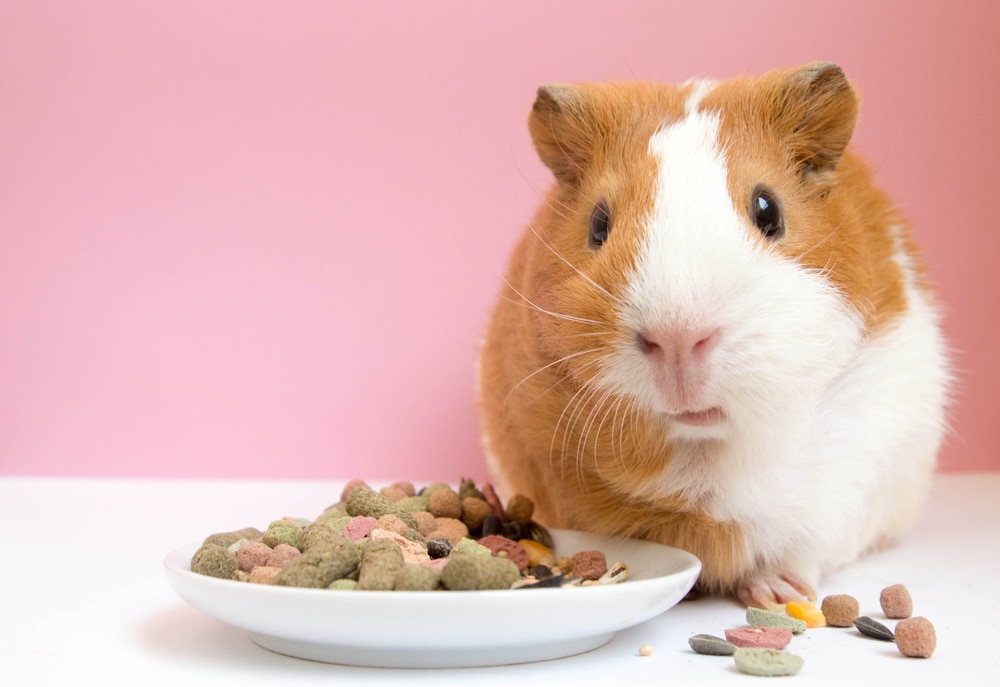
Guinea pigs need various food varieties to sustain and maintain a dietary balance. Hay and commercially formulated pellets are high on your pocket pal's daily list.
When you leave for long periods, you risk them spilling their food and going through their hay supply. On average, it takes one guinea pig about 12 hours to go through 1 cup of commercial pellets and less than that to go through two large handfuls of hay.
Since guinea pigs cannot produce Vitamin C, hay and pellets alone will not sustain or keep them healthy for long. They need a daily Vitamin C supplement, usually in the form of a tablet, and fresh vegetables and fruits to maintain their dietary needs.
2. Risk of Loneliness and Boredom
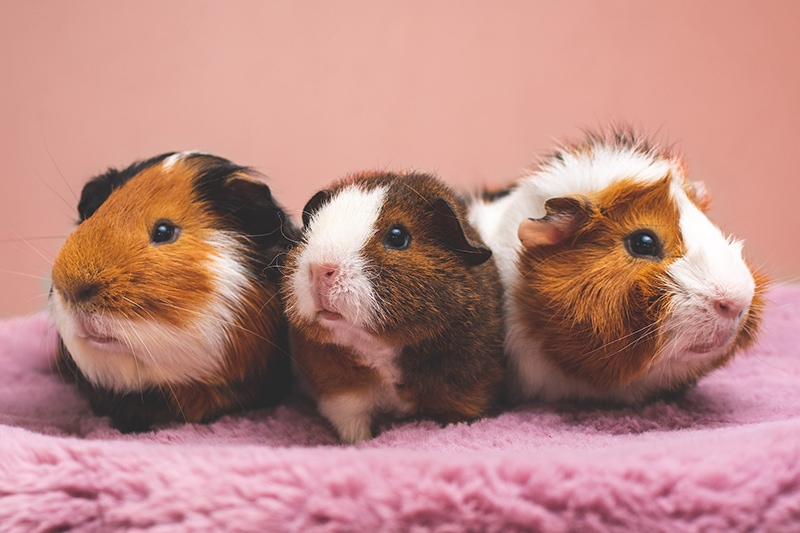
Cavies need lots of love and attention to feel happy and healthy. Without this, they can become depressed, anxious, and lonely. Change in routine such as you suddenly not being there can cause guinea pigs to become stressed. Due to the social requirements a guinea pig needs, it's best to have two or more guineas.
Loneliness and depression can lead to behavioral problems such as destruction, fighting, hiding, and being distempered. Stress increases the risk of your piggie becoming ill. When you leave for more extended periods, your guinea pig can become irritable and chewing or destructive behaviors can start. Having two or more guinea pigs will help this issue, though they can become destructive to one another if left for too long.
3. Risk of Dehydration
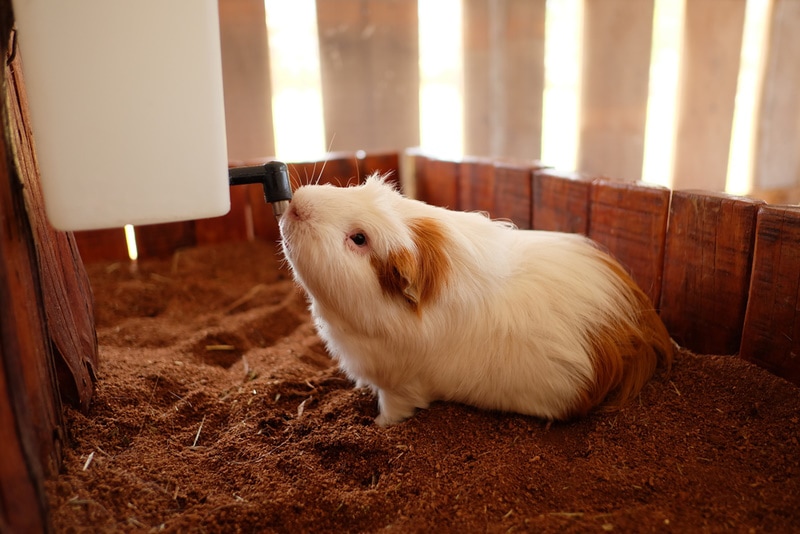
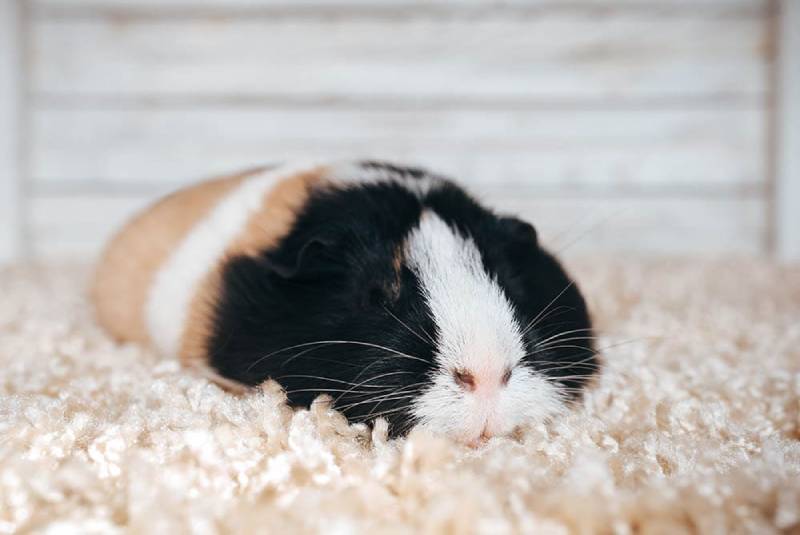
Dehydration is another potential problem if guinea pigs are left alone for too long. Guinea pigs need at least 80–100 milliliters of water daily. This is equivalent to ⅓ cups. Although this doesn't seem like much, there is no way to tell whether your guinea pigs have run out of water when you leave home (unless you have a surveillance system set up), so it's best to get a sitter or plan your vacation accordingly. Water bowls can be knocked over and water bottles can stop working, so without regular checks, your guinea pigs could be left without access to water.
4. Risk of Illness
You must also take into consideration the time of year you are going to be away. Without you being home to regulate the temperature, your guinea pig may become too warm or too cold. A guinea pig's internal temperature is between 99–100°F, and they do best in environmental temperatures of between 65-75°F. If indoor or outdoor temperatures reach lower than 60°F or higher than 85°F, your guinea pig is at risk of serious illness.
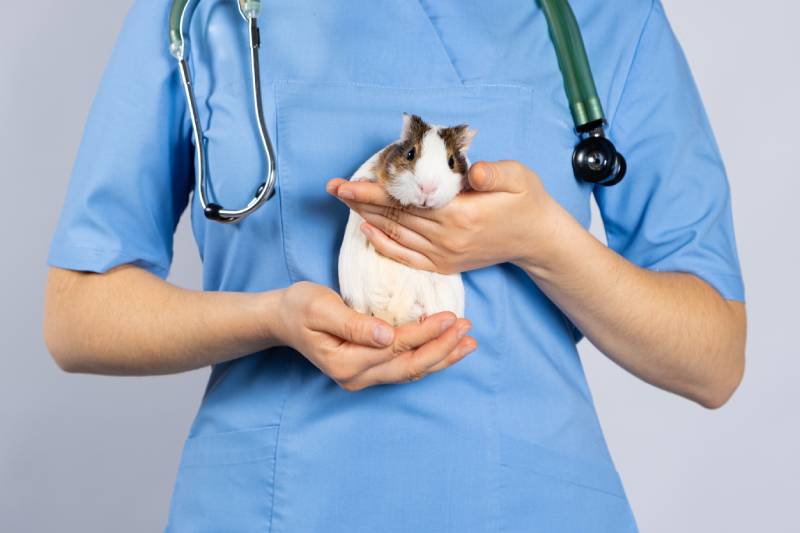
Other risks in leaving your guinea pig alone for too long are changes to their health and nobody being there to notice and get them the help they need. Guinea pigs are prey animals and as such they don’t always show they are unwell until they are extremely poorly . Changes to a guinea pig’s health can occur very quickly and these changes need to be noticed and responded to quickly in order for a guinea pig to recover. Guinea pigs commonly suffer with a range of conditions including inner ear infections, respiratory infections, stomach upset, urinary problems and abscesses. Ear and respiratory infections may occur more commonly when guinea pigs are stressed from overcrowding or a change in routine. Gastrointestinal disorders, most commonly gut stasis (when the gastrointestinal tract stops moving food through it) is most often a consequence of pain, most commonly dental pain, and this needs picking up as soon as possible so that a guinea pig can be treated. Guinea pigs are also prone to urinary stones which can be a result of an infection, inflammation or diet.
5. Risk of Fighting and Injuries
Having two or more guinea pigs increases the risk of fighting due to boredom and stress. If you aren't around to stop a fight or separate your piggies, they could become seriously injured.
Keeping Your Guinea Pig Safe When You Have to Leave
Anything longer than 24 hours is too long to leave your pocket pals alone. However, if you must leave for more than 24 hours, there are things you must do first to keep your guinea pigs safe and healthy.
Before leaving, ensure you complete this checklist:
- Set up a pet sitter to come over while you're gone, every morning and night
- Have a back-up sitter in case your primary sitter can’t come anymore
- Have four water bottles full of water and ensure the suckers are working effectively
- Have three big handfuls of hay available per guinea pig
- Keep three to four dishes of pellets available (the guideline is 1/8th of a cup of pellets per guinea pig per day)
- Chop up some fresh vegetables and fruit and offer them 5 minutes before you leave
- Turn the TV on for some background noise (there are very limited studies into whether this helps reduce stress in guinea pigs, but it might do, so it’s worth a shot).
- Keep a divider in the cage for escape options
- Provide enough chew toys and other enrichment to prevent boredom
- Keep a mini camera above their cage to watch them while you're gone
Ensure you give playtime and cuddles to each guinea pig a few hours before you leave. To make things easier for your sitters, you can provide already cut-up fruits and vegetables in the fridge so your sitter can quickly provide them with some tasty nutrition. Ensure your pet sitter knows to give your guinea pigs a Vitamin C supplement daily while you’re away.
Alternative Options When Leaving Home
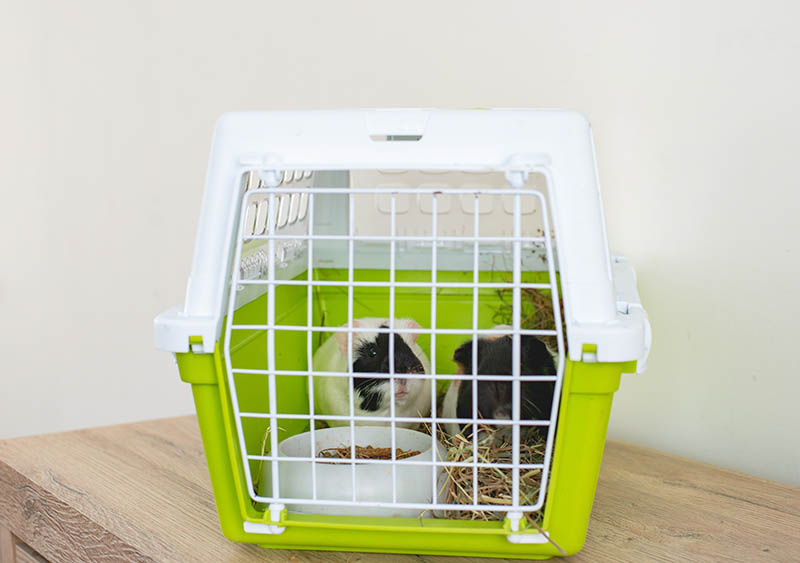
An alternative option is to take your guinea pigs with you, or book them into a boarding service (a home away from home). However, any change to your piggies routine, such as a vacation and change of scenery may stress your guinea pigs, which can lead to health conditions. Getting your guinea pig used to car rides and going places at a young age can be beneficial. If your guinea pigs are older and not used to transportation, they can become stressed easily, so getting someone to come to your house to watch them is likely a better option than taking them with you.
FAQ
Do you still need to decide whether to leave your guinea pig alone or get a pet sitter while you go on vacation? Not to worry, these questions will help you to make your decision.
How Long Can Guinea Pigs Go Without Water?
A guinea pig cannot go without water for more than 12 hours. They have a high-fiber diet so need to drink often to keep their gastro-intestinal tract healthy. If your guinea pig is sick, pregnant, or elderly, they can only go without water for approximately 8 hours, but it’s not ever recommended to make them have to go without.
Ensure your sitter knows what condition your guinea pig is in and provide them with the necessary details to look after your piggies appropriately. If your guinea pig is ill, postponing your vacation is best.
How Long Can Guinea Pigs Go Without Food?
Guinea pigs should have a constant supply of hay to eat to keep their guts ticking over nicely. A shortage of hay can lead to gut stasis, a painful and life-threatening condition. Six to eight hours is too long for a guinea pig without food. Before leaving the house, ensure they have enough for at least 8 hours, and let your sitter know when you last fed them.
How Long Can Guinea Pigs Go Without Fruits and Vegetables?
Guinea pigs can survive without fruit and vegetables for more than 24 hours if they have enough hay, pellets and water to survive within that period.
What Do I Do if I Need to Leave for a Weekend or a Few Weeks?
Make sure you complete the above checklist before leaving home. Contact at least two sitters to ensure someone is visiting and checking on your piggies at least every 12 hours, and this should be more frequent if you have a solo guinea pig. Setting up a webcam to check in while you're away is a good idea so that you can check food and water levels, as well as notice any untoward behavior, such as a lethargic guinea pig, and take action quickly.
Final Words
Guinea pigs are social creatures who thrive on interaction with other guinea pigs as well as their humans. They can be left alone for up to 24 hours, though it's recommended that someone check on them every 12 hours. This reduces to every 8 hours if guinea pigs live on their own.
The best thing you can do while you're on vacation is to ensure your guinea pigs have everything they need before you leave and to have a trusted pet-sitter come and visit every morning and evening, or even better, someone to live in your home while you’re away. A webcam is a great idea so you can check they are being well cared for.
When you are thinking about getting guinea pigs, the amount of time you spend away should be carefully considered first. If you are away on frequent business trips or vacations, a guinea pig may not be the best pet for you to get. Guinea pigs will live an average of 6 to 8 years when well cared for, so having them as a pet is a significant commitment.
Featured Image Credit By: Garna Zarina, Shutterstock
Get Hepper In Your Inbox


Pet care tips from our vets and experts, straight to your inbox.
You may opt-out at any time. View our Privacy Policy for more information.
Tara Perreault is an experienced freelance writer with a specialty in pets and animals. She is a stay-at-home mom of one, and a doting pet parent to two cats, two gerbils, and two guinea pigs. Tara's ambition is to one day open an animal hospice and rescue. In her spare moments, she enjoys education and treasured moments with her pets, family, and friends.
Join the conversation
Ask a question, share your story, or send private feedback.