Hepper is reader-supported. When you buy via links on our site, we may earn an affiliate commission at no cost to you. Learn more.
Traveling With Guinea Pigs: How to & Safety Tips
In this article
Even if you rarely go on vacation, you will need to travel with your guinea pig at some point, such as to your local vet clinic. Guinea pigs aren’t the most adaptable of pets in this area, though, and traveling can be stressful for them and for you.
Keeping them safe during the trip means taking proper precautions. You’ll need to carefully plan the trip, even if it’s a short one, to make sure your guinea pig is as comfortable as possible. Follow these safety tips for traveling with your guinea pig to ensure that your guinea pig is as happy as possible.

How to Travel With Guinea Pigs
1. Plan Your Trip
There are bound to be unforeseen circumstances whenever you travel, but planning your trip can help reduce the impact of any issues. Planning might be a great deal of work, but it’ll give you plenty of time to gather everything that you need and to get to where you’re going.
With proper preparation, you’ll be less likely to forget something important and will also be able to plan your route if you’re driving. Keeping a list of veterinarians, pet-friendly hotels, and rest stops along your route will help you prepare for emergencies, accommodation, and pit stops along the way.
2. Be Mindful of the Weather
The perfect temperature for your guinea pig is 65–75 degrees Fahrenheit, which can be difficult to manage while you’re traveling. It’s best to avoid traveling in extreme temperatures, such as during heat waves, the middle of summer or even winter. You should also remember that your guinea pig might be more sensitive to the weather than you, and temperatures that you find comfortable might not be as cozy for your pet.
When you plan your trip, make sure to check the weather forecast before you head out. It’ll give you a general idea of what temperatures to expect, though you should still be prepared to keep your guinea pig cool or warm as you travel. If you travel by car, running the heater or the A/C can help, or you can use blankets or frozen water bottles as temporary solutions.

3. Travel by Car
Most of the time, the limitations of public transport can make this mode of travel unsuitable for guinea pigs. Some public transportation won’t allow your pet to ride with you at all or will have restrictions, so you should check before your trip.
For example, airlines don’t always allow guinea pigs to ride in the cabin, and the cargo hold can be loud and suffer from a lack of temperature control. Either can be uncomfortable, stressful, and sometimes fatal for guinea pigs.
Driving might take longer and require more planning, but it’s usually the safest option for your pet. A car enables you to control the temperature and the number of breaks that you take during your trip. You can also ensure that your guinea pig’s carrier is secured and can check on them frequently.
4. Provide Food and Water
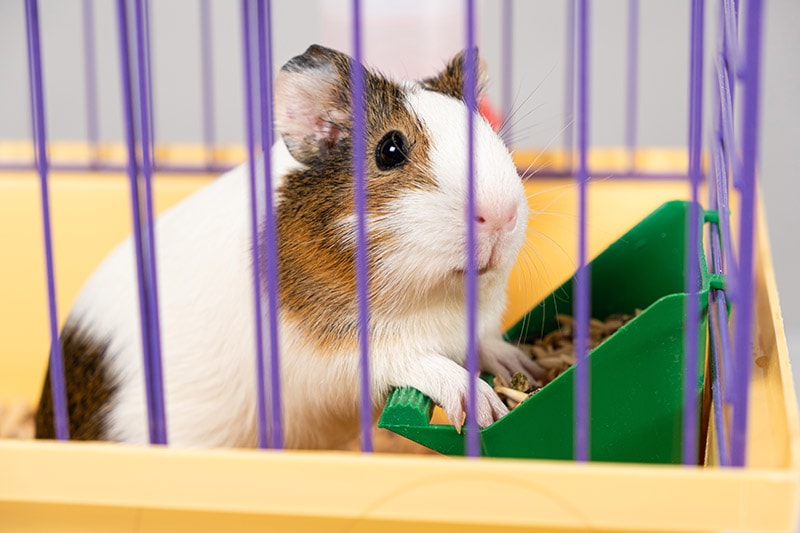
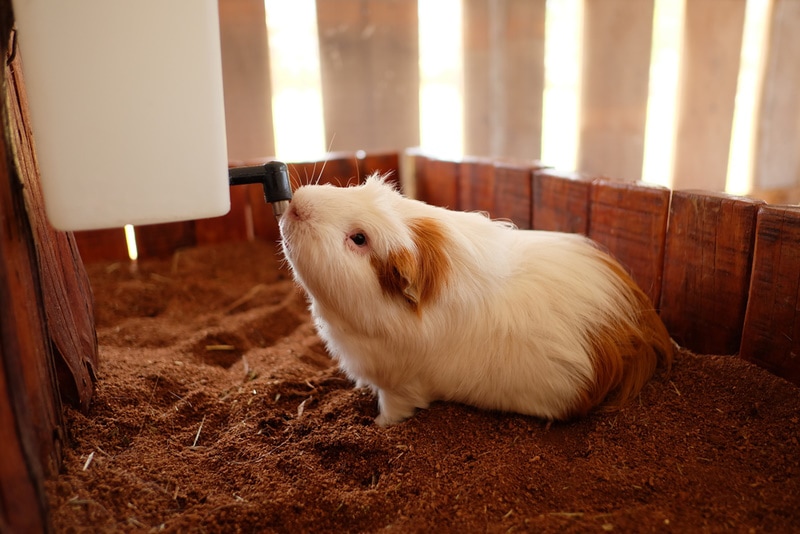
No matter how short you plan on traveling with your guinea pig, giving them food and water during the trip is essential. Certain pet carriers have a food dish attached to the door that you can fill with snacks for the journey, but you’ll need to be more careful with water. A bowl of water can easily spill and soak into your guinea pig’s bedding, making their carrier uncomfortable for them. Bottles can be a problem too, so you’ll need to use one that won’t leak all over the carrier. If necessary, only attach a water bottle to the carrier when you’ve stopped for a break.
You should stop frequently enough that your pet will get plenty of water and their carrier will still stay as dry as possible throughout the trip. Vegetables rich in water content are good snacks too.

5. Pack a Travel Pen
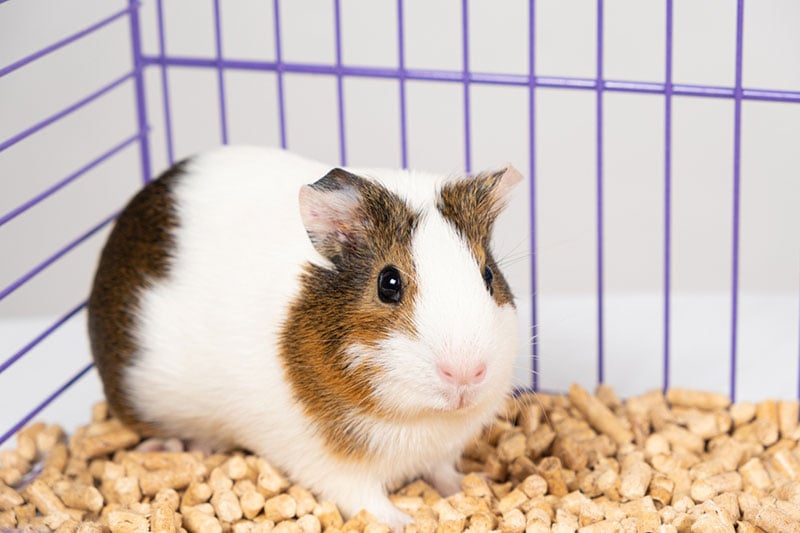
For long journeys, you’ll need a travel pen to give your guinea pig space to roam around once you’ve reached your destination. Guinea pigs dislike being trapped in their cage or carrier all day, and a secure pen will give them enough space to stretch their legs and explore after being cooped up in the car.
Remember to protect the floor with your guinea pig’s favorite blanket, even if you’re staying in a pet-friendly hotel. The staff will appreciate your help in keeping the room as clean as possible.
How to Keep Your Guinea Pigs Safe While Traveling
1. Use a Pet Carrier
Whenever you travel with your guinea pig, you’ll need a reliable and safe carrier for them. Make sure it’s a sturdy, plastic option rather than a simple mesh bag to ensure that it doesn’t get crushed or damaged during your journey. It doesn’t need to be overly large, but it will need enough space to hold both your guinea pigs if you plan to travel with more than one.
To help make the trip less stressful for your pet, put a few of their favorite toys inside, along with fresh bedding. Leaving the carrier in their cage before the trip can also help them adjust to it before you set out.

2. Secure the Carrier
Once you’ve chosen a reliable carrier, you’ll need a way to secure it during your trip. This is one of the reasons that traveling by car is often preferable to flying. Guinea pigs don’t like an excessive amount of movement, and you’ll need to keep the carrier as stable as possible during the drive.
Placing it in the footwell of the car is the safest and easiest option, but if you have limited room, you can keep the carrier on a seat and secure it in place with the seatbelt. Never place your guinea pig in an open truck bed. The road noise and temperature will cause your guinea pig unnecessary stress.
3. Take Frequent Breaks
Traveling with any pet often means making allowances for a much longer trip. While you should take frequent breaks when you travel on your own, it’s even more important to make regular stops when you have your guinea pig with you.
Unless you’re taking a very short trip—which is always preferable for a guinea pig—you’ll need to make routine stops along the way. Make a note of all the rest stops on your route, and stop at least once every 2–3 hours. This will give you time to check on your guinea pig, give them attention, make sure they have water, and feed them a few snacks to keep them happy.
4. Use the Buddy System
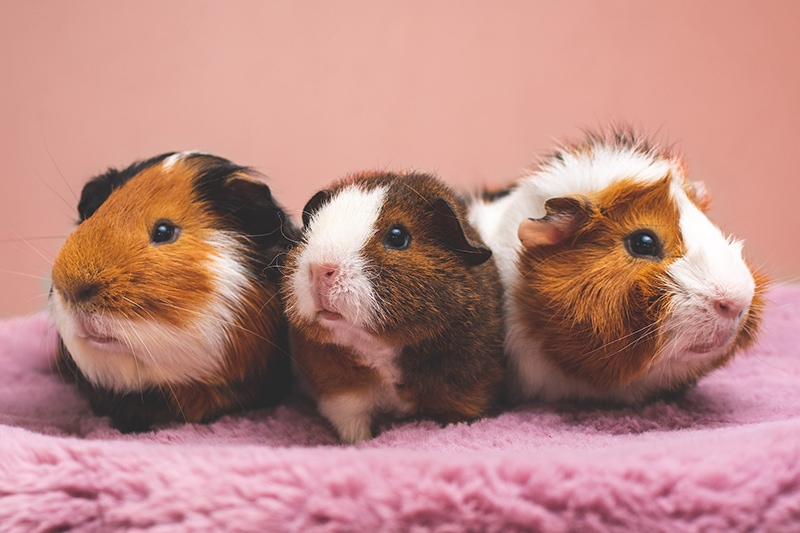
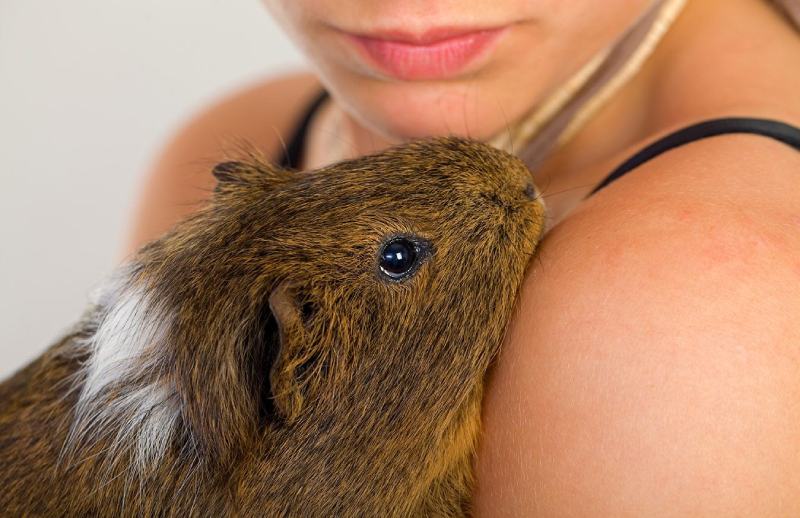
As social animals, guinea pigs always do best with companionship. They can form a strong bond with you, but they do best with a friend. A fellow guinea pig can also help make traveling less stressful. When you need to travel with your guinea pig, whether it's to the vet or for another reason, take their friend along too. Their presence will help reduce the stress of the strange situation. Your guinea pig will still be nervous about the experience, but they’ll also be more comfortable knowing that they’re not alone.
5. Never Leave Your Guinea Pig in the Car
Hot cars aren’t just dangerous for dogs and children; they’re dangerous for other pets too. Never leave your pet—whether a guinea pig or another animal—unattended in the car, even if you’re only stepping out for a quick bathroom break.
The temperature in a closed vehicle can quickly skyrocket, even if you’ve cracked open a window. Don’t be fooled into thinking that leaving your guinea pig with plenty of water will help either. Too-high temperatures can be fatal.

Can You Travel With Guinea Pigs?
When you think of traveling with pets, dogs or cats typically spring to mind. It’s possible to travel with guinea pigs too, though; you just need careful planning and the right supplies. Most importantly, you’ll need a sturdy pet carrier, frequent breaks, and plenty of food and water to ensure that your guinea pig is as happy as possible. This goes for short drives to the vet or long trips for vacations or visiting family.
Should You Travel With Guinea Pigs?
Although you can travel with a guinea pig, sometimes it’s better to leave them at home. Some journeys are unavoidable, of course, such as routine veterinary visits, but there’s no real need to take your guinea pig on vacation with you. There are many ways that traveling with your guinea pig can make your relaxing vacation incredibly stressful.
For one thing, you’ll need to find accommodation and transportation that allows guinea pigs. Public transport in particular has many restrictions when it comes to traveling with pets, and guinea pigs are incredibly sensitive to temperature changes and too many disturbances around their habitat. While you can monitor them in your own car, if they’re in the cargo hold of an airplane, you won’t be able to make sure they’re okay.
In the end, the stress of a long trip might be too much for your guinea pig. It’s often healthier for them if you hire a pet sitter to check in on your pet or stay with them while you’re away. Asking friends and neighbors is an option too; just make sure to compensate them for their time.
Conclusion
Traveling with pets is never easy, and a guinea pig presents an even bigger challenge. They might be small and light, but they have plenty of care needs to keep up with during the journey. How you travel with them can make the difference between an easy trip and a stressful one. We hope that this guide has helped you plan your trip so you can keep your pet safe during your travels.
Related Read: Do Guinea Pigs Like Music? Vet-Reviewed Science & Info!
Featured Image Credit: Markus Vaha, Shutterstock
Get Hepper In Your Inbox


Pet care tips from our vets and experts, straight to your inbox.
You may opt-out at any time. View our Privacy Policy for more information.

Nicole is a lover of animals of all sizes but is especially fascinated with the feline variety. She’s the proud mom of Baby, a Burmese, and works every day so he can relax in the sunshine or by the fire. She’s always had a cat in her home and has spent countless days with others, observing behaviors and softening up even the grouchiest of the lot. Nicole wants to share her kitty expertise with you so you and your cat can live happy, healthy, and care-free.
Join the conversation
Ask a question, share your story, or send private feedback.