Hepper is reader-supported. When you buy via links on our site, we may earn an affiliate commission at no cost to you. Learn more.
How to Potty Train an Older Dog: Vet Approved Step-By-Step Guide


In this article
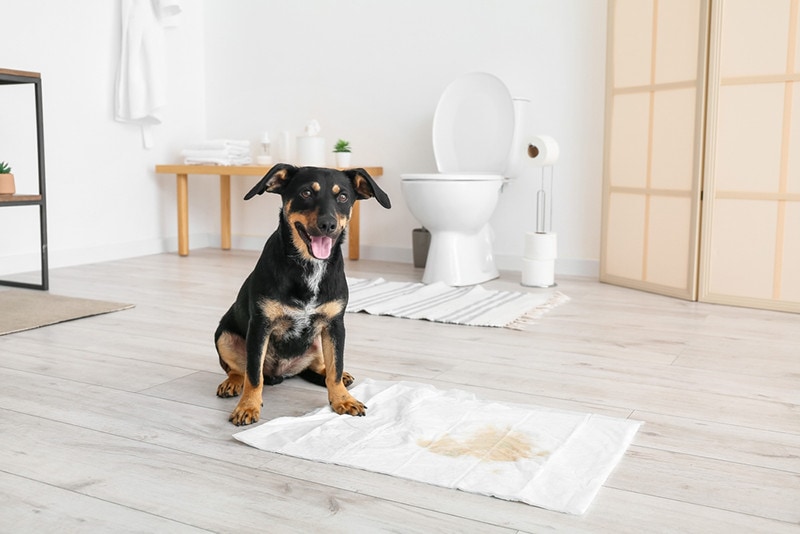
In a perfect world, all dogs would be potty trained as puppies with little chance of potty accidents in adulthood. However, life doesn’t always work out that way. Sometimes, a puppy experiences neglect from previous owners who never bothered to train them; other times, a dog may never have lived indoors, so the idea of having to go outside to use the bathroom is foreign to them. If a dog was previously potty trained but has seemingly forgotten its training, it may be a health condition that is causing the relapse and a trip to the vet is in order.
Potty training an older dog may seem impossible, but it’s not. While you may need to approach the situation differently than when potty training a puppy, you can teach your old dog new tricks by following this step-by-step guide.

Before You Start
Training a dog is not something you can do on a whim. Potty training any dog, especially an older one, requires careful planning. Before you start, you’ll need to consult your vet, understand your dog’s circumstances, and acquire the proper tools.
Consulting Your Vet
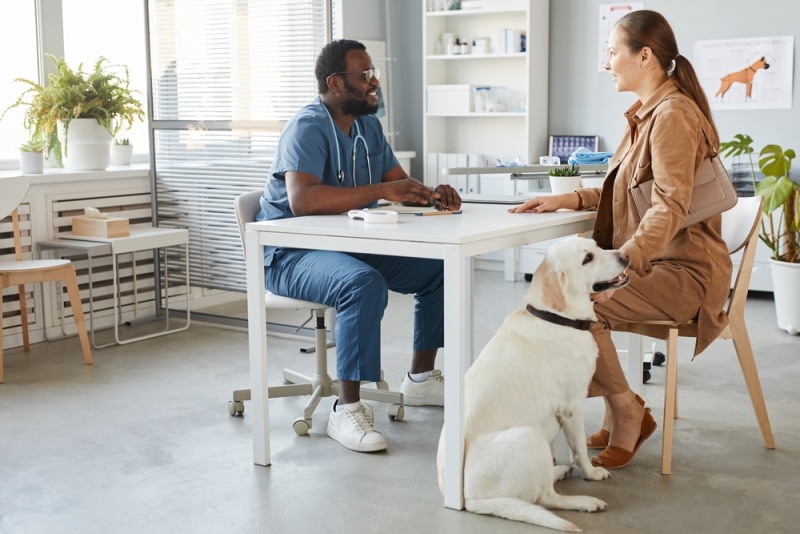
When older dogs seem to forget their potty training, the first step that should be taken is a visit to the vet. Accidental urination or defecation can be the first signs of a medical, cognitive, or behavioral issue. If such an issue is present in your dog, your vet can determine the proper treatment.
Understanding Your Dog’s Circumstances
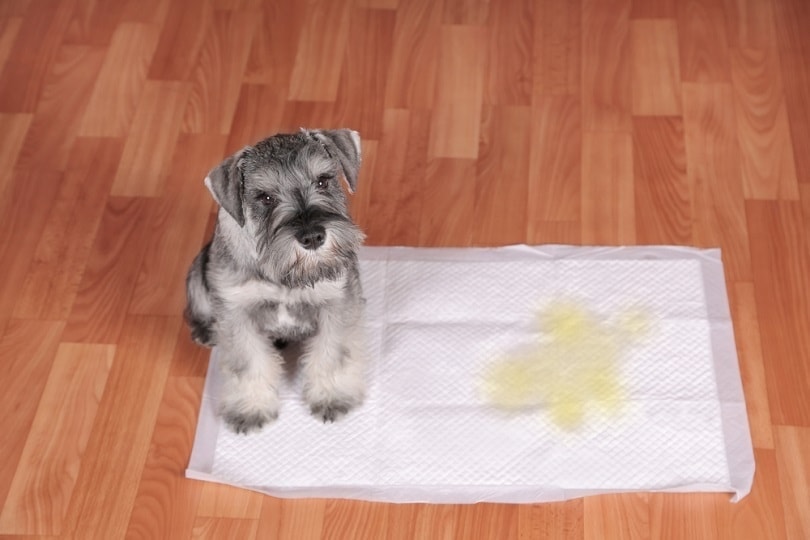
If your vet has determined that your dog’s potty accidents are due to a lack of training, reviewing everything you know about your dog’s past is in your best interest. For example, some dogs were taught to use pee pads rather than hold their bladder, while others were never potty trained.
If you adopted your adult dog from a shelter, it may be challenging to determine their full story. But if you can piece together information regarding their background, that perspective can help improve your potty-training methods.
Acquiring the Proper Tools
If you do not have a crate and treats for your dog, you’ll want to get them now. Both items will play a vital role in potty training your dog.

The 9 Steps to Potty Train an Older Dog
Every dog’s situation is different, and some dogs may require more or less intense training than the steps listed below. Consulting your vet, as well as a professional and certified dog trainer can help you understand your dog’s needs, but in the meantime, keeping these nine steps in mind will help with the training.
1. Turn Your Dog’s Crate into a Calm Space
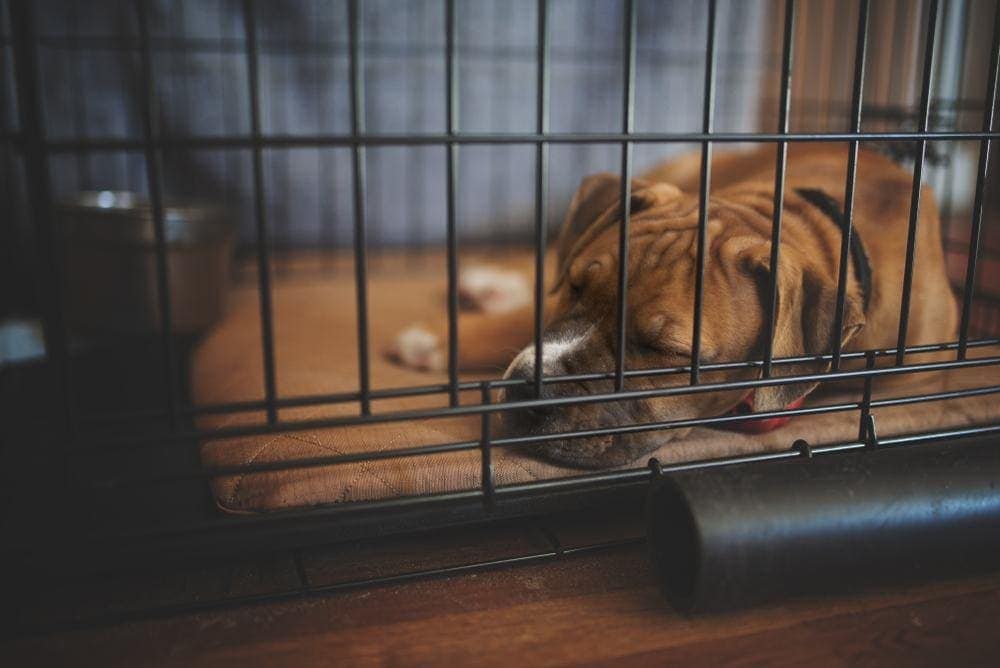
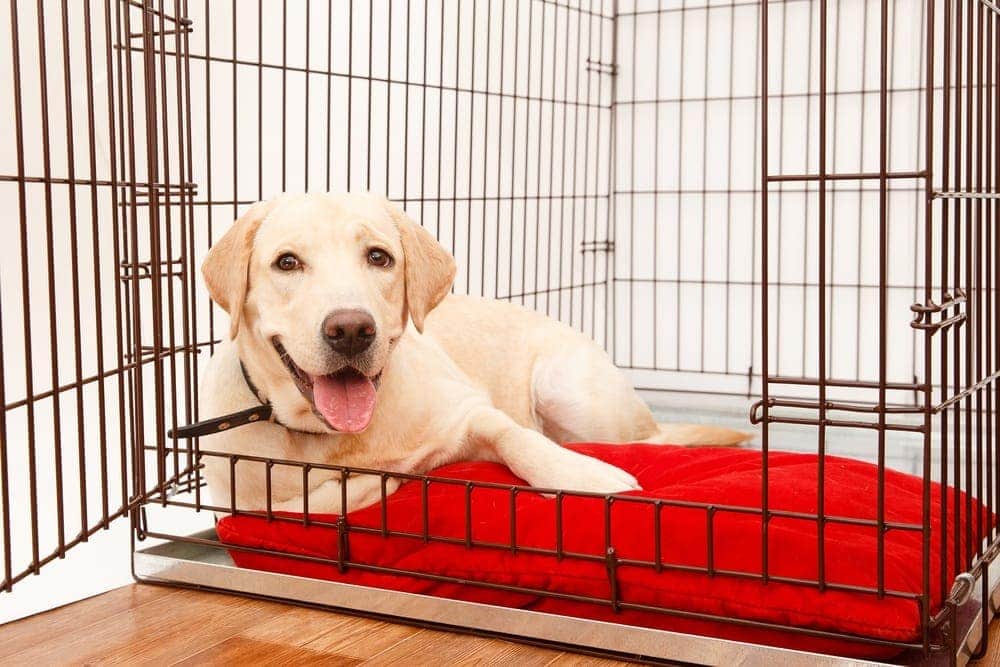
Crate training an older dog is a helpful first step to potty training. When your dog feels their crate is a safe space, they can be happily kept inside it while you are away. If there is a potty accident, the mess should be limited to their crate rather than various corners of the home.
To provide a calming crate for your dog, place it in a quiet area. An example could be a spare bedroom or office that few people enter. Place a blanket over the three walls of the crate to make it look like a cave. This blanket can help block out light and relax your dog.
When choosing a crate for your dog, make sure it is large enough to move around in but not so large that they feel comfortable urinating or defecating in a corner. To determine whether or not a crate is the right size for your dog, check to see if they can stand straight with their tail upright. Likewise, see if they can lie down on their side and turn with ease. If they can, then the crate is the right size for them.
2. Keep Your Dog’s Background in Mind
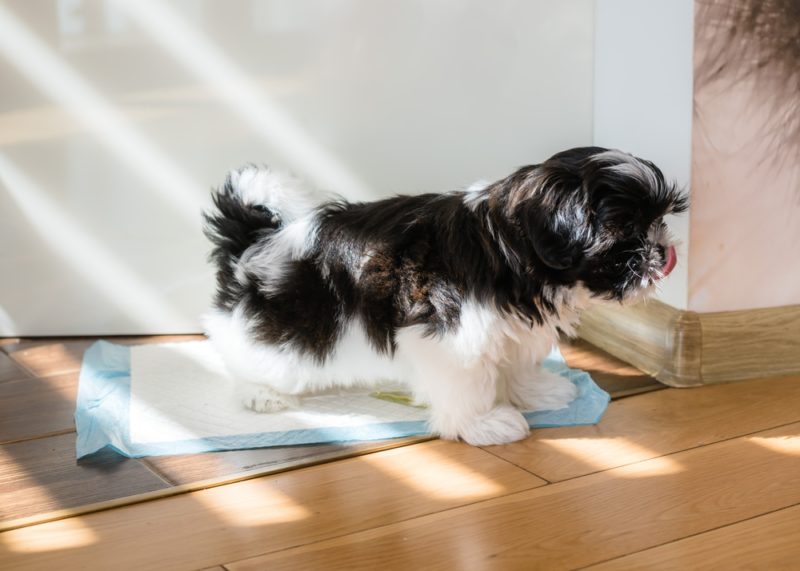
Remember when we discussed the importance of knowing your dog’s circumstances? Here is where it comes in handy. Is your dog trained to use pee pads? Then, you’ll need to wean them off that dependency slowly.
Whatever your dog’s circumstances, keep them in mind when trying to potty train them. Their past experiences will help you understand their behavior if any issues arise.
3. Establish a Routine
While many people may think of dogs as spontaneous creatures, the truth is that they thrive on routine. Knowing when they will eat, rest, and go potty is essential to a calmer, happier life. When your dog knows they can go potty at the same time every day, they try to hold their bladder until that time.
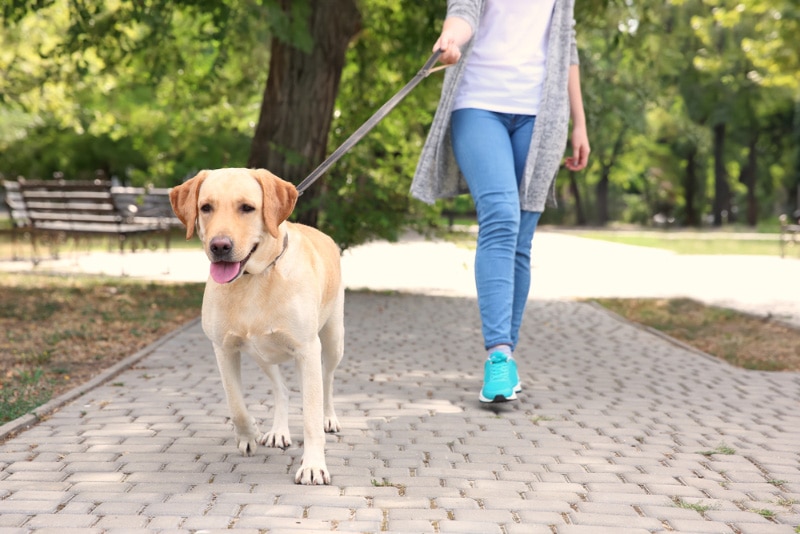
As you work out a routine, keep your dog’s needs in mind. An older dog that struggles with potty training may need to use the bathroom more often than the average adult dog, so schedule frequent potty breaks throughout the day. Take walks in the morning and evening to let your dog use the bathroom, and go for potty breaks after each meal.
4. Follow the Same Routine Every Day
Consistency is vital in all forms of dog training. Once you pick a schedule, stick to it. Straying from the schedule will confuse your dog and inhibit your progress.
5. Teach Your Dog to “Hold It”
Once you’ve established an effective schedule, gradually lengthen the time between potty breaks. It’s better to avoid extending the time between breaks to more than 30 minutes.
If your dog reliably holds their bladder for 4 hours, try waiting 4.5 hours. If they cannot hold their bladder that long, go back to 4 hours and slowly build up again.
6. Reward Your Dog for Good Potty Habits
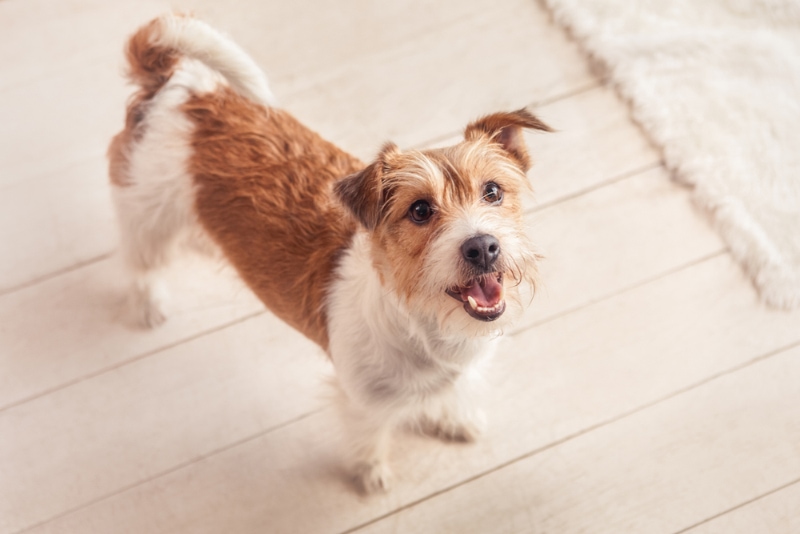
Don’t forget to recognize your dog’s little victories. Whenever they successfully potty outdoors, give them a treat and praise. The positive reinforcement helps them understand which bathroom behaviors are expected of them.
Be prompt and consistent with your praise so that your dog can make the connection between the desired behavior and the reward.
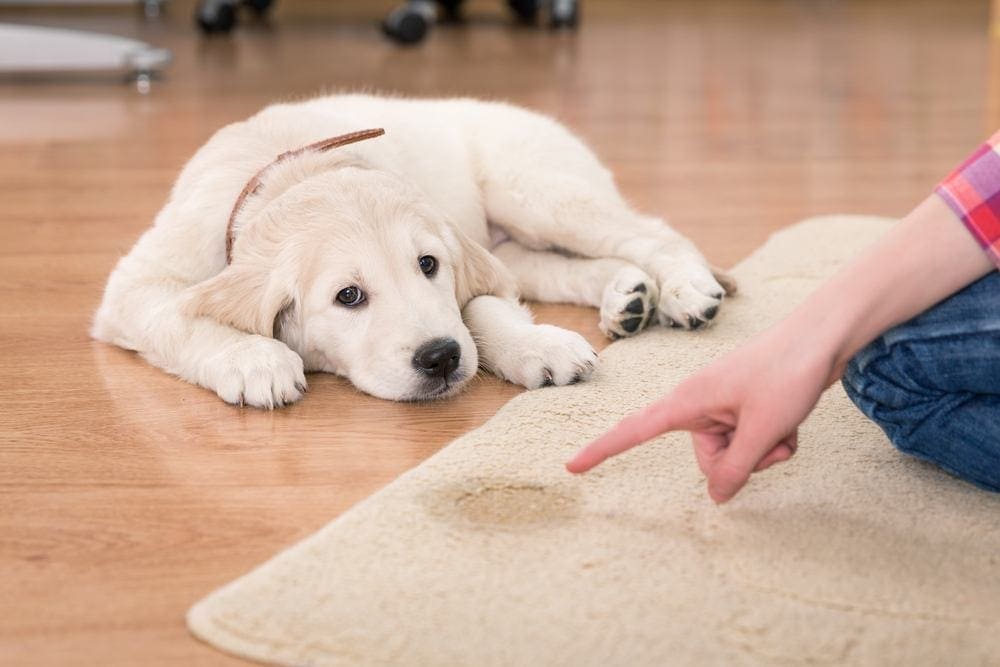
7. If Your Dog Makes a Mistake, Don’t Punish Them
Positive reinforcement is the best way to potty train your dog. Punishments or other forms of negative reinforcement will cause your dog to be frightened of making mistakes, which may lead them to go to hidden areas in the home to go potty.
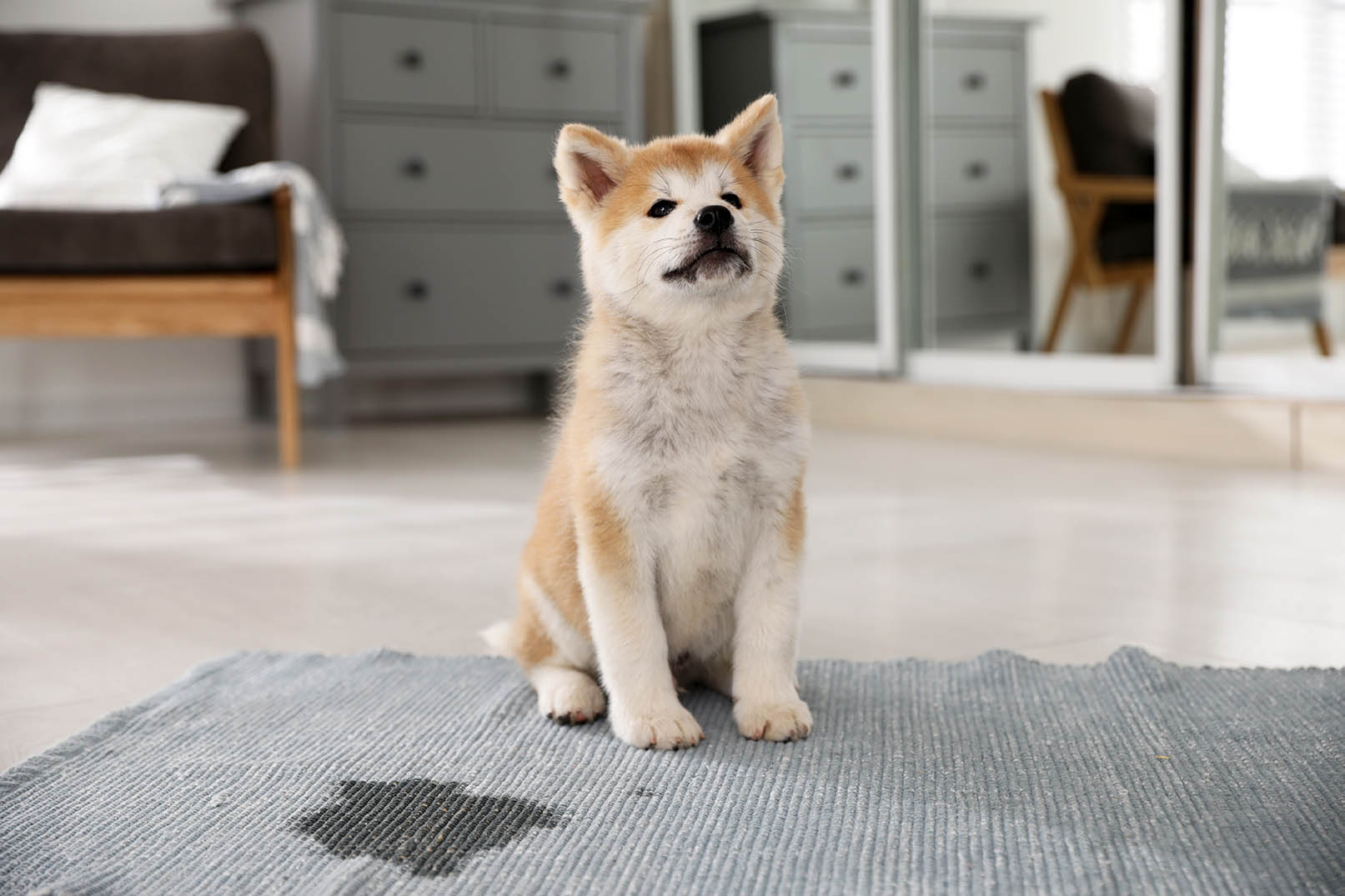
If you catch your dog making a mistake, do not shout or make a loud noise. Call them to get their attention and direct them outside to finish going potty. You can clean up their mess with an enzyme cleaner to ensure that they do not continue going potty in that spot.
8. Recognize Your Dog’s Signals
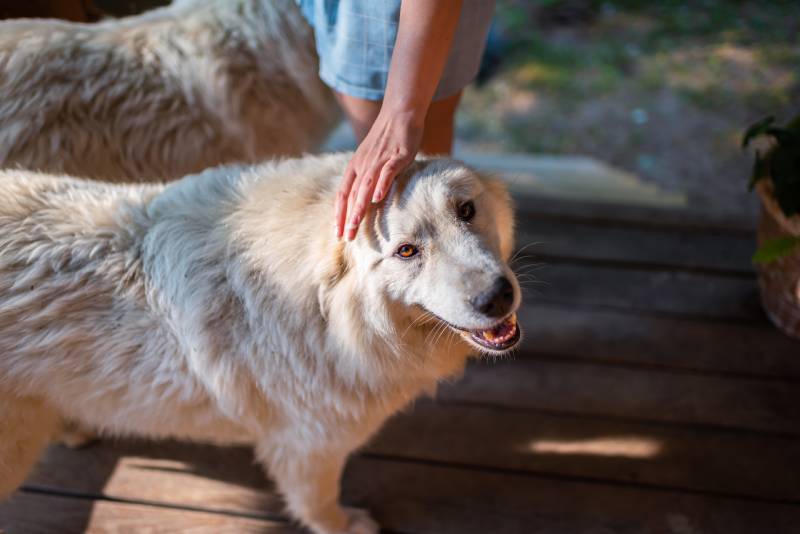
Recognizing the signs that your dog needs to go potty is the best way to avoid potty accidents. Many dogs pace or whine when they need to go, but others may walk in circles or sniff everything in sight. Once you see the signs, take your dog out right away.
9. Be Patient
Potty training a dog can be exhausting, messy work. As frustrated as you may feel at times, never take it out on your dog. Dogs are more emotionally intelligent than many people give them credit for, and they can often tell when you are upset.
Keep your emotions in check and remember that your dog is doing their best to please you. They may just need a little extra support. If you are feeling at your wits’ end, contact your vet or a professional trainer for assistance. They may be able to provide you with methods or techniques that are better suited for your dog’s situation.

Final Thoughts
Potty training an adult dog can be daunting, but it is possible. Older dogs require more patience when training, but eventually, they’ll learn when and where to use the bathroom. We hope this article has given you a guideline to follow as you begin training your dog. Remember that you are not going through this alone, and your vet can be an excellent resource for support and advice during this time.
Sources
Featured Image Credit: Pixel-Shot, Shutterstock
Get Hepper In Your Inbox


Pet care tips from our vets and experts, straight to your inbox.
You may opt-out at any time. View our Privacy Policy for more information.
Pets are Jordyn’s passion, cats especially. Whenever she has the opportunity, she loves to learn about them and share her knowledge with everyone. She is devoted to her tabby cat named Jack and works hard to buy him his favorite treats and toys. Discovering new ways to better care for her pet is always on her to-do list, and she is eager to help pet parents everywhere who have similar pursuits. In her spare time, she loves to read, write, and take long walks. She has a creative spirit, which often helps her to come up with funny cat names.
Join the conversation
Ask a question, share your story, or send private feedback.