Hepper is reader-supported. When you buy via links on our site, we may earn an affiliate commission at no cost to you. Learn more.
How Long Can a Dog Be in a Crate? 6 Vet Reviewed Training Tips


In this article
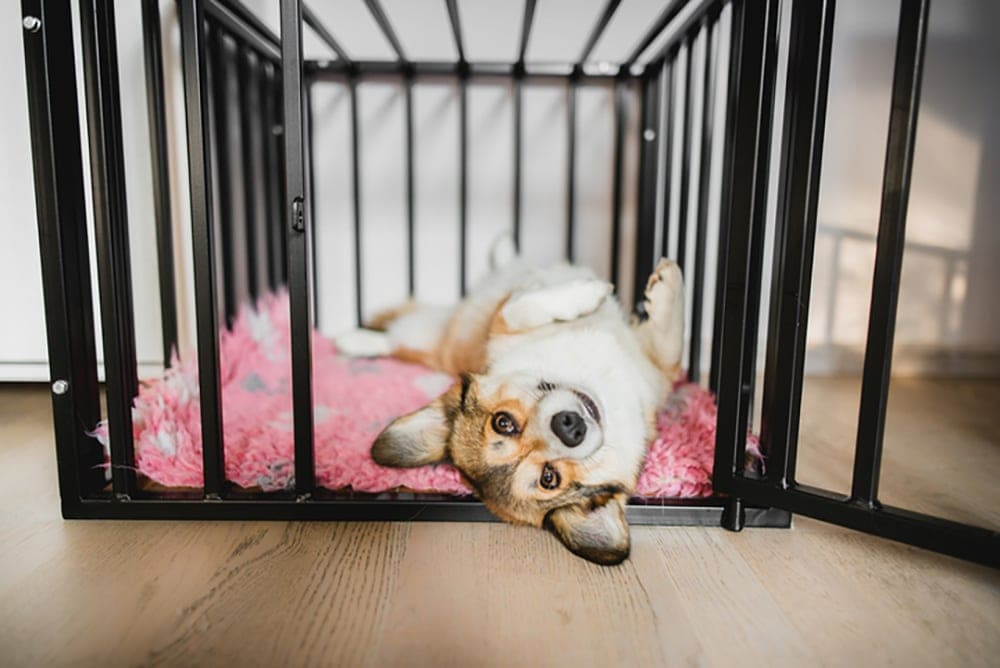
The amount of time a dog can remain in a crate depends heavily on their age, temperament, and previous experiences they have had. The crate size is very important; your dog should be able to stand and change position freely without feeling cramped. If your puppy is still in the process of potty training, they should not be left in a crate without a potty break any longer than a couple of hours. A toilet-trained puppy under 6 months of age should not be left in the crate any longer than 3 or 4 hours. An adult dog can remain in a crate for 6 to 7 hours at a time; however, a midday break is mandatory.1
If you need to crate your dog for a long period, such as during your regular work day, it is important to break up the day by giving your dog at least 30 minutes of activity outside of the crate. There are other guidelines you can follow to make your dog’s crate a more enjoyable experience for him. To learn more about those, keep reading below.

The Importance of Crate Training
If you introduce your dog to their crate properly, the crate can greatly benefit him. It is more than just a place to confine him while you are away—it is a place where your dog can go when he needs a safe, private space.
Likewise, putting your dog in their crate helps with house training. Crating your dog can help him learn to hold their bladder for appropriate amounts of time, and it can also prevent destructive behaviors when you are not around to supervise. Similarly, while you are away, keeping your dog in their crate may help to combat separation anxiety.
A more obvious benefit to putting your dog in a crate is the ability to travel. Whether you are on vacation or evacuating for an emergency, you can bring your dog with no hassle. The same can be said when you need to go to the vet or keep your dog confined to recover after a health treatment.
The 6 Tips on How to Crate Train Your Dog
Crate training your dog can take weeks or even months of dedicated work. By following some of these basic tips, you can help your pup adjust to resting in a crate.
1. Properly Introduce Your Dog to Their Crate
Rather than just placing your dog inside the crate, locking it, then leaving, you must give him ample time to investigate and accept the crate. Start by bringing your dog to the crate in a cheerful, positive manner. Place a few treats near and inside the crate to entice your dog inside.
2. Feed Your Dog While He Is Inside the Crate
By feeding your dog meals while inside the crate, you are helping him develop positive associations with their crate.
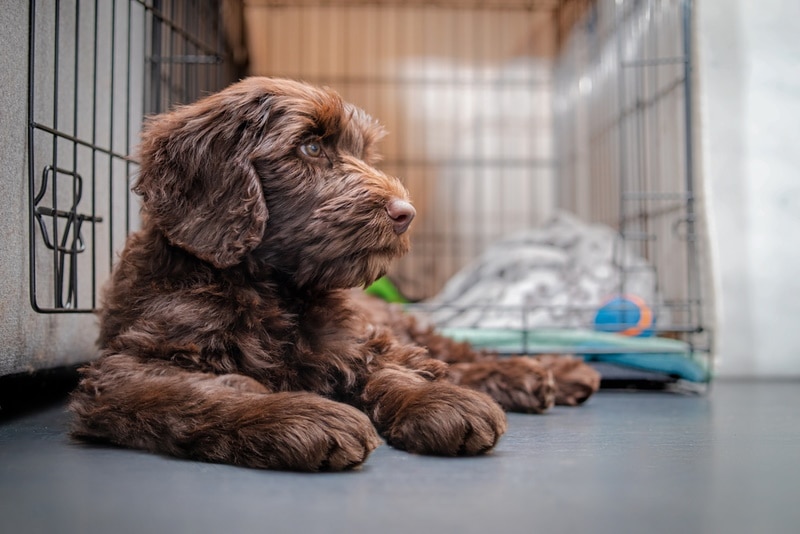
3. Only Close the Door Once Your Dog Is Comfortable
Don’t close your dog inside their crate the first time they explore it. Instead, allow them to grow comfortable with it for at least several days before you try to close the door with them inside.1 Closing them inside before they are comfortable may cause them to become frightened of their crate.
Once they are comfortable with the door closed, leave it closed for longer and longer periods of time. You can also leave them alone during their stage, but if they begins to whine, then you will want to return and cut down their time closed in. Only build up their time enclosed and alone if they seem comfortable with it.
4. Vary the Times You Put Your Dog in Their Crate
When you are preparing to leave home without your dog, change the routine when you would normally crate them. Crate them between 5 and 20 minutes before you leave, altering it each time. This is so that your dog cannot associate any routine with your departure and develop a negative association.
5. Crate Your Dog at Night
If your dog is comfortable in their crate, you can begin placing them in the crate at night. Keep their crate in your room so your dog can wake you up if they need you, for example, to go potty. This will also help them manage their anxiety, as they can see and smell you nearby.
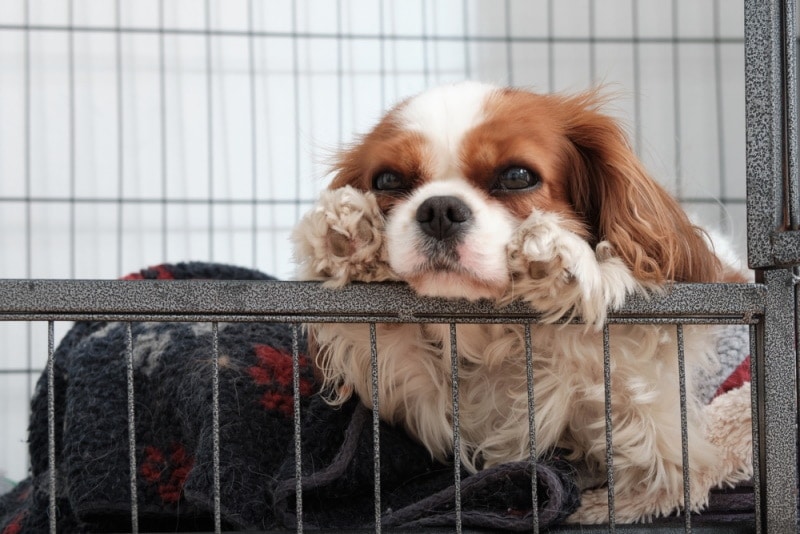
6. Use a Pet Camera to Check on Your Dog While You Are Away
With a pet camera, you will be able to monitor your dog when you are away and they are out of your sight. Watching them can give you valuable information on their behavior when you are not there.

Making the Crate Comfortable for Your Dog
A huge part of making a crate a pleasant part of your dog’s routine is ensuring it is comfortable. The more positive associations your dog can create with their crate, the better.
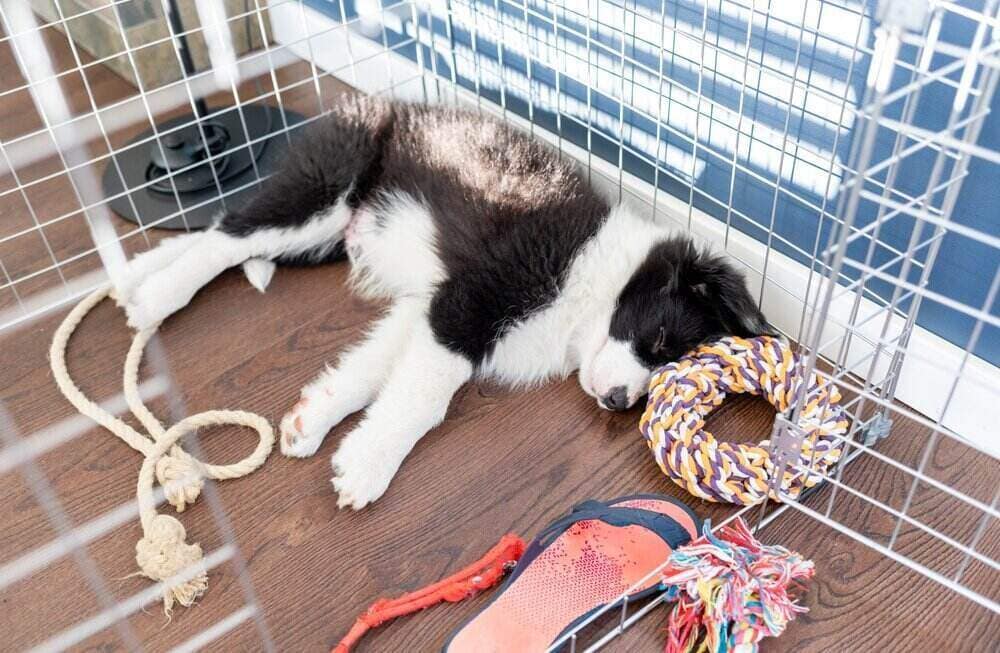
Pick the Right Crate
You may think that picking a crate is a simple affair, but the truth is that there are many types to choose from. There are crates made of plastic, metal, and wood. There are crates that are foldable and collapsible, heavy-duty crates, and so much more.
Although it can feel daunting to choose from the sea of options, there are some questions you can ask yourself to narrow down the choices.
Asking yourself the following:
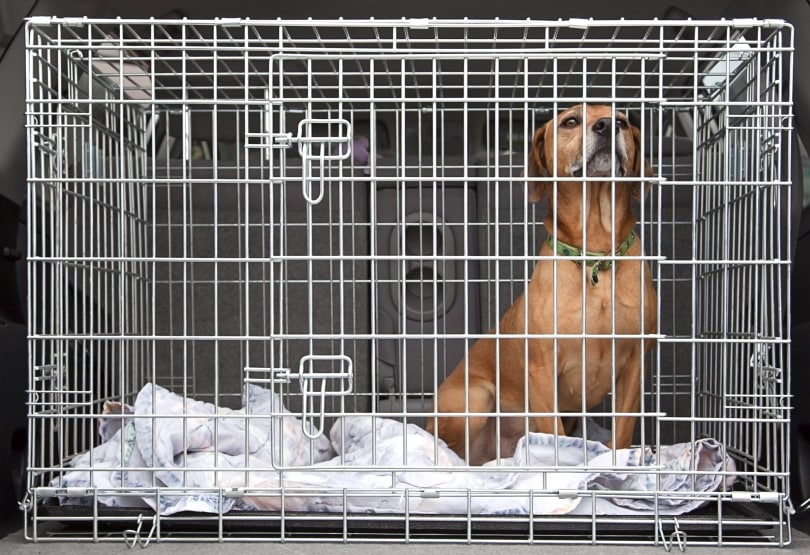
Size is among the most important considerations you’ll need to take into account. Your dog needs to be able to stand, turn around, and lie down without feeling cramped. While getting a large enough crate is important, getting a crate that is too large is an issue of its own. If a crate is too large, your dog may decide that he can use the bathroom in one corner of the crate and sleep on the other side.
Other important features to consider when shopping for a crate are sturdiness, number of entries, ease of cleaning, transportability, and safety.
Make the Crate Calming
If your dog feels secure and calm while in their crate, they will be more willing to enter it on command. The best way to ensure that your dog feels calm in their crate is never to use it as a punishment. By using it as a punishment, your dog will form negative associations with the crate. Instead, make the crate a quiet resting place for your dog so that they view it as their own private haven.
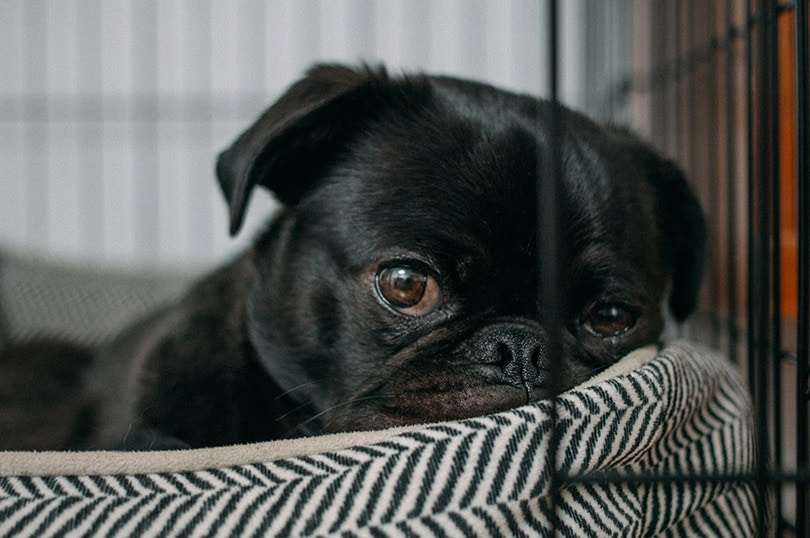
Ensure the Crate Is Comfortable
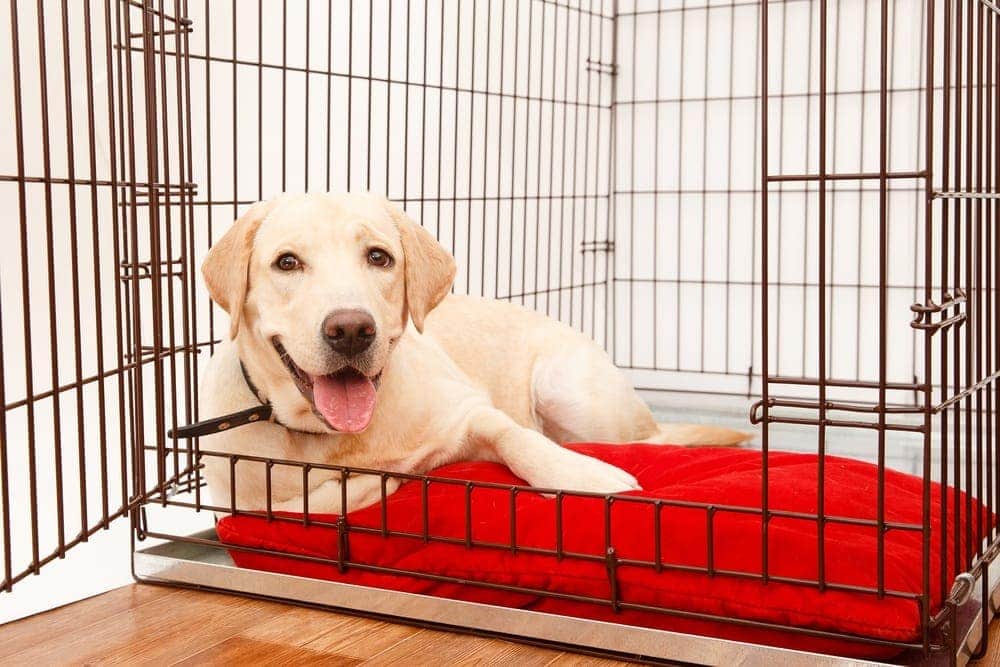
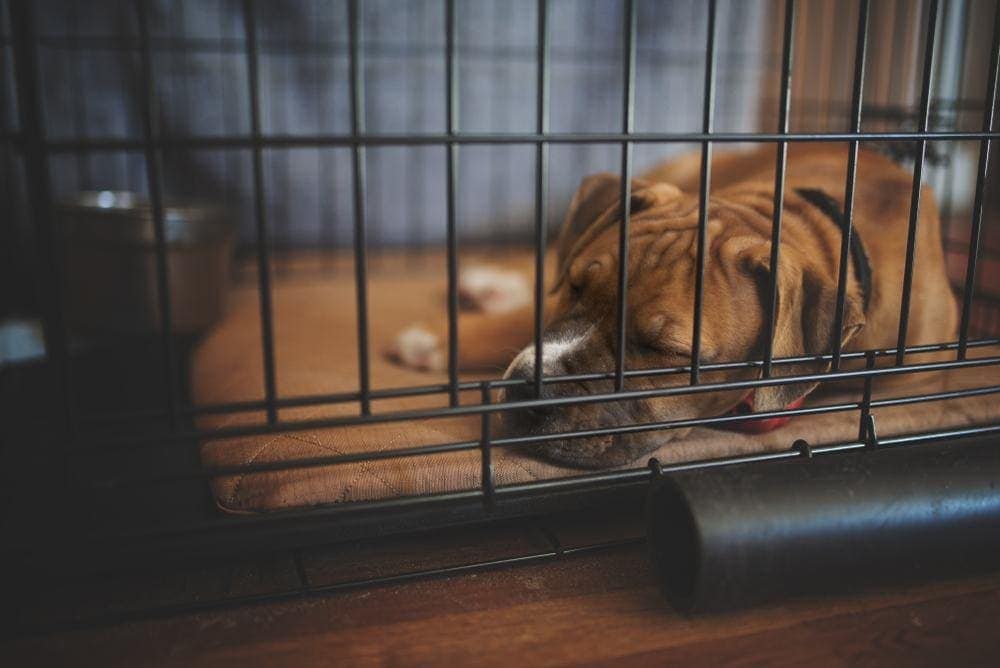
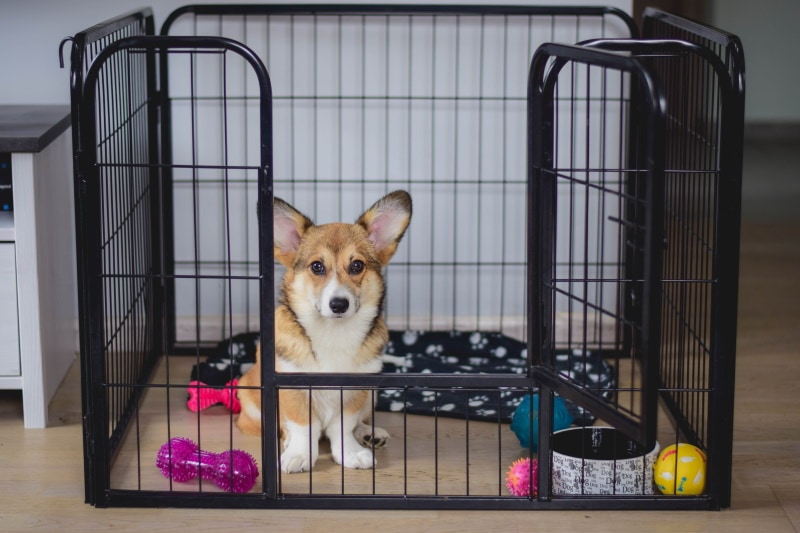
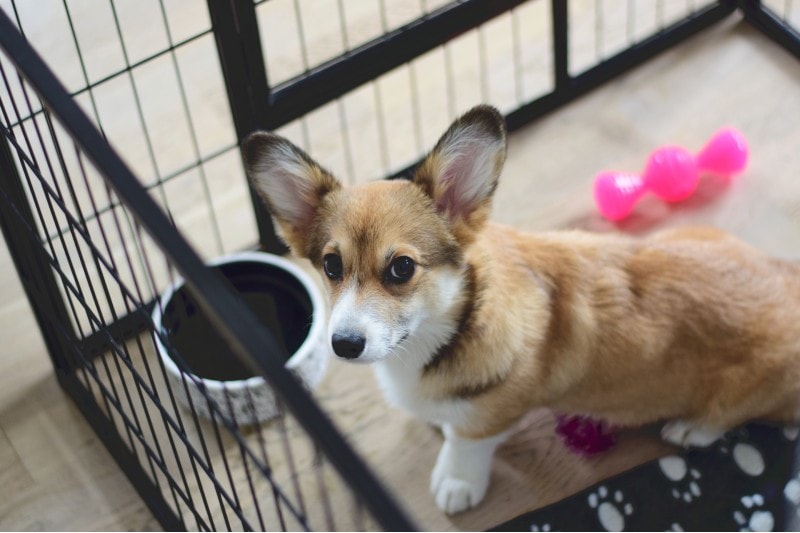
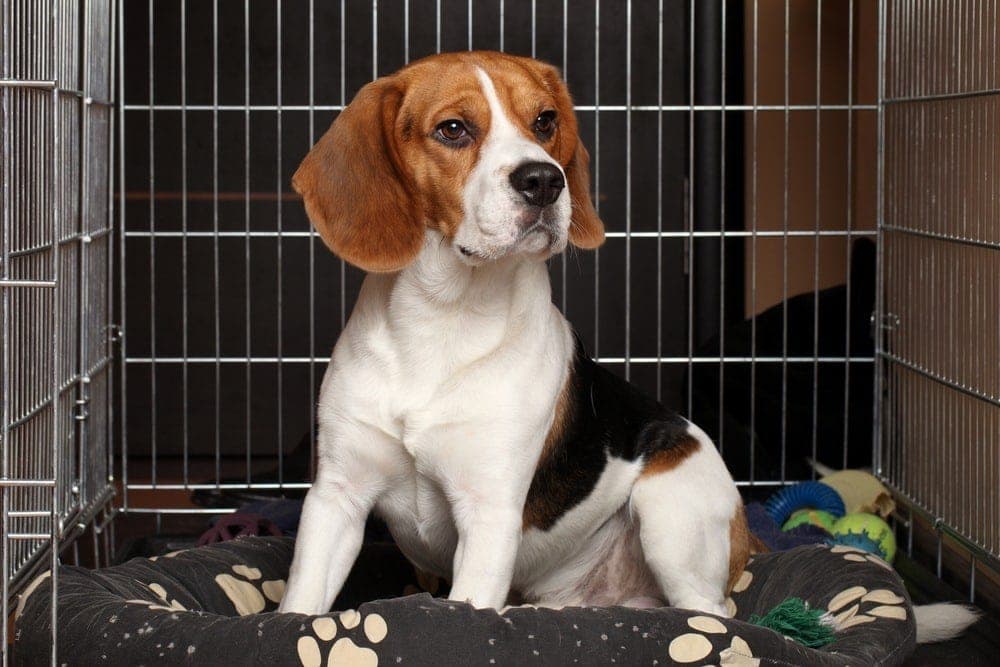
Don’t keep your dog in an empty crate. Not only is it a pitiful image, but it is a boring and uncomfortable experience for your dog. By providing bedding, toys, and fresh water, your dog can access everything he needs to remain comfortable and content while you are away.
Verify the Crate Is Safe
When deciding where to place your crate, make sure it is in a location that is safe for your dog. For instance, in the hot summer months, keep it away from sunbeams that may heat it up. You will also want to keep the crate away from ledges, heat sources, or other potentially hazardous areas in the house.
Removing your dog’s collar or harness is also essential to keeping them safe. If their collar snags on their crate, this could cause him a lot of trouble and pain.

Final Thoughts
While puppies can’t be left in a crate for more than a handful of hours, adult dogs can learn to remain in a crate for a full workday. However, you should still find time to return home for at least a half hour so your dog can stretch their legs and participate in other activities before returning to the crate. As long as you introduce your dog to the crate properly, they can love and value the safe space it provides.
Sources
Featured Image Credit: Jus_Ol, Shutterstock
Get Hepper In Your Inbox


Pet care tips from our vets and experts, straight to your inbox.
You may opt-out at any time. View our Privacy Policy for more information.
Pets are Jordyn’s passion, cats especially. Whenever she has the opportunity, she loves to learn about them and share her knowledge with everyone. She is devoted to her tabby cat named Jack and works hard to buy him his favorite treats and toys. Discovering new ways to better care for her pet is always on her to-do list, and she is eager to help pet parents everywhere who have similar pursuits. In her spare time, she loves to read, write, and take long walks. She has a creative spirit, which often helps her to come up with funny cat names.
Join the conversation
Ask a question, share your story, or send private feedback.