Hepper is reader-supported. When you buy via links on our site, we may earn an affiliate commission at no cost to you. Learn more.
How Many Teeth Does a Dog Have? Vet Reviewed Facts & FAQs



In this article
As a responsible pet owner, you need to take care of your dog’s dental health and consider it as important as your own. Have you ever been curious about precisely how many teeth a dog has when you look at your best furry friend?
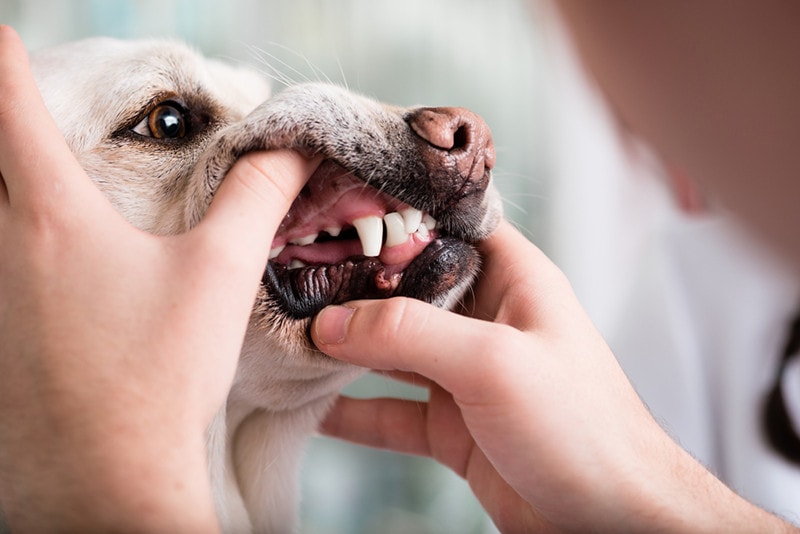
Dogs have two sets of teeth throughout their lives, just like humans. Puppies have 28 deciduous teeth, commonly referred to as baby, milk, or primary teeth. And there are 42 permanent teeth, also known as secondary teeth, in adult dogs.

How Many Teeth Should a Dog Have?
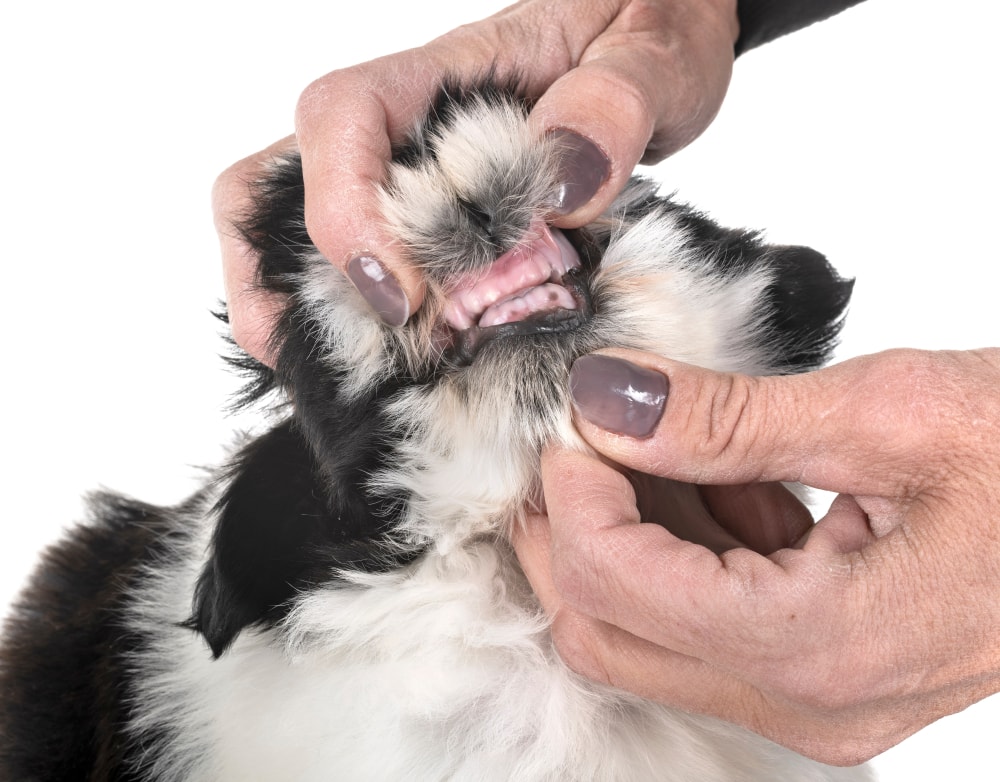
Puppies have 28 deciduous teeth that start to erupt at 2 weeks old and typically finish growing 8 to 10 weeks later. Due to their quick maturation, pups lose their baby teeth much more quickly than young children do. The timing will vary depending on the breed and size of each dog. Generally, their incisors usually fall out first, around 4 months old. Then the canine teeth appear when the dog is 5 to 6 months of age. Their molars and premolars often erupt between 5 and 8 months.
Eventually, an adult dog will have 42 permanent teeth. An extraction by a veterinarian may be necessary for any puppy teeth that do not fall out.

The Four Types of Dog Teeth
Dogs, who are descendants of wolves, require various kinds of teeth for a variety of purposes. There are four different types in your adult dog's mouth and each one has a distinct function.
Incisors
Incisors are the small teeth that are in the front of their mouth, used for self-grooming and tearing meat from bones. Six on the bottom and six on top make up their total of 12 incisors.
Canines
Canines are the pointed teeth located at the top and bottom of both sides of their mouth, sometimes known as "fangs." Dogs are excellent at tug-of-war because of these four canine teeth, arranged in pairs—two on the bottom and two on top—used to pierce and grasp objects.
Premolars
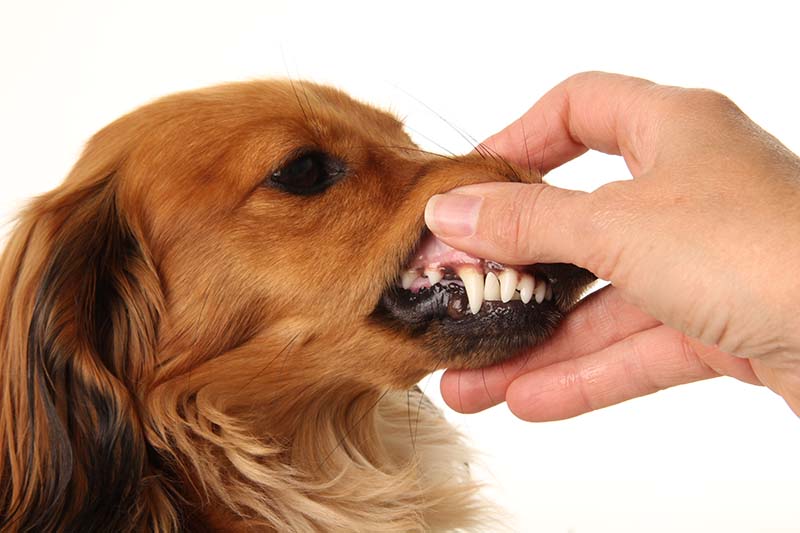
There are 16 premolar teeth, with eight on the bottom and eight on the top located behind the canine teeth, and are used for shearing and chewing. Your furry friend is using their premolars if you see them chewing with the side of their mouth on food or a toy.
Molars
Molars are the heavy-duty, flat teeth at the back of the mouth that help them better at chewing and grinding. Your dog has six molars on the bottom and four on top.
Can Dogs Get Cavities?
Yes, they can, but this is not a common occurrence in dogs. Cavities develop for the same reason in both people and dogs. These are places on the teeth where bacteria and food particles damage the teeth after sitting for a long time. The accumulation of bacteria induces a buildup of acids that erode the outer layer of the teeth and cause decay.
The enamel and the root of your dog's teeth may become damaged over time. In extreme cases, this will result in tooth loss or the requirement for a tooth extraction.
Due to the low levels of acids and sugars in most canines' diets, dog cavities are uncommon. However, some breeds are more prone to this problem than others, such as Poodles, Chihuahuas, Dachshunds, Bulldogs, Shih Tzus, and Pugs.
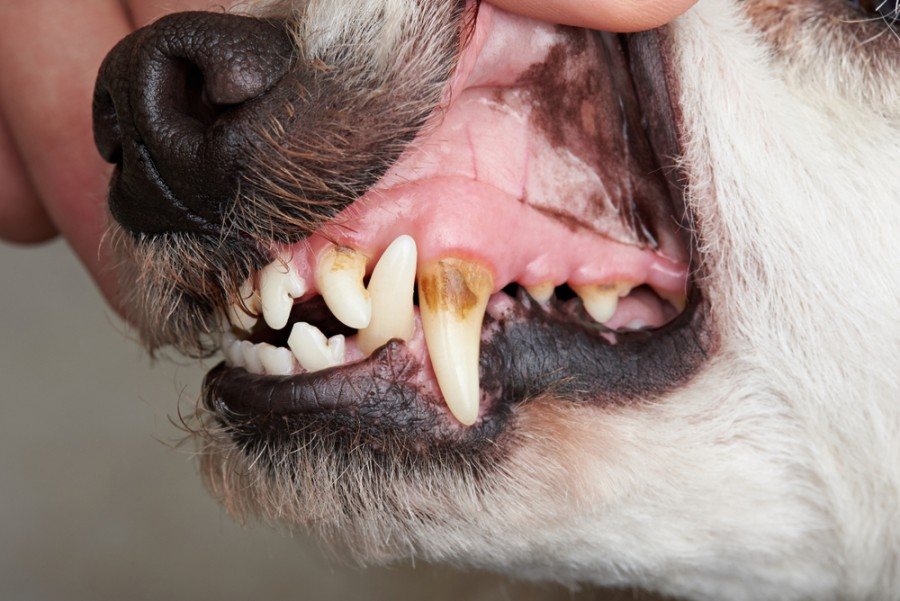
Instead dogs develop periodontal disease, with studies showing that by age three, 80-90% of dogs have some degree of periodontal disease. This is a progressive disease of the gums, bone and support structures of the teeth. Eventually resulting in pain and loss of the tooth if left untreated.
How to Keep Your Dog's Teeth Healthy
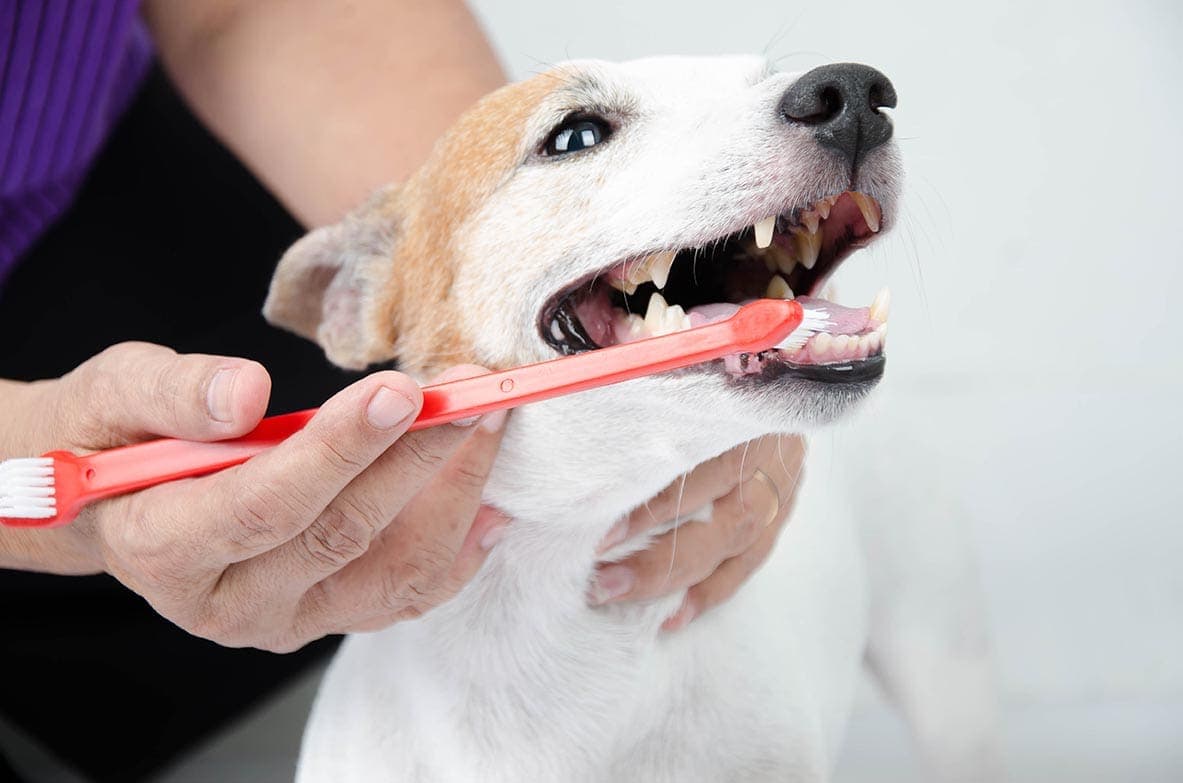
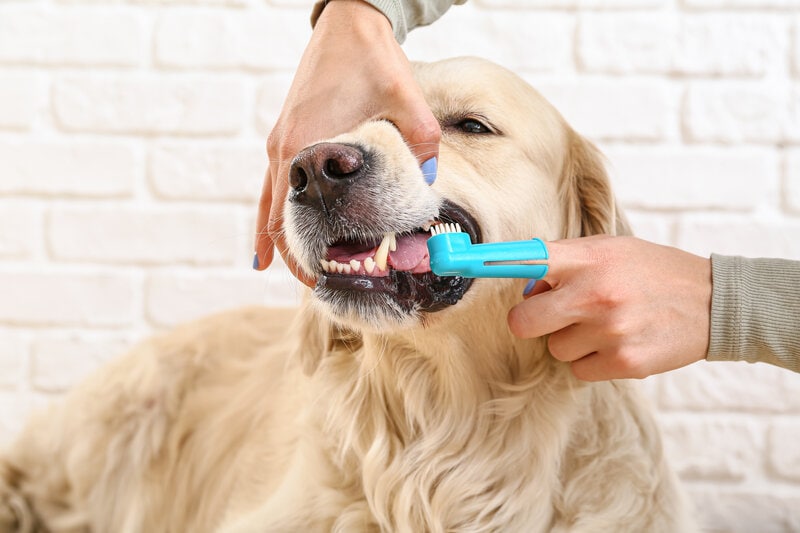
Your furry friend has many teeth, so it's crucial that you take care of their dental health in the same manner that you would your own. With more than 80% of canines over the age of 3 showing signs of periodontal disease, it is important to make this a part of your dog’s healthcare regimen. Therefore, you have to brush your dog's teeth frequently if you want to prevent dental disease. Ingredients like xylitol, which is toxic to dogs, are frequently found in human toothpaste. That's why it's important to use toothpaste designed specifically for dogs.
Giving your dog dental chews is a great idea, and for dogs who don't like having their teeth brushed, firm chew toys are a good alternative. The rule of thumb is that if a chew is too hard to be imprinted by your fingernail then it is too hard for your dog's teeth and may result in dental fractures.
Many dental care products are available such as foods, treats, chews, liquids, powders and toothpastes. The Veterinary Oral Health Council has a list of tooth-friendly effective products, look out for their seal of approval on dog dental products.
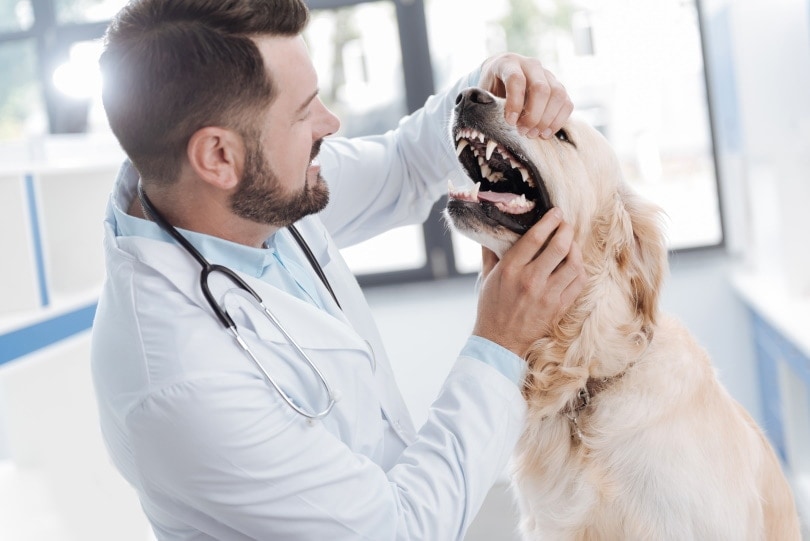
Talk to your veterinarian to determine the best course of action for maintaining the health of your dog's chompers if you notice that they seem to be having difficulty chewing or other troubles related to their teeth or mouth, even bad breath.
Can You Tell How Old a Dog Is by Looking at Their Teeth?
Looking at a puppy's teeth is one of the best ways to determine their age. Once a dog has all of their adult teeth, usually by the time they are around 6 months old, estimating their age becomes more difficult. Dental calculus and tartar buildup, periodontal disease, and tooth loss often rise with age. But this is not always the case. For instance, dental disease in small-breed dogs tends to be more severe than in large-breed dogs. You can use other methods too, such as examining their coat, looking at their eyes, noticing mobility and activity levels, etc.

Conclusion
Dogs have more teeth than us. An adult human typically has 32 teeth, but there are 42 permanent teeth in adult dogs. Incisors, canines, premolars, and molars are the four types of dog teeth. Each has a distinct function for your furry friend and can be used for many things besides eating.
Your dog's overall health and quality of life depend heavily on keeping their mouths healthy. Schedule an appointment with a veterinarian as soon as possible if you notice that your dog has loose or wiggly teeth, is losing teeth, or has breath that gets worse over time. Even though it might only seem like one tooth has fallen out, your pet likely has more painful, diseased teeth that need to be examined.
See Also: How Much Does Dog Teeth Removal Cost?
Sources
Featured Image Credit: Bruno Nascimento, Unsplash
Get Hepper In Your Inbox


Pet care tips from our vets and experts, straight to your inbox.
You may opt-out at any time. View our Privacy Policy for more information.
Hanh is a freelance writer living in Vietnam. She has a big love for working online and writing about animals, especially dogs. She finds happiness in helping pet parents across the globe have a fulfilling life with their pets by sharing her knowledge and that of other experts. When not writing, she enjoys traveling and experiencing different cultures.
Join the conversation
Ask a question, share your story, or send private feedback.