Hepper is reader-supported. When you buy via links on our site, we may earn an affiliate commission at no cost to you. Learn more.
Gluten Intolerance in Dogs: Vet-Verified Causes, Signs & Care Tips



In this article
Gluten has been a buzzword in human nutrition for the last decade or so, but it has also become a bit of a concern in canine nutrition. Gluten is a naturally occurring protein in cereal grains, and while most of us know that humans can be gluten intolerant, it may be a surprise that dogs can be too.
While it is rare for dogs to have gluten intolerance and allergies, it does exist. If your beloved canine companion has been exhibiting concerning signs you believe may be linked to his diet, it’s important to seek veterinary advice before making dietary changes. The signs of food allergies and intolerances are similar to many other conditions and your vet can work with you to investigate the underlying cause.
Read on to learn more about gluten intolerance to see if this could be the reason your pup is suffering.

What Is Gluten Intolerance in Dogs?
Gluten is a protein in grains left over when starch is removed. It is found in flours like wheat, rye, and barley. Dogs with adverse reactions to gluten can either have an allergy, when the immune system overreacts to the ingredient, or an intolerance. Intolerances are used to describe any adverse reactions to food which don’t involve the immune system.
Gluten intolerance may not be as severe as other reactions to gluten, as it refers to a sensitivity, not an allergy. However, in practice it can be hard to differentiate whether a dog has a food allergy or intolerance as both have similar clinical signs. The diagnostic process and treatment options are also similar.
What Are the Signs of Gluten Intolerance in Dogs?
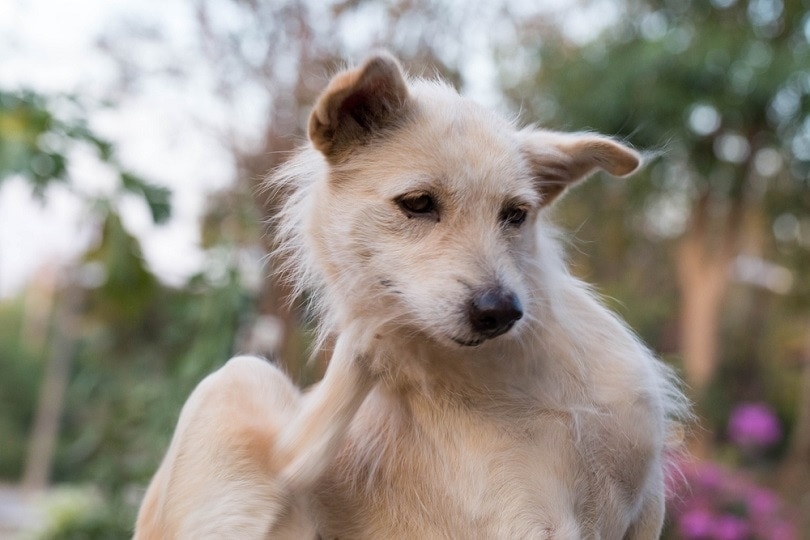
The signs of an adverse reaction to gluten may include:
Gluten may also play a part in a neurological condition called Paroxysmal Dyskinesia (PD) in Border Terriers. Dogs with this condition suffer from tremors and involuntary movements which can be mistaken for seizures. Studies have shown a link between gluten sensitivity and PD in Border Terriers and one of the most effective ways to manage the condition in this breed is a gluten free diet.

What Are the Causes of Gluten Intolerance in Dogs?
There is no known cause for gluten intolerance and sensitivities in dogs. Anything that damages the gastrointestinal tract such as infection, surgery and medications, may increase the risk of food intolerances developing.

How Do I Care for a Dog With Gluten Intolerance?
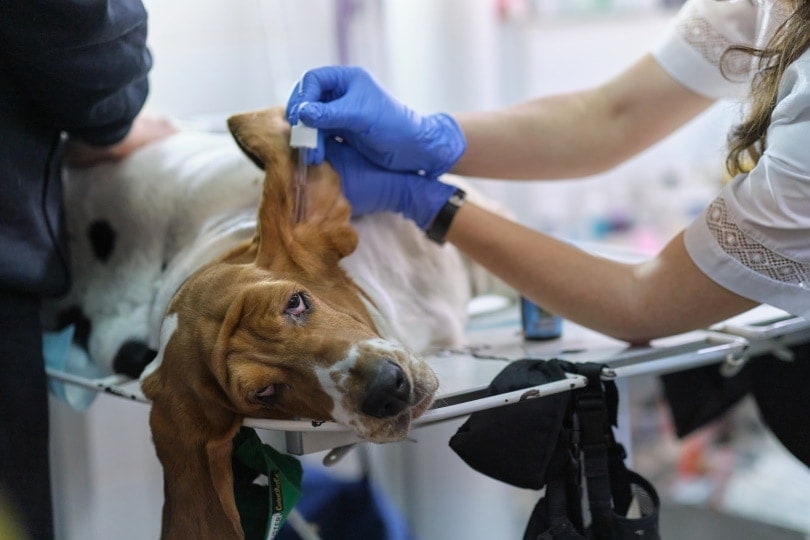
The first step to caring for a dog with gluten intolerance is confirming that it is gluten causing your pup’s health issues. An elimination diet is the only accurate way to determine what your pup is sensitive to. Blood and saliva tests are available, but they are unfortunately unreliable for diagnosing food allergies and intolerances.
Elimination diets require a veterinary prescribed home-cooked or prescription diet containing a novel protein and carbohydrate source your pup has not yet been exposed to. Novel proteins often used in home-cooked diets might include salmon, pork, and rabbit mixed with carbohydrates like oats, quinoa, or barley. Vet-recommended therapeutic diets are available from brands like Royal Canin, Hill’s, and Purina.

Your vet may also recommend using a prescription hydrolyzed diet that contains proteins that have been altered molecularly to be below allergenic thresholds, thus preventing the dog’s immune system from recognizing the allergen.
Regardless of which elimination diet your vet recommends, it must be introduced slowly to reduce the risk of gastrointestinal problems developing. The elimination trial should last at least eight to twelve weeks, carefully following your vet’s instructions. If the signs resolve, to prove that food is responsible for your dog’s signs you may need to reintroduce your dog’s original diet to see if they react.
Gluten intolerance can then be successfully managed by removing gluten from your dog’s diet in the long term.

Frequently Asked Questions
Is celiac disease and gluten intolerance the same?
Celiac disease and gluten intolerance are not the same; however, they can have some similar gastrointestinal signs.
Celiac disease is an autoimmune disorder, where the immune system attacks its own body when gluten is eaten. In this case the attack is on the lining of the small intestine, which means that the intestines cannot absorb nutrients from food properly. Celiac disease may be common in people, but it is very rare in dogs. It has only been discovered in one breeding line of Irish setters.
Are grain-free and gluten-free diets the same?
Though the terms are often used interchangeably, they don’t mean the same thing.
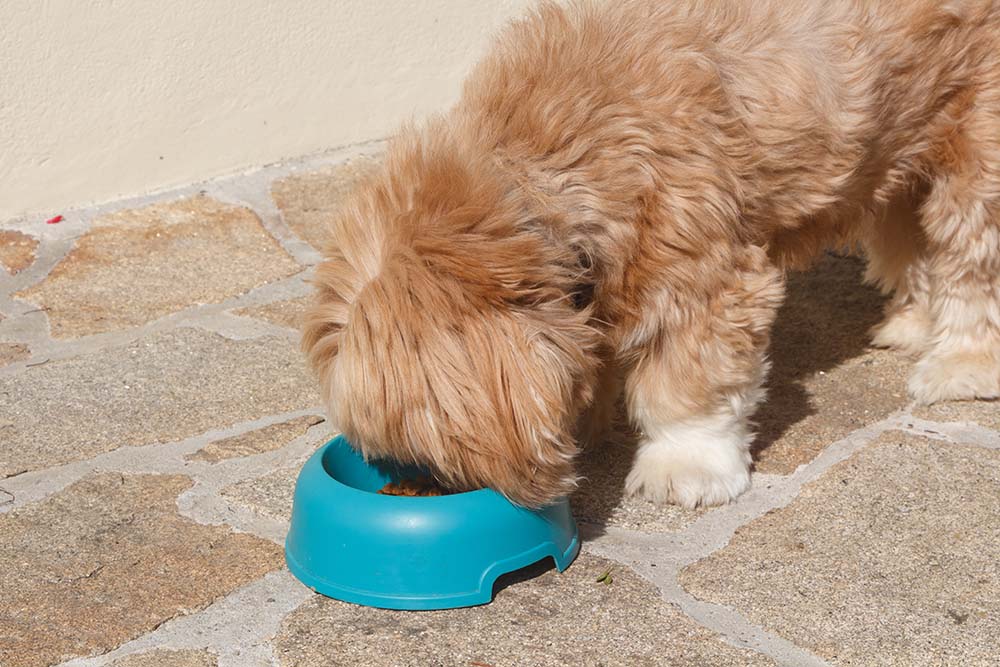
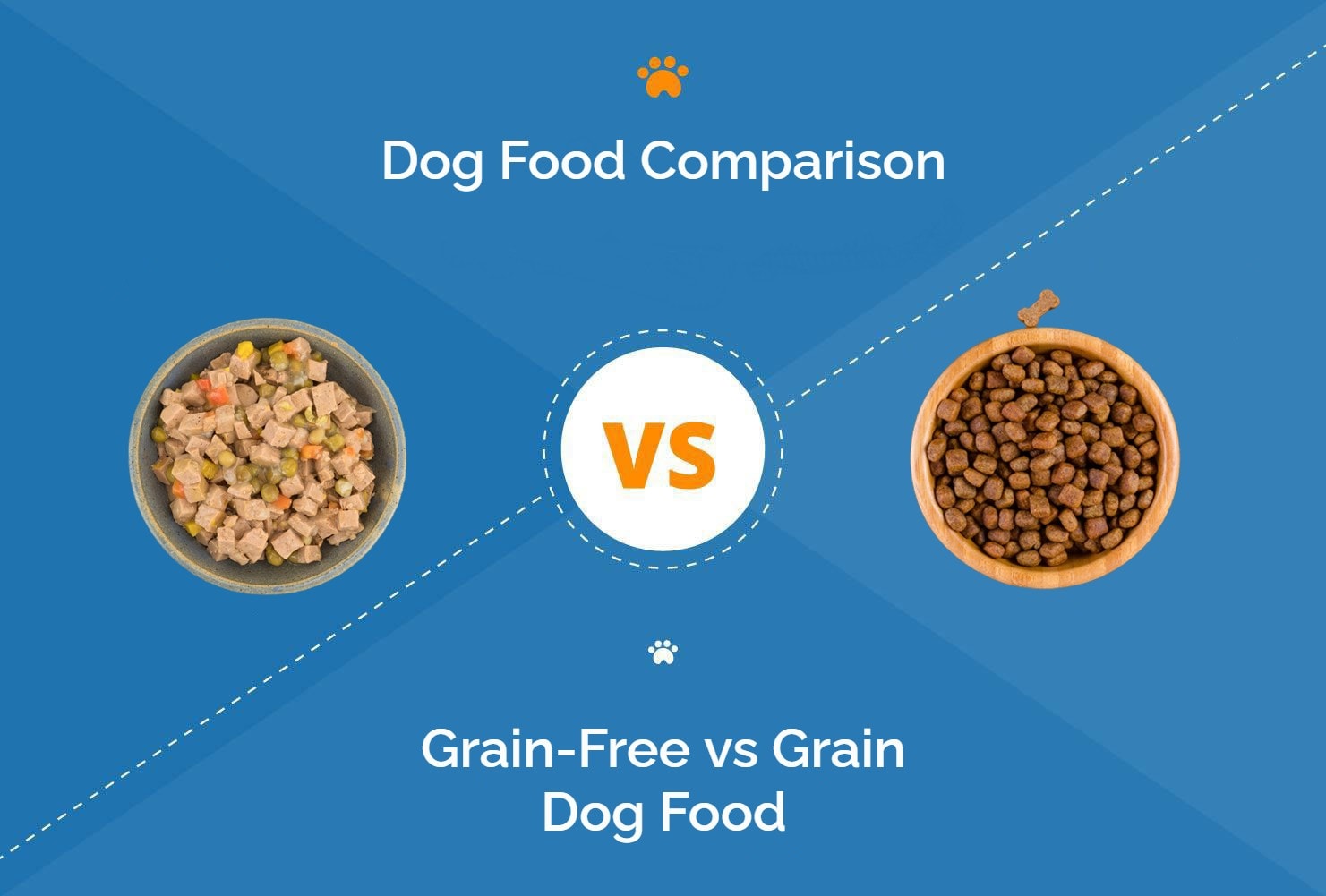
Grain-free diets contain none of the grains often found in dog foods, including rice, wheat, or barley. Dogs still require carbohydrates for energy, so grain-free foods use alternate carb sources such as potatoes or pea flour.
Gluten-free diets don’t contain any gluten-containing grains, such as wheat, rye, and barley. These foods may contain other grains like rice or corn, so they are not always grain-free.
Is gluten intolerance common in dogs?
Gluten intolerance and allergies are rare in dogs. If your dog is allergic to some component of his food, it’s more likely that he is intolerant of the protein source, such as beef, chicken, or lamb.
What’s the best diet for a dog with gluten intolerance?
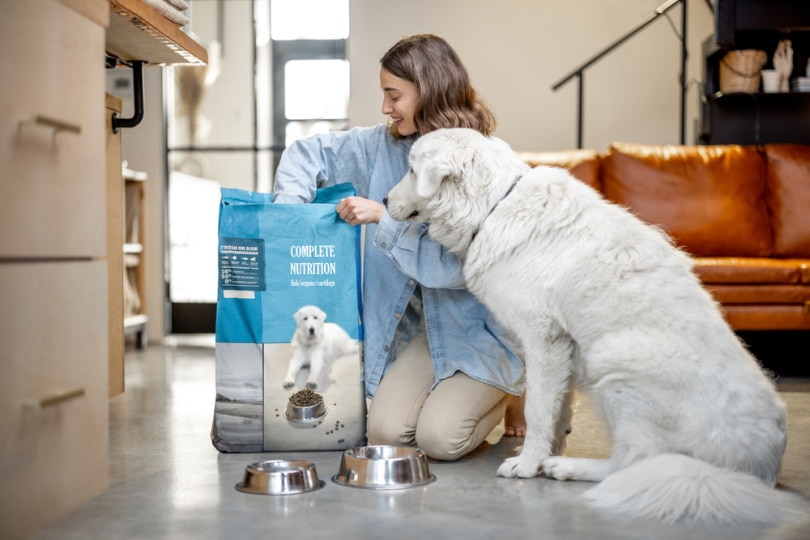
Once you know your dog has a gluten intolerance, you’ll need to change his diet to remove the glutinous food causing the reaction. This will require vigilance from you to ensure your pup doesn’t eat any gluten-containing foods, so you’ll need to become an expert nutrition label decipherer. Alternatively, you may create a homemade diet for your pup where you can control every ingredient that goes into his food. If you choose to feed a homemade diet then you should have a veterinary nutritionist formulate your dog’s meal plan with the right mix of ingredients and supplements, to ensure it is balanced.
Final Thoughts
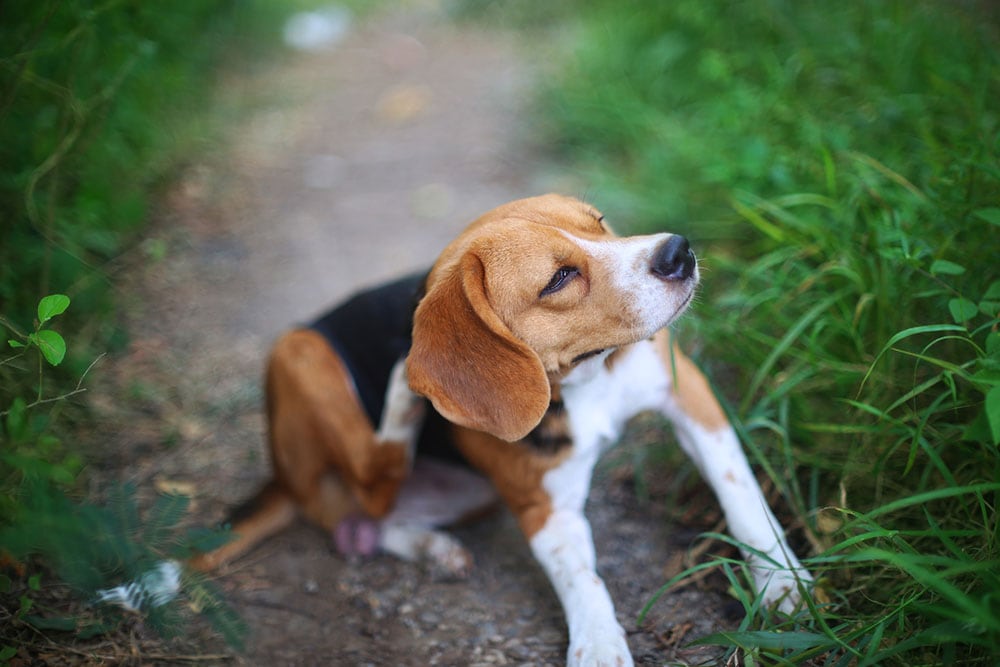
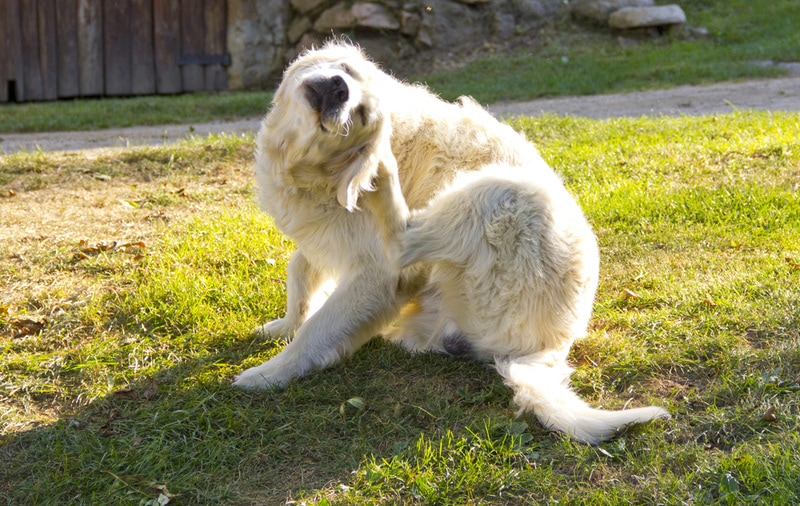
Gluten can be a problematic protein for some dogs but it is not a common issue. Those who are intolerant will exhibit gastrointestinal signs like bloating and stomach aches and skin and coat issues like fur loss or frequent scratching. The only way to treat a gluten intolerance is to provide your pup with a gluten-free diet. We recommend making an appointment with your veterinarian to talk to them about the best nutritional approach to investigate and help treat your dog’s sensitivity.
Featured Image Credit: SeventyFour, Shutterstock
Get Hepper In Your Inbox


Pet care tips from our vets and experts, straight to your inbox.
You may opt-out at any time. View our Privacy Policy for more information.
Chantelle's life revolves around two passions: writing and animals. Raised on the prairies of Canada amidst a menagerie of pets, she now lives with five cats, two guinea pigs, and a bearded dragon. Together with her husband and child, Chantelle delights in being an exemplary animal parent, going as far as installing wall-mounted cat shelves to give their cats an indoor playground. When she's not cozying up with her cats or snapping their amusing antics, she enjoys venturing into the Rocky Mountains, binge-watching her favorite Netflix shows, and indulging in spontaneous reading adventures.
Join the conversation
Ask a question, share your story, or send private feedback.