Hepper is reader-supported. When you buy via links on our site, we may earn an affiliate commission at no cost to you. Learn more.
How to Check a Dog's Heart Rate: Our Vet's Tips, Tricks, & Guide

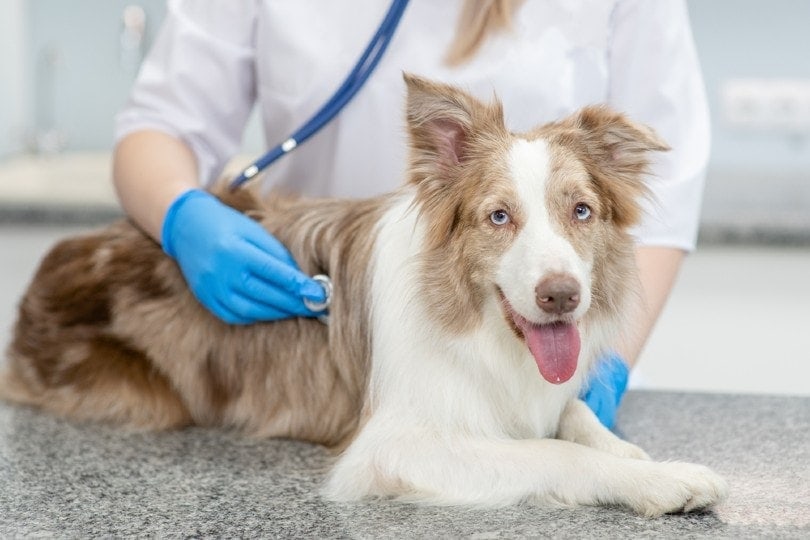
If you’re looking to check your dog's heart rate, you’ve come to the right place. In this article, we will provide expert tips and tricks on how to properly check a dog’s heart rate. We will also discuss the challenges you may face, what a normal dog pulse is, and signs that may warrant a veterinarian consultation for your dog.

The 5 Steps on How to Check a Dog's Heart Rate
1. Getting Started
Before you attempt taking your dog’s pulse, prepare everything you need:
- A calm, quiet environment. Your dog should be relaxed before you take their pulse.
- A stopwatch or timer
- A notebook, paper, or any other means of recording your findings
2. Locate Your Dog's Pulse.
There are several ways to do this.
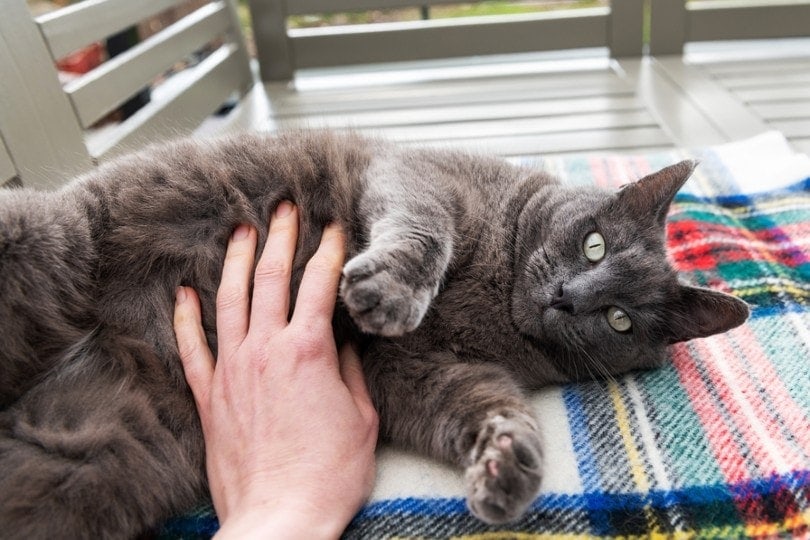
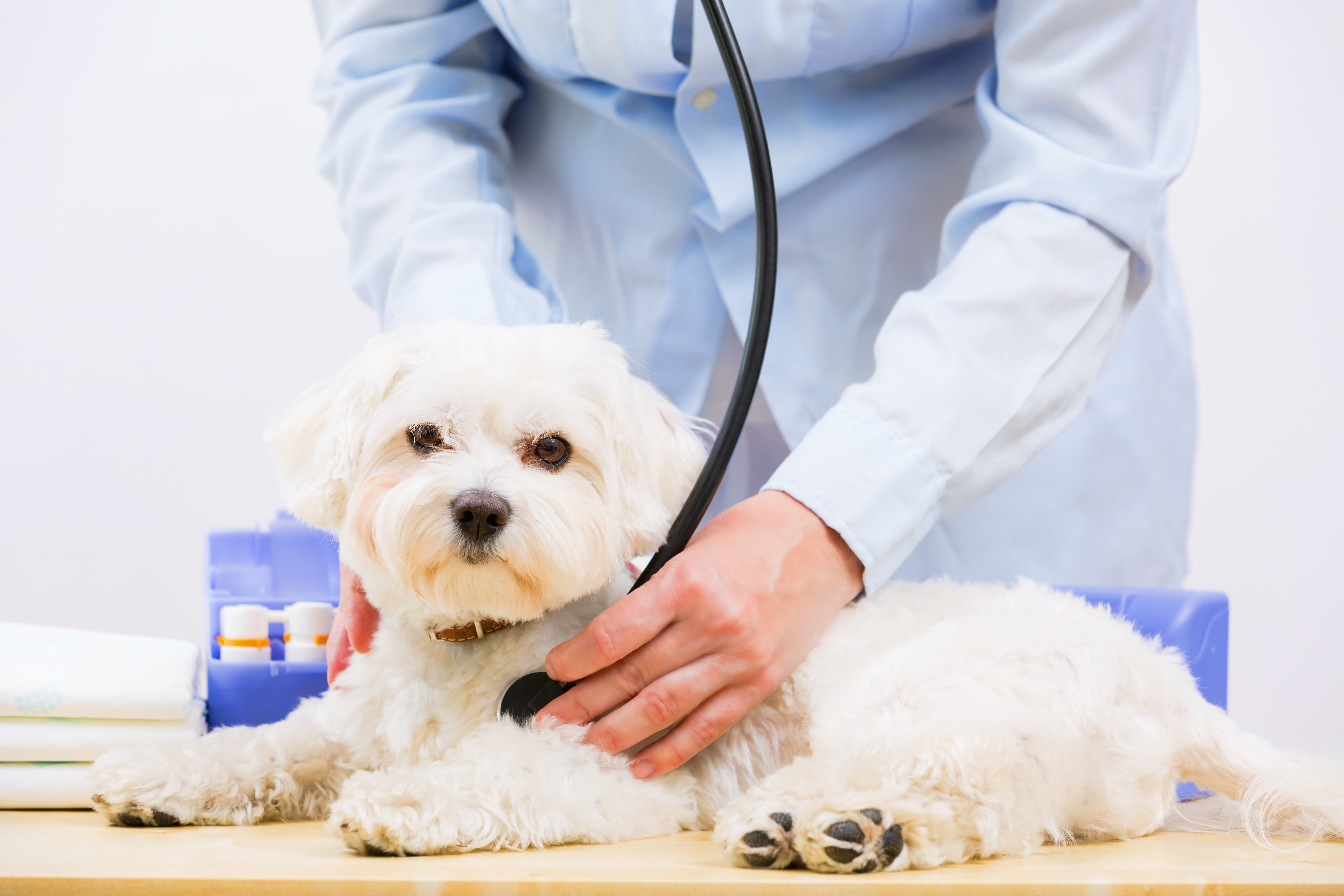
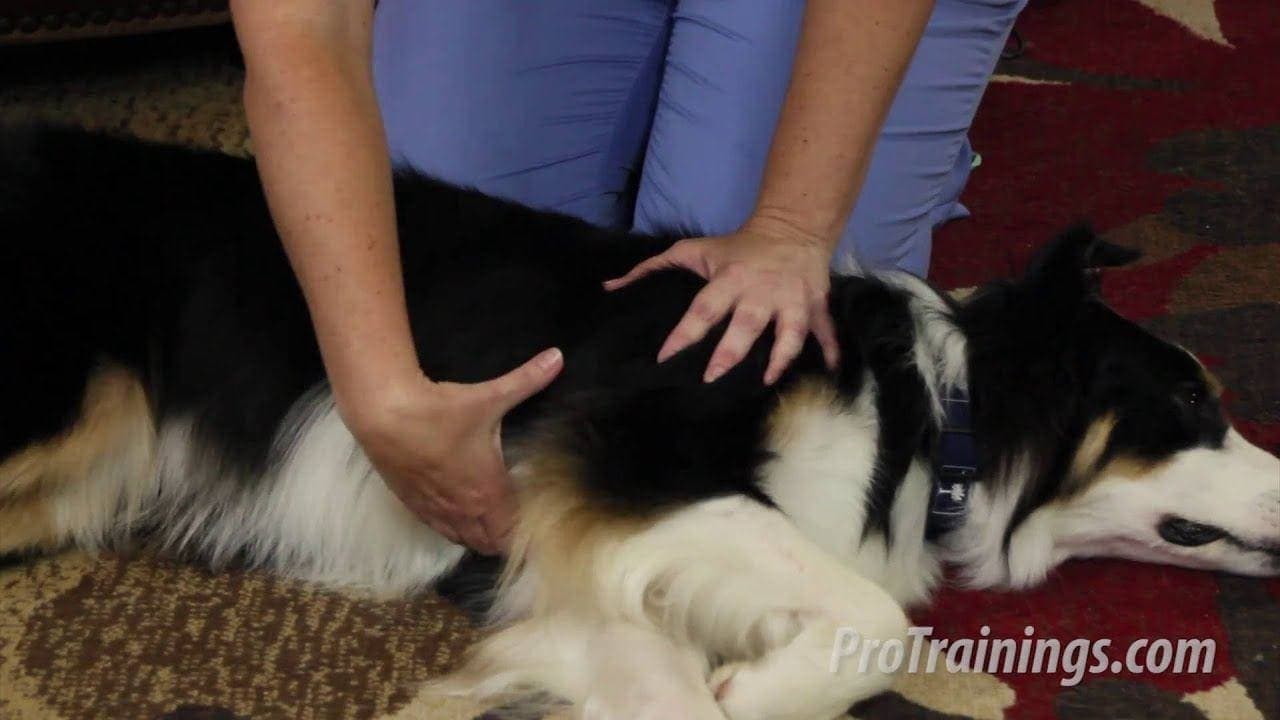
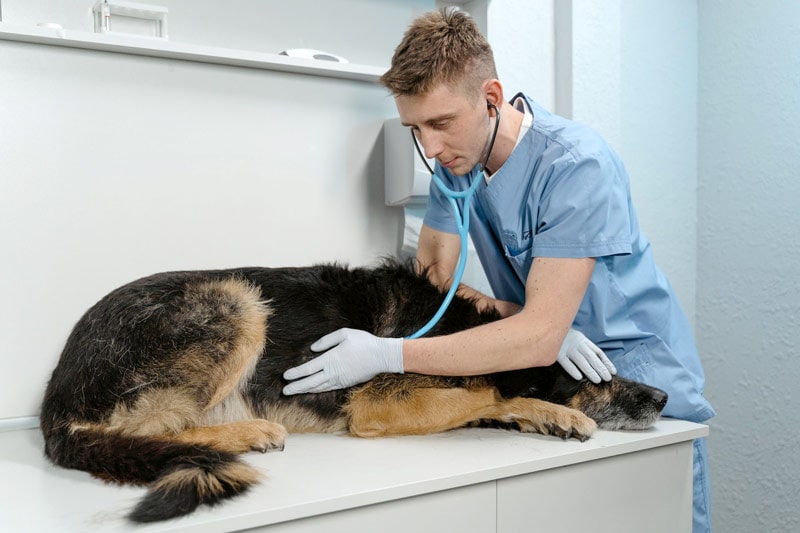
Gently place a finger on your dog's left chest, at the point where their left elbow meets the body.
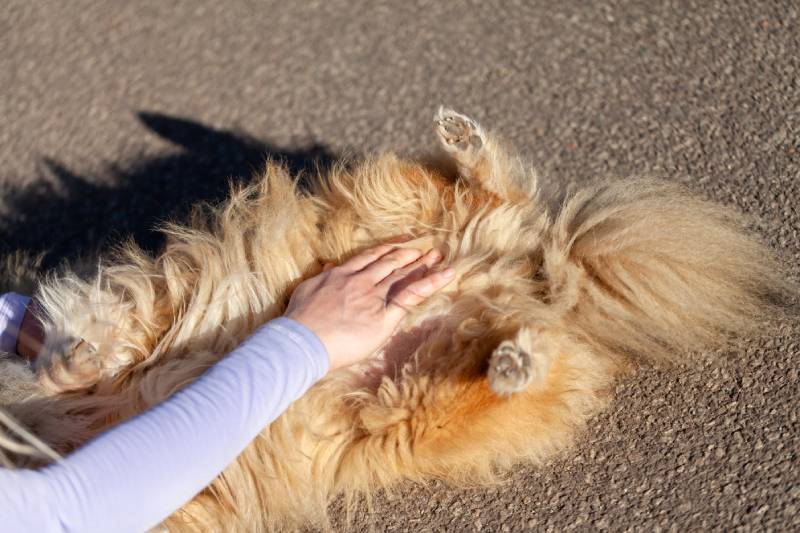
This spot is known as the point of maximal impulse (PMI) and is one of the best locations to appreciate a pulse. If your dog is in a healthy weight range and you can feel their ribs, you can gently count the ribs to find your way to the heart. Dogs have 13 pairs of ribs. Begin by feeling the last rib and work your way up towards ribs 7, 6, 5, and 4. You should be able to detect the pulse with your finger in this area.Gently place a finger on your dog’s inner thigh.
You may have to gently maneuver your finger through your dog's fur until you feel contact with their skin. You may be able to feel a gentle thumping with your finger in this area. Specifically, this is where the femoral artery is located, which is the artery you would be feeling for a pulse. It may take some time and practice to determine how much pressure you need to apply before you can pick up a pulse. Start off by placing your finger as lightly as possible and gently increase the pressure until you feel a rhythmic, thumping sensation.Gently place your finger on your dog's lower neck to feel for a jugular pulse from your dog's jugular artery.
Again, use gentle pressure while attempting this. This may be very difficult to do in brachycephalic dogs (for example, in a Pug).
3. Count the beats.
Once you have located the pulse, count the beat for a minute, or however long your dog cooperates.
4. Calculate the pulse.
Multiply the number with an appropriate factor to get your dog’s heart rate per minute (bpm). If your dog cooperates for a minute, the number would be their beats per minute (BPM). If your dog stopped cooperating before the minute finished, multiply the number you recorded with an appropriate factor to determine their beats per minute. For example, if your dog cooperated for 15 seconds, multiply the number by 4. Likewise, if your dog cooperated for 30 seconds, multiply the number by 2.
5. Record
Record the date, time, location where you felt the pulse, and the pulse measurement. It’s best to measure your dog’s pulse at the same time each time you do so, and ideally from the same location as well. If your dog is healthy and problem-free, a reading once per week is often considered sufficient. It doesn’t hurt to take more frequent measurements, especially if you wish to practice more or are concerned about your pup’s welfare.
Potential Challenges You May Face
Though measuring your dog’s pulse may seem easy in theory, it might be slightly cumbersome in practice. Here are some potential issues you may encounter during the process.
Challenges

Normal Heart Rates For Dogs
The normal heart rate for dogs is anywhere between 60-180 beats per minute. Smaller breeds of dogs have higher pulse rates than larger dogs. Puppies have a pulse rate of 220 beats per minute (or more).
When Should You See a Vet?
Pulse is useful to keep track of your dog’s health. At times, a change in your dog’s pulse might indicate an underlying health issue. You should have your dog checked by a vet if you notice one of the following:
- You’re not sure if your dog’s pulse is indicative of an underlying health issue
- Your dog’s pulse frequently plummets (increases or decreases despite measurements done at the same time each day)
- Your dog’s pulse feels very strong
- Your dog’s pulse feels very weak
If you cannot find a pulse on your dog at a site where you could previously easily detect it, you should immediately take your dog to an emergency vet.


Conclusion
Knowing the normal heart rate of your dog and keeping track of their pulse is considered good practice and responsible ownership. The normal pulse rate range for adult dogs is 60-180 bpm. Smaller dog breeds have a higher pulse when compared to large dog breeds. If you are concerned about your dog’s pulse measurement, you should have them looked at by your veterinarian to ensure they are in good health.
Featured Image Credit: Nehris, Shutterstock
Get Hepper In Your Inbox


Pet care tips from our vets and experts, straight to your inbox.
You may opt-out at any time. View our Privacy Policy for more information.
Dr. Luqman grew up with an extreme fondness for animals and turned a childhood dream into reality by becoming a veterinarian. His goals are now focused on helping pet owners understand their pets better in order to ensure the best quality of life for all pets globally. He is passionate about wildlife, exotic pets, pet owner education, and animal welfare. Luqman has 3 years of professional experience working with a variety of animal species. He has skills in demonstrating proper animal husbandry and training some exotic species, such as parrots. Additionally, he has decades of personal experience with keeping many exotic pets: freshwater fish, parrots, songbirds, chickens, ducks, turtles, and hamsters.
Dr. Luqman grew up with an extreme fondness for animals and turned a childhood dream into reality by becoming a veterinarian. His goals are now focused on helping pet owners understand their pets better in order to ensure the best quality of life for pets all around the world. His passions are wildlife, exotic pets, pet owner education, and animal welfare.
Education
Luqman received his degree from Universiti Putra Malaysia.
Experience
Luqman has 3 years of professional experience working with a variety of animal species. He has skills in demonstrating proper animal husbandry and training some exotic species, such as parrots. Additionally, he has decades of personal experience with keeping many exotic pets: freshwater fish, parrots, songbirds, chickens, ducks, turtles, and hamsters.
Join the conversation
Ask a question, share your story, or send private feedback.