Hepper is reader-supported. When you buy via links on our site, we may earn an affiliate commission at no cost to you. Learn more.
How to Determine the Ideal Weight for Your Dog: Vet-Approved Guide


In this article
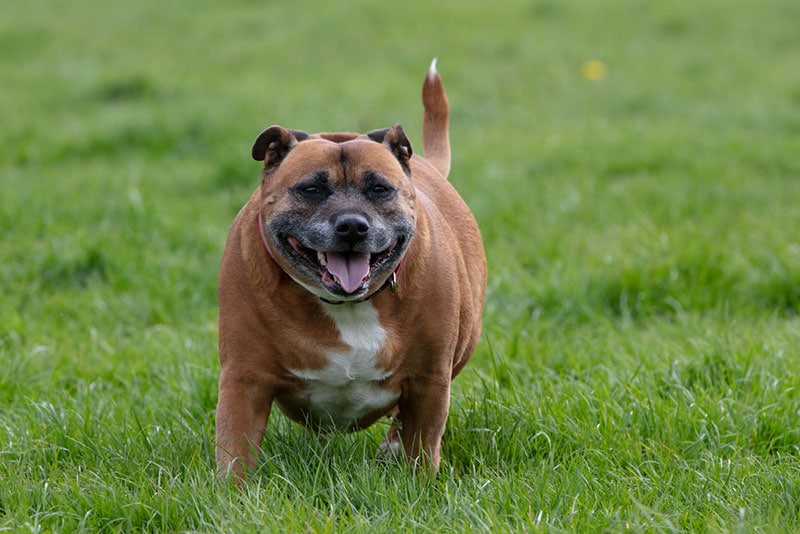
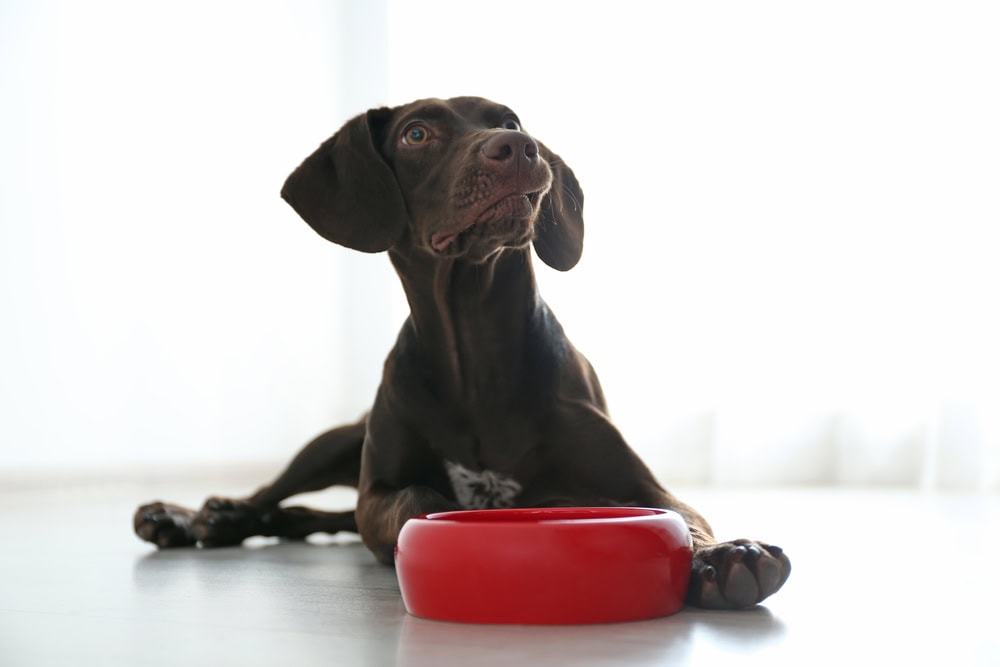
As cute as your dog may look with a few extra pounds, it could be detrimental to their health. According to the Association for Pet Obesity Prevention, 59% of dogs in the United States were classified as overweight or obese last year.1 Conversely, it’s possible for a dog to not be eating enough and to be underweight, especially if they are elderly or ill. But how do you know if your fur baby is getting too heavy or too thin for their own good?
Don’t worry, we’ve got you covered! In this guide, we explore how to determine the perfect weight for your canine companion by considering essential factors like body condition score, muscle score, and body fat index. But remember, every dog is unique, so you’ll need to find the right balance for your four-legged buddy!

Before You Start: Understand Body Condition Score
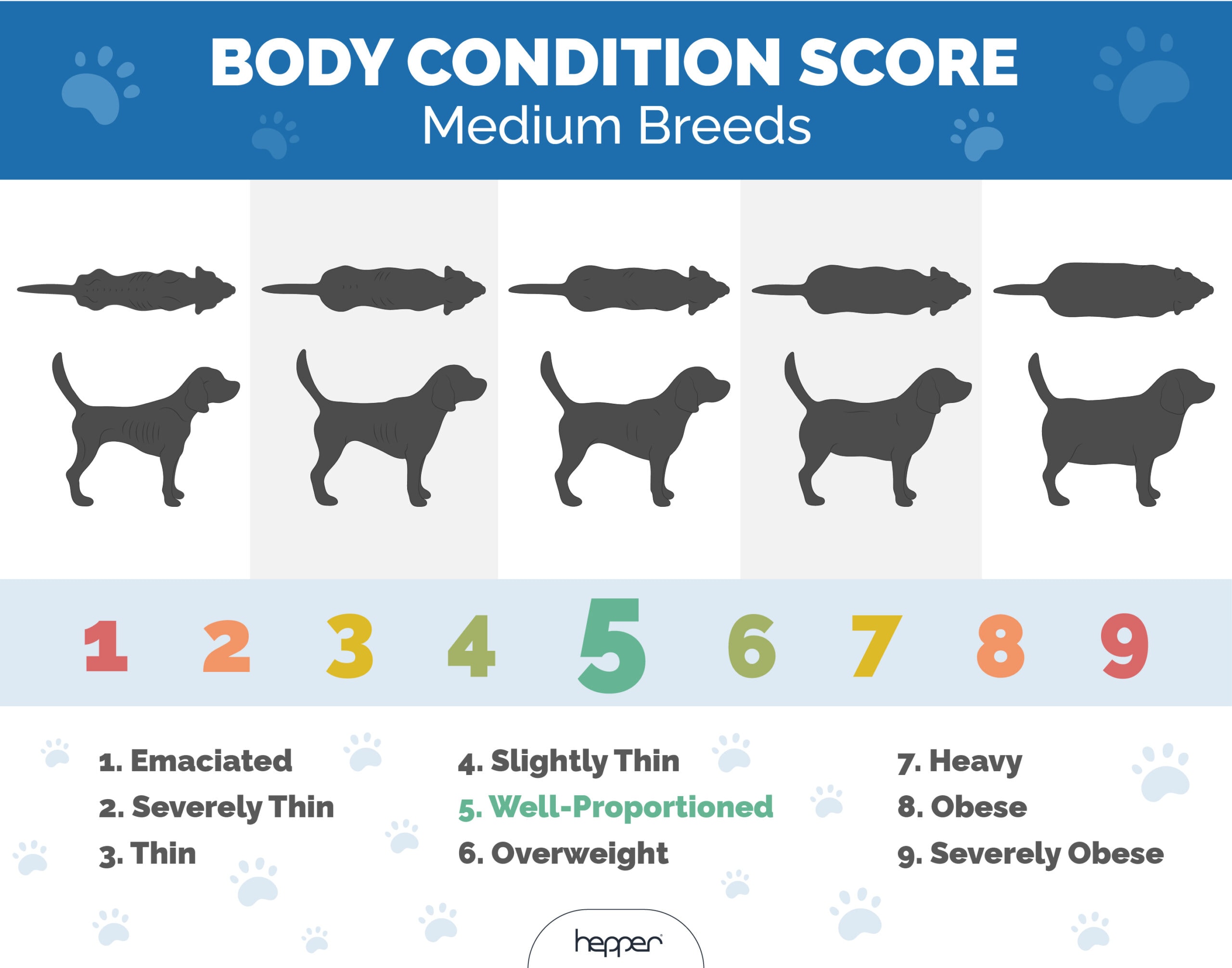
Body condition score (BCS) is a tool used by veterinarians and pet owners to assess a dog's overall body fat level and muscle mass. BCS is assessed by examining and touching the dog's ribs, abdomen, and waist. You should be able to feel your dog's ribs under your fingers, without too much fat covering them. Seen from above, your pet should have an hourglass shape, with the waist thinner than the chest, but their spine and ribs should not be overly pronounced.
It's typically measured on a nine-point scale, with 1 being severely underweight and 9 being extremely obese. A good body condition score for dogs is 4 or 5. If you use a five-point scale, this is a 2.5 or a 3. Basically, your dog should fall in the middle to be considered healthy. Knowing your dog's BCS will help you gauge whether they are within a healthy weight range or if they need adjustments in their diet and exercise routine.
The 7 Tips for Determining the Ideal Weight for Your Dog
1. Consult Your Vet
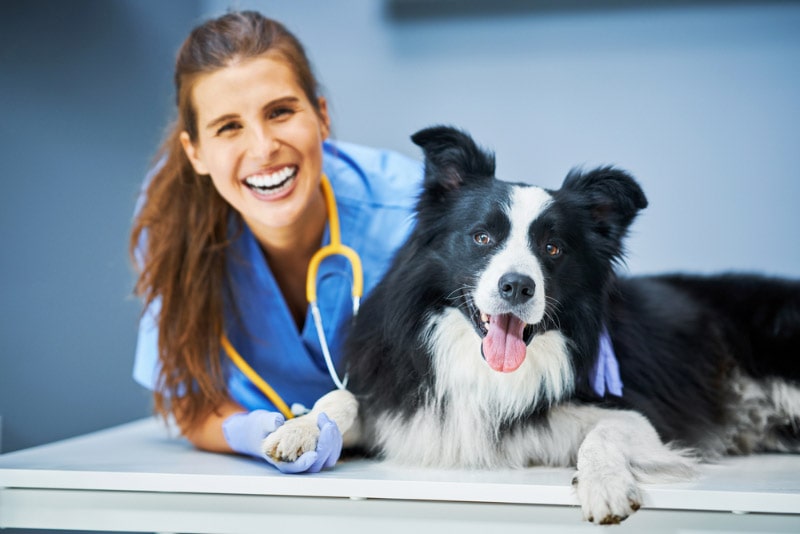
Your veterinarian is your go-to expert when it comes to your dog's health and well-being. Before determining the ideal weight for your furry friend, schedule a visit to the vet. They can provide valuable insights based on your dog's breed, age, activity level, and overall health condition. Their expertise will help you set realistic goals and create a customized plan to achieve your dog's optimal weight.
2. Weigh Your Dog
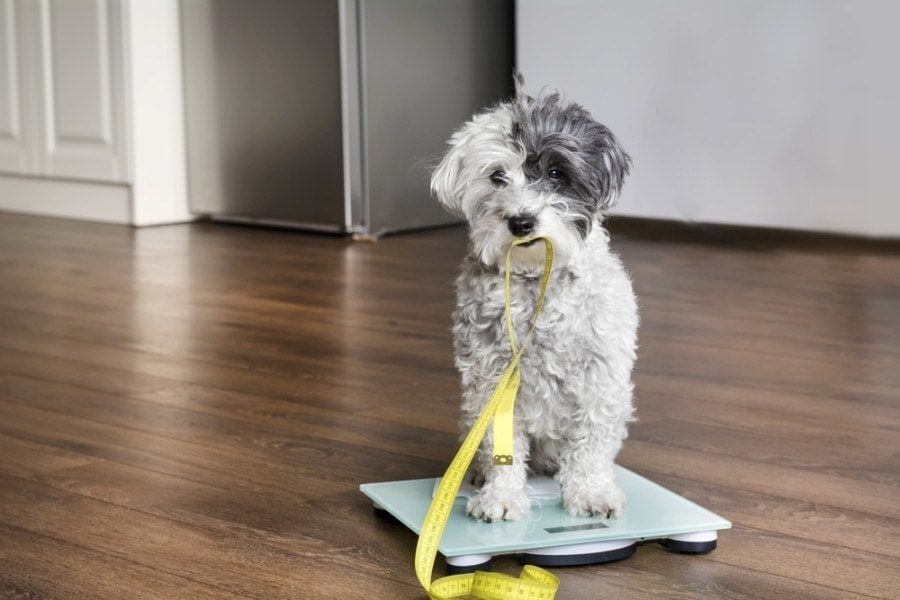
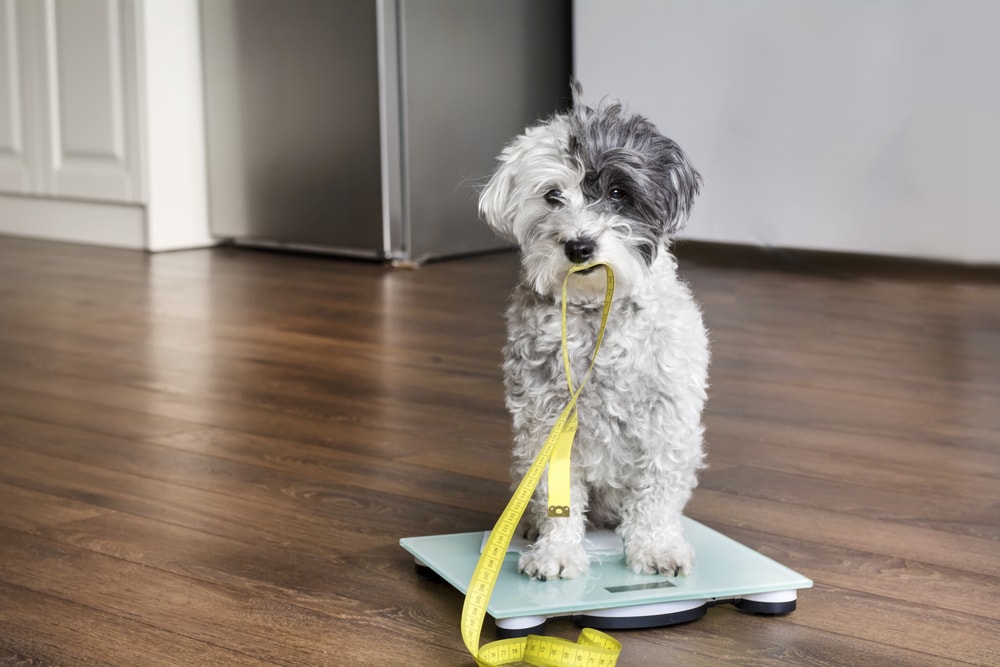
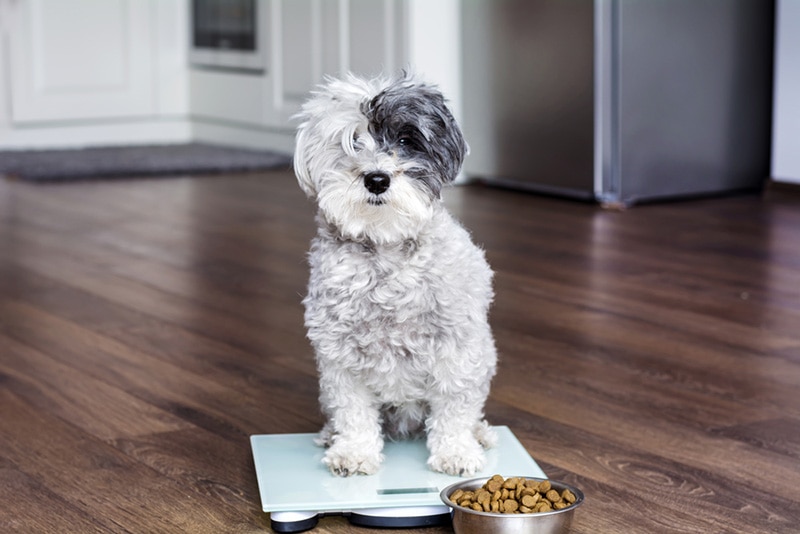
Many dogs will fit on the bathroom scales, even if you need to carry them and then subtract your weight. For larger dogs or those needing more accurate measurements then pop along to your veterinary clinic who will be able to help you out. Having a current and up to date weight is a good starting point to track change.
3. Puppy Growth
If you have a puppy you should weigh them at least monthly to ensure they are growing and developing appropriately. There are useful charts backed by research to help you with this. If you have any questions consult with your veterinarian.
4. Determine How Overweight/Underweight Your Pup Really Is
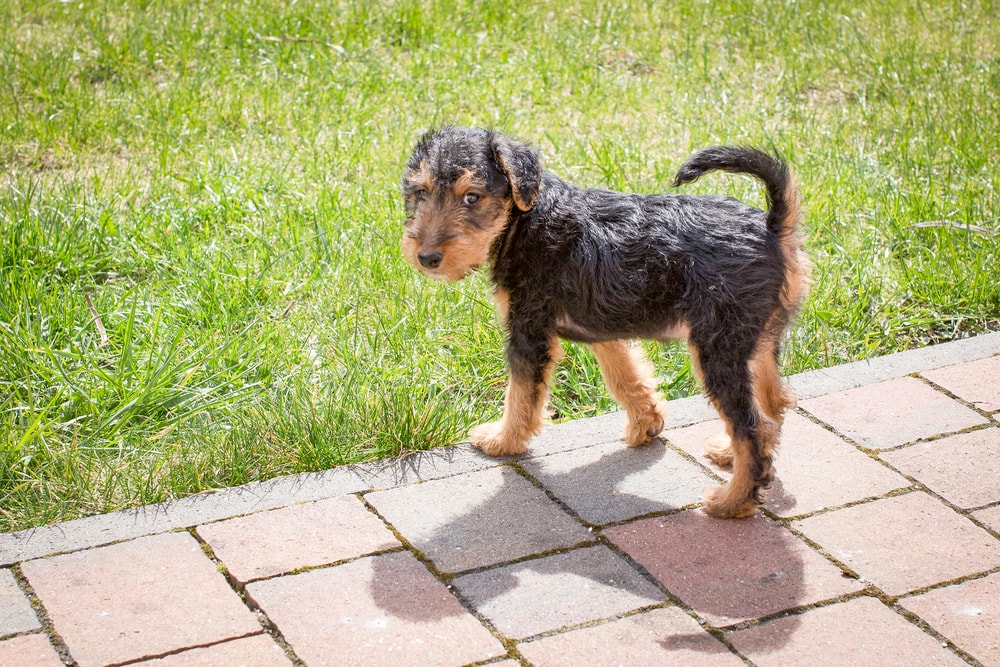
While the precise measurement of body fat may require specialized equipment, you can generally assess your dog's body fat level by looking at and feeling their body. Run your hands gently along their ribcage, spine, and tail base. Ideally, they should have a slightly visible defined waist, not a round one, and you should be able to feel their ribs with a gentle touch. Their ribs and other bones should not be protruding from their skin. Compare the shape of your dog to the chart for body fat index developed by Hills. This will give you an estimation of the amount of fat your dog is carrying and the weight to aim for.
5. Assess Your Dog’s Muscle Score
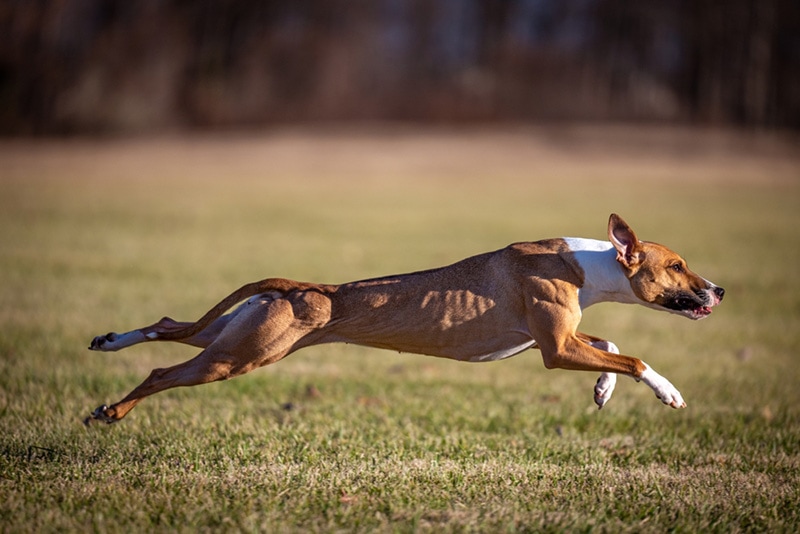
Dogs benefit from maintaining healthy muscle mass. Assess your dog's muscle tone and development to determine their muscle score. A dog with an ideal muscle condition score will have well-defined muscles along their spine, shoulders, and thighs. Adequate muscle mass contributes to better mobility, strength, and overall fitness.
6. Adjust Your Dog’s Feeding and Exercise Amounts
If your dog's BCS suggests that they are not at their ideal weight, consider adjusting their diet and exercise routine. Your vet can help you create a balanced and appropriate meal plan to achieve the target weight. Keep track of their weight, body measurements, and any changes in their physical appearance. Adjust their diet and exercise plan as needed, and celebrate the milestones achieved along the way.
7. Don’t Rush Results
Achieving the ideal weight for your canine companion can take time—just like it would for us. Be patient and encouraging throughout the process. Remember that weight management is a journey, and with your dedication and support, your pup will reach their perfect shape in no time.

How Can You Help Your Dog Lose Weight Safely?
While there are dogs that struggle with gaining weight, it’s statistically more likely that a dog needs to shed a few extra pounds. If this is your situation, here’s how to help your dog do so safely:
Final Thoughts
As a responsible pet parent, you want nothing but the best for your fur baby, and that includes keeping them at their healthiest weight. Dogs will benefit from being fit and strong. By striving to help your four-legged friend reach their ideal weight, you'll build a stronger bond and pave the way for a long, happy, and active life together!
Sources
Featured Image Credit: Boryana Manzurova,Shutterstock
Get Hepper In Your Inbox


Pet care tips from our vets and experts, straight to your inbox.
You may opt-out at any time. View our Privacy Policy for more information.
Genevieve, a biologist and science writer, who harbors a profound affection for capuchin monkeys, pumas, and kangaroos. This passion has led her to travel extensively, volunteering and working at wildlife rehabilitation centers in Bolivia, Guatemala, Canada, and Australia. Now residing in Argentina as a Canadian expat, Genevieve enjoys the view of horses and cows greeting her from the vast plains outside her home office window. She proudly cares for three rescued dogs—Lemmy, Nala, and Pochi—and a playful kitten named Furiosa. Sharing her extensive knowledge and love for animals brings her immense joy and fulfillment.
Join the conversation
Ask a question, share your story, or send private feedback.