Hepper is reader-supported. When you buy via links on our site, we may earn an affiliate commission at no cost to you. Learn more.
Why Is My Puppy Breathing So Fast? 8 Vet-Reviewed Reasons & FAQ


In this article
Puppies get out of breath occasionally. Whether they’re coming down from a case of the zoomies or excited about their humans coming home from work, a faster breathing rate is usually normal in puppies. However, extended periods of rapid breathing may indicate an illness or injury, so you’ll need to use context clues to determine the cause of this behavior.
Read on to find several reasons your puppy is breathing fast and learn more about this behavior.

The 8 Reasons Your Puppy is Breathing So Fast
1. Exercise
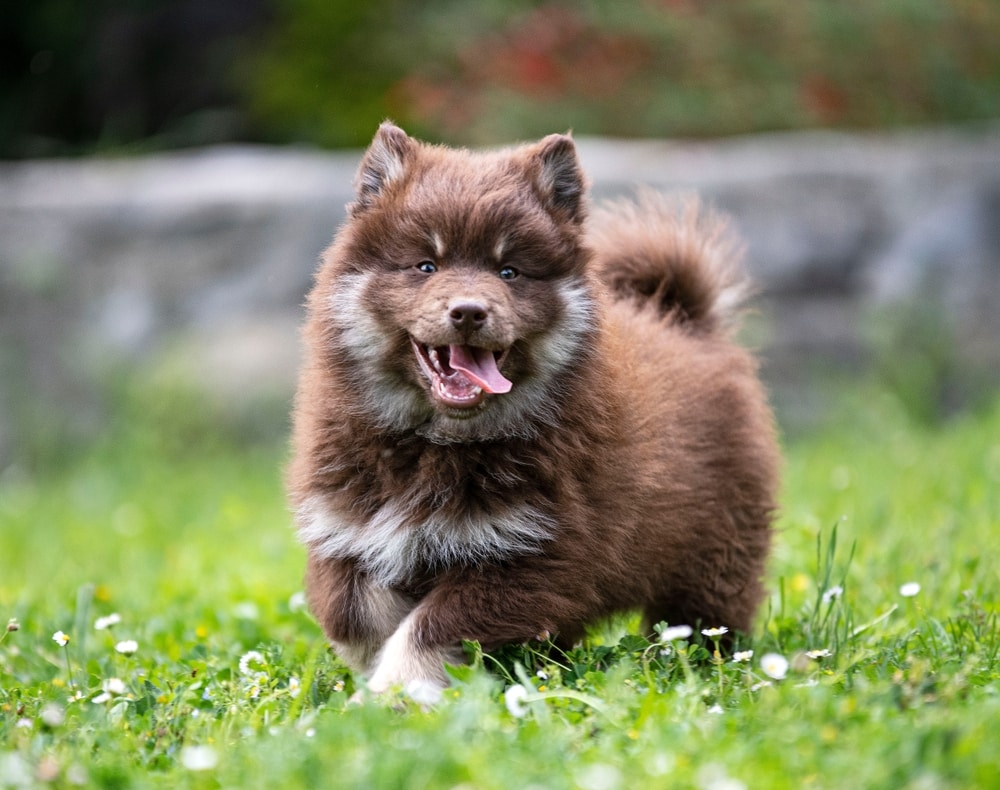
The most common reason your puppy breathes so quickly is that it just finished exercising. A dog that’s been running around the yard or dog park will have a greater oxygen demand, and a faster breathing rate will help get oxygen to its hard working body cells. A freshly exercised pup needs to breathe faster to rid its body of carbon dioxide and increase oxygen intake.
2. Excess Cortisol
Feelings like stress, excitement, or fear are all related to the hormone cortisol, also known as the ‘stress hormone’. When this hormone is activated, it increases the heart rate. Because the heart is a muscle, it requires oxygen to function, so when a dog’s heart rate is spiked, its lungs need to work overtime to bring more oxygen to the heart.
Cortisol is also responsible for faster breathing when a dog is in pain. A hurt puppy will usually vocalize when in pain but remember that injuries aren’t always identifiable on your pet’s body. For example, internal bruising or a punctured lung can cause a rapid breathing rate but won’t be easy to recognize if you’re looking for physical wounds.
3. Thermoregulation
A dog’s body doesn’t have many ways to cool itself if it’s overheating. Unlike us, they don’t sweat throughout their entire bodies, only through their paws and noses. So, a dog that’s too hot will begin panting to let in cool outside air and let heat escape its body.
Certain dogs may be more prone to heat-related health issues, including:
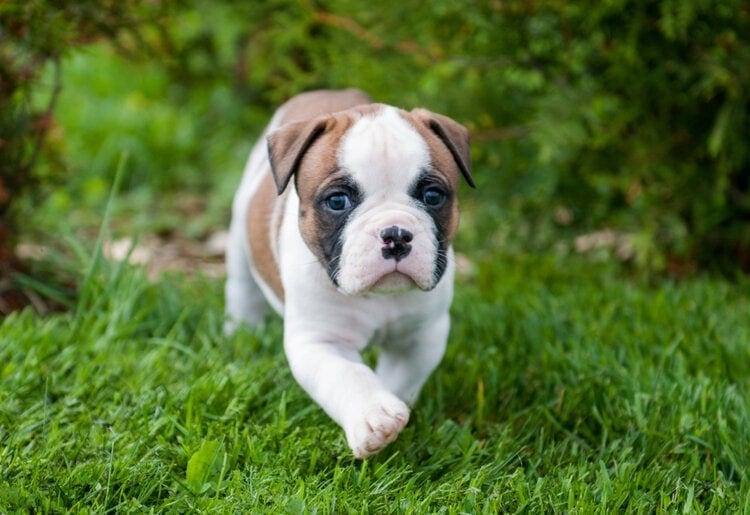
- Brachycephalic breeds (e.g., Pugs, Bulldogs, Shih Tzus)
- Those with thick coats (e.g., Malamutes)
- Those with dark-colored coats that retain heat
4. Heart Disease
Most cases of heart disease in puppies are present from birth, as developing this condition so young is very rare. Unfortunately, the heart can develop abnormally while your puppy is in the womb, causing congenital heart malformations that can affect them as they grow. Only very serious heart defects can cause disease or rapid breathing rates in puppies. Other signs of heart disease include lethargy and coughing.
5. Lung Conditions
Lung diseases can affect a puppy’s lung capacity and performance, sometimes reducing oxygen intake. To make up for this reduction of oxygen, the lungs will work overtime, causing fast and shallow breathing.
The most common lung diseases seen in puppies are infectious conditions like kennel cough or viral infections like influenza. Such conditions can damage the lungs, reducing the space necessary for oxygen and carbon dioxide exchange. Other signs of lung conditions include fever and cough.
Some newborn puppies may breathe rapidly if their lungs are not functioning as they should. Premature puppies should be under close veterinary care to help them thrive.
6. Blood Issues
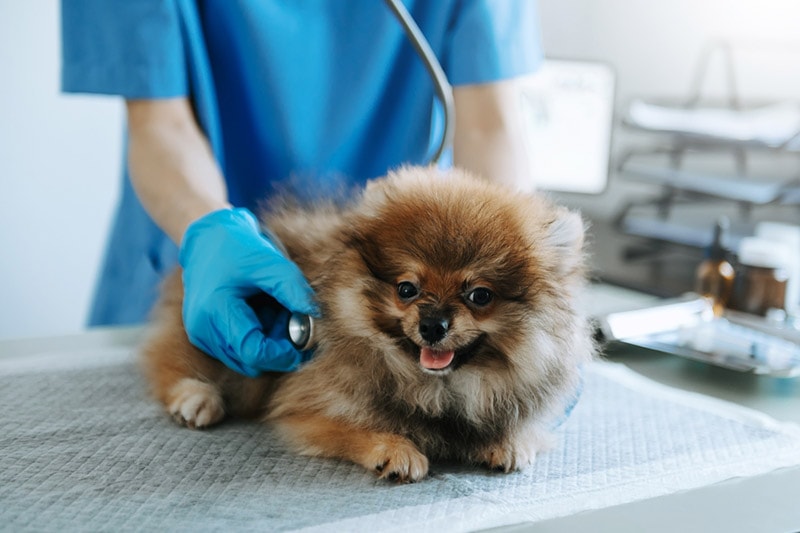
If puppies don’t have enough viable blood to carry oxygen throughout their bodies, they’ll begin breathing faster to compensate. This is generally known as anemia, and it can occur for many reasons, all of which require a vet visit.
7. Object Inhalation
Puppies are mischievous little creatures that can get into trouble with their curiosity. They can inhale small objects, like grass seeds or food, that can get lodged in their trachea or bronchi. Also known as aspiration pneumonia, this condition results in excessive fluid and mucus build-up in the lower airway. This is often a life-threatening emergency that requires immediate veterinary care.
Some dogs may be predisposed to aspiration pneumonia, including those with medical conditions like laryngeal paralysis, megaesophagus, or a persistent right aortic arch (only seen in puppies).
8. Bloat
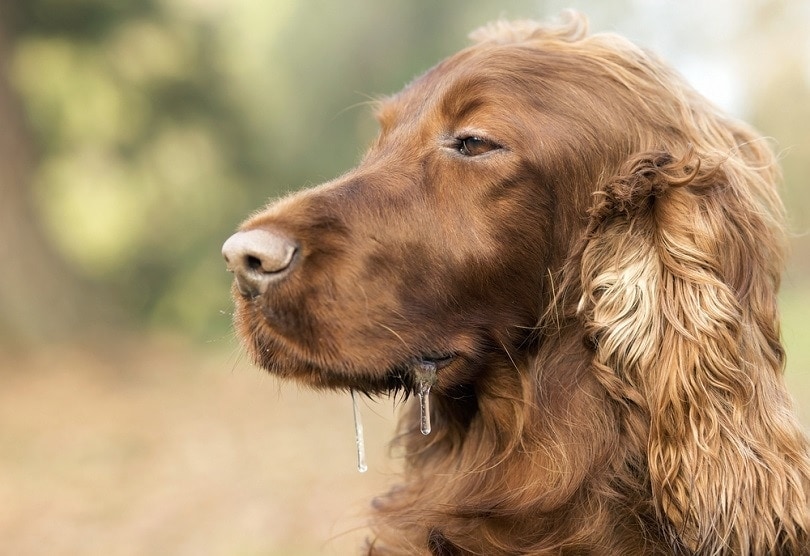
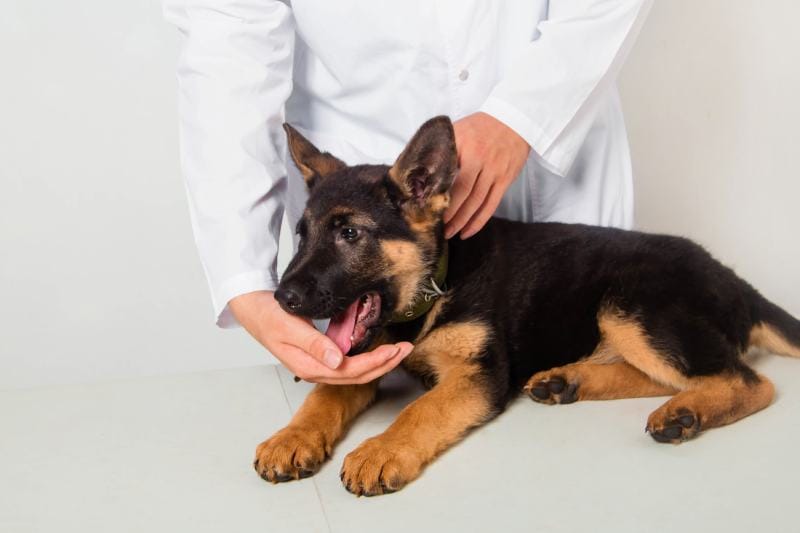
Dog bloat is a common yet dangerous condition that requires immediate treatment. It occurs when the stomach expands and fills with food, fluid, or gas. The expansion of the stomach puts pressure on other organs, which may result in decreased blood flow, stomach wall tears, and difficulty breathing. Other signs of bloat include abdominal swelling, restlessness, pacing, excessive drooling, and retching.
Sometimes the stomach will twist and flip on its axis, resulting in a condition known as gastric dilation volvulus (GDV). GDV traps blood in the stomach, blocking it from returning to the heart and reaching other body areas. This can send your pup into shock and may even be fatal. Dogs with GDV will require surgery to untwist their stomachs. Dogs of any age can develop bloat or GDV, though it is most common in deep-chested and large breeds like Basset Hounds and German Shepherds.

How Is Fast Breathing in Puppies Treated?
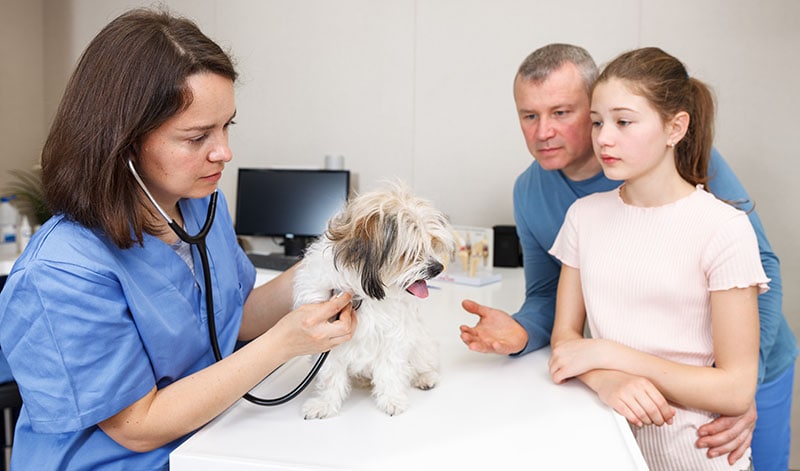
The treatment for rapid breathing will depend on the underlying cause. A puppy that’s breathing fast because it’s anemic will require much different treatment than one that’s inhaled a foreign object. The best treatment for your dog’s condition must be determined by your vet and may include pain medication, intravenous fluids, or oxygen therapy.
Training with a dog behaviorist may be necessary if your dog’s unusual breathing is caused by stress or anxiety.
How Fast Is Too Fast?
A good way to check if your puppy’s breathing is too fast is to count its breaths for a minute while resting or sleeping. The normal respiratory rate for dogs at rest is between 15 and 30 breaths every minute. Lower rates are possible and aren’t usually cause for concern, provided your puppy is acting normally. However, resting breathing rates consistently higher than 30 breaths per minute is abnormal and should be investigated.
When Should I Contact My Vet?
Contact your vet immediately if you notice any of the following signs:

Final Thoughts
Though there are many potential reasons puppies breathe fast, most of the time, it is because of something completely innocuous, like too much exercise. However, if your pup’s faster respiratory rate is accompanied by out-of-character behavior, you must talk to your vet for advice on what to do next. Your vet will perform a thorough examination to provide an accurate diagnosis and treatment plan.
Sources
https://www.pethealthnetwork.com/dog-health/dog-diseases-conditions-a-z/aspiration-pneumonia-dogs
https://www.petmd.com/dog/conditions/cardiovascular/c_multi_shock_hypovolemic
https://www.thomasvillevet.net/site/blog/2020/12/30/dog-breathing-fast
https://vcacanada.com/know-your-pet/home-breathing-rate-evaluation
Featured Image Credit: otsphoto, Shutterstock
Get Hepper In Your Inbox


Pet care tips from our vets and experts, straight to your inbox.
You may opt-out at any time. View our Privacy Policy for more information.
Chantelle's life revolves around two passions: writing and animals. Raised on the prairies of Canada amidst a menagerie of pets, she now lives with five cats, two guinea pigs, and a bearded dragon. Together with her husband and child, Chantelle delights in being an exemplary animal parent, going as far as installing wall-mounted cat shelves to give their cats an indoor playground. When she's not cozying up with her cats or snapping their amusing antics, she enjoys venturing into the Rocky Mountains, binge-watching her favorite Netflix shows, and indulging in spontaneous reading adventures.
Join the conversation
Ask a question, share your story, or send private feedback.