Hepper is reader-supported. When you buy via links on our site, we may earn an affiliate commission at no cost to you. Learn more.
Why Is Dog Obesity Dangerous? 6 Important Reasons (Vet Answer)

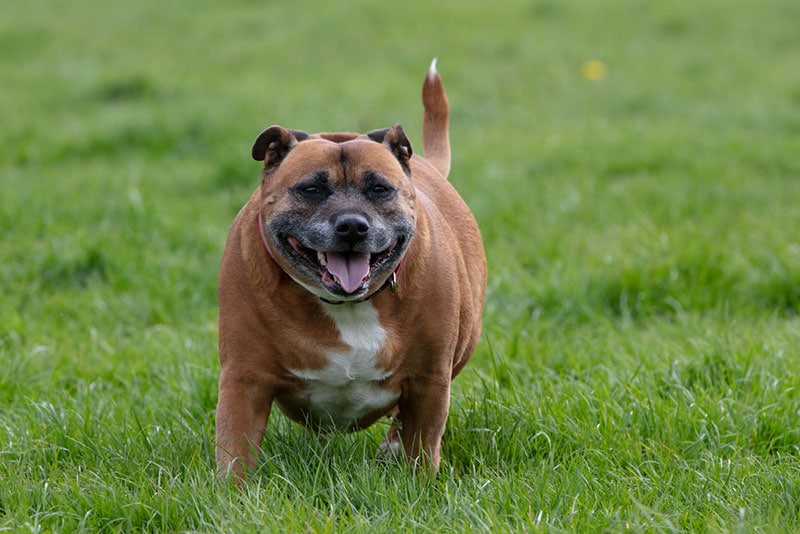
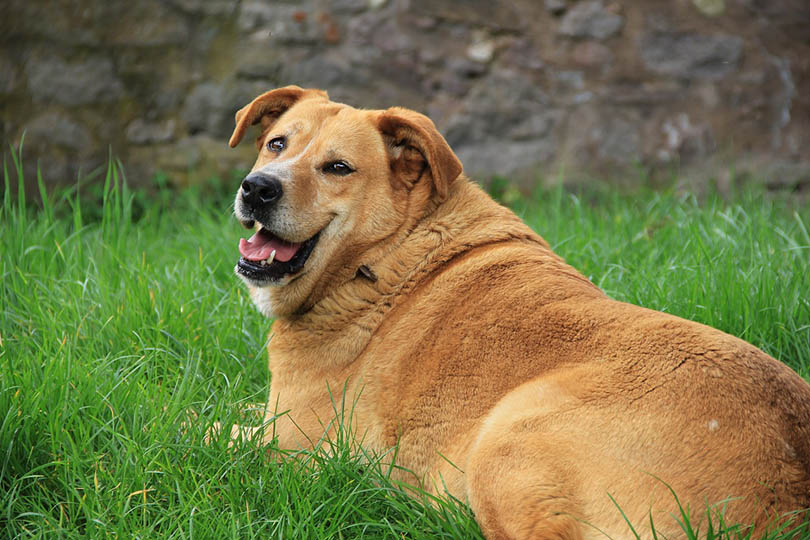
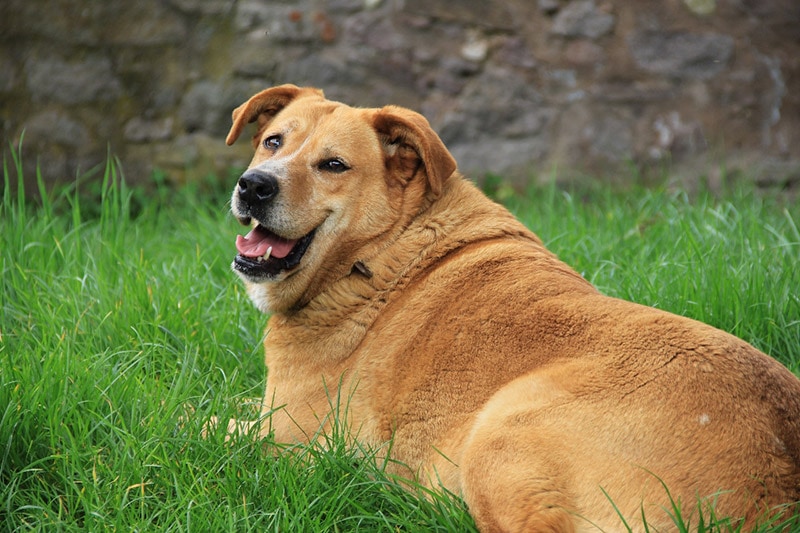
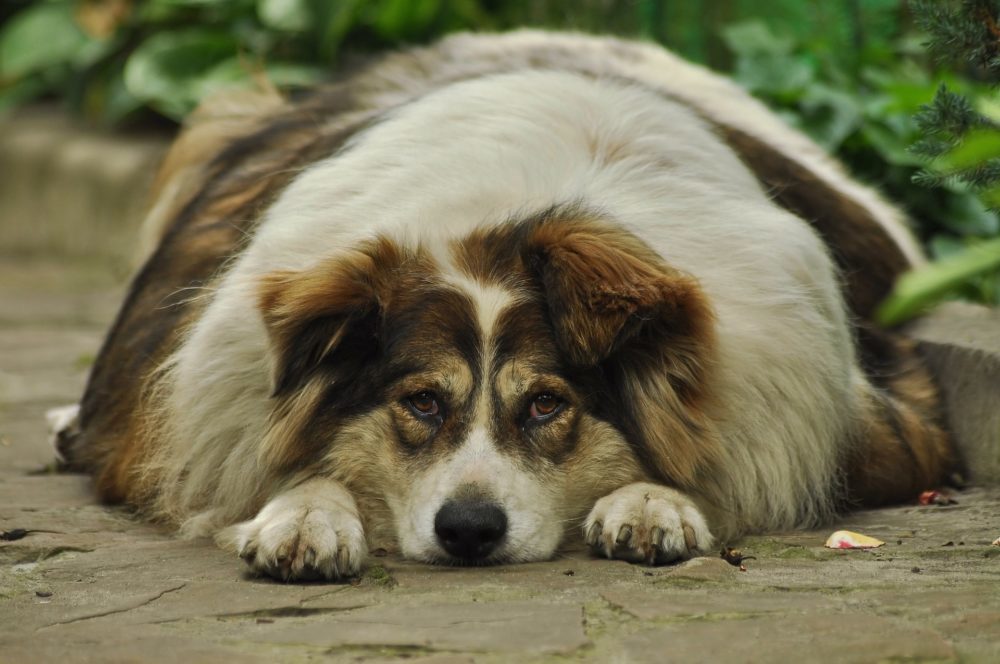
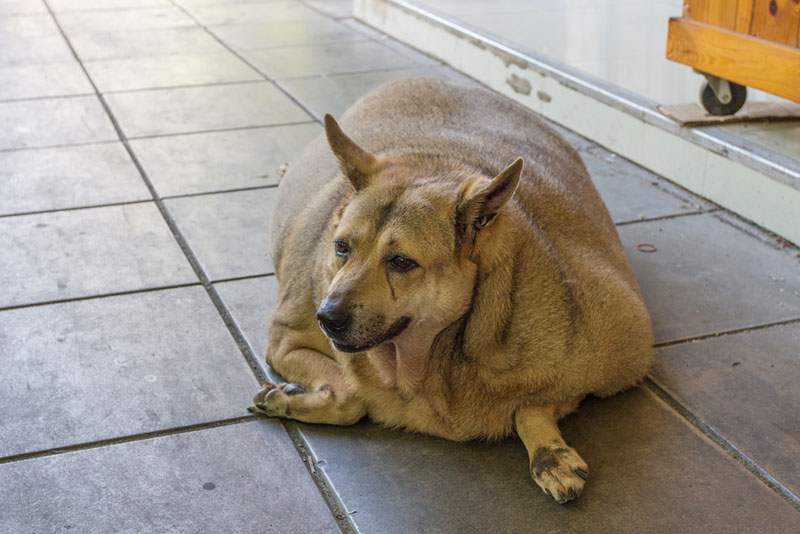
Dog obesity is unfortunately extremely common in our favorite companions. It can cause not only a decreased life span of your dog but also greatly affect their quality of life. If your dog is obese, they may suffer from increased joint problems, respiratory problems, and be at risk for the development of other diseases.
Continue reading to find out more about why dog obesity is so dangerous.

The 6 Reasons the Dog Obesity is Dangerous
1. Joint & Back Problems
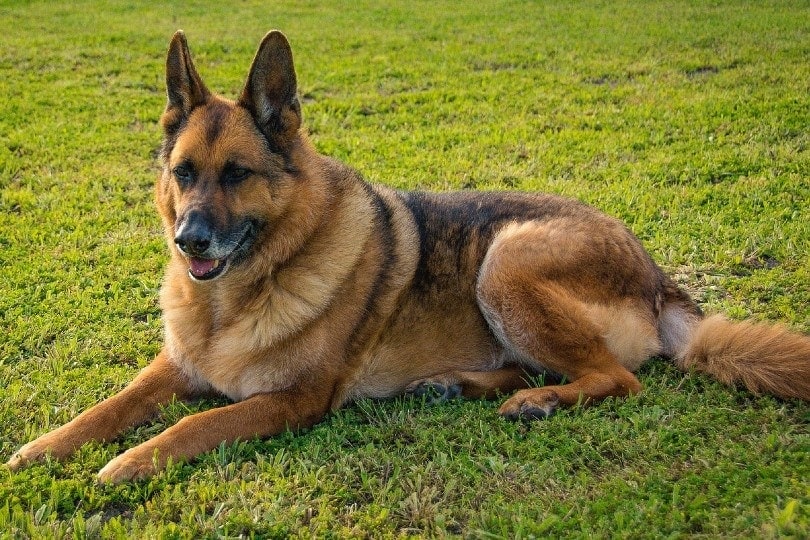
This is probably the most obvious issue on this list. Overweight pets suffer significantly more stress on their joints than healthy-weight dogs, leading to more chance of arthritis as they age. If your dog is a breed that is already prone to joint issues such as the retriever breeds, shepherds, dachshunds, and most large and giant breed dogs—the extra weight may predispose them to further injury. Current studies suggest that injuries such as cruciate tears and IVDD (intervertebral disc disease) may be higher in overweight dogs than in lean dogs.
2. Decreased Quality of Life
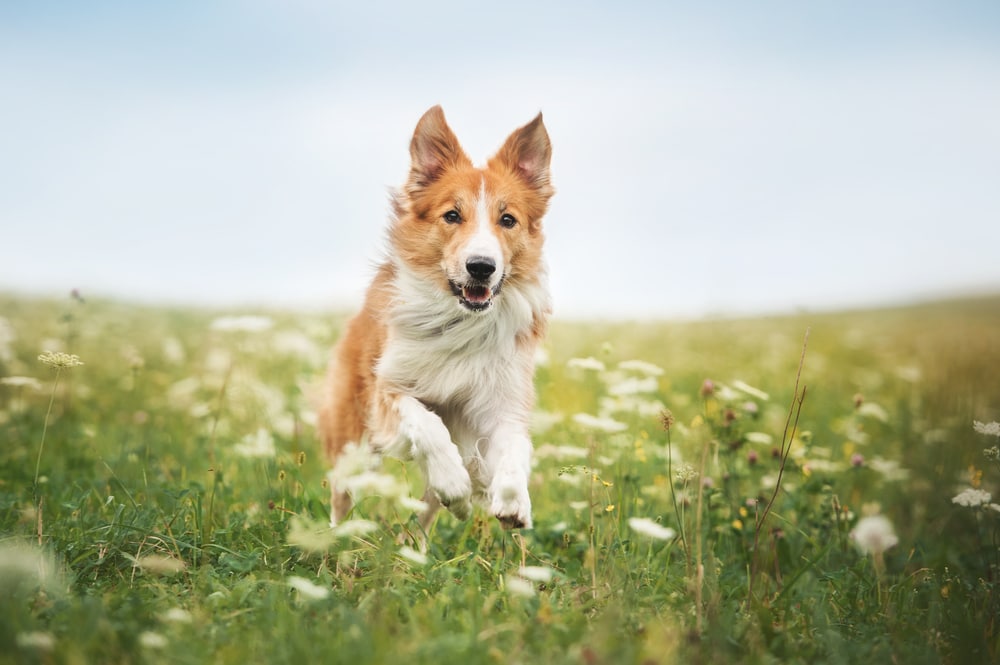
We all wish our pets lived as long as us. One of the most heartbreaking things about owning dogs is the short time we have with them. While they’re here with us, you want them to live their best life. This may be hiking with you, walking the neighborhood every night, or enjoying a quiet evening on the porch. Whatever the activity, keeping your dog lean helps to ensure that they are enjoying this time as much as possible. A lean body weight helps with both acute and chronic pain, chronic inflammation, life span, and the desire and ability to be active.
A big mistake many owners make is spoiling their dogs with treats. And while you may feel good in the moment feeding your dog a morsel of your dinner, over time the extra weight will add up and your pup won’t be able to enjoy other activities with you.
3. Decreased Lifespan
Some studies suggest that dogs who have a lean body mass live on average 2 years longer than their overweight or obese friends. Can you imagine 2 extra years with your best friend?! That’s what we all want—as much good, quality time as possible with our beloved dogs. Set your dog up for success now, so that as they age, they will hopefully live the longest life possible by your side.
In addition, there are links to the development of diabetes mellitus, cancer, kidney disease, and hypertension (high blood pressure) in overweight dogs vs. lean dogs. If your dog is already overweight and develops a concurrent disease on top of it, this may significantly decrease their lifespan. Not to mention that suffering from multiple diseases at once will also decrease the quality of life they have.
4. Respiratory Issues
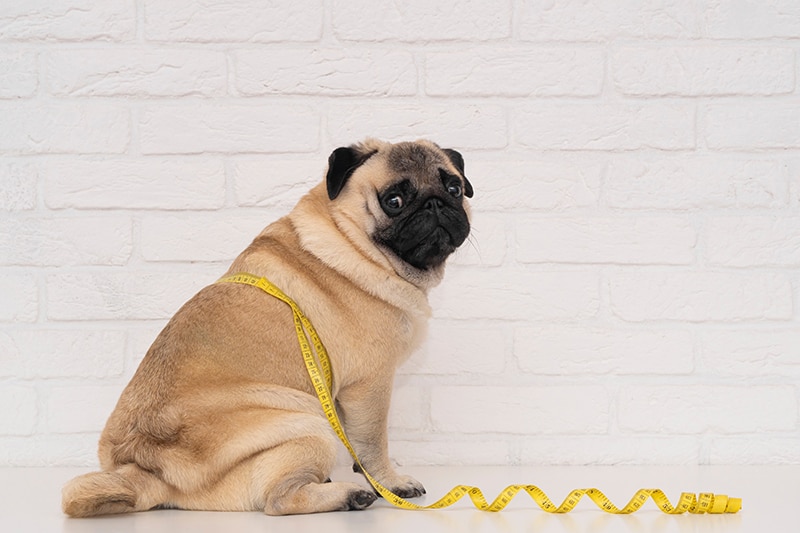
Unlike people who are overweight, we don’t tend to see cardiac and arteriosclerosis in overweight dogs. However, what we do see is increased respiratory issues. This is especially true with “brachycephalic” dogs, or dog breeds with squished faces. These breeds already have significantly narrowed and compromised airways. If they are overweight, this will add additional fat and tissue constricting the airways even further.
Respiratory issues are also problematic in dogs with a collapsing trachea. The added weight around the neck may further collapse and constrict the trachea, or windpipe, making it extremely difficult for your dog to breathe. Even worse is a brachycephalic dog with a collapsing trachea! Do your pup a favor and don’t add to their already decreased ability to breathe comfortably.
5. Difficulty Healing
Having an overweight dog may also inhibit their healing after injury and/or surgery. Fat can be a constant source of inflammation. Following any type of injury, surgery, or illness, there will always be a level of normal inflammation associated with the disease process and healing. However, if there is a chronic additional source of inflammation such as excess fat, this may inhibit the body’s ability to properly heal.
Getting your pet up and moving during the healing process can aid the body to hasten healing. If your dog is overweight and has mobility issues, to begin with, they are going to be less apt to get up and move while they are hurt or sick. Dogs who are recumbent or lying down following surgery will have an increased risk of secondary diseases such as aspiration pneumonia.
6. The inability to Help in an Emergency
This may be something you wouldn’t even think of. But if there is an emergency and you need to get your dog up, carry them, or assist them in any way, could you do it when they’re overweight? Think about it—there’s a storm outside or a fire emergency and you need to move your dog quickly. If they are grossly overweight, you may be unable to assist them to safety. Not to mention if they suffer any type of medical emergency in the house, you want to be able to safely get them to the veterinarian for help. Being overweight may cause you difficulty in helping them.

Final Thoughts
Having an overweight dog comes with many obvious and hidden dangers. Not only do overweight dogs suffer from more joint and back problems than their lean friends, but they may also have a decreased quality and quantity of life. Overweight dogs may have difficulty healing following trauma and have increased difficulty breathing, especially if they are already prone to respiratory issues. While you may not even think of the concern, your ability to help your overweight dog to safety during any type of emergency may be a problem.
We all want our dogs to be by our sides as long as possible. We also want them to be able to live their best life during those years. Do yourself and your pup a favor and set them up for success now by keeping them lean and healthy.
Sources
Featured Image Credit: Sue Thatcher, Shutterstock
Get Hepper In Your Inbox


Pet care tips from our vets and experts, straight to your inbox.
You may opt-out at any time. View our Privacy Policy for more information.
Dr. Podlecki is a graduate of The Ohio State University College of Veterinary Medicine with more than 12 years of experience working with small animals in the US. Dr. Podlecki spent 10 years working almost exclusively in emergency and specialty medicine before transitioning to relief in general practice and the ER. She also owns her own veterinary consulting company (renewvetconsulting.com) that helps vet hospital improve their internal culture.
For as long as she can remember, Dr. Podlecki always wanted to be a veterinarian. It is her passion and she lives to help animals. She also owns her own consulting company (renewvetconsulting.com) which focuses on helping veterinary hospitals prioritize their staff to promote a healthier internal culture.
Education
Dr. Podlecki graduated from The Ohio State University College of Veterinary Medicine.
Experience
Dr. Podlecki has over 12 years of experience working in the USA with small animals. For more than 10 years, she worked almost exclusively in emergency and specialty medicine, before transitioning to relief in both general practice and ER.
Join the conversation
Ask a question, share your story, or send private feedback.