Hepper blog

Search our database of over 9,984 posts with up-to-date information from our experts and veterinarians.

Hepper is reader-supported. When you buy via links on our site, we may earn an affiliate commission at no cost to you. Learn more.

Is Silica Gel Litter Safe for Cats? Vet Reviewed Facts & FAQ

By Hallie Ballard · Reviewed & fact-checked by Dr. Paola CuevasVet Approved
Dr. Paola Cuevas
Reviewed & Fact-Checked byDr. Paola CuevasMVZ (Veterinarian)
Paola Cuevas is a veterinarian and animal behaviorist, with over 18 years of experience working with a variety of species. Her passion is animal welfare and focuses on the importance of preventive medicine. Paola has skills in the fields of nutrition, microscopy, clinical pathology, diagnostic imaging, and endoscopy as well as extensive experience in animal training through positive reinforcement. As our in-house veterinarian, Paola is very happy to share her knowledge and experience with our readers and hopes to be helpful with any issue presented by your non-human family members.View authorThe information is current and up-to-date in accordance with the latest veterinarian research. Read about our vets
Share
Ask us a question in the comments
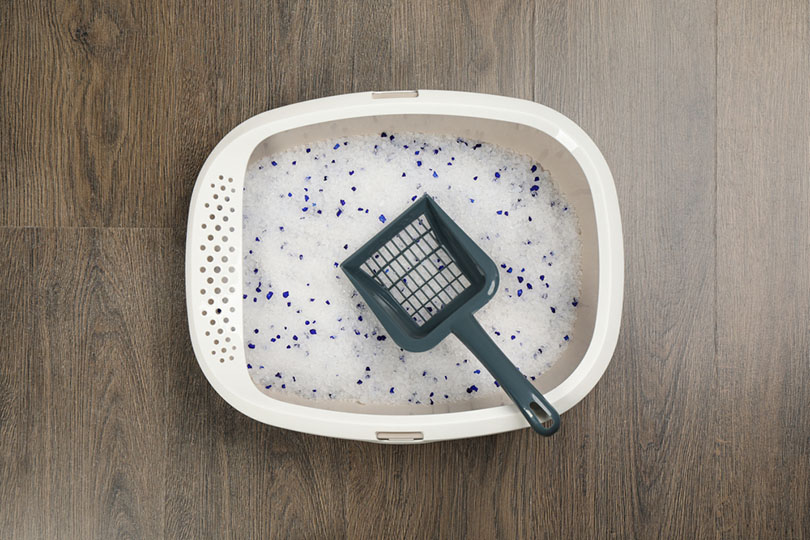
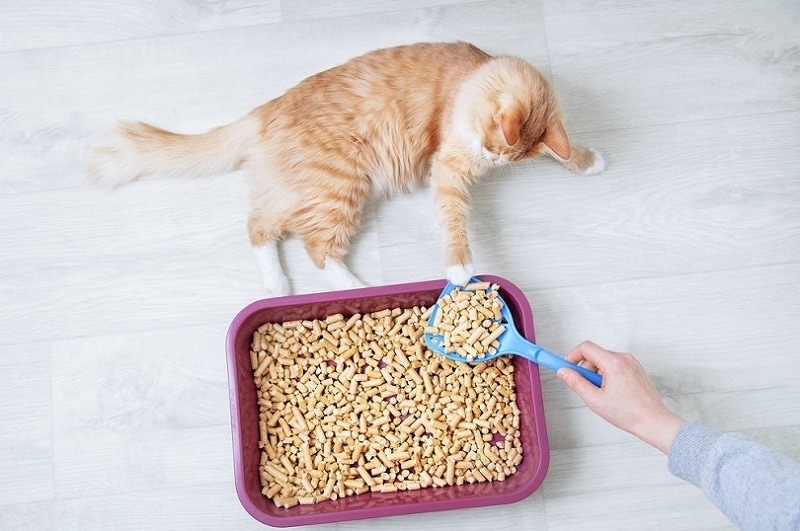
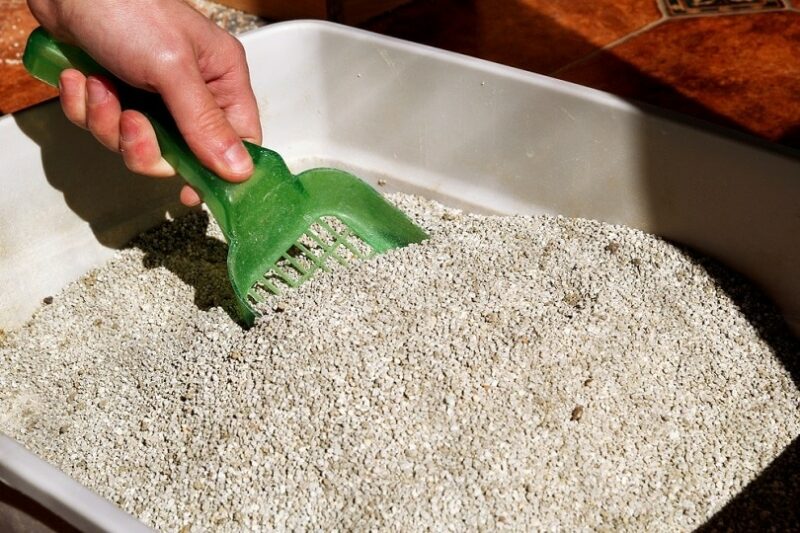
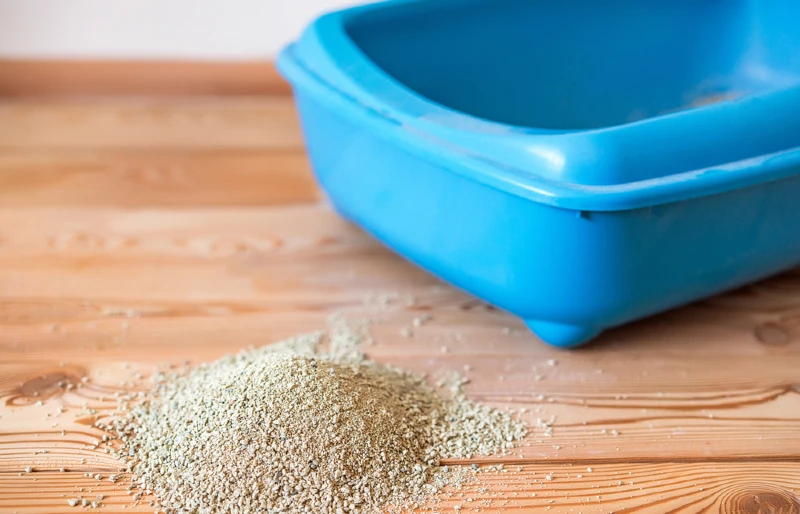
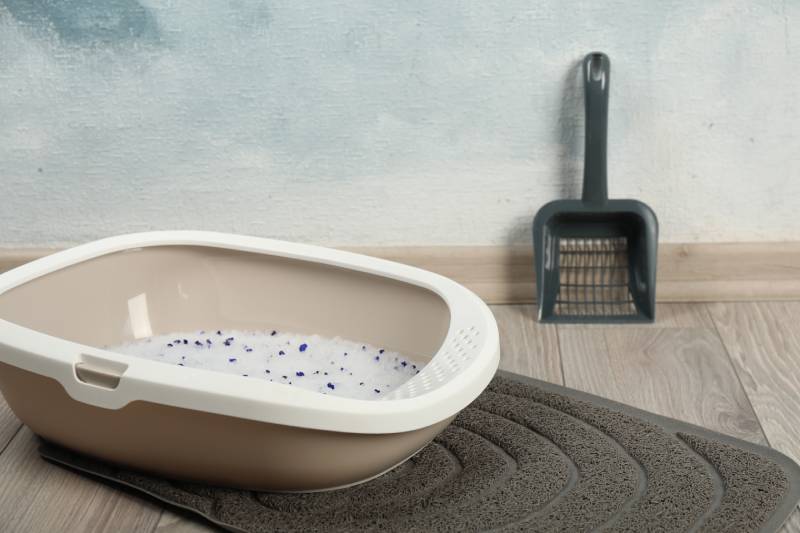
cat litter tray with silica gel filler and scopp on wooden floor

Between clay, pine, wheat, and paper, many different types of litter are made from various ingredients. Silica litter is a new cat litter and is sparking interest among cat owners. So, what is silica litter, and is it safe for my cats?

Silica Gel litter is a mineral-based product that is 100% natural, and so far, research shows that silica cat litter is safe for cats to use. Because it is so new, however, this belief could change in the future. Things are looking good so far, though, and this could be the next traditional cat litter in the years to come.

What Is Silica Cat Litter?

Silica litter is made of silicone dioxide, a natural compound most commonly found in nature as quartz. This compound is usually formed into tiny pearls or gels. The silica has a unique atom structure that allows it to bind with a high amount of liquid. This structure also helps neutralize any odors, plus it is biodegradable.

Is Silica Litter Safe?

Your cat's safety should always be your top concern when trying any new type of litter. They could turn their nose up and veto it right away, but it ultimately depends on the individual. There have been reports of the silica litter being too rough on their cat's soft paws and causing them to be in pain. Again, some cats can handle it, and others despise it.

Likewise, some silica litter is formed in rounder, smoother pearls and others are coarser pieces. Pay attention to how your cat acts while you switch them over. If they don't seem to like it or avoid the box, then it's best to switch back to their regular litter.

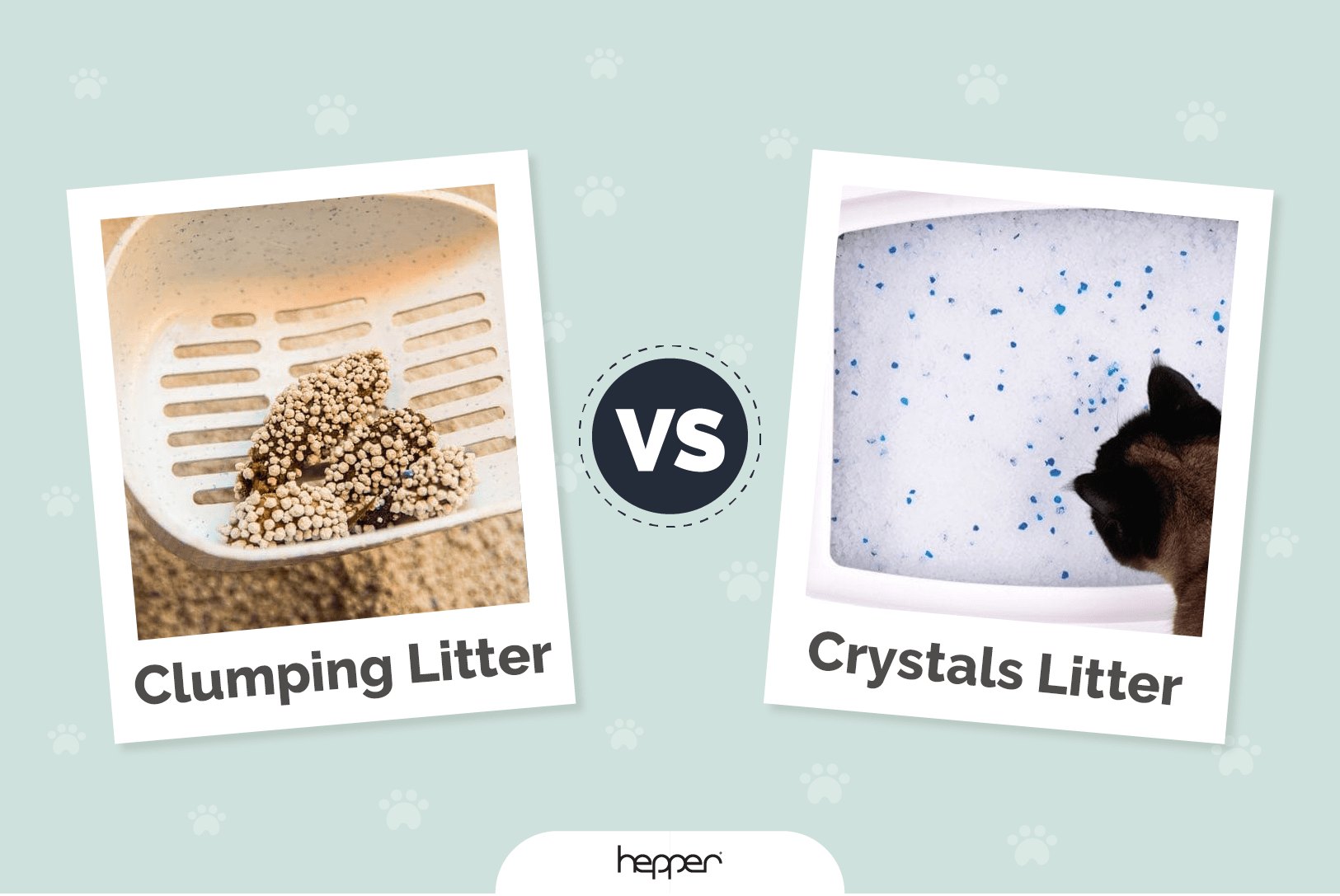
There have been some concerns about cats consuming the litter and inhaling it. While silica does spread many airborne dust particles, cats aren't likely to get sick from it. Surprisingly, regular clumping clay litter seems to be more dangerous if ingested due to being made from sodium bentonite clay, which is potentially harmful when ingested or inhaled. So far, there have been no links between silica dust and feline respiratory disease.

Is Silica Litter Safe for Kittens?

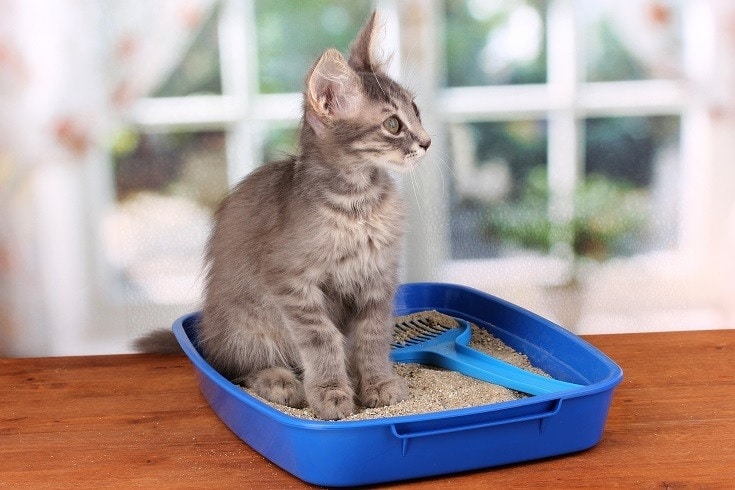
While it's okay for mature cats to use it, we recommend using caution while using it for small kittens. It is more likely for the crystals to get stuck on their paws, and any curious kitten would probably try to lick it off or accidentally consume the beads. While silica gel cat litter is entirely non-toxic and has no clumping or expanding chemicals, a kitten's immune and digestive systems are still developing, and you don't want to risk any gastrointestinal issues.
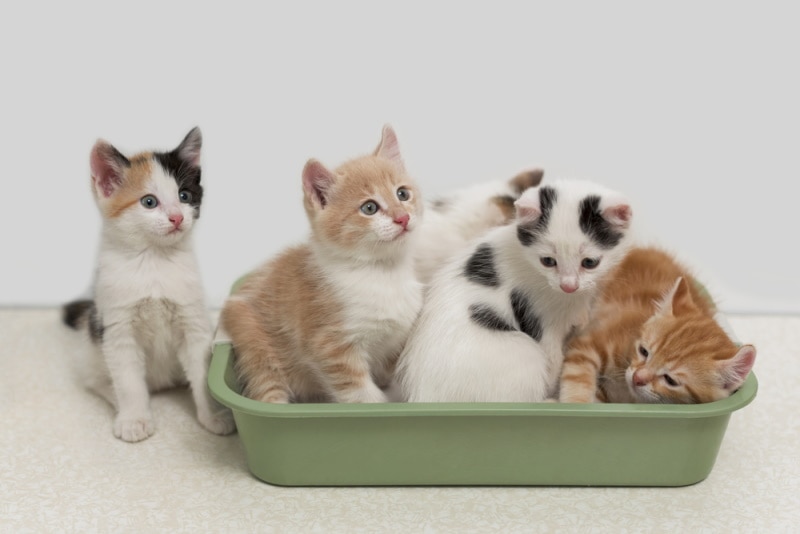
kittens in litter box
Photo Credit by: Albina Tiplyashina, Shutterstock

How to Transition Your Cat to Silica Cat Litter

Cats are highly sensitive to their surroundings. Even the most minor changes could throw them off and have them acting out. Make sure the change is gradual so that they slowly get used to the new feel, smell, and look of the silica pearls.

Start the transitioning process by mixing 1 part of the silica litter with 3 parts of the old litter products. After a couple of weeks, start using an equal mix of both litter types. Wait another 2 weeks before putting in more silica litter than their old litter. By the end of the transition, you should be able to toss your old stuff and only use silica litter from then on.

Final Thoughts

Finding the perfect type of litter for your cat is a necessary process. Your cat is going to spend every day in their litter box, and the last thing you need is for them to hate the area and start spraying around the house. If you notice any changes in your cat's behavior by switching to something new, take it as a sign that they aren't a fan and use something else that suits them better.


Featured Photo Credit: New Africa, Shutterstock

Get Hepper In Your Inbox

Pet care tips from our vets and experts, straight to your inbox.

List

Select all that apply.

You may opt-out at any time. View our Privacy Policy for more information.

Hallie Ballard
Authored by

Hallie Ballard

Join the conversation

Ask a question, share your story, or send private feedback.
Rate this post
Required to post. Only our editors see your rating.
Who should see this?

A human reviews every comment before it appears. Your email is never published.

Picked to go with this article

Crystal Cat Litter: Pros & Cons Compared to Other Types

Crystal Cat Litter: Pros & Cons Compared to Other Types

There comes a time in every cat owner's life when you want to try a different cat litter. Sure, you’ve been faithful to the traditional clay litter (or whateve…

Nicole Cosgrove
By Nicole Cosgrove ·
What Is Cat Litter Made Of? Vet-Reviewed Interesting Facts

What Is Cat Litter Made Of? Vet-Reviewed Interesting Facts

Cat litter is an essential part of owning a cat. It is required in litter boxes to absorb a cat’s waste. Without it, it would be virtually impossible to have a…

Rachel Giordano
By Rachel Giordano ·
Clumping Litter vs. Crystals: Which One Is Better for My Cat? Vet-Reviewed Facts

Clumping Litter vs. Crystals: Which One Is Better for My Cat? Vet-Reviewed Facts

Picking out the right kind of litter for your cat is an essential part of cat ownership. Not only do you want something easier to deal with, but your cat shoul…

Kathryn Copeland
By Kathryn Copeland ·
Can Sand Be Used for Cat Litter? Advantages & Disadvantages

Can Sand Be Used for Cat Litter? Advantages & Disadvantages

Are you looking for an alternative to commercial cat litter? You must have wondered whether sand is a viable option. Sand is readily available and cheaper than…

Nicole Cosgrove
By Nicole Cosgrove ·

Keep reading

More stories you might like

Can You Use Shredded Paper for Cat Litter? Vet Approved Advice

Cat litter may seem fairly straightforward, but the truth is that it can get a lot more complicated than you think. Using too much or too little litter may cau…

Jordyn Alger
By Jordyn Alger ·
Can You Use Shredded Paper for Cat Litter? Vet Approved Advice

Is Litter Deodorizer Safe For Cats? Safety & Effectiveness Examined

Cats are very clean animals, spending much of their time everyday cleaning and grooming themselves. But like all animals, they need to pee and defecate multipl…

Nicole Cosgrove
By Nicole Cosgrove ·
Is Litter Deodorizer Safe For Cats? Safety & Effectiveness Examined

9 Types Of Cat Litter: What Are The Differences? (With Pictures)

It is the part of being a cat owner that no one likes to think about: dealing with all that litter. But you have to do it, so you just trudge down to the pet s…

Quincy Miller
By Quincy Miller ·
9 Types Of Cat Litter: What Are The Differences? (With Pictures)

Is Scented Cat Litter Bad for My Cat? Vet Approved Facts & FAQ

If you have a cat, you know a dirty litter box can make your house stink. However, if you’ve used scented cat litter, you’ve probably also read the reports tha…

Patricia Dickson
By Patricia Dickson ·
Is Scented Cat Litter Bad for My Cat? Vet Approved Facts & FAQ

Can Cats Eat Diatomaceous Earth? Nutritional Facts & Safety Guide

These days, we seem to be making a move to all-natural and holistic ways of treating disease—not just in humans but in our pets as well. If you’ve been trying…

Nicole Cosgrove
By Nicole Cosgrove ·
Can Cats Eat Diatomaceous Earth? Nutritional Facts & Safety Guide

Is Cat Litter Flammable? Dangers & Things to Be Aware Of

If you have a cat, you also have a litter box. Cats being litter box trained is just one of the many perks of being a cat parent (yay, no long walks every day!…

Misty Layne
By Misty Layne ·
Is Cat Litter Flammable? Dangers & Things to Be Aware Of

How Often Should You Replace Your Cat’s Litter? Frequency & Benefits Explained

If you have cats in your home, you know the importance of a clean litter box. If the litter box gets too dirty, cats tend to let you know by choosing random ar…

Nicole Cosgrove
By Nicole Cosgrove ·
How Often Should You Replace Your Cat’s Litter? Frequency & Benefits Explained

Is a Humidifier Safe For a Cat? Vet-Reviewed Risks & Benefits Explained

Humidifiers can be incredibly beneficial in households with arid air. Winter time is primarily a season where you get drier skin and drier air passageways, and…

Ashley Bates
By Ashley Bates ·
Is a Humidifier Safe For a Cat? Vet-Reviewed Risks & Benefits Explained