Hepper is reader-supported. When you buy via links on our site, we may earn an affiliate commission at no cost to you. Learn more.
Why Cats Run Away: 11 Reasons & How to Deal With It
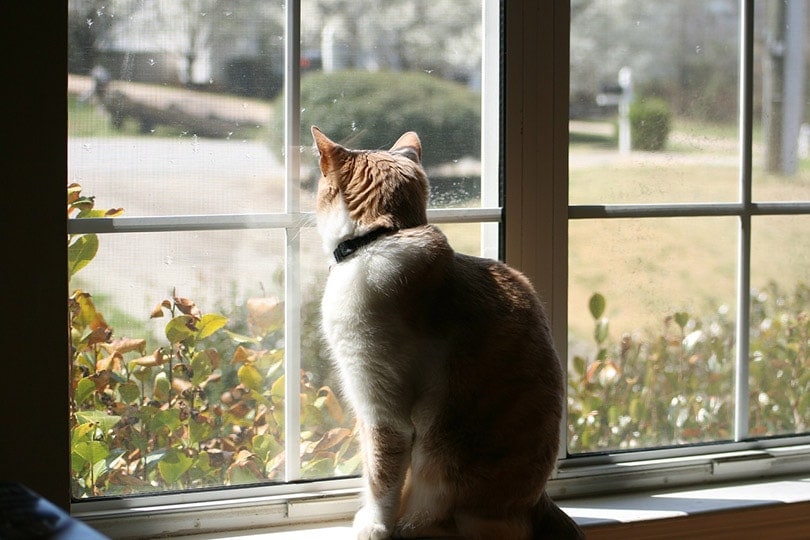
It’s something that pet owners never want to think about, but unfortunately, it happens with disturbing regularity: Their best friend runs away from home.
While any pet can get lost in the Great Outdoors, it’s especially worrisome when cats go missing. Unlike dogs, calling them isn’t likely to bring them back, and they’re vulnerable to predation from all sorts of other animals.
If you’re worried about your feline friend running off, it would be helpful to first understand why they sometimes leave, then you can think about what you can do to bring them back. Here, we look at 11 common reasons that cats run away, so you can hopefully keep yours safe and close at all times.

The 11 Reasons Why Cats Run Away
1. They’re in Heat
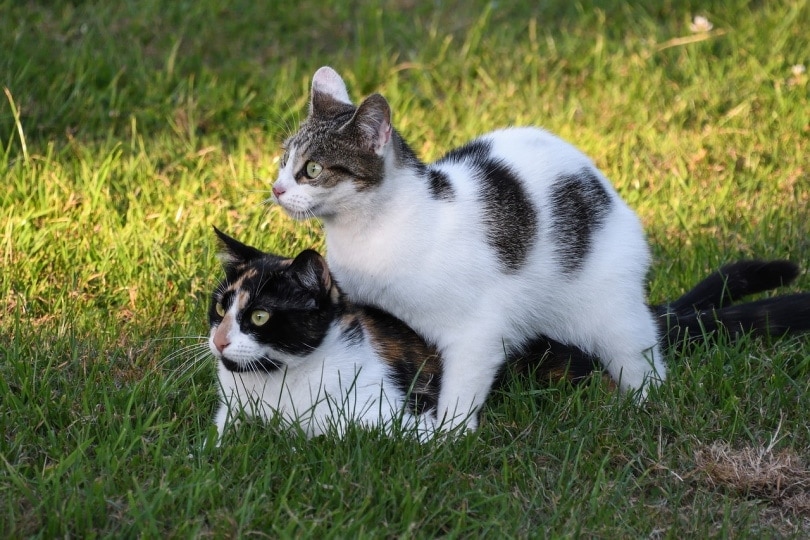
Reproductive instincts are powerful, and if you don’t spay your cat, then they’ll be overcome by a powerful urge to roam and find a mate every time their cycle comes along.
It’s not just females that are vulnerable either. If an unaltered male catches a whiff of a female in season, they’ll do just about anything to track them down. Your cat could bolt out the door the second that you open it, chew through screens, or spend hours casing the joint in hopes of finding a weakness in your perimeter.
If those urges carry them far enough away from the neighborhood that they’re familiar with, they could struggle to find their way back home again.
2. They’re About to Give Birth
If your cat wandered off while she was in heat but came back a few days later, there’s a good chance that she’s pregnant. You might think that would solve your running-away problem, but many cats also make a break for it once it’s time to give birth.
Expectant cats will seek out a quiet, secluded, secure location to give birth, and if you have a hectic household (such as one with small children or dogs running around), they may feel that your delivery room isn’t up to snuff.
That means that as her due date gets closer, she’ll be more intent on finding the perfect birthing spot. If that means leaving your house, so be it.
3. They Want to Hunt
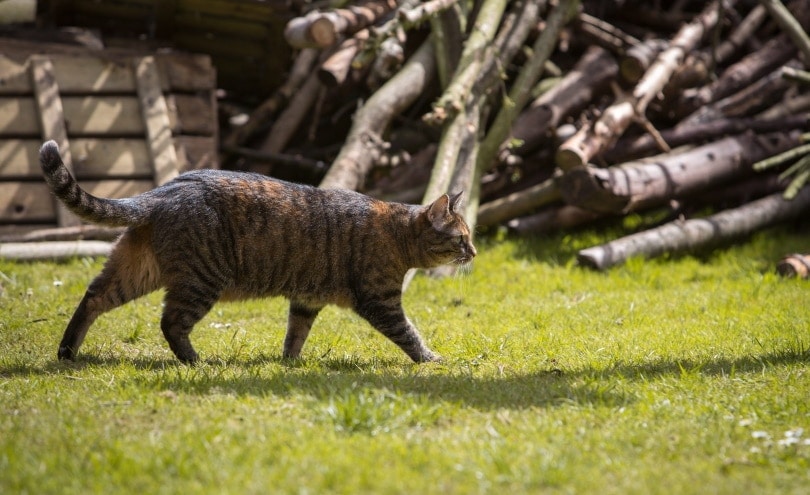
You may not realize it, but housecats are capable of wiping out entire ecosystems just for giggles. Yes, your cute cat wants nothing more than to slip the surly bonds of the prison you keep them in, if only just to enjoy a few carefree hunting sessions. The problem with this is that it’s hard to stop with just one. Regardless of whether your cat is successful in their initial hunt, they’ll likely find something else that they need to kill, and then something else, and so on. Before they know it, they’re lost and far from home.
4. They Want to Claim More Territory
One of the things that make cats such flight risks is also what makes them such great RISK players: They have an insatiable thirst for acquiring new territory. Once your cat has become completely comfortable in their home, they may desire to expand their kingdom. That means venturing out beyond the confines of your house. That’s especially true if your neighborhood is full of outdoor cats.
If your kitty sees these other cats encroaching on their territory (and worse, marking it), they may feel the need to get out there and show those cats who’s boss. This is bad because not only does it make your cat more likely to run away, but it also dramatically increases the risk that they’ll get in a street fight or three, and that can expose them to all sorts of horrible diseases, like feline AIDS.
5. They’re Getting Other Meals
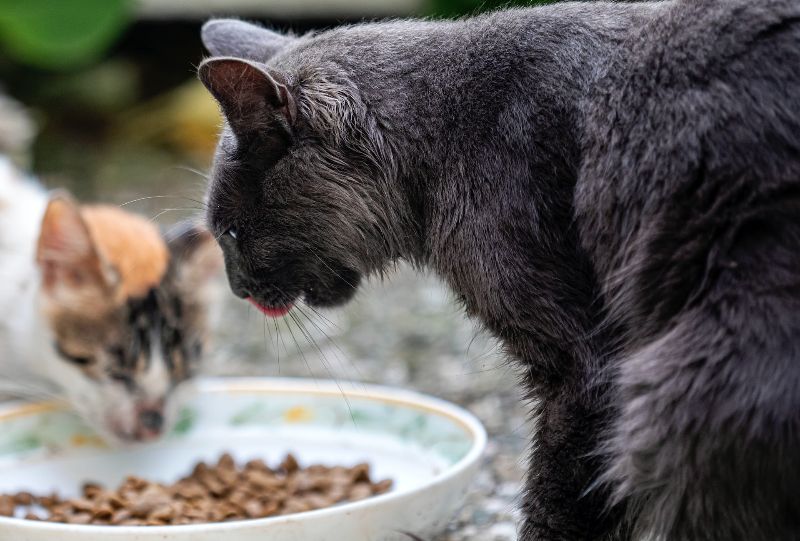
If you have an outdoor cat that will disappear for days at a time before coming back or one that leaves at the same time every day, there’s a chance that they have another family somewhere nearby.
Outdoor cats that don’t have collars or other outward signs that they belong to someone could be “adopted” by another cat lover. As soon as your cat realizes that they can get multiple meals every day by simply showing up at the right time, they’ll eat to their heart’s content.
6. They’re Stressed
If your home is chaotic, your cat may decide to take off in search of calmer waters. After all, no one wants to live in a house where they’re constantly stressed out of their mind.
Stress could be due to having a dog or rambunctious child in the house, changes such as moving or renovations, or getting bullied by one of your other cats. If your cat’s home life is non-stop stress, they’ll try to run off at the first opportunity.
7. They’re Feeling Neglected
Despite your best efforts, you can’t always give your cat as much attention as you’d like. Whether it’s due to a demanding job, a new baby, or something else entirely, if you don’t give your kitty as much time and affection as they need, they could go searching for it elsewhere. While your cat’s aloof nature may tempt you into thinking that they don’t need you, studies have proven otherwise. A lonely cat is one that’s not above hitting the road at the first opportunity.
8. They’re Scared
When your cat gets frightened, one of their strongest instincts will be to get away from whatever’s scaring them—and they don’t care where they go. If something in your house spooked your cat and there’s an open door or window nearby, it’s likely that your kitty will bolt to safety. This can be especially dangerous if the thing that scared them is also capable of chasing them. Many outdoor cats have been run off by a neighbor’s dog, and that chase could see them running quite a long way from home.
9. They Don’t Feel Well
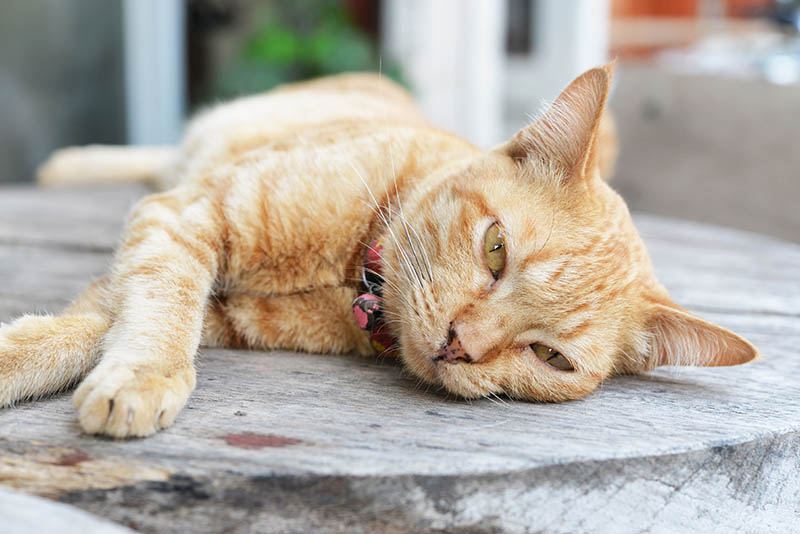
Cats don’t like to socialize when they’re under the weather or hurt, preferring instead to find an isolated spot where they can recuperate in peace. If your house is a constant whirlwind of activity, though, they may decide that the only way to find a peaceful spot is to vacate the premises.
In the best-case scenario, your cat will wander off until they feel better, at which point, they’ll come back home. The problem with this, of course, is that the outdoors is not friendly to a cat that’s already sick or injured. They’re likely to get even more seriously injured when they’re alone and unable to fully defend themselves. Because of this, there’s a myth that cats will wander off to die, preferring to spend their last moments alone. This isn’t true; cats, like us, prefer to be surrounded by the ones they love. However, many sick or injured cats who wander off do indeed end up dying, although not by choice.
10. They’re Stuck
If you have an outdoor cat and it’s been a while since you’ve seen them, they may not have run off at all—they may be stuck somewhere. They could be caught in a fence, trapped in a pipe, or stuck up a tree, unable to get down.
This is a tricky one because unless you can actually see where they’re stuck, you’ll never know if that’s the case at all. Also, even if you know for a fact that they are stuck somewhere, there are thousands of potential places to check, and you probably won’t even think of them all, much less be able to investigate each one.
11. They Just Do
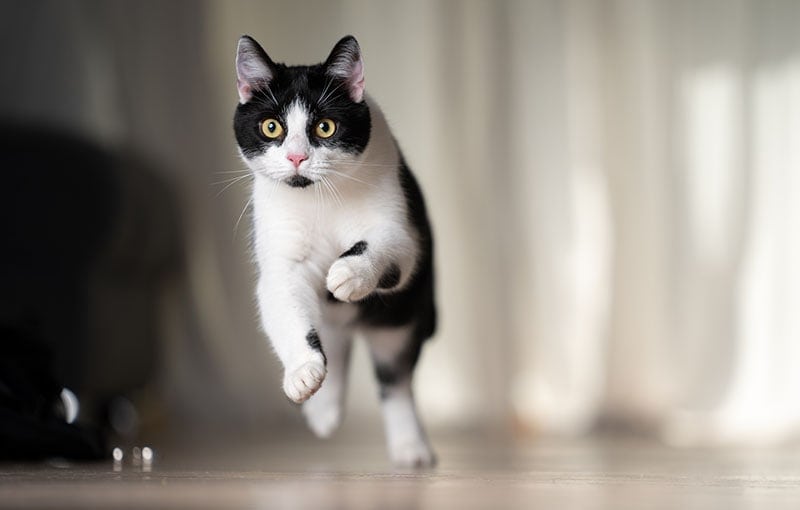
Cats are mysterious creatures—that’s part of their appeal, but it also makes their behavior hard to decipher. If your cat tends to wander off and you’ve ruled out the aforementioned possibilities, you may have to just make peace with the fact that you have a free spirit on your hands. That won’t make things any less stressful for you, of course. However, there’s only so much that you can do to keep a cat from escaping, and if your kitty is bound and determined to be a little Houdini, you can’t really stop them.
The Two Absolute Best Things That You Can Do to Keep Your Cat From Running Off
If you’re worried about your cat wandering off and not coming back, there are two things you can do that have the best odds of preventing it from happening: get them fixed and don’t let them go outside.
Having your cat fixed will eliminate their desire to wander off in search of a mate and greatly reduce their urge to mark their territory (which is good news for your furniture too). They’re much more likely to be content staying at home, where there are comfy couches and a reliable supply of food.
Likewise, keeping them inside will keep them from hunting smaller animals, exploring their neighborhood, or adopting a second family. Also, if they're never allowed outdoors, then the outside world will be big and scary to them, so they’ll be less likely to sprint out the door when you’re bringing in the groceries.
These things won’t eliminate all these behaviors, of course (your cat will still love to hunt, for example), but they’ll greatly reduce the chances that you’ll be making 100 copies of a “lost cat” ad at 11 p.m. on a Wednesday.

Keep Your Cat Happy (and Right by Your Side)
While all cats can wander off from time to time if given the opportunity, you want to do everything in your power to convince them to stay home instead. This can mean erecting physical barriers to keep them from leaving, but it also means giving them the love and attention that they’ll find to be in short supply out in the real world.
Once they discover that it’s much easier to hunt food that comes out of a can at the same time every day, they’ll decide that home is the place to be.
Featured Image Credit: YuliaPodlesnova, Shutterstock
Get Hepper In Your Inbox


Pet care tips from our vets and experts, straight to your inbox.
You may opt-out at any time. View our Privacy Policy for more information.

Quincy never intended to be a cat person. He grew up around dogs, and when his wife brought home a kitten one day, he told her she had one week to find it a new home. That week turned into 10 years (his wife moves very slowly), and that kitten turned into three (they got two more, the kitten didn't self-replicate). After a decade of sharing his home with three cats, one horrifying realization finally set in: oh God, he's a cat person now, isn't he???
Join the conversation
Ask a question, share your story, or send private feedback.