Hepper is reader-supported. When you buy via links on our site, we may earn an affiliate commission at no cost to you. Learn more.
How to Stop Excitement or Submissive Urination in Dogs: 10 Methods
In this article
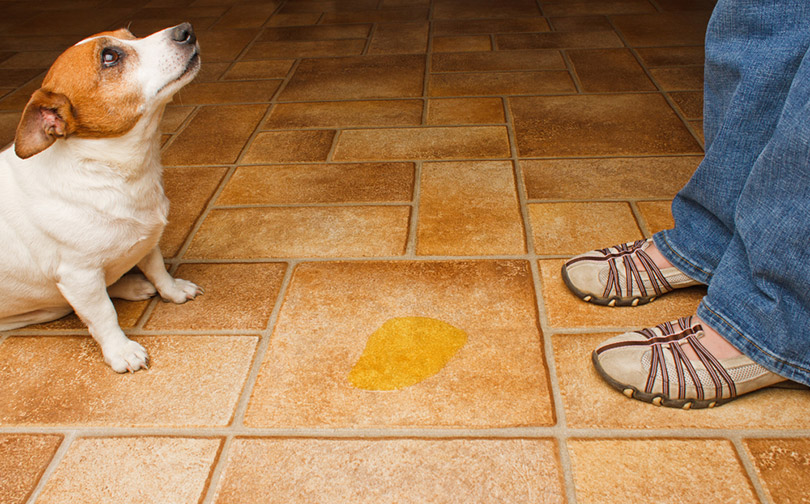
Inappropriate urination in dogs doesn’t affect all dogs, but it's a common accidental behavior. Overexcited puppies will often lose control over their bladder due to heightened emotions, while rescued adult dogs might pee due to fear of a perceived threat.
This behavior doesn’t mean your dog is badly behaved. It is an accidental response to high levels of emotions. Fortunately, it can be treated with a bit of time and effort on your part. We hope that these tips for stopping excitement and submissive urination will help!

The 5 Ways to Stop Excitement Urination
Excitement urination is mostly associated with puppies and is something that many dogs grow out of. Puppies have limited bladder control and as a result, will often lose control whenever their emotions get the best of them, especially when they’re not fully house-trained.
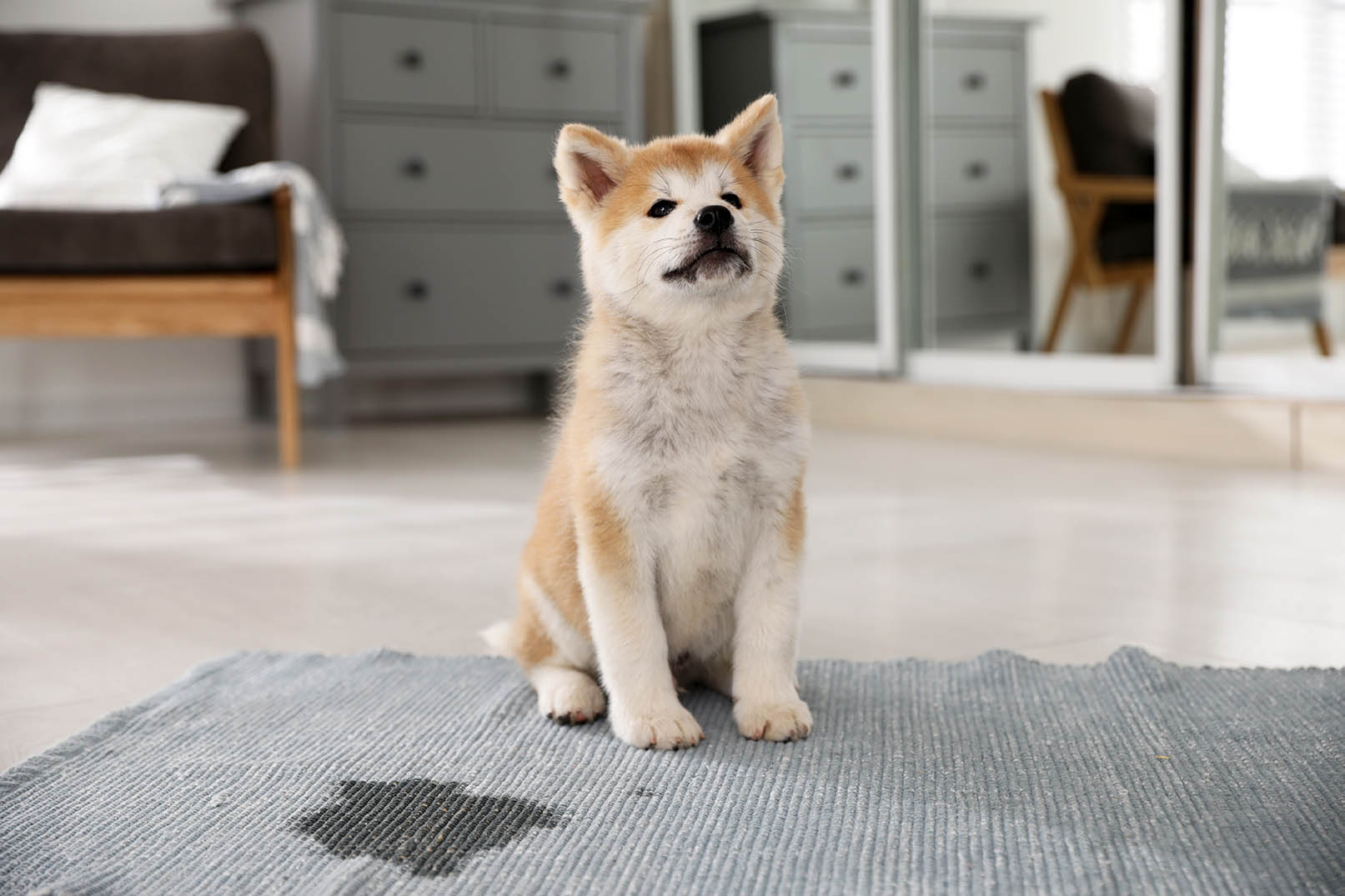
This doesn’t happen for all puppies, but many of them will urinate when they get excited during playtime or meeting someone new. Fortunately, this is the easiest cause of inappropriate urination to fix. It’ll take time and dedication, but there are a few methods that will work.
1. Don’t React
Most puppies grow out of their excited urination as they get better at managing their emotions and develop better bladder control. That said, we can indirectly interfere with their ability to move on from their puppyhood accidents by accidentally reinforcing the behavior.
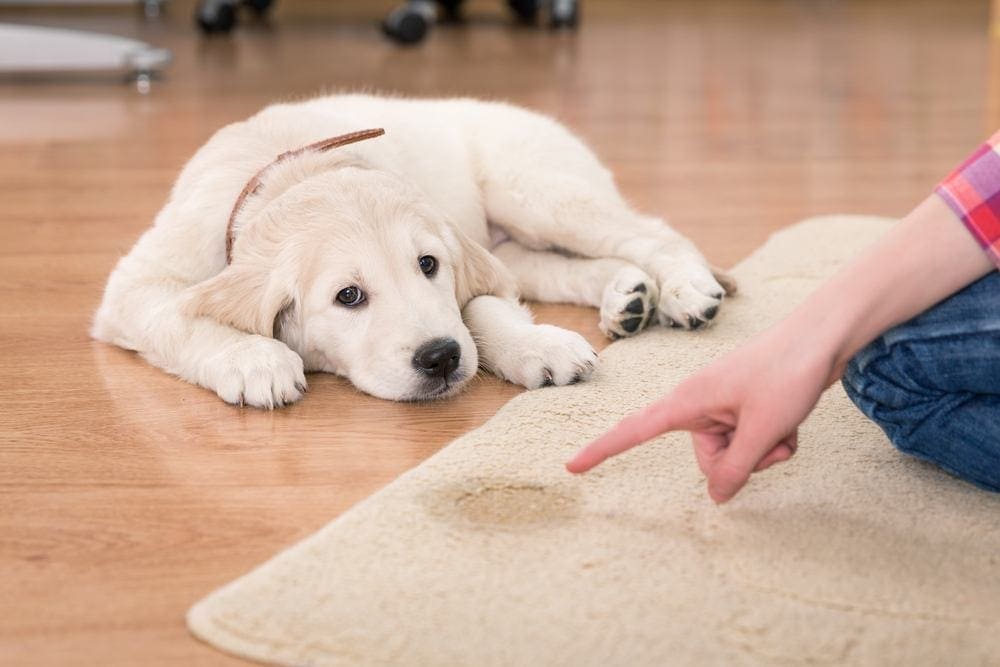
If your puppy urinates when they’re excited, it’s best if you don’t acknowledge the behavior. Scolding them for an accident will only teach them to find the behavior shameful and might result in submissive urination later. Conversely, if you start petting them in reassurance, your puppy will see it as a reward for perceived good behavior. Unfortunately, this teaches them that excited urination is acceptable behavior and will make it difficult to correct.
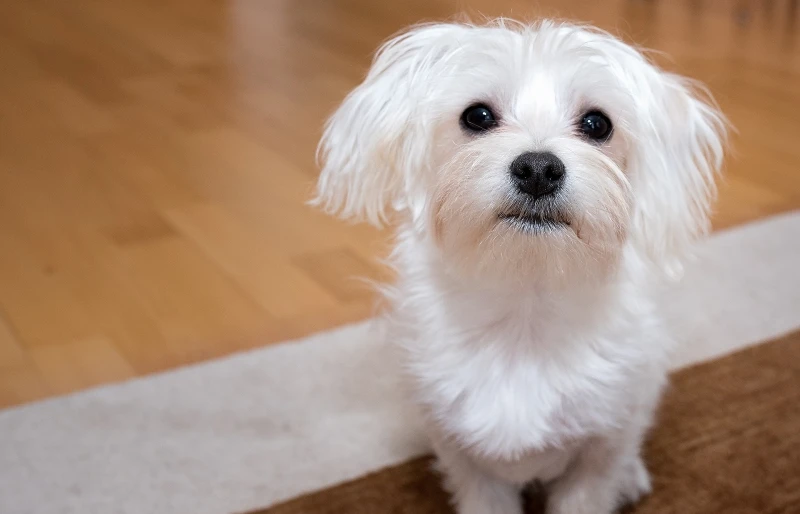
2. Keep Greetings Calm
Not reacting isn’t always as easy as it sounds, especially when your puppy urinates in their excitement to greet you at the door when you get home from work.
It’s always heartwarming when our pets bounce up to greet us, and greeting them with the same excitement is something we want to do. However, if your puppy is prone to urinating while they’re excited, you’ll need to calm the situation if you want to make progress in dealing with the behavior.
Resist the urge to greet your overexcited puppy when you get back from work. Instead, give them a few minutes to calm down. When they're relaxed, that's when you should greet them. This will help teach them not to overreact to your return and how to approach different situations in general.
3. Desensitize Them to Excitement Triggers
Alongside house-training, socialization is the most important training that your puppy should be given. This is where you introduce your puppy to various people, places, and situations to help them gain confidence in themselves and learn how to deal with the world around them. The more things they experience, the more well-rounded and confident they’ll be as adults.
Socialization will also help your puppy manage their over-excitement. The more situations they experience—such as a ringing doorbell or meeting a stranger at the park—the less novel these will be. By the time that your dog is an adult, they’ll have learned that while meeting someone new is exciting, greeting the situation with poise and control is just as rewarding as with jumping and urination.
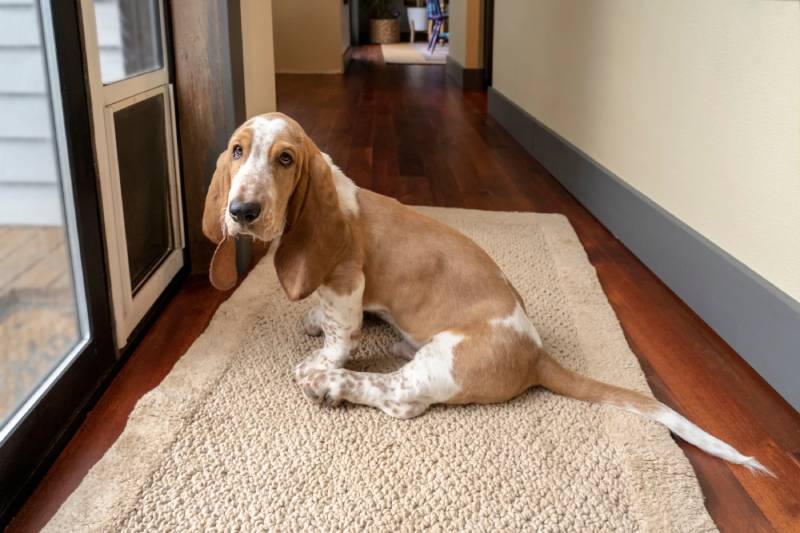
4. Reward Correct Potty Behavior
Part of the problem of excitement urination comes from the fact that puppies are still learning. Instead of focusing on the mistakes that your dog makes, focus on what they get right. When they do their business outside or in their designated potty spot, reward them with a treat and plenty of ear scratches.
You won’t house-train them in one day, of course, and they’ll continue to make mistakes for a few months. Help them succeed by taking them to their potty spot frequently throughout the day and keeping them close so you can interrupt them before they urinate somewhere they shouldn’t.
5. Redirect Their Attention
If you have trouble managing your dog’s excitable behavior, you can try redirecting their attention instead. The idea is that you give them something else to focus on, which interrupts their excitement.
Keep their favorite toy or treat by the door so when you come home, you can toss it to your dog to distract them. This will give them something else to focus on rather than their delight at seeing you. It can also help prevent them from jumping up at you in greeting, which is a step in teaching them how to be polite.
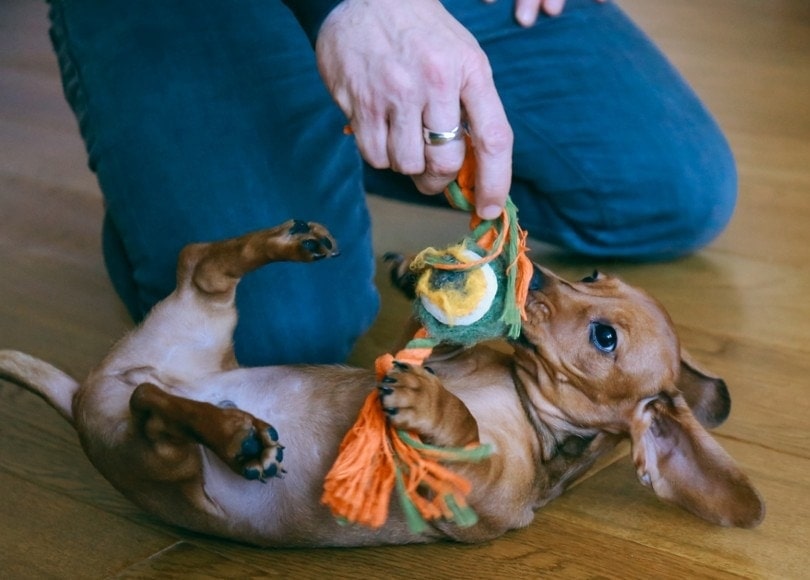
The 5 Ways to Stop Submissive Urination
Unlike excitement urination, submissive urination is often a learned behavior. It’s also not restricted to puppies and affects adult dogs too, especially if they’re a rescue and have had previous bad experiences.
It can be easily mistaken for excitement urination but has a few differences. If your dog is suffering from submissive urination, the behavior will often match submissive body language. They’ll pee when they’re in trouble, greeting someone new, or showing their belly. Submissive urination is harder to solve, but time and effort can make a difference.
1. Figure Out Their Trigger
The cause of submissive urination can be harder to determine compared to excited urination. It can also be a result of similar triggers, which is why it’s easy to confuse the two. Without knowing what sets off your dog, you’ll have issues when treating the behavior.
Submissive urination is a result of a perceived threat. This can be a result of your exhibiting dominant behavior, such as meeting your dog’s eyes or scolding them, or even a sudden loud noise. If your dog is subject to inappropriate urination, pay close attention to the situations that lead to the behavior and their body language to determine the cause.
Once you’ve found their trigger, you can adjust your training to suit them. This will help you avoid setting them off and enable you to work with your dog to find a solution.
2. Build Their Confidence
Most submissive urination can be avoided with proper socialization. After every situation your puppy faces, they gain confidence in themselves. If you rescue an older dog, though, this can be harder to tackle and will take a more careful approach. It’s not impossible, however!
Although it’s easier to socialize a young dog, your rescued adult isn’t a lost cause. With the right method, you can build an adult dog’s confidence through socialization by taking small steps and working at their pace.
Obedience training can help here too. Teaching them commands and other tricks, then rewarding them for their success will help them build a positive relationship with you. The stronger your bond, the more they’ll trust you to guide them and keep them safe. It’ll also help them feel comfortable with the world around them.

3. Don’t Scold Them
You shouldn’t scold your dog for having an accident due to submissive behavior. This will only serve to make the problem worse by increasing their fear of the situation. Your dog might learn to see their accidental peeing in response to fear as something else to be scared of.
It can be a nuisance having to clean up urine puddles, especially when you thought that you were finished with house training, but don’t get mad. Focus on reinforcing confident behavior and building a positive relationship with your dog. Slowly, they will lose this fear response.
4. Hire a Professional Trainer
If you’re new to dog ownership or unfamiliar with training, sometimes it’s necessary to hire a professional trainer to assist you. While puppy classes can help—especially when it comes to socialization—a professional trainer will be able to focus solely on you and your dog rather than a group. They’ll be able to use their experience and knowledge to determine what triggers your dog’s submissive urination and then develop a training regime to treat it.
By asking for help when you need it, you can learn the best approach to help your dog and reduce the chances of making the issue worse.
5. Be Friendly, Not Domineering
Domineering behavior is one of the biggest causes of submissive behavior in dogs. If they’ve learned to see the ways that humans approach them as threats, they will demonstrate more submissive behavior in an attempt to avoid getting hurt. When you train them, you’ll need to adjust your behavior to avoid them perceiving you as a threat.
When you greet your dog, crouch down to their level rather than stand over them. Approaching from the side rather than head-on or letting them approach you and avoiding eye contact can help too. Work on their response to how you move. Keep your gestures slow and smooth, and reward them when they don’t react, even if you’ve only moved a little.
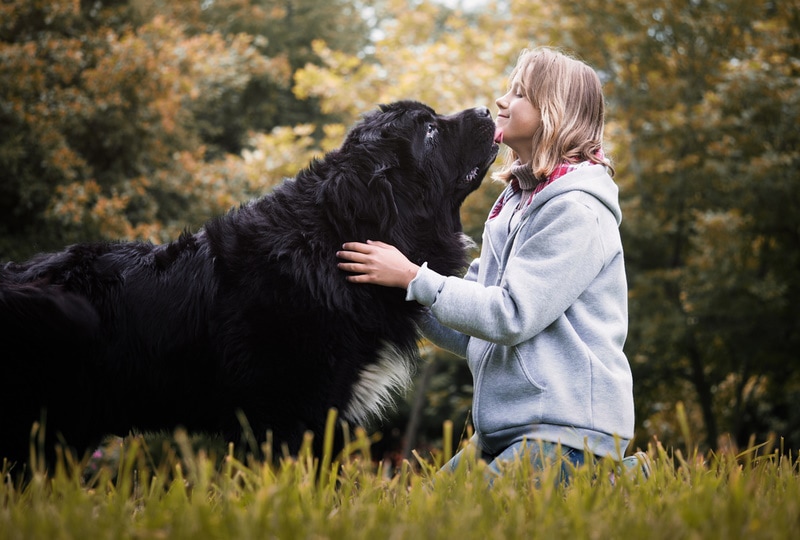
What Causes Inappropriate Urination?
The most common causes of inappropriate urination are overexcitement and submission. It’s an accidental reaction to a trigger like your returning home from work or a result of anxiety or fear.
Inappropriate urination can be caused by medical or behavioral issues, for both the excitement and submissive varieties. Behavior-wise, separation anxiety or marking behavior can be a reason for inappropriate urination. A health issue like urinary bladder dysfunction can also be a common cause. In any case, you’ll need to correct the behavior or treat the medical problem before you can stop your dog from peeing when they shouldn’t.

Conclusion
Solving your dog’s excitement or submissive urination isn’t an easy or quick task. You’ll need plenty of dedication, patience, and positive reinforcement to work with your dog, no matter how old they are. Once you’ve determined whether your dog’s problem is a result of excitement or submission and ruled out any health issues, we hope that this list of tips helps you correct the behavior.
Featured Image Credit: zoegammon, Pixabay
Get Hepper In Your Inbox


Pet care tips from our vets and experts, straight to your inbox.
You may opt-out at any time. View our Privacy Policy for more information.

Nicole is a lover of animals of all sizes but is especially fascinated with the feline variety. She’s the proud mom of Baby, a Burmese, and works every day so he can relax in the sunshine or by the fire. She’s always had a cat in her home and has spent countless days with others, observing behaviors and softening up even the grouchiest of the lot. Nicole wants to share her kitty expertise with you so you and your cat can live happy, healthy, and care-free.
Join the conversation
Ask a question, share your story, or send private feedback.