Hepper is reader-supported. When you buy via links on our site, we may earn an affiliate commission at no cost to you. Learn more.
How to Give a Puppy a Bath in 10 Easy Steps: Vet Approved Advice

In this article
Raising a puppy is entertaining, but sometimes the young dogs can test your patience. Messes on the carpet and chewed-up socks are only some of the downsides of puppy ownership. Most dogs are hyper when they’re young, and they can be difficult to control when you’re trying to clean them. You may not be looking forward to your puppy's first bath, but with the proper techniques, you can bathe your pet without a bigger mess than you started off with.

The 10 Steps to Give a Puppy a Bath
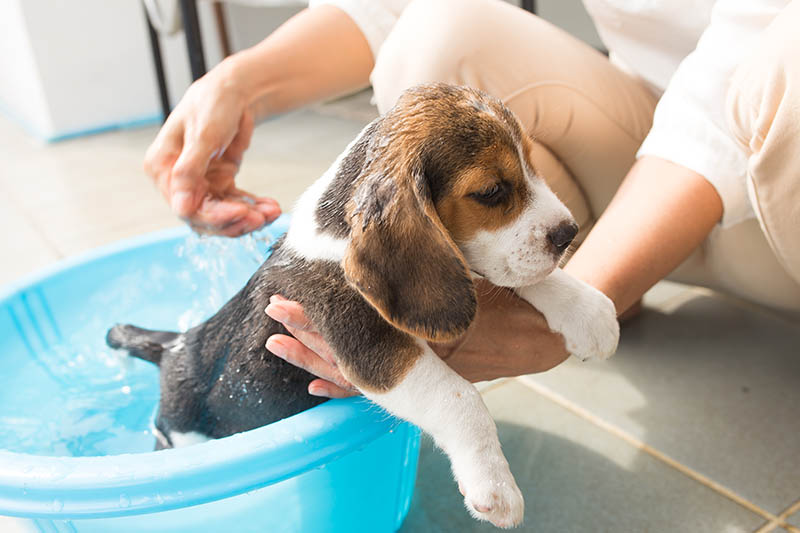
Unless your puppy frequently plays outside, you will not need to bathe it very often. Young canines are less capable of regulating their body temperature than adults, and they become chilled easier. Some veterinarians recommend waiting until puppies are 3 or 4 months old before giving them baths.
Until then, you can brush their coats to remove dirt and debris and use a soft towel dipped in warm water to clean the fur. Of course, a mud-covered puppy will need a full bath, but young puppies should be bathed quickly and dried thoroughly to prevent chills. Some puppies are small enough to clean in a kitchen sink, but you have to ensure they cannot leap onto the floor and injure themselves. You can use a harness or leash to keep your puppy from moving when you use the sink.
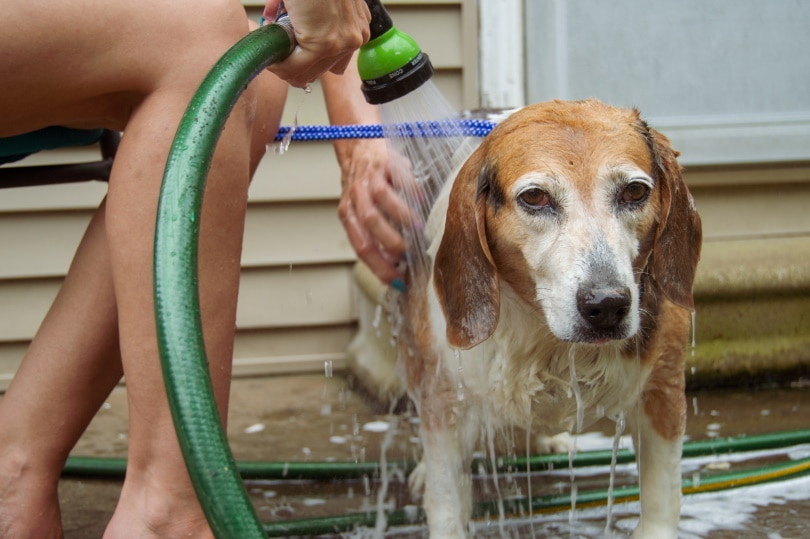
Although some dog owners prefer bathing their pets outdoors to keep dog hair out of the tub, most outdoor water fixtures do not have hot and cold water. The water from a hose is too cold for a puppy, even on a hot summer day. Your bathroom tub is the ideal bathing area, and you can install a special drain cover to prevent dog hair from clogging your pipes.
1. Gather Supplies
As your pet develops into an adult, your bathing and grooming supplies will likely increase, but you can keep your puppy clean with a few essential items. Before your dog enters the bath, organize your items near the tub. You’ll need a few towels, a soft brush, puppy shampoo, a conditioner for dogs with long coats, and a hairdryer.
Conditioner is usually unnecessary for dogs with lighter coats, but breeds with undercoats, like golden retrievers1, experience fewer problems with matted fur when their owners use conditioners.
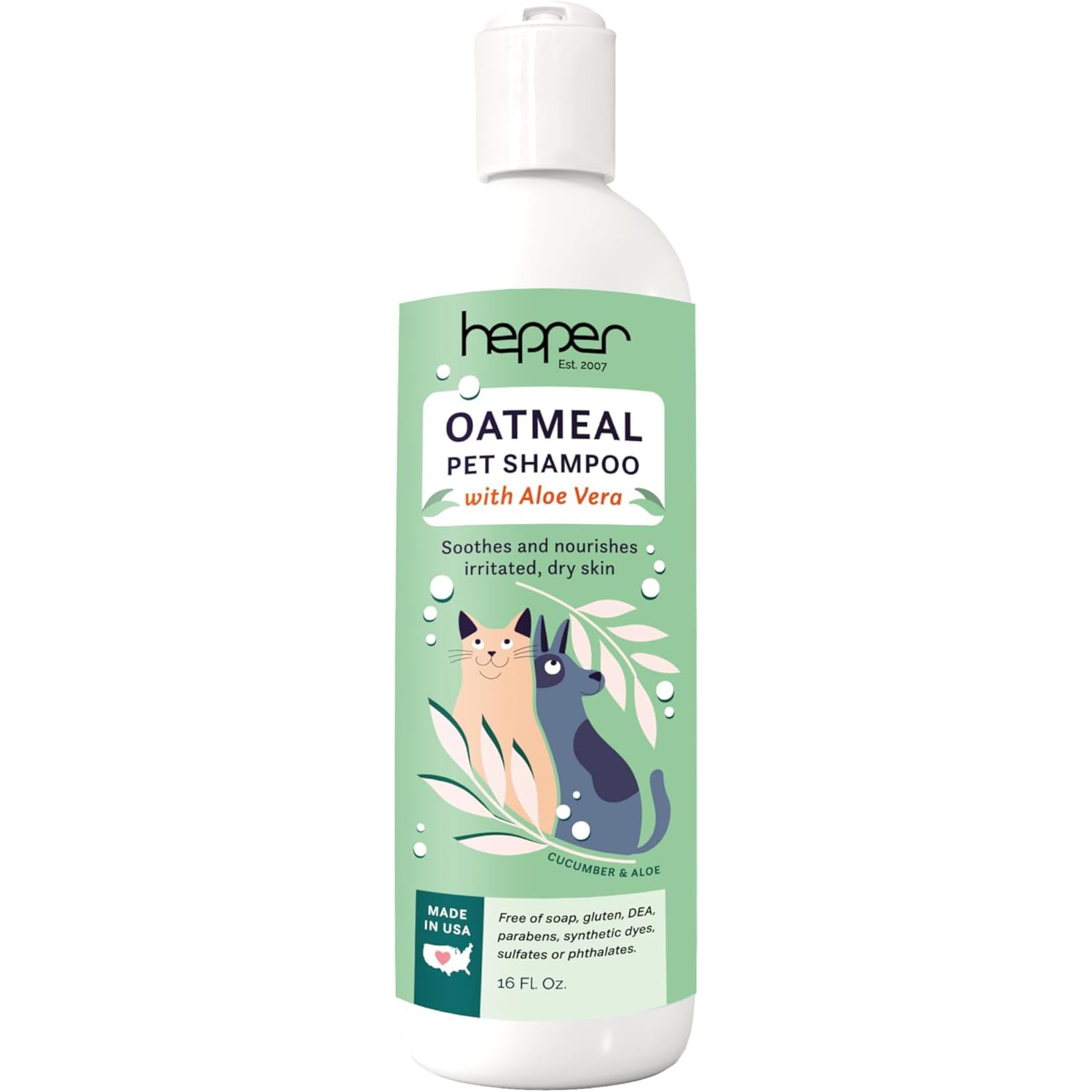
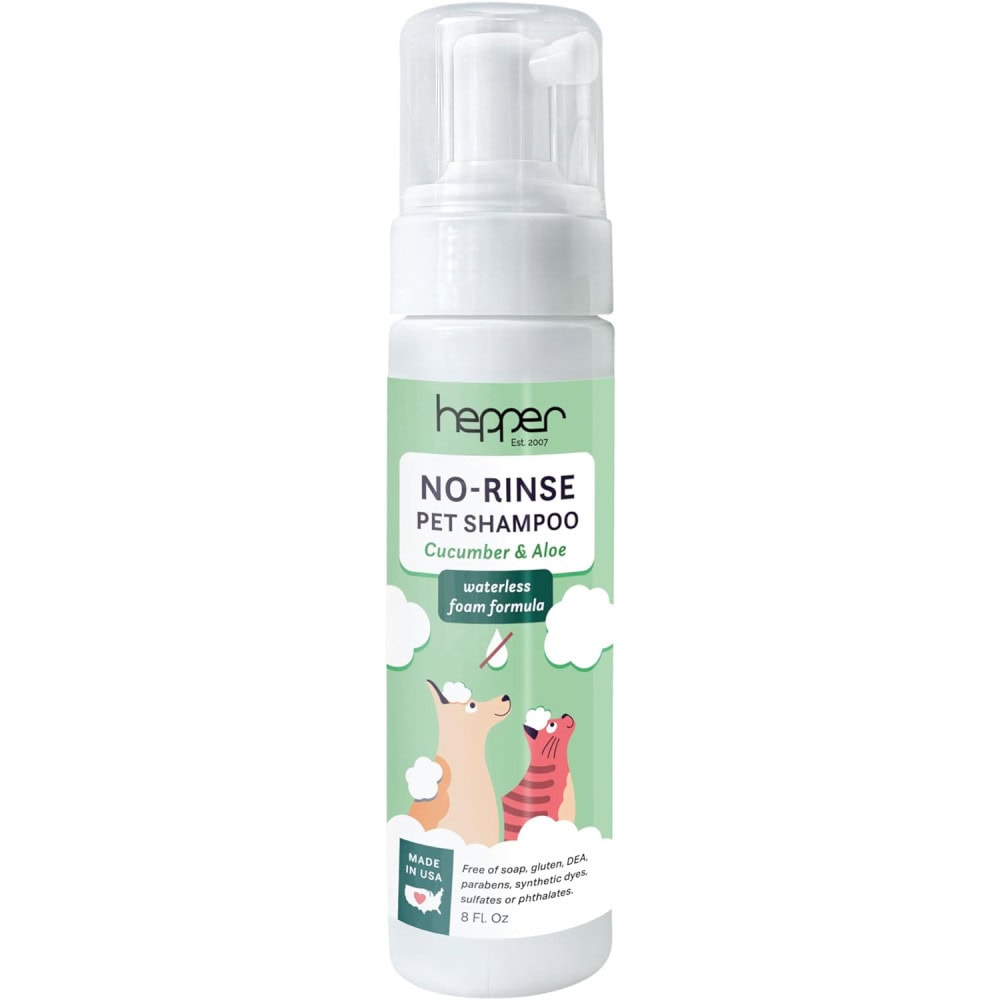
There are a lot of pet shampoos on the market, but not all of them will keep your pet's skin and coat happy and healthy. The Hepper Pet Shampoo products are pH balanced and made with natural, safe ingredients like soothing oatmeal and aloe vera. Our shampoos will keep your pet clean, smelling fresh, and fully moisturized! The hardest part is deciding whether to get to traditional shampoo or the rinse-free version! Here’s a quick guide to help you choose the right option for your pet’s next bath!
| Image | Product | Details | |
|---|---|---|---|
|
Hepper Colloidal Oatmeal Pet Shampoo |
|
Check Price |
|
Hepper Waterless No Rinse Pet Shampoo |
|
Check Price |
2. Ask for Assistance
Until your pet becomes accustomed to bath time, you can ask a friend to help you hold the dog steady. Remind your assistant to wear clothes that they do not mind getting wet because some pups will splash around and try to escape the tub. You can add a slip-proof mat or towel to the bottom of the tub to prevent your dog from slipping.
3. Brush Your Dog
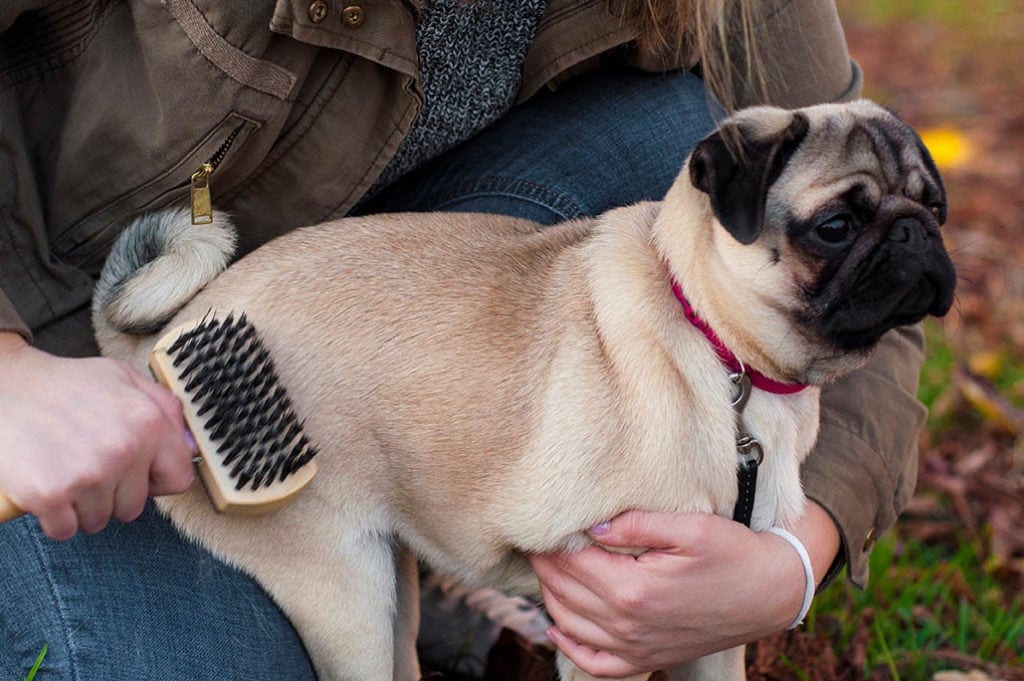
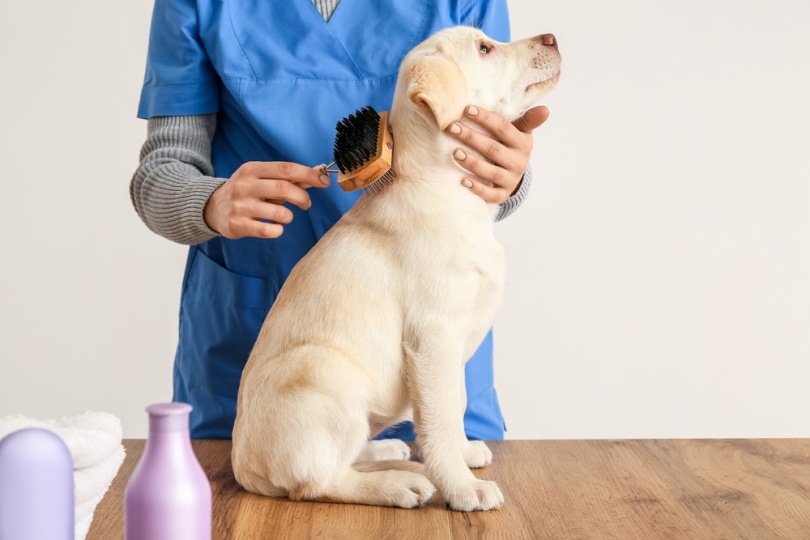
Brushing your dog before the bath can minimize the loose hair that collects in the tub and relax your pet before a potentially frightening experience. Brush the fur in the direction of the growth, and avoid brushing wet hair unless you have a brush designed for the tub. Grooming a wet dog with a pin brush or slicker can pull hair and cause irritation.
4. Provide a Pre-Bath Treat
Positive reinforcement can convince your pet that bathing is not a scary experience. Water-loving breeds are often excited to leap into the bath, but some dogs are terrified of water. Give your puppy a treat before it enters the tub and provide another when it tolerates the process without any issues. Give plenty of praise and treats throughout the process.
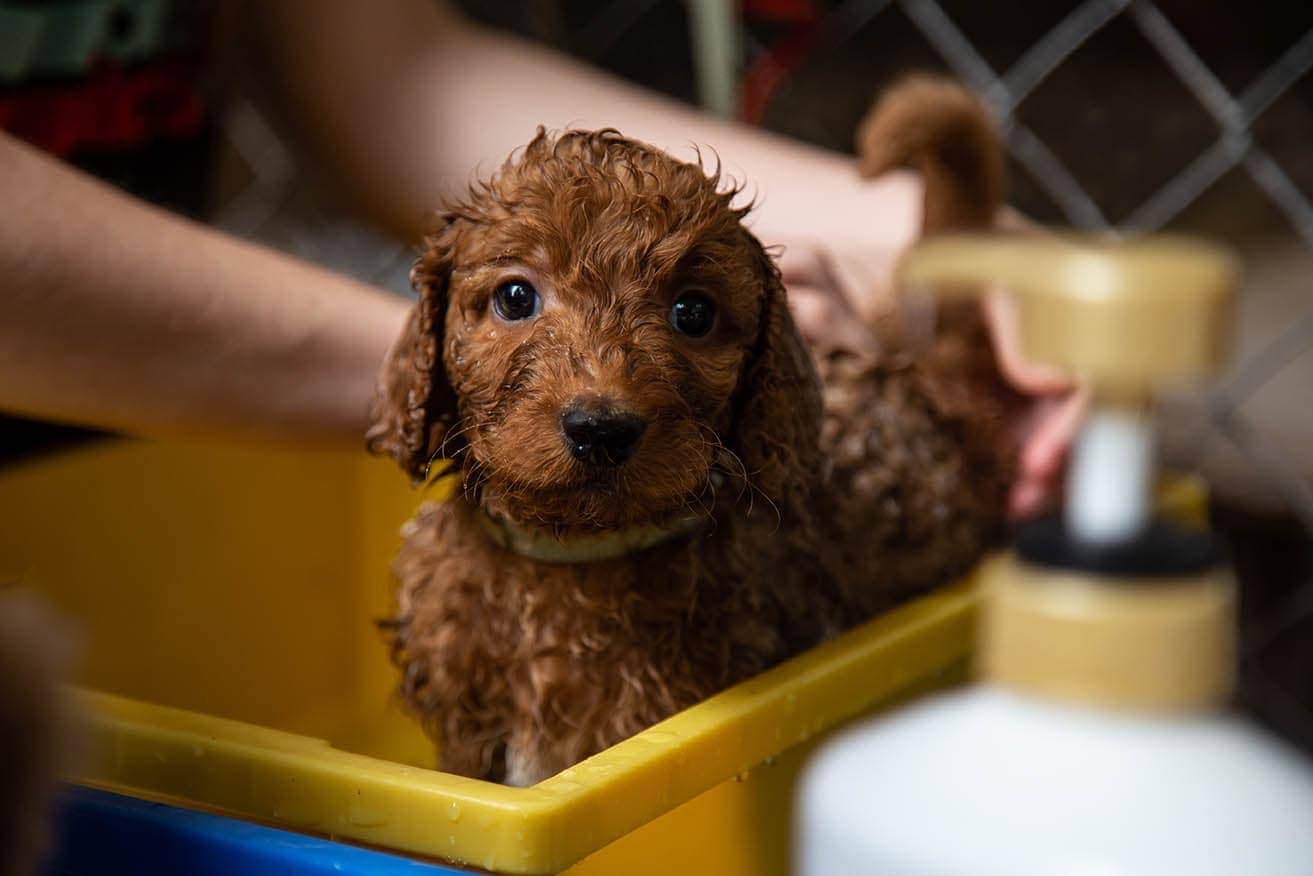
5. Lower the Puppy Into a Lukewarm Tub
The puppy’s bath water temperature should be much cooler than bath water for humans. Lukewarm is the ideal temperature, but you should finish the process quickly to prevent the water from cooling. It may be easier for you to enter the tub if you’re washing a small dog, and you can have your assistant on the outside, preventing the dog’s escape.
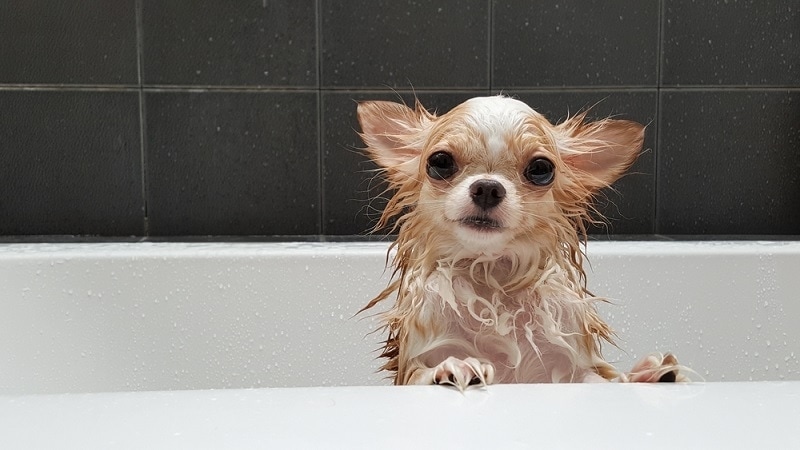
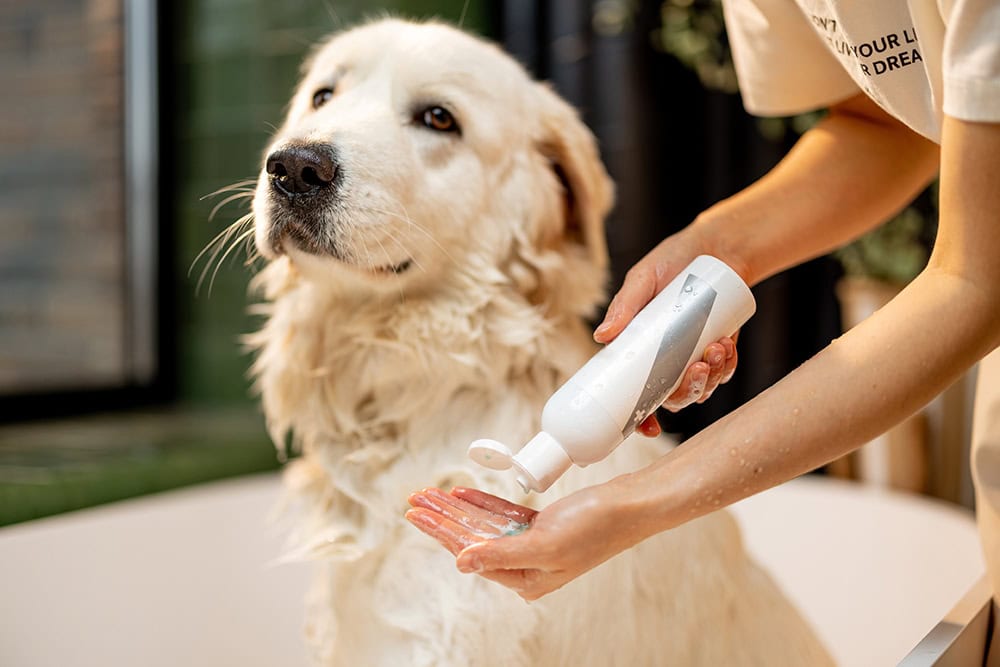
6. Gently Rub Shampoo Into the Fur
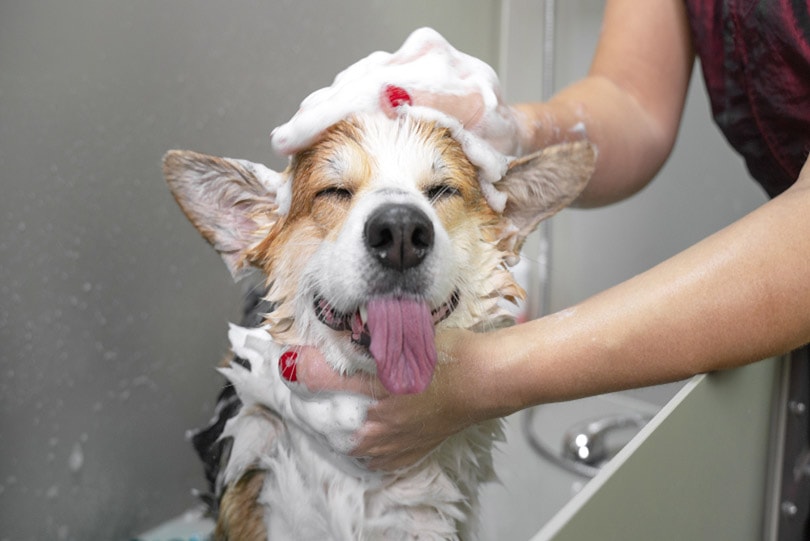
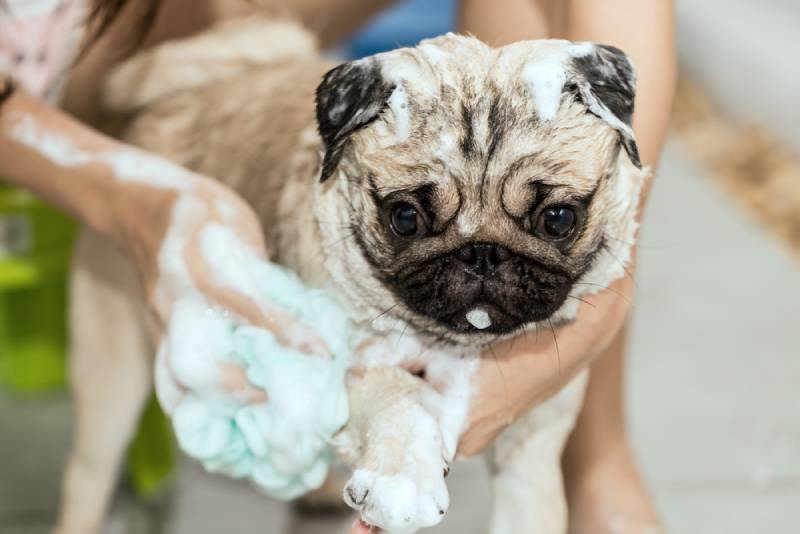
Use a shampoo formulated for puppies that does not contain chemical fragrances or dyes. A puppy’s pH balance is between 6.2 and 7.4, and most shampoos for humans are too acidic for a dog’s skin. Acidic cleaners can irritate the canine’s skin and make it more susceptible to parasites, bacteria, and viruses. Work the lather from the dog’s head to its tail and avoid adding shampoo to the face.
7. Avoid the Eyes and Ears
Several manufacturers of puppy and dog shampoos claim to have no-tears formulas, but even a tearless shampoo can irritate the dog’s eyes. Use a washcloth to gently clean the areas under the eyes and around the ears and mouth. Try to keep water and shampoo away from the dog’s ears. Because of the L-shaped ear canal on canines, dogs are vulnerable to ear infections when moisture is trapped in the ear. If your bathtub does not have an adjustable spray nozzle, you can use a plastic pitcher to rinse off the shampoo.

8. Rinse and Add Conditioner
Dogs with thick double coats are more susceptible to tangling and mats than breeds with thinner coats. You can add a conditioner to moisturize the fur and prevent it from becoming dry and knotted. Most conditioners require you to wait a few minutes before rinsing them out. A spray, leave-in conditioner is a better choice for a puppy as it can be used after the bath.
9. Rinse and Dry with a Towel
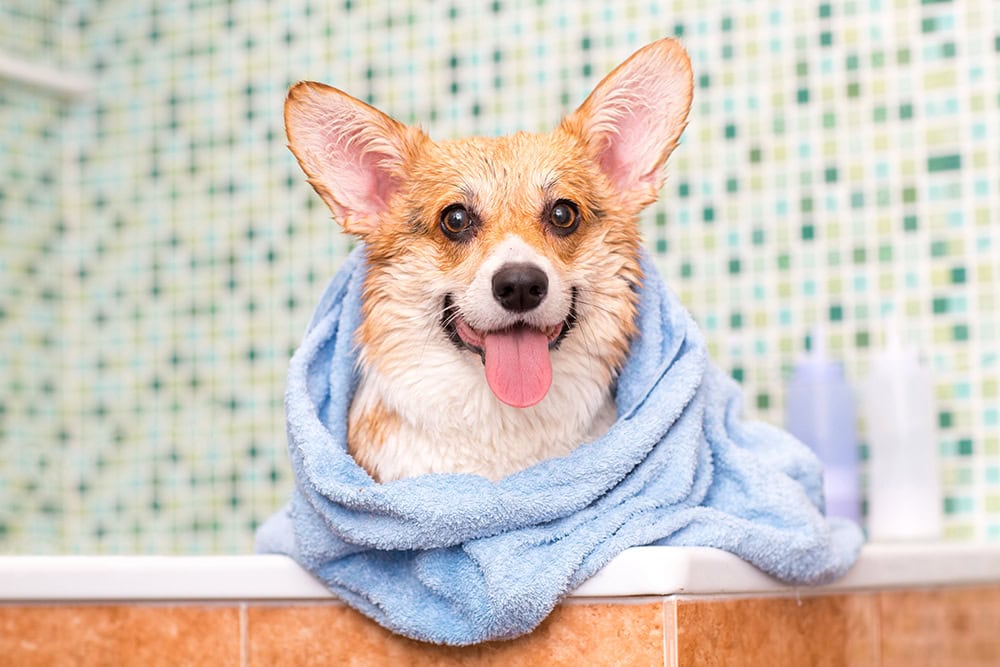
Your puppy will spend several minutes licking its fur and paws after the bath, and it’s important to remove any traces of shampoo and conditioner with the spray nozzle or pitcher. Rinse your pup with water several times to ensure the animal will not ingest any leftover shampoo. Use a large towel to dry your dog and ask your assistant to turn on the hairdryer so your dog can get used to the sound.
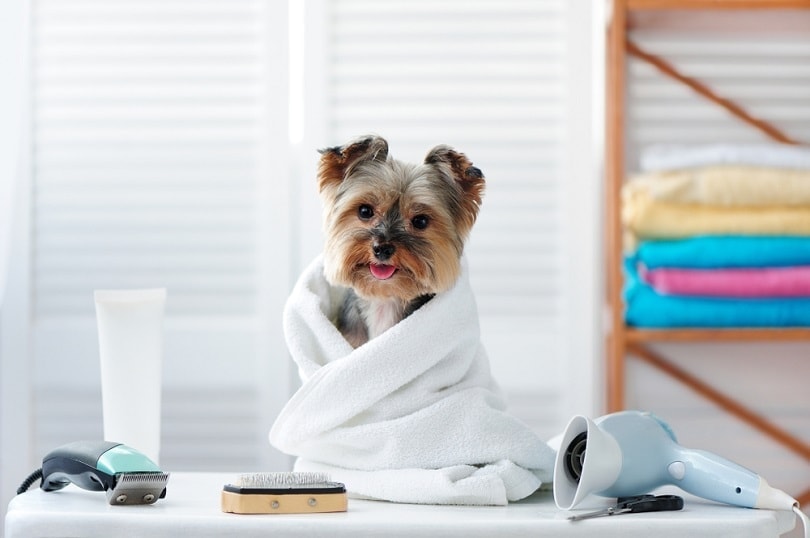
10. Use a Hair Dryer on the Lowest Setting
Although some canines are afraid of hair dryers, others can become playful when you try to dry their coats. Your puppy may try to snap at or “eat” the hot air when the hairdryer is aimed at its chest or head. Using a lower heat and speed setting is less noisy and less damaging to the animal’s skin. After the drying is complete, give your dog a snack for being a good puppy.
Hazards to Avoid with Your Puppy
Keeping your puppy safe and healthy is not difficult when you’re aware of the hazards in your environment. Puppies are a little more curious and unaware of the many dangers they face compared to adult dogs.
Raw Meals
Several corporate and private pet food makers produce raw meals for dogs designed to simulate what dogs eat in the wild. Although the Food and Drug Administration (FDA) and several animal clubs oppose raw diets, some dog owners claim that their pets thrive on raw meals.
However, veterinarians recommend waiting until your dog is an adult before switching from cooked food to raw meals. If the raw meals do not have the proper calcium or phosphorus levels, the puppy could experience developmental problems and bone deformities.
Food Scraps
Feeding table scraps to adult dogs is an unhealthy practice, but it’s more hazardous for puppies. Feeding from the table can encourage your dog to beg at dinnertime when it’s an adult, and many items from human cuisine are toxic to dogs. Cooked fish and chicken have tiny bones that can cause your puppy to choke or get a gastrointestinal obstruction, and serving fatty foods can lead to pancreatitis. Other foods that you should avoid serving include chocolate, grapes, raisins, and any food sweetened with xylitol. High-quality dog food formulated for puppies and fresh water are all your pet needs to enjoy a healthy diet.
Harsh Weather Conditions
Puppies are more sensitive to extreme heat and cold than adults, and it’s best to keep your puppy inside when the temperature is uncomfortable. In the summer, you can go for walks in the evening and early morning to prevent overheating. If you experience long winters, you can purchase a dog jacket to keep your puppy warm on frigid walks. Remember to check paws too, the ground can be too hot or cold for them to walk on.
Dietary Supplements and Unapproved Medications
Dietary supplements and holistic treatments may help some dogs, but you should avoid feeding your puppy anything a veterinarian does not approve first. That applies to medications, topical treatments, and supplements sold online. If your puppy is experiencing troubling symptoms that you think are caused by parasitic worms, you may be tempted to purchase a dewormer without speaking to your veterinarian.
However, the brand you choose may be designed to treat roundworms when your pup has hookworms. Your pet’s doctor is the lead authority for prescribing safe treatments for young dogs.
Final Thoughts
Your first few experiences with bathing your puppy will set the tone for how they enjoy baths as they grow up. Take the time and care so that you can both relax into the experience. You can rest assured that the process will become easier as the dog grows up. Unless your dog has a skin condition, you will probably not have to bathe it more than once a month at the most.
Dogs that spend more time outdoors will need more baths, but some indoor pets can go for months without needing a full cleaning. Puppies develop too quickly for owners to appreciate every moment, and someday you’ll look at your well-behaved dog in the bathtub and wish it was still a wild puppy splashing water in your face.
Related Reads:
Sources
Featured Image Credit: Zachary Pigott, Shutterstock
Get Hepper In Your Inbox


Pet care tips from our vets and experts, straight to your inbox.
You may opt-out at any time. View our Privacy Policy for more information.
Oliver (Ollie) Jones is a zoologist turned freelance animal writer living in South Australia with his partner Alex and their mini zoo consisting of many aquatic creatures, dog Pepper, and of course, cat Steve. Ollie is originally from the USA and holds a Master's degree in wildlife biology. He hopes to share his feline knowledge and expertise with people so they can share in his passion and help their cats live their best lives.
Join the conversation
Ask a question, share your story, or send private feedback.