Hepper is reader-supported. When you buy via links on our site, we may earn an affiliate commission at no cost to you. Learn more.
My Cat Has Never Had a Hairball, Should I Worry? Vet-Reviewed Safety Guide & Advice


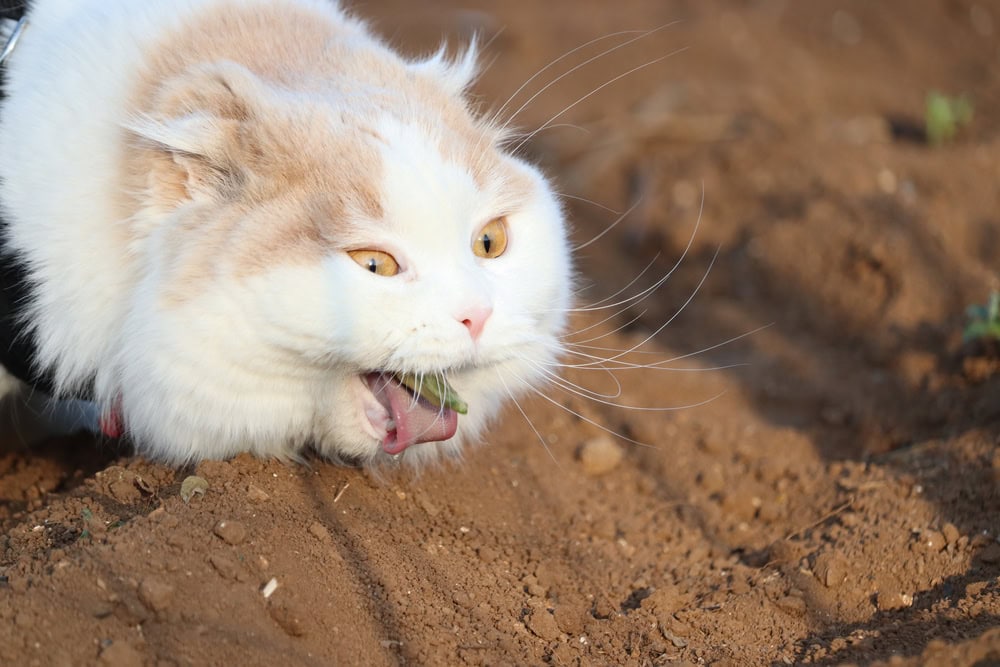
If you’ve spent enough time surfing the web, you probably know that cats tend to get hairballs. If your cat has never had a hairball, it’s actually a great sign! It means you’re taking wonderful care of your cat and properly meeting their grooming and dietary needs—at least as far as hairballs are concerned.

What Causes Hairballs?
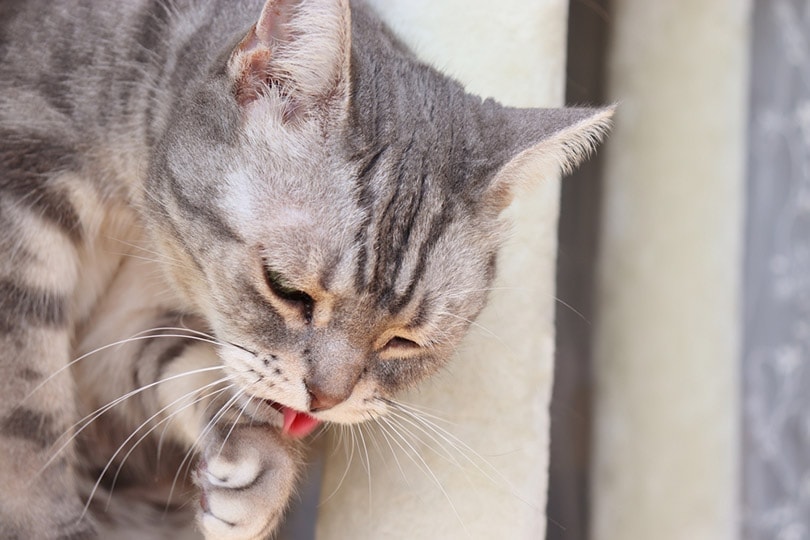
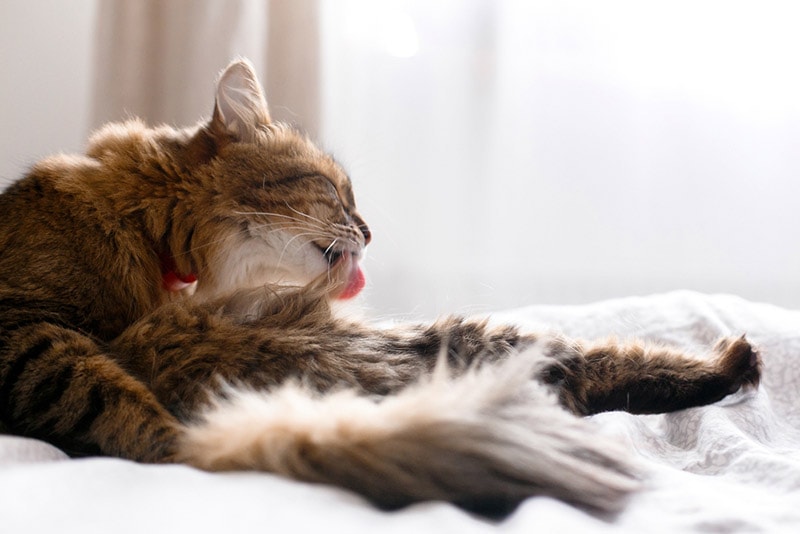
Hairballs occur when your cat’s digestive system can’t handle the amount of hair ingested by your cat. Cats normally take in a fair amount of fur while grooming themselves. Those sharp needle-like papillae on their tongues are efficient at collecting loose hair when they lick themselves. That hair normally goes through your cat’s digestive system and comes out the other end when your cat has a bowel movement.
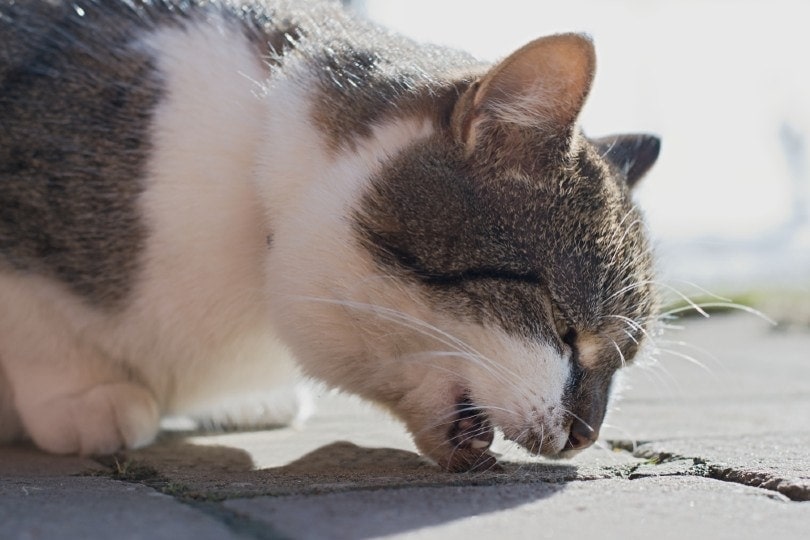
Cats only end up vomiting up hairballs when they get too much hair in their digestive tracts, and the hair can’t pass through as it normally would. This excess build-up of hair in a cat’s digestive system is usually caused either by excessive grooming due to stress, pain or anxiety, external parasites (such as fleas), skin issues, or a gastrointestinal issue that slows down digestion to the point where the accumulated hair can’t move on as it usually would.
How Can I Tell if It’s a Hairball or Vomit?
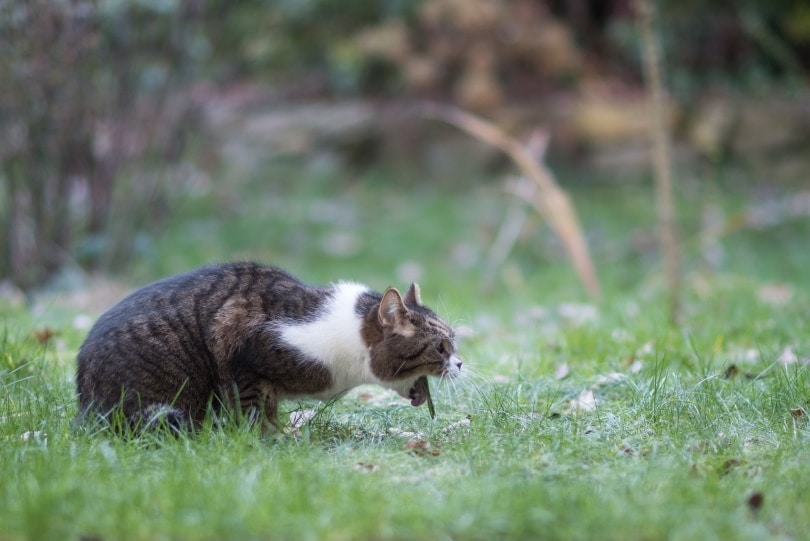
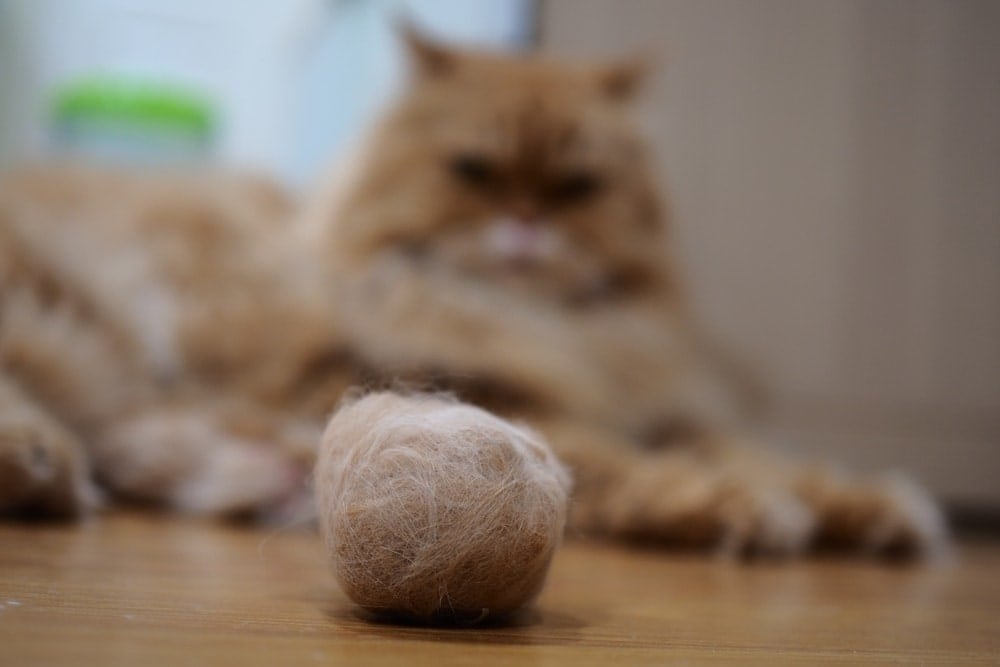
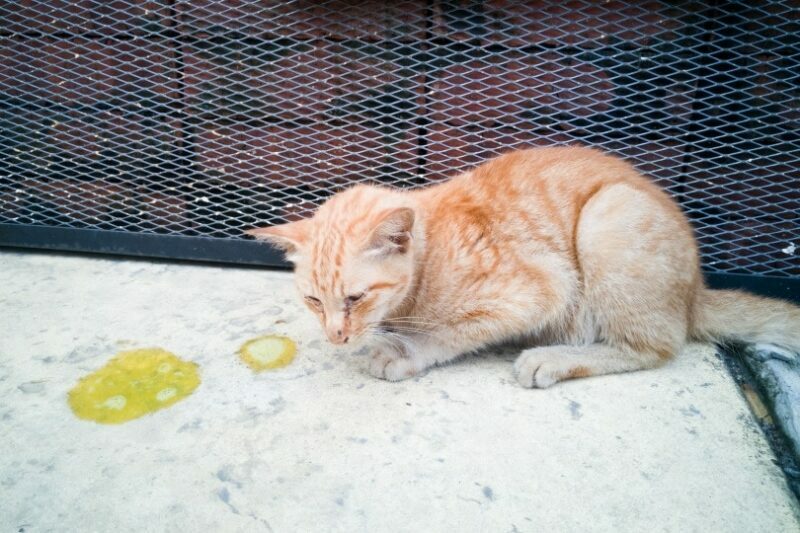
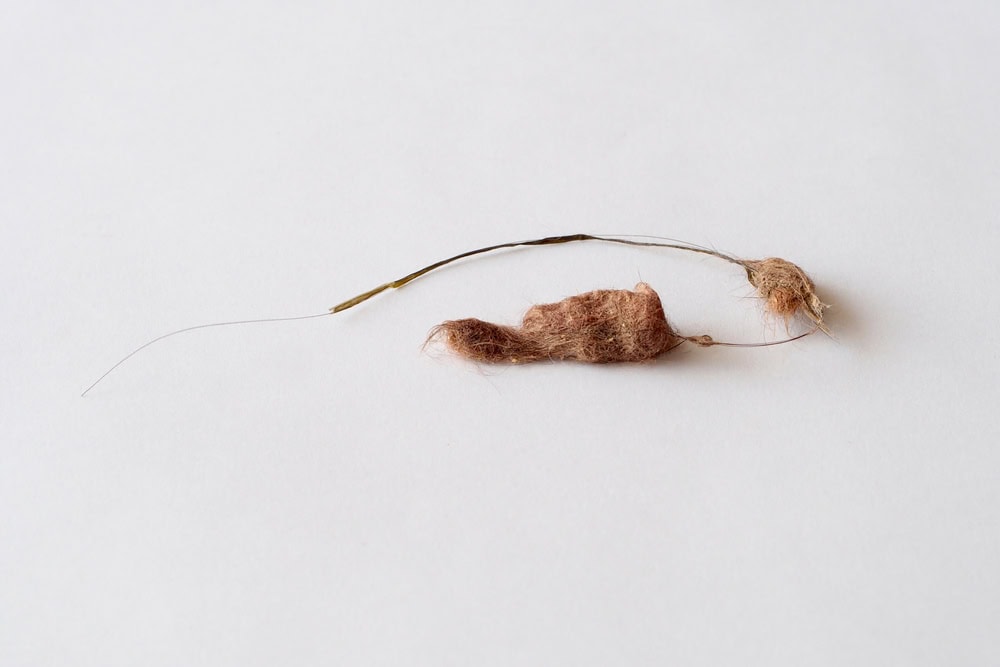
Hairballs are typically tube-shaped, full of unprocessed hair, and may be accompanied by clear fluid. Vomit is usually thicker, although it can be liquid, and often contains food that has been partially digested. Vomit can also contain hair, but in a much lesser amount than a hairball does, with the loose hair being mixed in with the other content, while a hairball is made up of densely packed hair. You may have heard the term, “my cat coughed up a hairball”. This is actually not correct, as hairballs are also expelled through the act of vomiting. Vomited content tends to come out as a projectile, involving multiple contractions of the abdomen during the process, and often smells foul, even in case of hairballs. Sometimes regular vomit will also have a bile-like consistency and color.
Can I Do Anything to Prevent Hairballs?
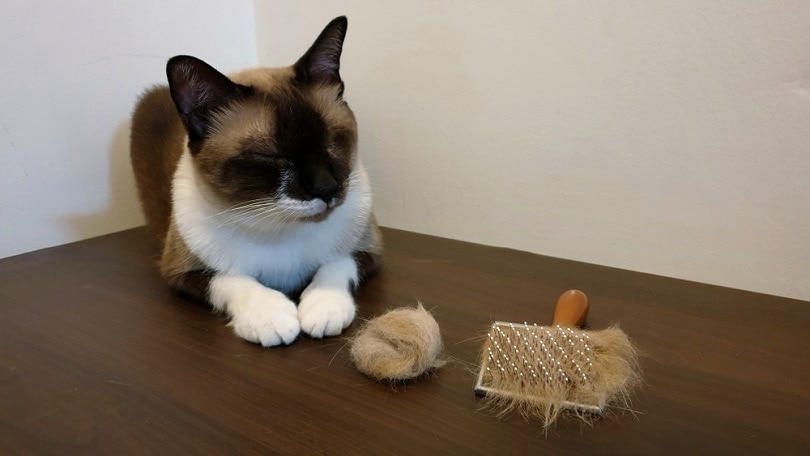
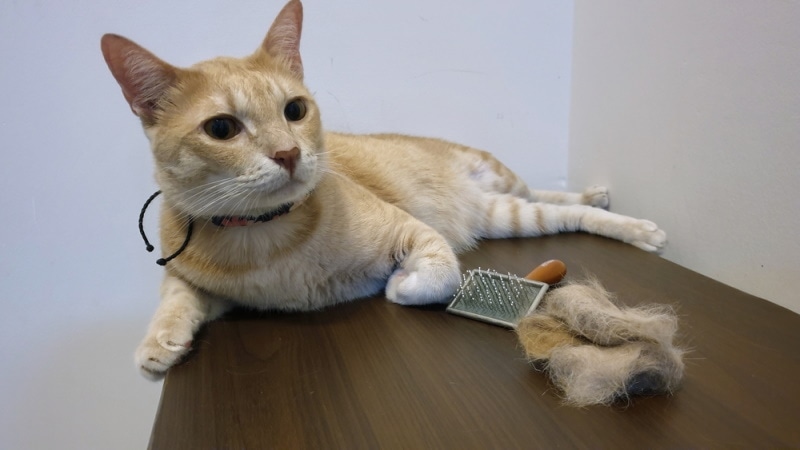
Regularly grooming your cat can go a long way regarding hairball prevention. Brushing reduces the amount of fur your cat ingests when grooming themselves, which then lowers the amount of hair that can get stuck in your cat’s digestive tract and cause problems.
Ensuring your cat is getting enough water is another simple yet important way to reduce the chances that your feline will develop hairballs. Consider investing in a simple cat fountain to encourage your cat to drink more.
As many parasites can cause a cat to groom more often, it is important to ensure that your cat is free of fleas, mites, and other parasites. Furthermore, as any itchy skin disorder can lead to excessive grooming, have your cat looked over by a veterinarian if you suspect that they’re grooming excessively due to a skin issue.
If your cat is overgrooming due to stress or pain, your vet can establish this by first ruling out other skin related causes and medical conditions. Reducing boredom and frustration, and enriching your cat’s environment, giving them sufficient opportunity and motivation to play, exhibit natural behaviors like scratching, and feel mentally stimulated may also help in reducing some of the underlying behavioral causes of overgrooming. Anticipating stressful events, speaking to a vet and a feline behaviorist, avoiding or minimizing known stressors, or considering pheromone diffusers are just a few of the ways to help anxious cats that resort to excessive grooming. Although the majority of these cases are caused by health issues, stress can play a significant role.
If hairballs become an issue in the future, you can also consider switching to food specifically designed to tackle the problem. Several recipes on the market are formulated to reduce shedding and ease the passage of food through your cat’s digestive system, both of which can reduce the frequency of hairball issues. Check with your cat’s veterinarian before putting your companion on a hairball prevention diet since they can cause potentially adverse consequences.
Alternatively, you can opt for a hairball control supplement. Most of these supplements are available over the counter (OTC). However, it’s still best to consult your veterinarian before deciding to use them, as getting to the root cause of your cat’s hairball issues is key for long term control. These products are often high-fiber treats that help move ingesta (and hopefully, hair) along your cat’s digestive tract.
Are Hairballs Dangerous?
If your cat is otherwise healthy and only has a hairball every now and then, you probably don’t have much to worry about. In most cases, excess fur a cat ingests is passed normally. However, cats that throw up hairballs more than twice a month should be taken to the veterinarian for a complete examination. When your pet visits the vet, be sure to report any additional signs that concern you. In some cases, hairballs can cause an obstruction of the digestive tract, leading to vomiting, abdominal pain, lethargy and reduced appetite, requiring urgent veterinary care.
See Also:
Sources
Featured Image Credit: Nils Jacobi, Shutterstock
Get Hepper In Your Inbox


Pet care tips from our vets and experts, straight to your inbox.
You may opt-out at any time. View our Privacy Policy for more information.
Lorre Luther a reformed lawyer from the United States, she moved to the Netherlands to follow her dream and become a writer. Currently living in Rotterdam, Lorre enjoys traveling and reveling in the astonishing beauty of our planet. As an animal lover, Lorre is convinced that cats are smarter than humans.
Join the conversation
Ask a question, share your story, or send private feedback.