Hepper is reader-supported. When you buy via links on our site, we may earn an affiliate commission at no cost to you. Learn more.
Why Is My Rabbit Not Eating? 6 Vet-Reviewed Reasons


In this article
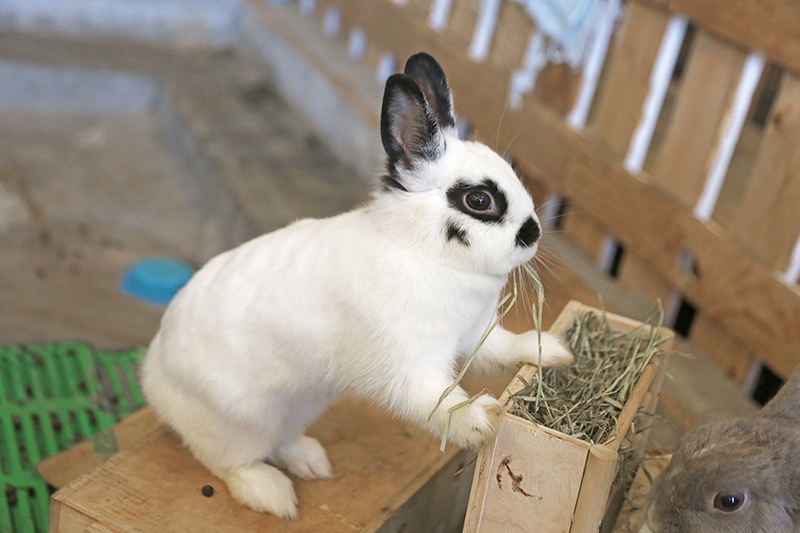
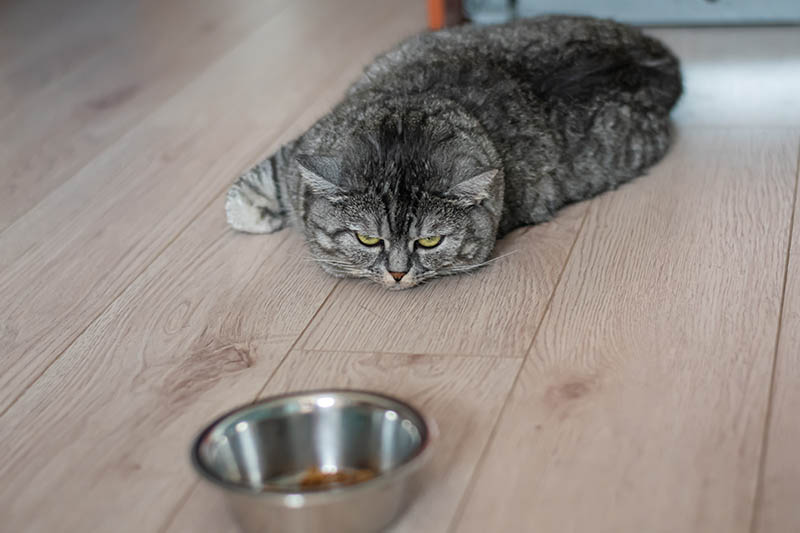
If you own a rabbit (or several of them), you know that a healthy rabbit will eat…and eat…and then eat some more if they get the opportunity. Sure, you’ll find the occasional picky eater, but the average rabbit loves munching away and does it constantly. That’s why if your rabbit is suddenly eating less or refusing to eat altogether, even just for a few hours, it’s likely a sign that something is wrong and your rabbit needs to be checked by a vet.
Rabbits usually don’t change their eating habits significantly if all is well with their health. If you’ve noticed that your rabbit has abruptly reduced their food intake or completely stopped eating, you should contact your vet immediately. Rabbits can go downhill quickly! Your vet can help you understand which of the six likely reasons we discussed has stopped your rabbit from eating and help your furry little buddy get better.

The 6 Likely Reasons Your Rabbit Isn’t Eating
1. You Recently Changed Your Rabbit’s Food
Rabbits eat all day long because they need to. Their digestive system is wired to receive and digest food continuously, and their intestinal motility is as frequent as every 10-15 minutes 1. This is important to understand because when rabbits stop eating, their gut motility can slow down significantly, causing a serious illness called gut stasis 2. This disorder requires prompt veterinary attention. If you notice that they’re not eating and you’ve recently changed your rabbit’s diet, that change might be the cause 3.
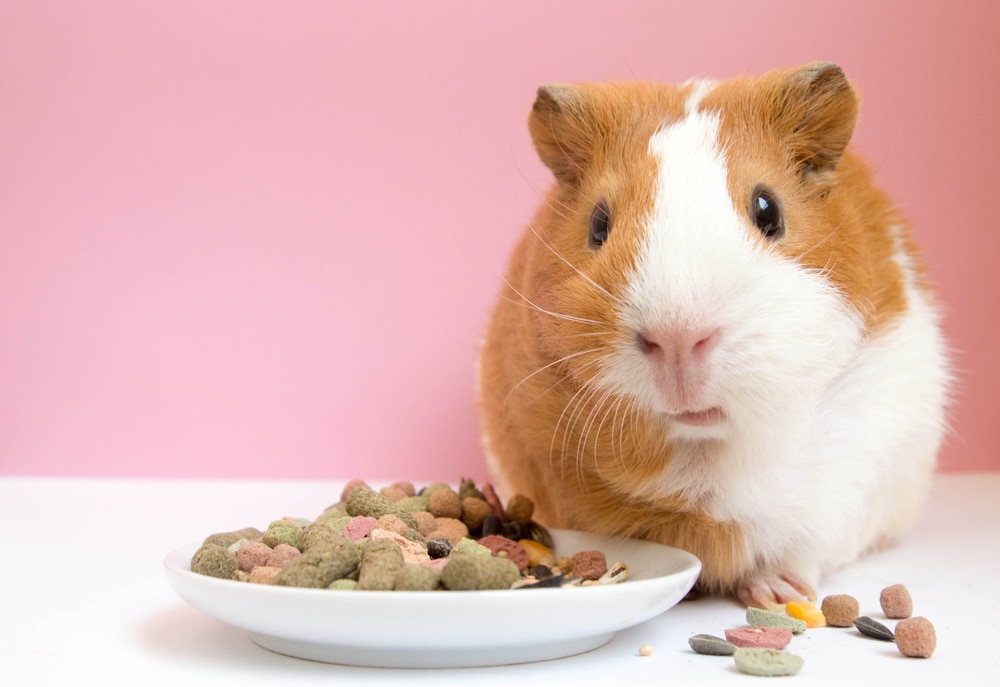
Change of food can certainly lead to a level of stress in your rabbit. The solution for introducing new food is to gradually change your bunny’s diet by mixing the new food with the old over several weeks. That way, your pet’s digestive system will get used to the new food and digest it with no problem. Make sure you are feeding your rabbit a healthy nutritious diet based on good-quality hay with only 10% leafy veggies and not more than 5% pellets daily 4.
2. Your Bunny Is in Pain
Pain 5, even mild or chronic, can cause your rabbit to forego food or lose their appetite. The pain might be caused 6 by injuries or wounds anywhere on the body, dental issues, urinary tract inflammation or presence of sludge and stones, pain related to gut stasis, tumors, and many more. It could also be that your rabbit is suffering from arthritis or some other chronic health issue.
Whatever the cause of the pain, it should be checked and treated by your vet immediately. If you do not go to the vet and your bunny doesn’t eat for a day or two, their digestive tract could go into potentially life-threatening gut stasis.
3. GI Stasis Is Causing Your Pet’s Problem
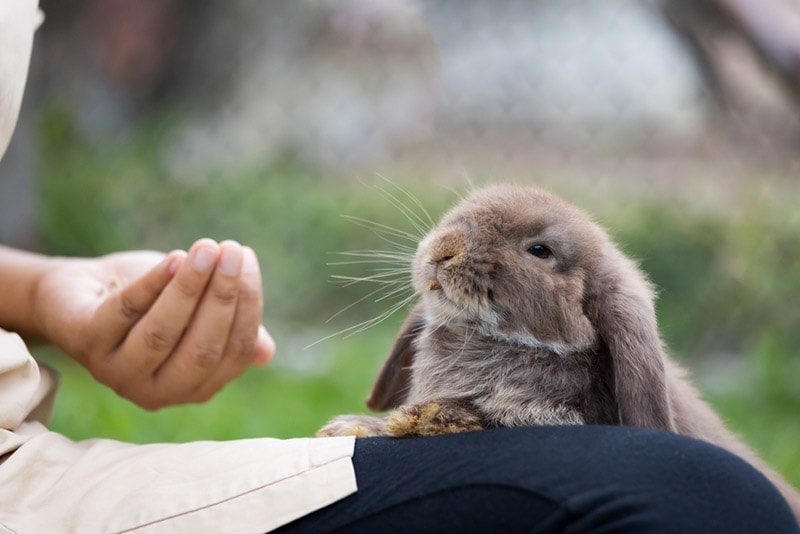
Gut stasis is a serious health disorder that occurs when your rabbit stops eating or isn’t eating enough 7. What happens is that the digestive process and motility in your bunny’s gastrointestinal tract, meaning their stomach and intestines, slows down and, if severe enough, stops completely. Gut stasis can be caused by anything that leads to stress and pain in the rabbit, alongside inappropriate diet, and systemic or organ system disease. It’s a life-threatening disorder and needs urgent veterinary attention!
Your rabbit’s digestive tract must continuously receive and digest food to stay healthy, and gut stasis must be treated as quickly as possible to prevent your rabbit from becoming sick or even dying. That’s why you should take your pet to the vet if they stop eating even for just a few hours. Do not wait to see if your rabbit improves by the next day. Instead, schedule an appointment with your vet immediately, as postponing it will often cause your rabbit to get sicker, meaning that they will need more intensive treatment in order to recover, and their illness could become life-threatening and severely painful, reducing their chances of a full recovery.
4. Your Bunny Is Stressed Out
You might have just moved into a new home or had your existing home renovated with lots of loud noises and visitors. If your rabbit stops eating in these or similar situations, it is most likely stressed out, anxious, or fearful.
The stress of these situations can cause your rabbit to stop eating, at least for a short time 8. Usually, once the anxiety passes, your rabbit will return to its regular eating schedule. If your rabbit stops eating even for just a few hours, schedule a vet appointment to get them checked out the same day. Stress will cause a reduced appetite that can lead to gut stasis, which, as we mentioned, causes pain and puts them off their food. It’s a vicious cycle, but your vet can stop it by providing your rabbit with adequate and prompt treatment.
5. Overgrown Teeth or Other Dental Problems Are Affecting Your Rabbit
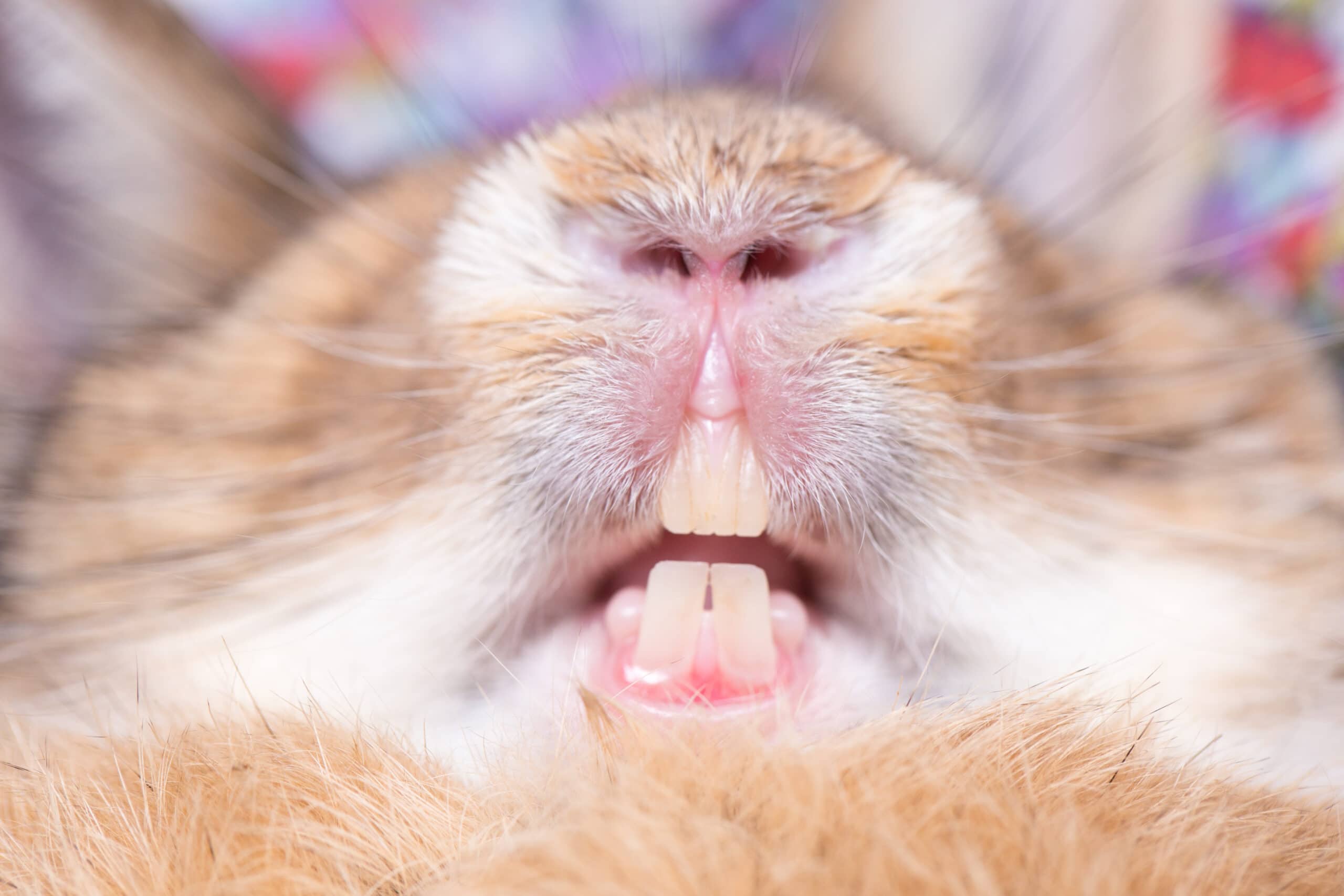
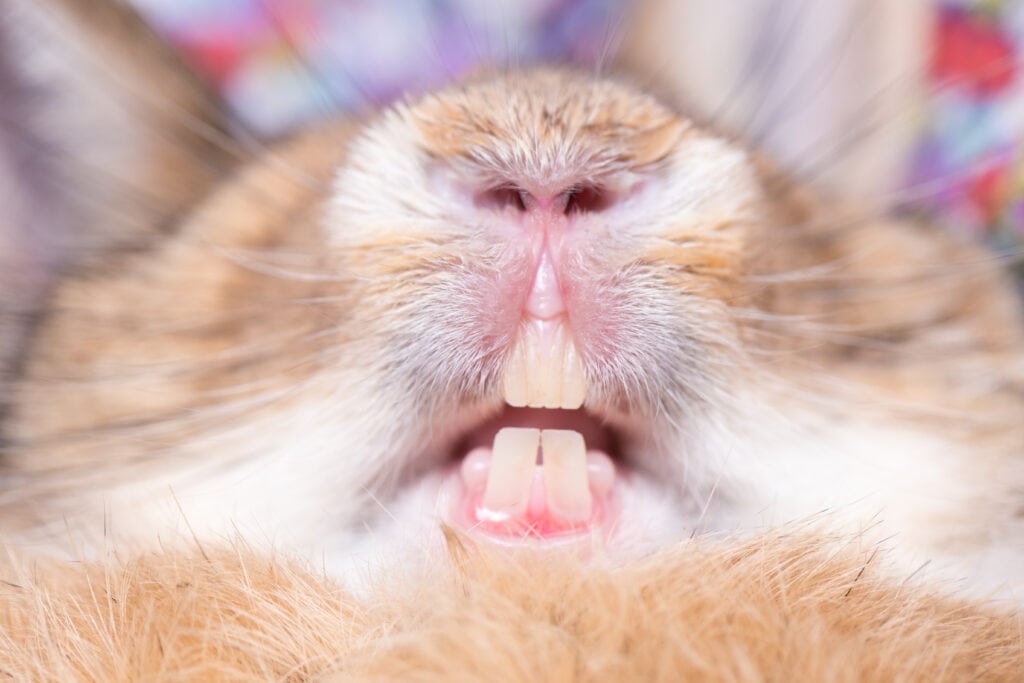
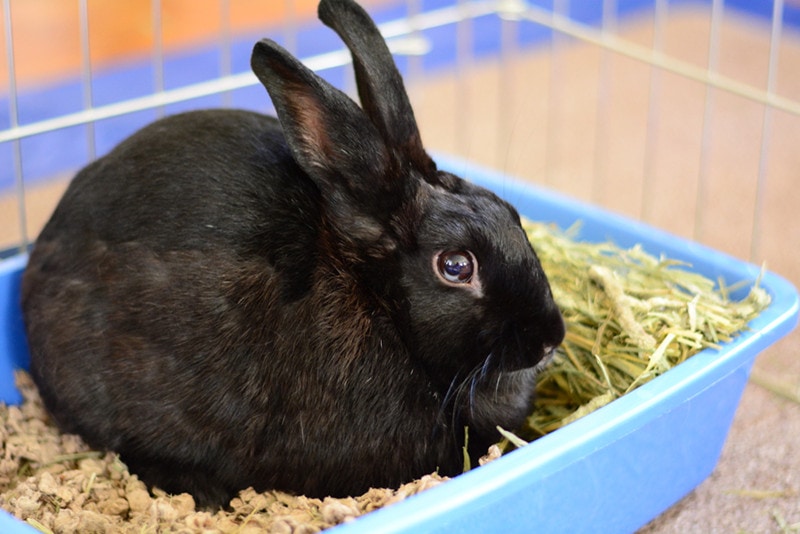
One problem that affects many rabbits and causes them to stop eating is overgrown or improperly grown teeth. Your rabbit’s teeth will grow and keep growing throughout their entire life. In rabbits with healthy, fully-aligned teeth, chewing wears their teeth down and keeps them from becoming too long. However, if your rabbit isn’t chewing enough or has misaligned teeth, they won’t wear down properly and will grow so long that they can prevent eating.
One of the most common dental problems occurring in rabbits is malocclusion, which means that the teeth in the upper and lower jaw do not meet normally 9. This is a serious problem for the rabbit as their teeth can grow to abnormal lengths and shapes, becoming sharp, preventing them from eating, and causing pain and discomfort. Malocclusion can result from congenital or hereditary causes, such as deformation of the jaw, or is acquired in life due to trauma, nutritional deficiency, infection or loss of a tooth, or inappropriate and insufficient chewing.
The most common cause of dental issues in rabbits is an inadequate diet that is insufficient in fiber and roughage, both of which are crucial for normal teeth wear. Other factors might include genetics, environmental factors, diet, and lack of calcium and vitamin D. Chewing on cage wires needs to be prevented in young or bored rabbits as it can damage their teeth and predispose them to further dental issues.
6. Your Rabbit Has An Impaction
Impaction or gastrointestinal obstruction means that there is a blockage preventing the ingested food from moving through the digestive tract 10. Blockage can be acute (preventing any food movement through the gut) or moving (with some passage of material, slowed down but not yet fully obstructed). Acute obstruction can lead to bloat, which is when your rabbit’s abdomen gets very distended and the gastrointestinal tract is excessively filled with gas. This is a life-threatening condition and needs immediate veterinary attention.
Both complete and moving or partial intestinal obstructions are commonly caused by a compact mat of hair, often mixed with food material, or other foreign objects such as carpet or cloth fibers and plastic. Sometimes, pressure on the intestines from other abnormal structures in the abdomen such as tumors, parasitic tapeworm cysts, abscesses, or hernias can also lead to impaction.
The impaction causes pain and severe systemic illness, which will also cause your pet to stop eating. If you think your rabbit might have eaten something unusual or seems generally unwell, with a painful or bloated belly, lack of appetite, lethargy, reduced or absent defecation, or any other concerning signs, they need to be checked by a vet immediately!
There are other gastrointestinal disorders that can put your rabbit off their food, and they all require prompt veterinary attention. One of them is diarrhea, which can be caused by a poor and inadequate diet, various infections (bacterial or viral), parasitic infestations, tumors, or systemic disease.

How to Prevent Your Rabbit’s Teeth from Overgrowing
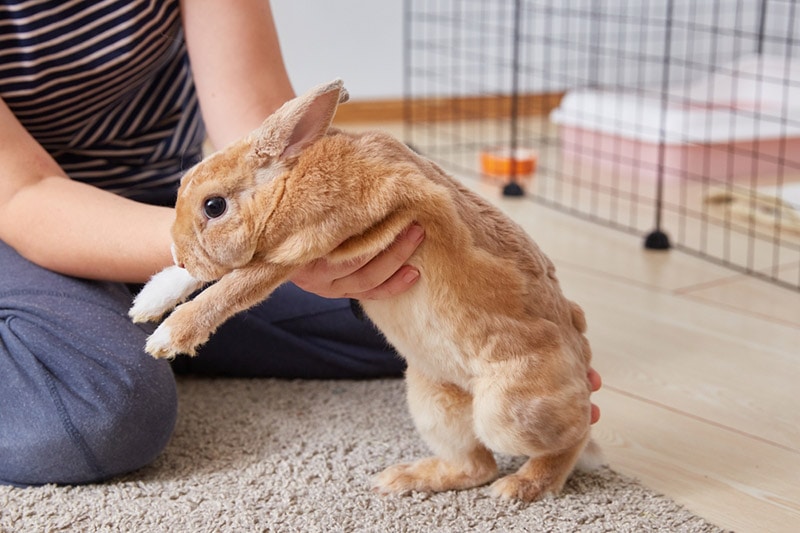
As we previously discussed, dental disease and malocclusion are familiar health issues for rabbits. Unfortunately, some rabbits will be born with this condition, and you might only notice it once they become adults. However, barring that, below are a few ways to prevent this common health issue:
How To Encourage a Picky Rabbit to Eat More Hay
Some rabbits don’t have a health problem so much as a pickiness issue. However, only your vet can determine this for sure by ruling out any dental or other type of illness. You should get your rabbit checked out before making the assumption that they are just picky. Otherwise, some common health disorders can be missed and left untreated.
Rabbits might not like the hay you’re offering or have developed a taste for pellets because pellets are softer and tastier. The problem is that rabbits need hay to survive, thrive, and live healthily. Below are a few methods to encourage picky rabbits to eat more of their most important food.
Final Thoughts
Rabbits must constantly eat because their digestive system demands it. If they stop eating, even for a few hours, it can quickly and severely impact their health. If your bunny isn’t eating even for just a few hours, contact your vet straight away, as determining the cause and correcting it quickly is critical. It could mean the difference between life and death for your beautiful bunny.
Sources
Featured Image Credit: New Africa, Shutterstock
Get Hepper In Your Inbox


Pet care tips from our vets and experts, straight to your inbox.
You may opt-out at any time. View our Privacy Policy for more information.
Greg Iacono is a self-taught writer and former chiropractor who, ironically, retired early due to back problems. He spends his time writing scintillating content on a wide variety of subjects. Greg is also an accomplished video script writer known for his ability to take a complex subject and make it accessible for the layperson.
Join the conversation
Ask a question, share your story, or send private feedback.