Hepper is reader-supported. When you buy via links on our site, we may earn an affiliate commission at no cost to you. Learn more.
How to Make Sure Your Dog’s Collar Fits Properly: Expert Tips
In this article
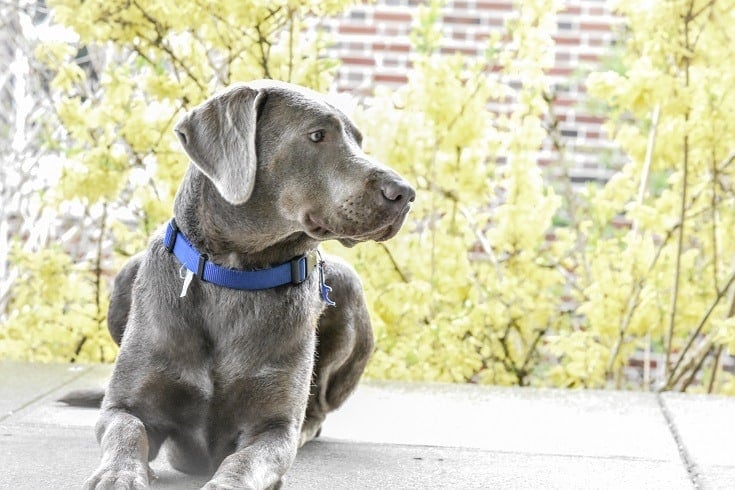
Your dog’s collar is like your wallet: it is the place where he carries his ID. Your pup should be wearing his collar every time he leaves your home. In fact, many pet parents leave the collar on 24/7 for added security.
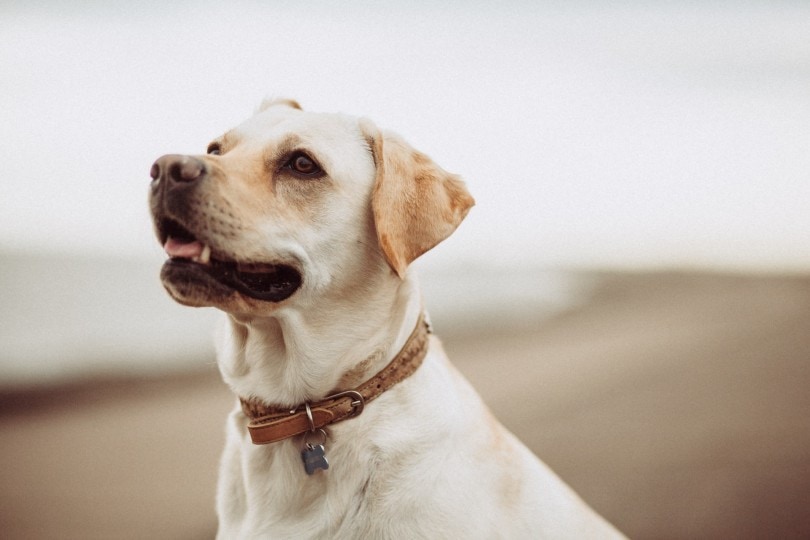
Dog collars come in a wide variety of colors, materials, styles, and sizes. Whatever collar you pick for your pooch, it needs to comfortably fit him. It can’t be too tight or too loose. If it is too loose, your dog may wiggle his way out of it. On the other hand, if the collar is too tight, it can be uncomfortable and may cause harm.
Here’s everything you need to know to ensure your dog’s collar fits properly.

Taking Measurements of Your Dog
Making sure your pet’s collar properly fits begins before you even bring one home. Before you buy a dog collar, you need to make sure it is suited for your pup by taking accurate measurements. Remember, all dogs are different. Even two canines of the same breed can have dramatically different neck sizes.
Instead of guessing, gently wrap a tape measurer around the lower part of your dog’s neck. Pet collars generally slide down the neck until coming to a rest on the shoulders.
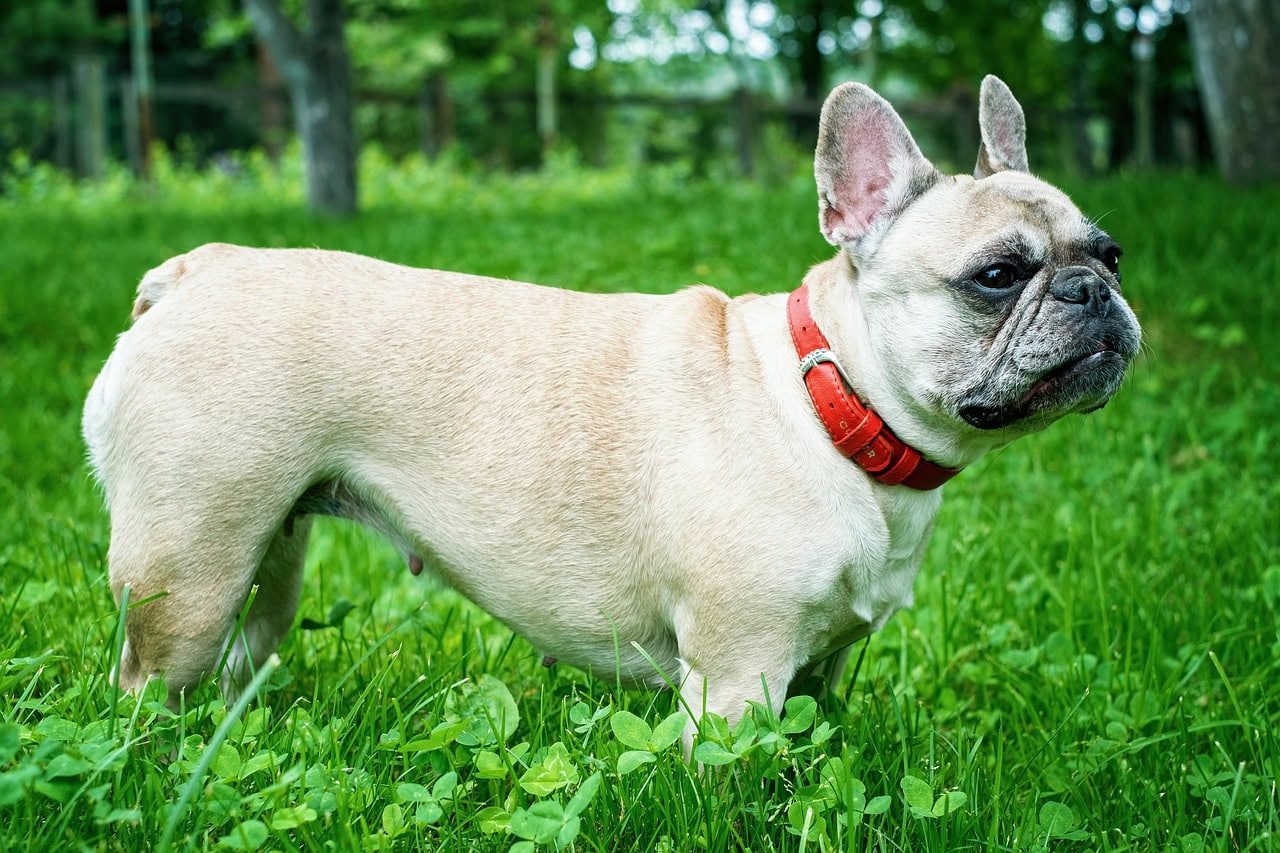
Additionally, you’ll need to consider the thickness of your dog’s neck. This is especially true if you own a Bulldog or Pug. These breeds have short necks that need thinner collars. If the collar is too thick, it could cause chaffing.
While there is no way to measure neck width, just take a close look at your dog’s neck to see if he needs a thicker or thinner collar.
Two-Finger Trick
Once you buy a pet collar and put it on your dog, you can try the two-finger test to make sure it fits properly. Slide two fingers between the collar and your dog’s neck. If the collar feels snug, the fit is perfect. If you have to force your fingers under it, the collar is too tight.
You should also slide the collar up and see if it can slip off your pup’s head. Dog breeds with triangular heads, like Greyhounds, can easily get out of their collars.
If you can slip the collar past your dog’s ears, it should be tightened.

How Tight Should a Dog’s Collar Be for a Proper Fit?
A dog’s collar should be tight enough that he can’t slip out of it. However, it should be loose enough to ensure he’s comfortable.
The Risks of an Ill-Fitting Pet Collar
It is critical that your dog’s collar fits him properly. Some risks of an ill-fitting dog collar include:
Does My Dog Need a Collar?
All dogs should have a collar, even if they are microchipped. If your pet ever gets loose or lost, his collar ID tags will help people to easily see your number and call you.
Collar Checks
Your dog does not need the same collar forever. The collar may become damaged or he simply can outgrow it. Both of these cases can lead to an ill-fitting collar.
Make sure your pet’s collar properly fits by visually checking it every day. The collar shouldn’t cause your pet’s fur to over-harden or fall out.
Conduct random two-finger tests and inspect the overall condition of the collar every month.

Conclusion: How to Make Sure Your Dog’s Collar Fits Properly
A properly-fitting dog collar shouldn’t be too tight or too loose. It should allow your pet to comfortably move about and breathe without giving him a chance to slip out of it. To guarantee the perfect fit, always measure your dog’s neck before purchasing a new collar and try the two-finger test after putting it on.
A comfortable collar will help to keep your pet safe while looking stylish.
See also:
Featured Image Credit: Nilda Guzman, Pexels
Get Hepper In Your Inbox


Pet care tips from our vets and experts, straight to your inbox.
You may opt-out at any time. View our Privacy Policy for more information.

Nicole is a lover of animals of all sizes but is especially fascinated with the feline variety. She’s the proud mom of Baby, a Burmese, and works every day so he can relax in the sunshine or by the fire. She’s always had a cat in her home and has spent countless days with others, observing behaviors and softening up even the grouchiest of the lot. Nicole wants to share her kitty expertise with you so you and your cat can live happy, healthy, and care-free.
Join the conversation
Ask a question, share your story, or send private feedback.