Hepper is reader-supported. When you buy via links on our site, we may earn an affiliate commission at no cost to you. Learn more.
How to Potty Train a Pomeranian (8 Quick Steps)
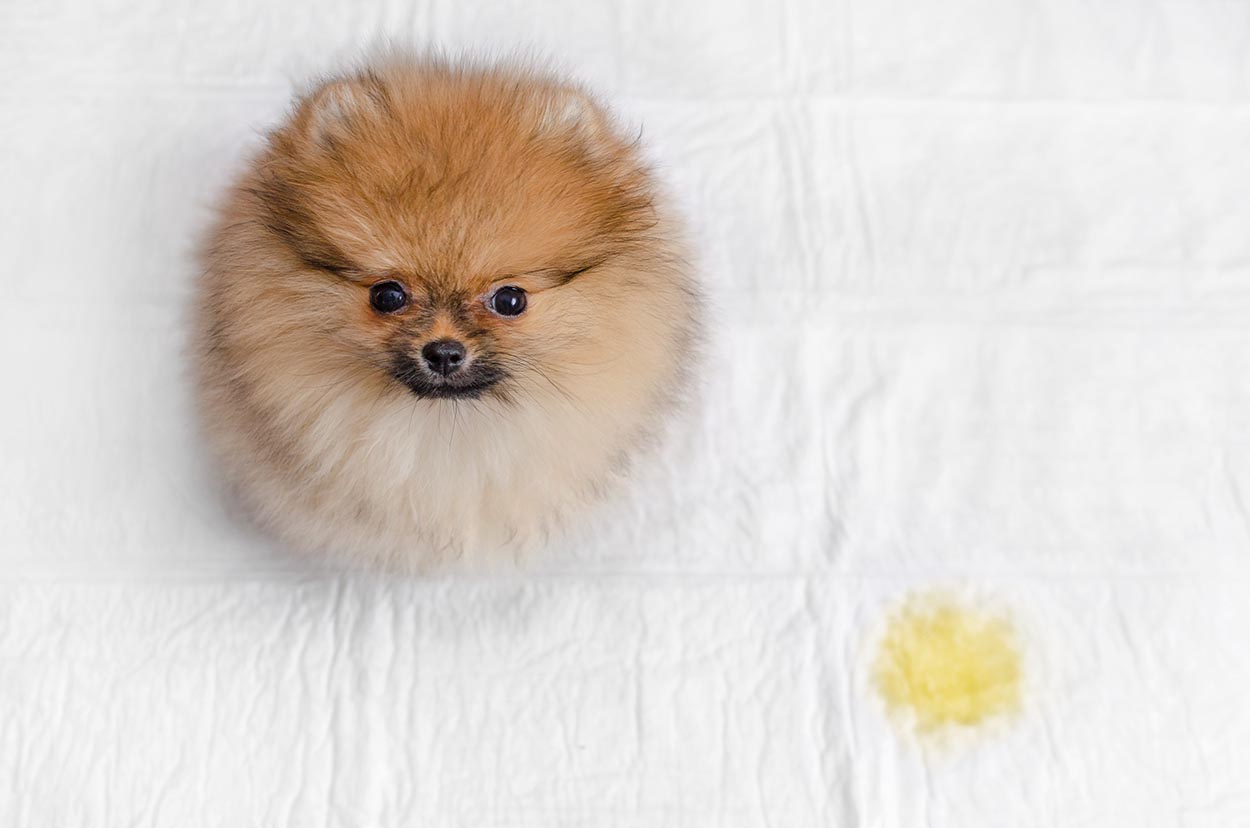
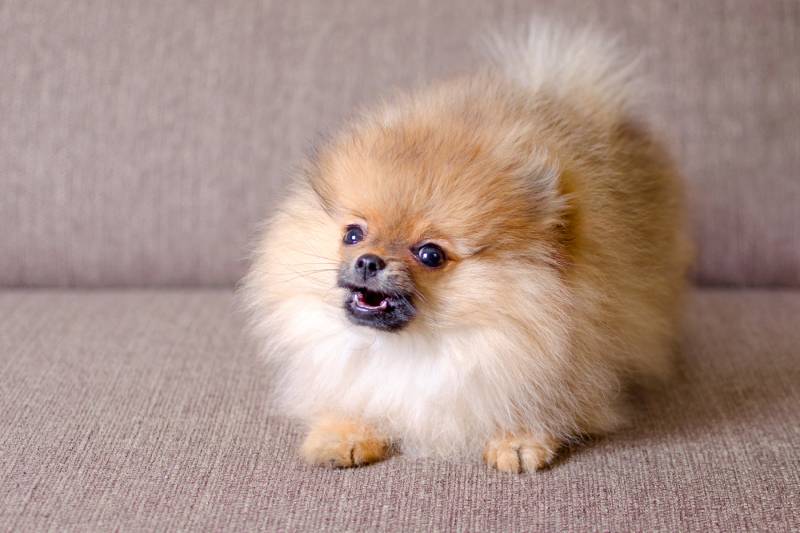
Pomeranians are adorable little dogs, and the first time you bring one home, you may find yourself marveling at just how tiny they are! So, how are they so capable of leaving messes behind that are big enough to destroy every bit of carpet in your house?
If you’re tired of finding the little presents that your Pomeranian leaves for you every time your back is turned, then you need to potty train your pooch as soon as possible. That’s easier said than done, of course—unless you use this handy guide.

The 8 Steps to Potty Train a Pomeranian
1. Be Consistent
The most important factor in any housebreaking routine is consistency. You need to use the same cues at the same time, in the same way, every day until your dog gets the hang of it.
That means you shouldn’t start the housebreaking process until you have enough time to spend with your dog in order to provide them with consistent training. Take a few days off from work or wait for a long weekend if you need to, but don’t expect them to immediately grasp the concept if you’re only teaching it to them sporadically.
2. Pick a Potty Spot
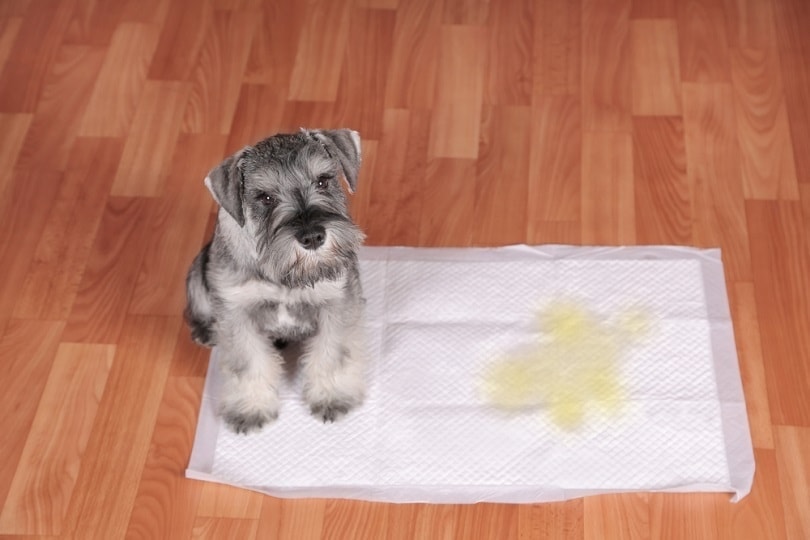
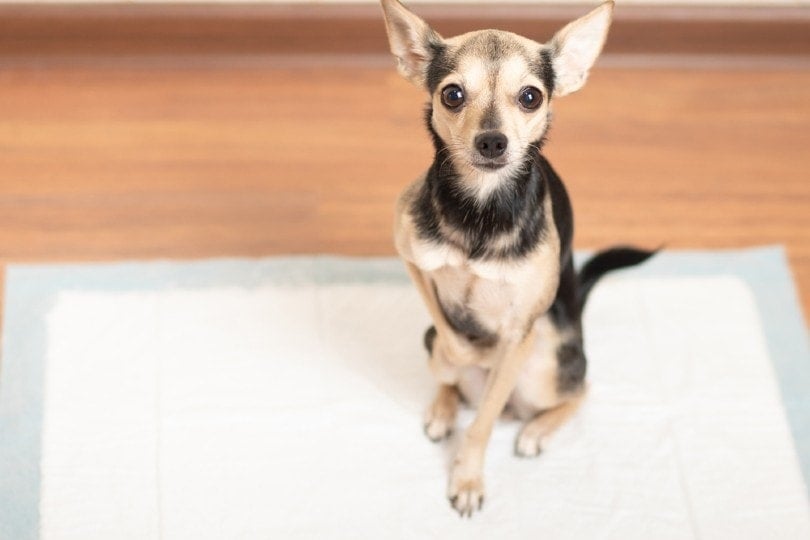
Before you start, you need to decide on where, exactly, you want your dog to go. This could be in the backyard, on a walk, on a pee pad, or even in a litter box. Space isn’t necessarily that important—it’s the consistency that matters.
Keep in mind that if you’re going to leave your dog alone for a long time on a regular basis, such as when you go to work, then they’ll either need a way to access the backyard on their own or they’ll need to learn to use a pee pad or litter box. A pee pad or litter box is preferable, as a small dog unattended in the backyard can be vulnerable to predators.
You also need to make sure that you’ll have access to this spot during the training process; you may not want to start training them to use the backyard if the forecast calls for snow, for example.
3. Pick a Command
Your dog needs a cue word to alert them to the fact that you’re expecting them to go to the bathroom. It can be something like “potty” or “business” or whatever—the actual word doesn’t matter. All that matters is that you’re consistent.
Every time your dog goes to the bathroom, you’ll use this command until the act is linked to the word. That way, you can get them to go on command down the line, something that comes in handy when you’re waiting for them to poop in the rain.
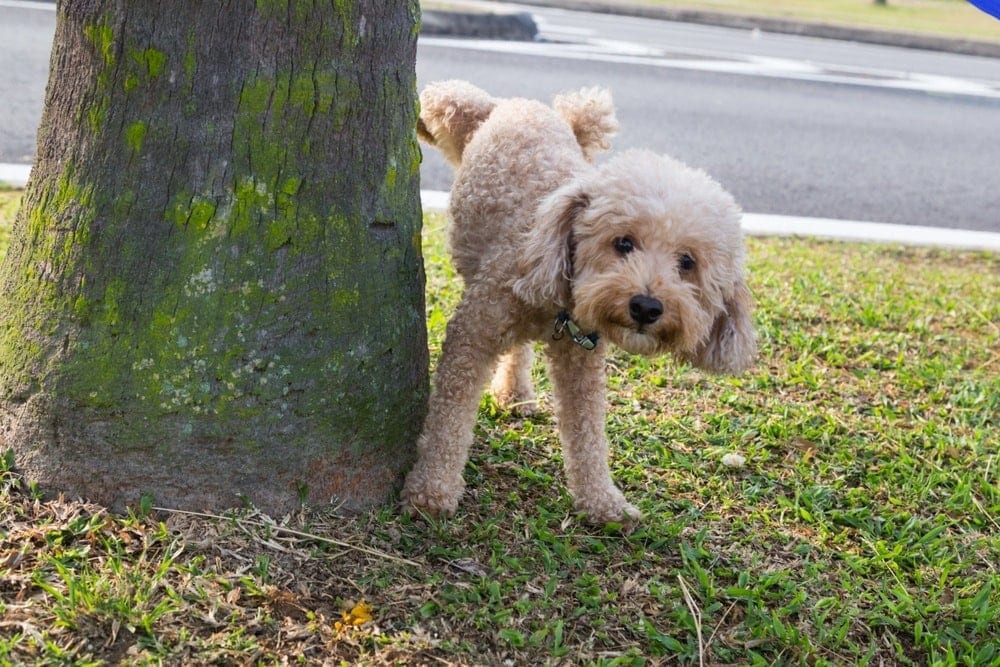
While the word you pick doesn’t matter, you should make it a single word (and preferably, a single syllable). That keeps them from getting confused during the training process. Also, you should pick something that won’t come up naturally in conversation, unless you want your dog lifting their leg 15 times every time you talk on the phone.
4. Learn Their Cues
Before you can get your dog to use the bathroom in the right spot, you’ll need to recognize the signals that they give off before they go.
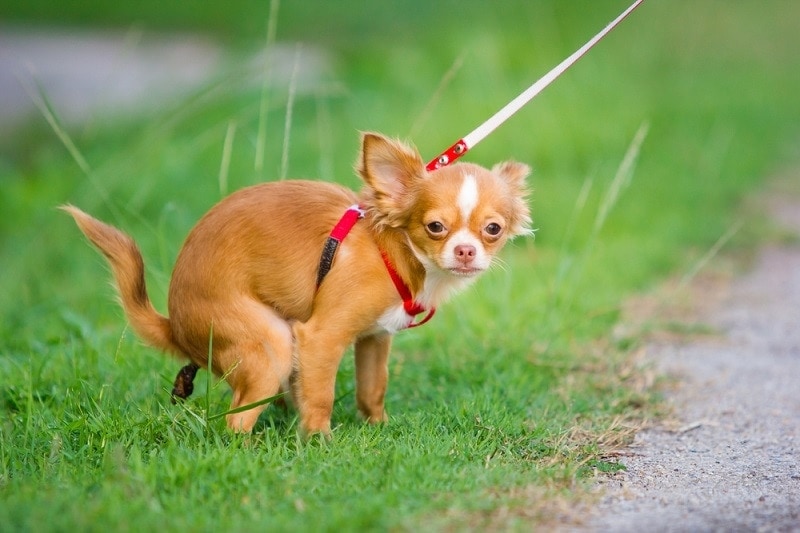
Typically, this will involve sniffing around, walking in circles, scratching at the door, and of course, squatting. Spotting these cues will give you advance notice that potty time is on the way, giving you precious time to get them to where you want them to go.
5. Start Taking Them to Their Potty Spot
Once you’ve chosen where you want them to go and learned the signals that they give off before going, it’s time to put the two together. You’ll need to start taking them to their designated bathroom area every time they’re ready to go.
As soon as you notice any sort of bathroom signal, immediately scoop them up or walk them to the potty area. Set them down and give them the verbal command, then wait to see if they go. If they do, reward them lavishly with treats or praise; if not, say nothing and take them back inside.
You’ll need to be quick on the draw when it comes to taking them to their bathroom area to avoid accidents. The better you are at anticipating their behavior and getting them to the right place in time, the quicker and more painless the whole process will be for everyone involved. In addition to watching for cues, you can learn their habits. Most dogs need to go immediately after waking up and after eating meals, so you’ll likely want to take them outside at those times. Your dog may have other times that they typically need to go, so learn those and anticipate them accordingly.
If you take them out at the same time every day, it will also build a healthy routine that will help long after they’ve been housetrained. It’s a great way to have your dog go quickly and with minimal fuss, which can come in incredibly handy when you’re trying to get to work on time on a Monday morning.
6. Watch Them to Prevent Accidents
Simply taking them to where they need to go isn’t enough—you also need to stop them from going where they shouldn’t go. This means watching them around the clock, which is another reason that taking time off from work might be a good idea.
Every time you see your dog about to squat in the middle of a rug or raise their leg on your couch, you need to stop them immediately. This could entail using a simple verbal cue, such as a clicking sound or by clapping your hands.
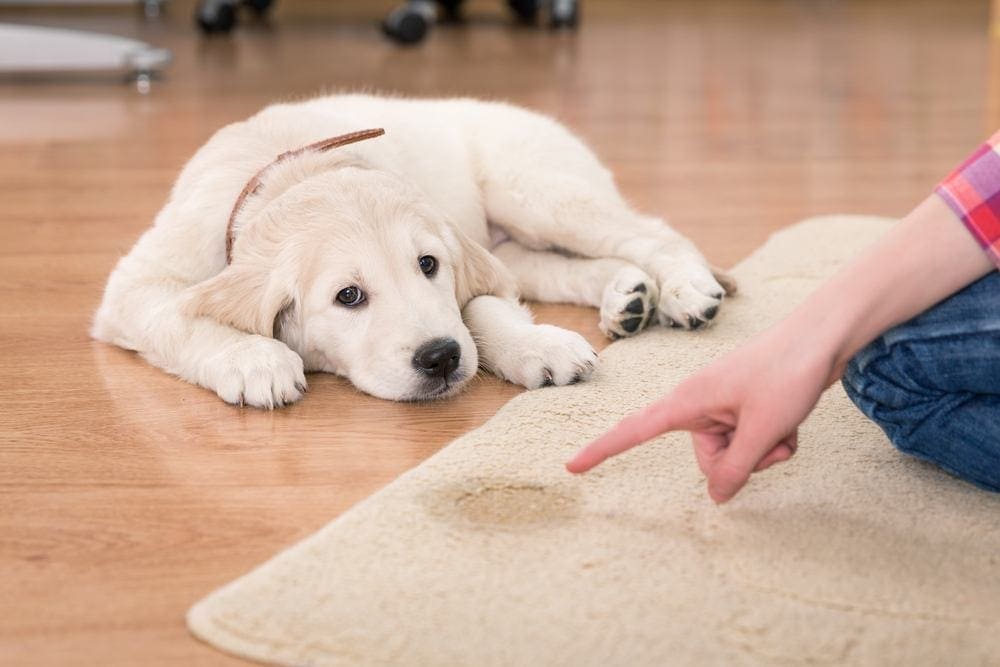
The cue just needs to redirect their attention away from their bladder and toward you. It shouldn’t be loud and scary, and you shouldn’t punish them for going in the wrong spot. Simply ignore the behavior and redirect them to the proper bathroom area; otherwise, they’ll associate going to the bathroom with getting punished, and they'll only learn to go when you’re not around.
Many people like to keep their dogs on a leash that’s attached to them for several days until the housebreaking process is complete. That lets you know exactly where they are without having to actually watch them, so you can go about your day while still training them.
7. Go Heavy with the Rewards
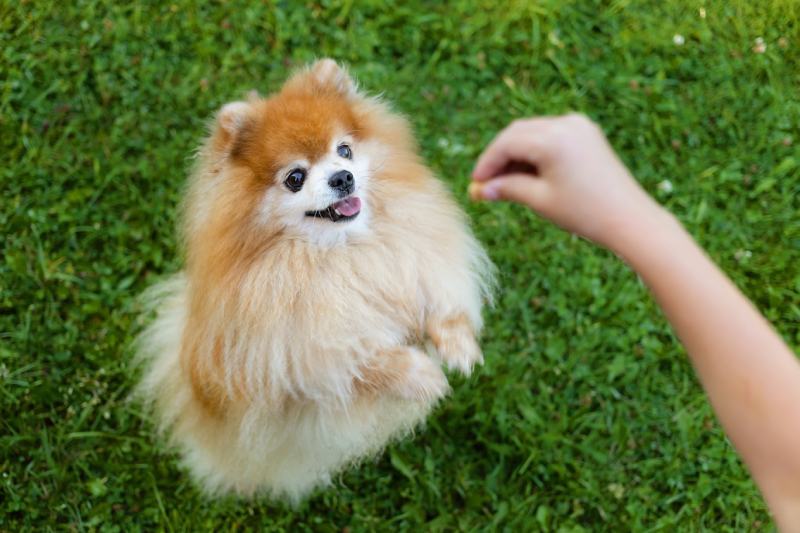
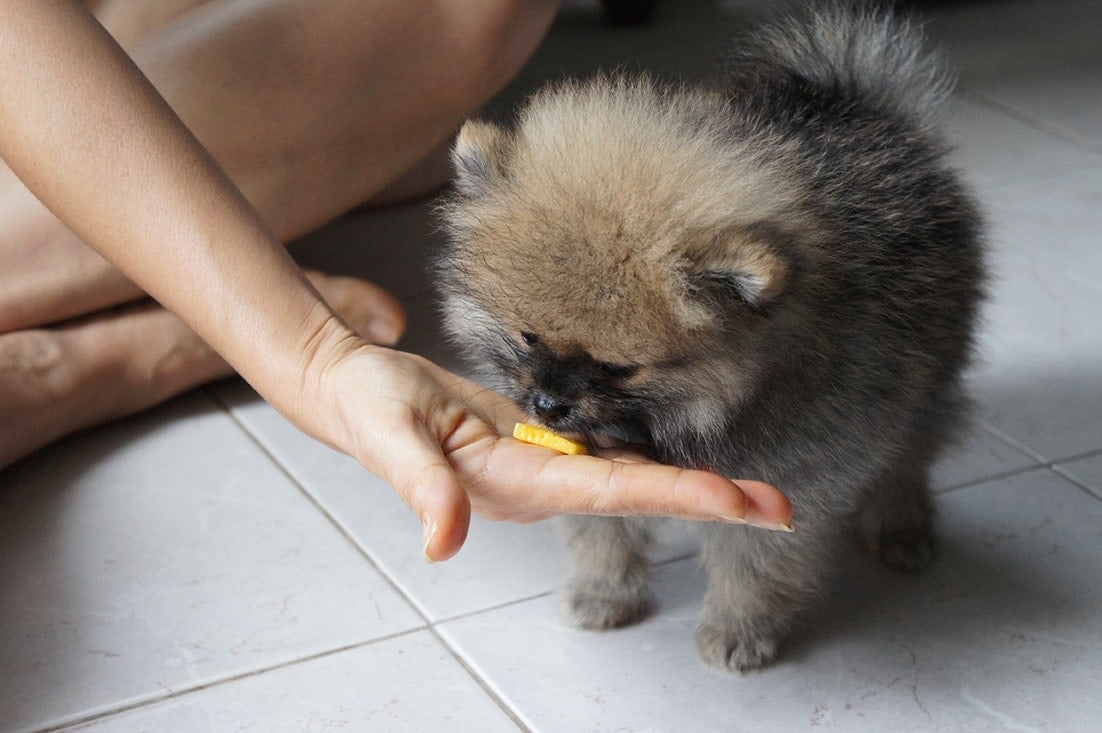
Every time your dog goes to the bathroom in the correct spot, lavish them with rewards. This could mean tossing them a favorite treat or just praising or petting them. All that matters is that they associate using the bathroom in that particular spot with good things happening.
It’s also important to use verbal cues while they’re going to the bathroom. This lets them know what’s expected of them when you issue that command, and when you combine that with rewards, it makes it easier to get them to do their business exactly when and where you want them to.
8. Clean Up Messes ASAP
If your dog has an accident (and accidents will happen), you should clean it up right away. Not only will this save your carpet from getting stained, but dog waste has odors that encourage the animal to use the same spot again. By cleaning it up, you reduce the risk of subsequent accidents.
Ideally, you should use a specialized cleaner for pets, one that uses enzymes to break down the odors. This will ensure that all traces of poop or urine are completely removed.

Are Pomeranians Hard to Train?
Pomeranians are smart animals, so they can pick up on new commands and behaviors quickly. However, there’s more to the issue than just intelligence.
Part of the issue is the fact that these tiny little dogs have tiny little bladders. As a result, they can’t go as long between bathroom breaks as some other breeds, so you’ll need to be on the spot with access to the outdoors or provide them with puppy pads or other owner-approved places to go.
Pomeranians can be headstrong as well, so you need to be firm and consistent with your training. They respond best to positive reinforcement, so don’t punish them if they mess up, as that will only make your job harder.
The good news is that these pups are usually ready to be housetrained by about 8 weeks old, so you don’t have to wait long to start solving the problem. The only caveat is you’re training them to go outside, you should wait until they’ve had all their shots, or else they could contract something like Parvo during the process.
If you need help with training your dog, we suggest speaking to an online vet for tips and tricks.

Housetraining Pomeranians: Be Patient
Housetraining a Pomeranian isn’t the hardest thing in the world to do, but it will take time and effort. As long as you’re patient and consistent, there’s no reason that you can’t have your dog fully potty trained in just a few days.
Of course, if you get frustrated, you should take the time to remind yourself of how much worse this process would be if you were having to clean up after a Great Dane.
Featured Image Credit: nadisja, Shutterstock
Get Hepper In Your Inbox


Pet care tips from our vets and experts, straight to your inbox.
You may opt-out at any time. View our Privacy Policy for more information.
Quincy never intended to be a cat person. He grew up around dogs, and when his wife brought home a kitten one day, he told her she had one week to find it a new home. That week turned into 10 years (his wife moves very slowly), and that kitten turned into three (they got two more, the kitten didn't self-replicate). After a decade of sharing his home with three cats, one horrifying realization finally set in: oh God, he's a cat person now, isn't he???
Join the conversation
Ask a question, share your story, or send private feedback.