Hepper is reader-supported. When you buy via links on our site, we may earn an affiliate commission at no cost to you. Learn more.
How To Potty Train a Maltese Puppy: 10 Expert Tips
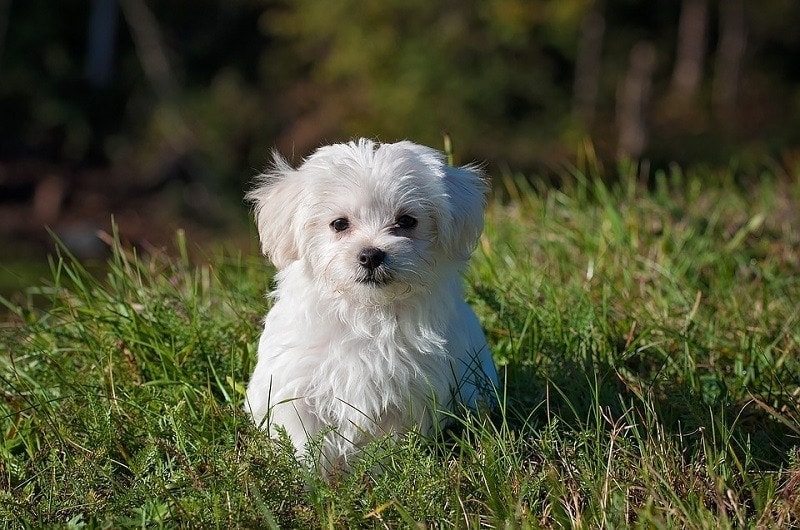
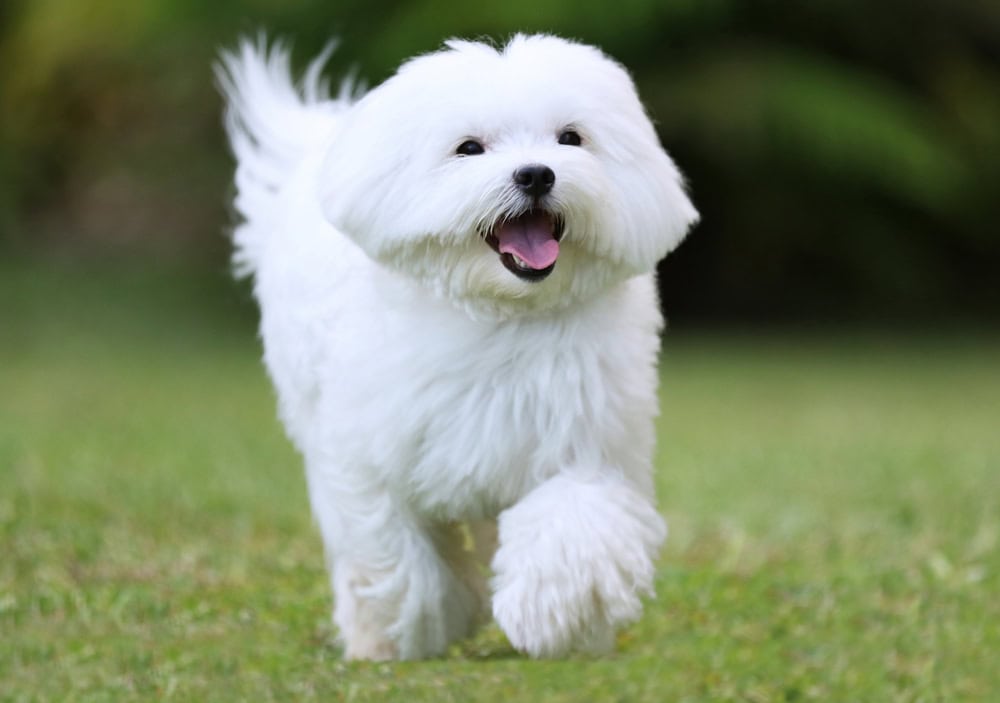
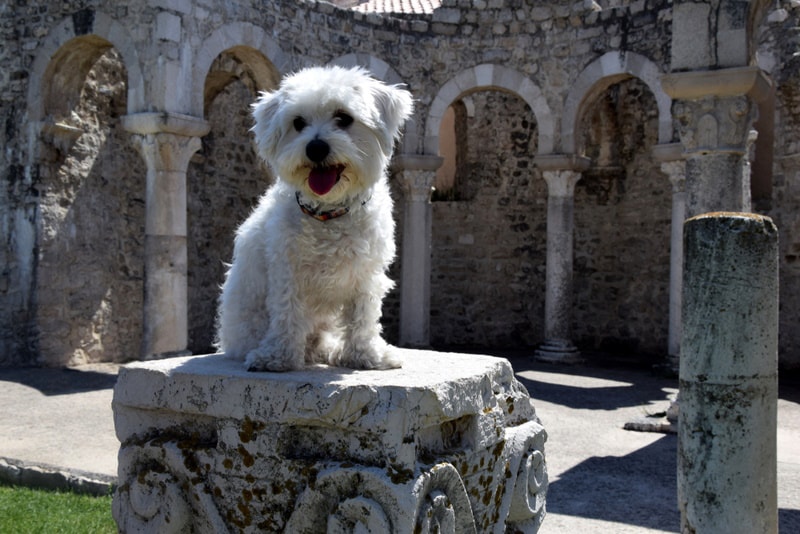
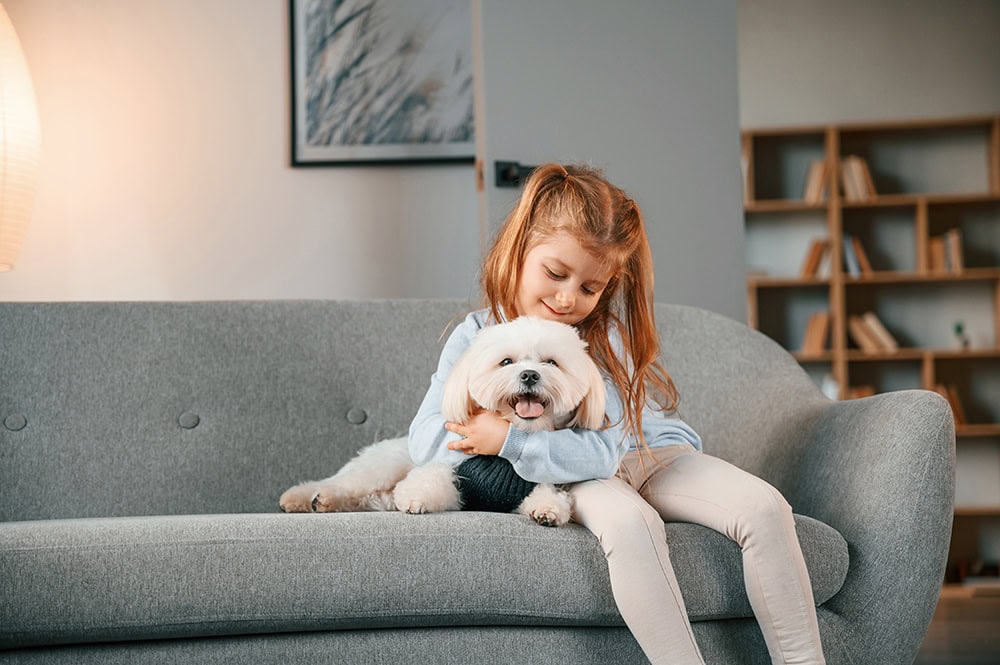
Maltese dogs are toy dogs that have been beloved companions to humans for many centuries. Their adaptivity, alertness, affection, and intelligence, as well as their long, silky, low-shedding coats, are all reasons why this breed is so popular and has been for a very long time. They respond well to positive training and enjoy learning new tricks, which is why they do so well in obedience and agility competitions. However, all young dogs must start with the basics, so we’re going to walk you through how to potty train your Maltese.
Before you start training your dog, be aware of your approach because it will affect how well your dog learns. Use this opportunity to build trust with your dog and form a bond. You need to use positive reinforcement, offer plenty of patience, and be consistent in your training. Let’s get started.

The 10 Tips for Potty Training a Maltese
1. Decide On a Spot
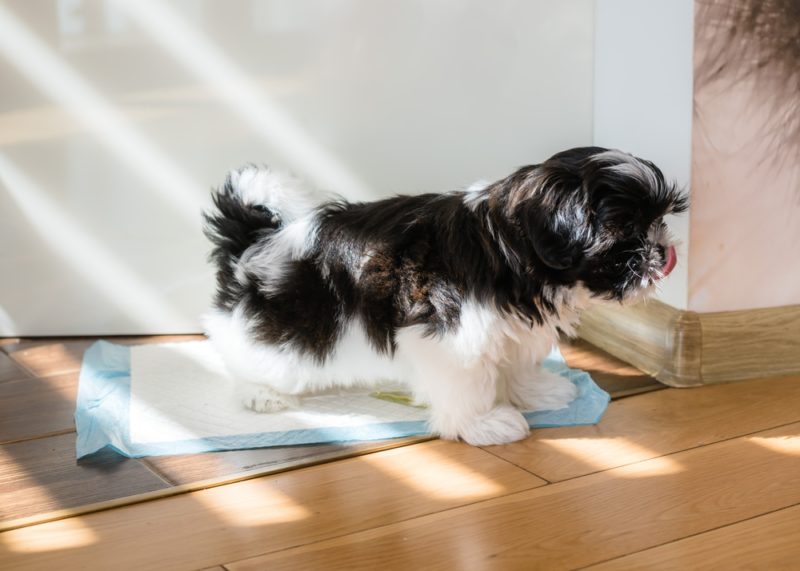
It’s important to pick a spot where you want your Maltese to potty so that when you bring them home for the first time, you can start potty training straight away and establish the habit early. The spot you choose can be on a patch of grass outside, on a turf area, or potty pad somewhere inside your home. If you choose to train your dog to relieve themself outside, make sure that you have a fenced-in yard that is safe for them to potty in.
Whichever spot you decide on should also be the spot you want your dog to potty on in months to come, so avoid training them on a potty pad inside if you want them to potty outside when they’re older, as this can confuse, and you’ll have to re-train them to potty outside when that time comes. It’s best to establish a habit that won’t need adjusting in the future.
2. Decide On a Repeatable Word
Just as taking your Maltese to the same spot each time they need to potty is important, so is establishing a word to use when you want them to eliminate. Your word can be “potty” or something similar, which you’ll use right before they go down to urinate or defecate. By using this word at the elimination area just as they are about to relieve themself, they’ll learn to associate it with relieving themself on cue.
3. Use a Leash
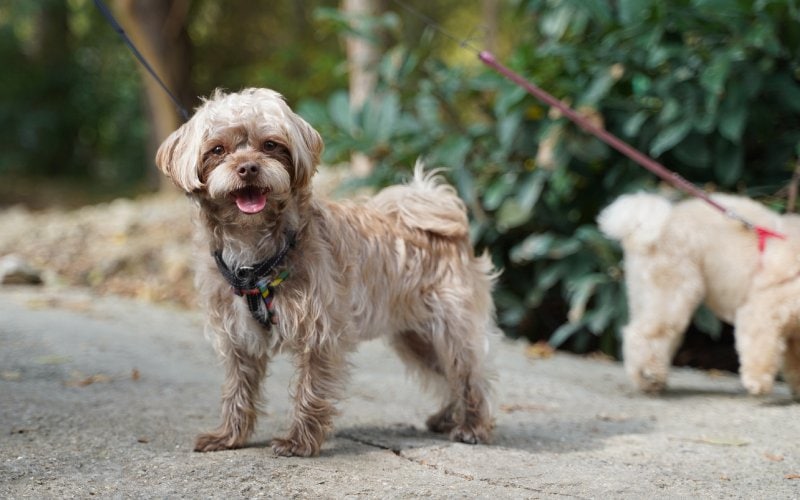
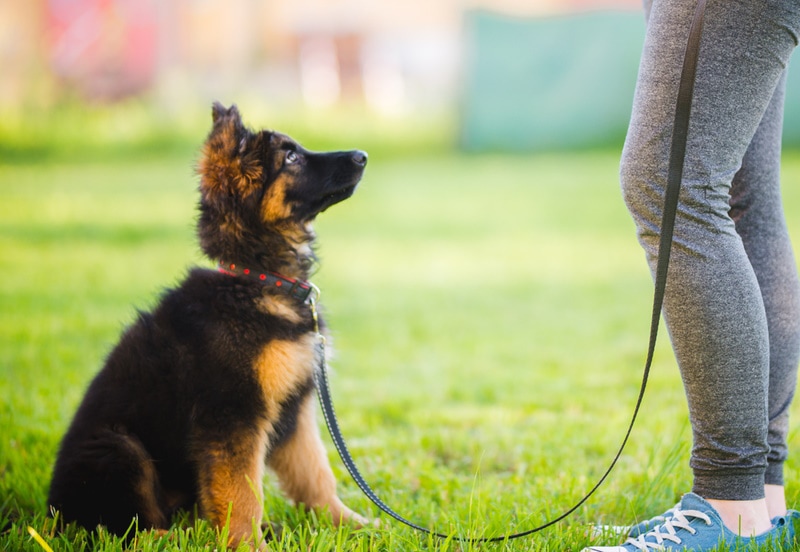
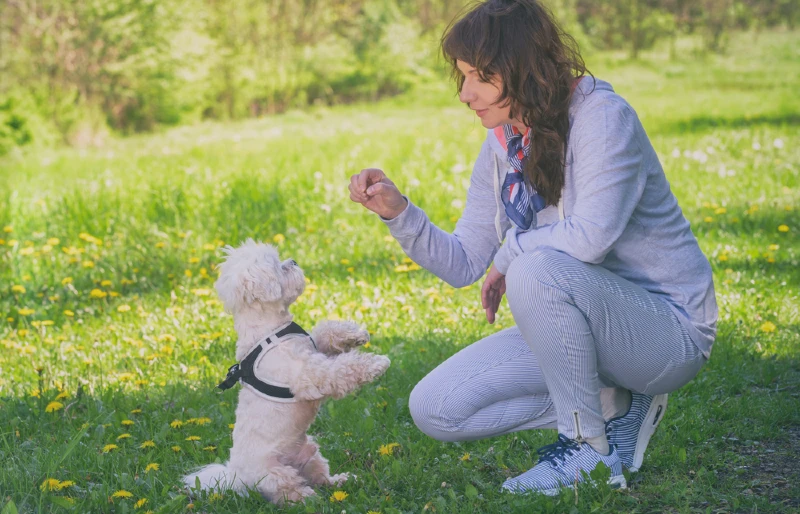
When you start to see signs that your Maltese is ready to eliminate, put their leash on and walk them to the area you want them to potty in. Using a leash is easier as they won’t be able to run off and potty somewhere else. It also gets them used to being on a lead. Wait on or around the area for up to 5 minutes. If they haven’t emptied their bladders within that time, you can leave that area with them and take their leash off but watch for signs of needing to go potty, as they might try soon after.
If you got to the spot and they relieved themselves straight away, remember to reward them with praise or a treat. You can also let them off the lead to play before taking them back inside.
4. Take Them Out Often
If you’re potty training a Maltese puppy, it’s important to remember that they can’t hold in their pee for very long because their bladder is still developing, and they don’t have much control over it. With this in mind, be sure to take them to their elimination area every 2 hours and after every nap, meal, drink of water, or playtime.
The reality is that potty training is more taxing and time-consuming for you as the owner than it is for your dog, but patience and consistency are important to establish the habit quickly. With a little bit of effort, your dog will be relieving itself on its own without any accidents in no time.
5. Praise and Reward Them
Although they can be a little stubborn, Maltese dogs thrive off positive reinforcement and love to please their owners. However, if you respond harshly to them, you’re going to see little progress in their training because they won’t understand what they’ve done wrong and will only grow to fear you. Relieving themselves inside the house or in areas they’re not supposed to be accidental and isn’t done to upset you.
Instead, praise your dog when they relieve themself in the designated area. You can do this by using positive words in an uplifting tone, giving them a pet, or giving them a treat. Positive reinforcement will help them associate their action with the reward and encourage them to keep doing it.
Remember to reward your dog as soon as they’ve done the correct action so that they know why you’re rewarding them. It helps to keep a jar of treats near the designated area so that you can grab one on your way there and be ready to give it to your dog as soon as they are eliminated.
6. Stick To a Feeding Schedule
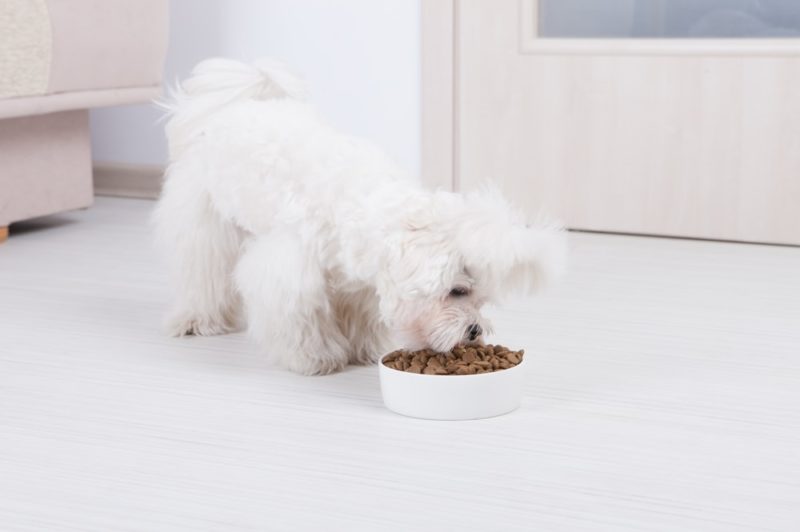
Your Maltese puppy is going to need to be fed around three meals a day, so you can use these times to work with your potty training if you stick to a schedule. Puppies eliminate themselves after big meals, so by feeding them their food at the same time every day, they’ll also eliminate at around the same time each day. This small detail builds consistency for you and your dog and makes potty training easier to manage, with fewer accidents to clean up.
7. Keep Them Enclosed in a Specific Area While You’re Out
When you go out during the day, keep your dog in an enclosed area that is safe and has everything they need, such as a water bowl, a blanket, and toys. By doing this, you’ll have peace of mind knowing they’re safe and haven’t chewed into anything they shouldn’t have. It will also be a place that your pup will recognize as their own space and will likely reduce accidents because dogs don’t like to pee and poop where they sleep.
However, if your Maltese is still a puppy, accidents will likely happen because of their lack of bladder control, especially if you’re out for longer than 2 hours.
8. Have Playtime Outside
Cuddling and light play can happen anywhere but try to keep playtime, exercise, and moments of excitement outside. Also, introduce them to new visitors outside, as the extreme excitement of meeting a new face and receiving a lot of new attention could result in a big puddle of pee. Your pup will likely lose bladder control during these times as well as in moments of fear or stress.
If it’s raining or you can’t go outside for whatever reason, make sure to take them to their elimination area before playtime or any event that could cause them to struggle to control their bladder.
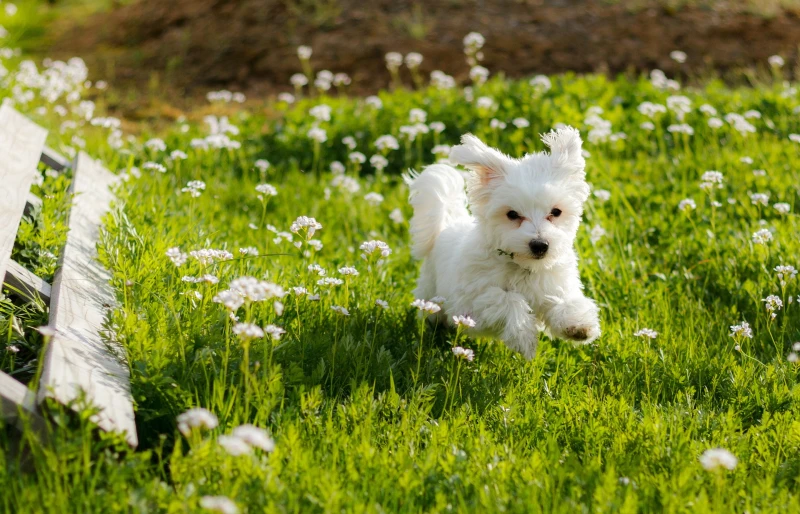
9. Clean Up Accidents Thoroughly
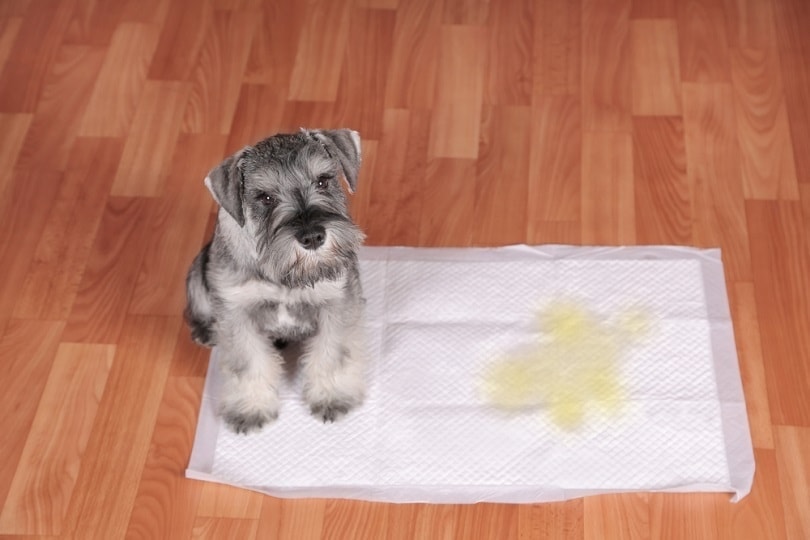
Your Maltese is going to have accidents in undesirable areas around your home, especially in the beginning stage of potty training. Instead of getting upset about it, expect it and take measures to deter them from urinating in the same spots again. One way to prevent re-soiling is by cleaning up their pee or poop properly. If not cleaned properly, the smell left over will encourage your pup to use the same spot again.
When your pup pees on your floor, place newspaper or paper towels over it to absorb the liquid. Once the puddle is absorbed, you can clean that area with a high-quality stain and odor remover spray that will remove the smell and add a nice fragrance to your home instead. These products are often safe to use on a variety of surfaces, so you can use the same spray for accidents that happen on your carpets and furniture too.
10. Introduce More Freedom
You probably don’t want to have to take your dog out to potty every 2 hours for months on end, and the good news is that you won’t have to. As your Maltese grows a bit older and begins to understand where to potty, you can start to extend the periods between potty time. They’ll be old enough to control their bladder better and will understand that they need to hold in their pee until they’re let out to their elimination area.
You can also begin to let them toilet on their own. You’ll want to be close by initially so that you can still give them their cue and supervise, but over time, they’ll learn to do it on their own.
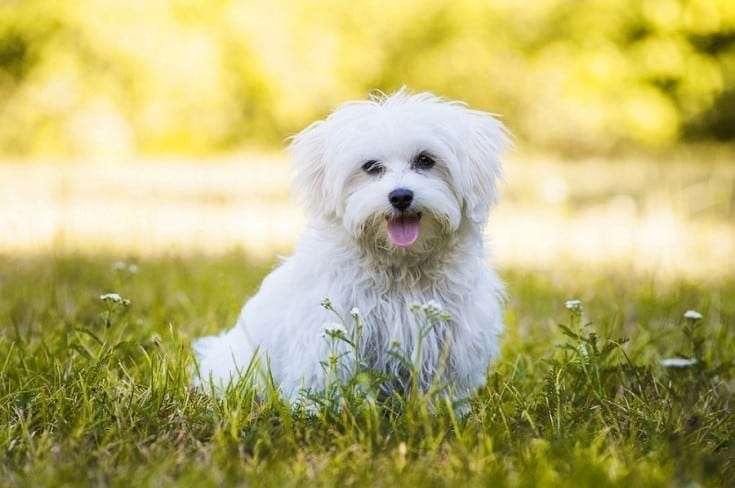

Signs that Your Maltese Needs to Eliminate
Many first-time dog owners struggle with identifying the telltale signs that their dog needs to eliminate. If they miss the signs, they’re going to have an accident on their hands that will need to be cleaned up.
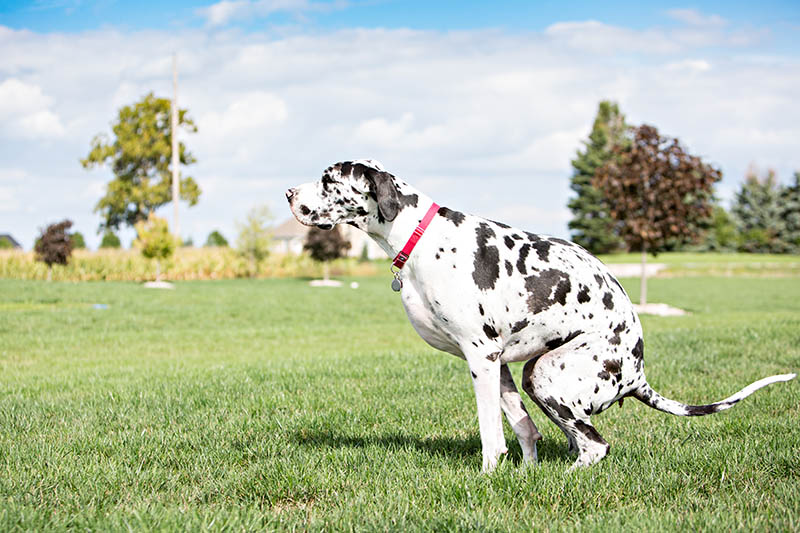
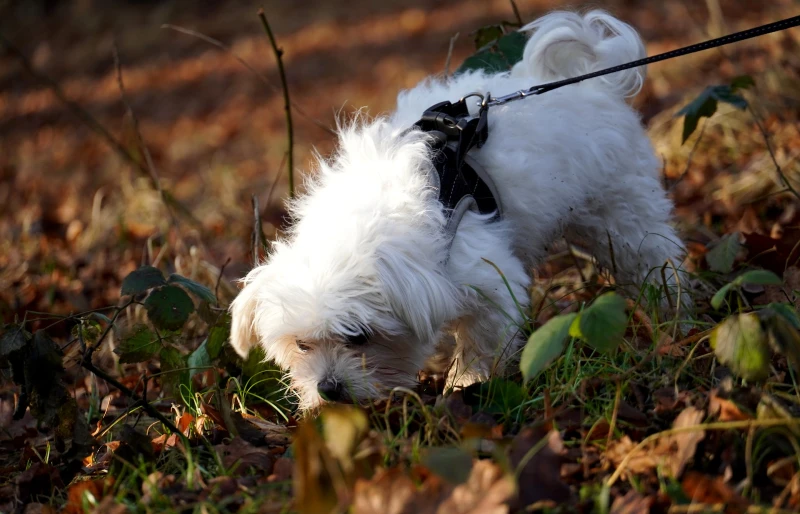
You’ll know your dog wants to eliminate when they stop what they’re doing, start to sniff around, make circles, whine, become agitated, or wander off. You’ll catch these indicators if you’re constantly supervising them and will be able to act quickly by walking them to their elimination spot and giving them the cue to eliminate.
As a rule of thumb, always take your dog to relieve themself during the night, after main meals, after drinking water, after a nap, before and after playtime, and after every 2 hours.
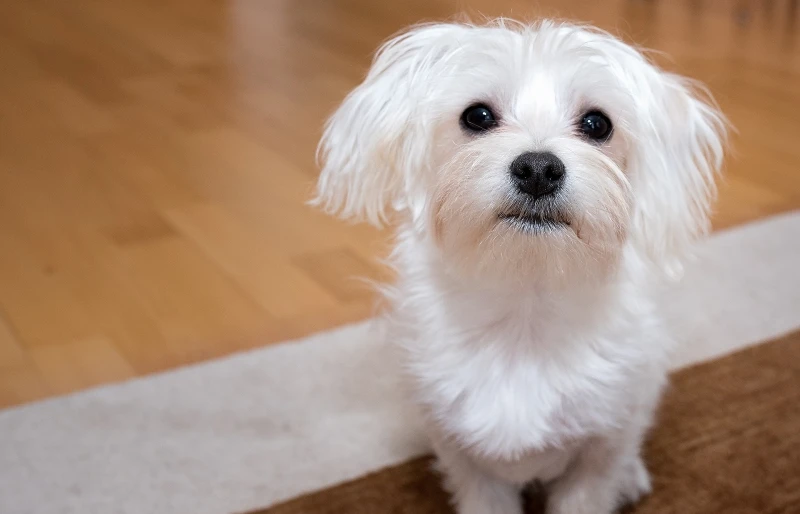
What To Do When Your Maltese Has Accidents
If you’ve spotted your Maltese getting ready to squat, make a noise to grab their attention. This can be through clapping your hands, whistling, or calling out to them. The interruption should give you enough time to get them to their elimination spot, where you’ll praise them for relieving themselves in the right spot.
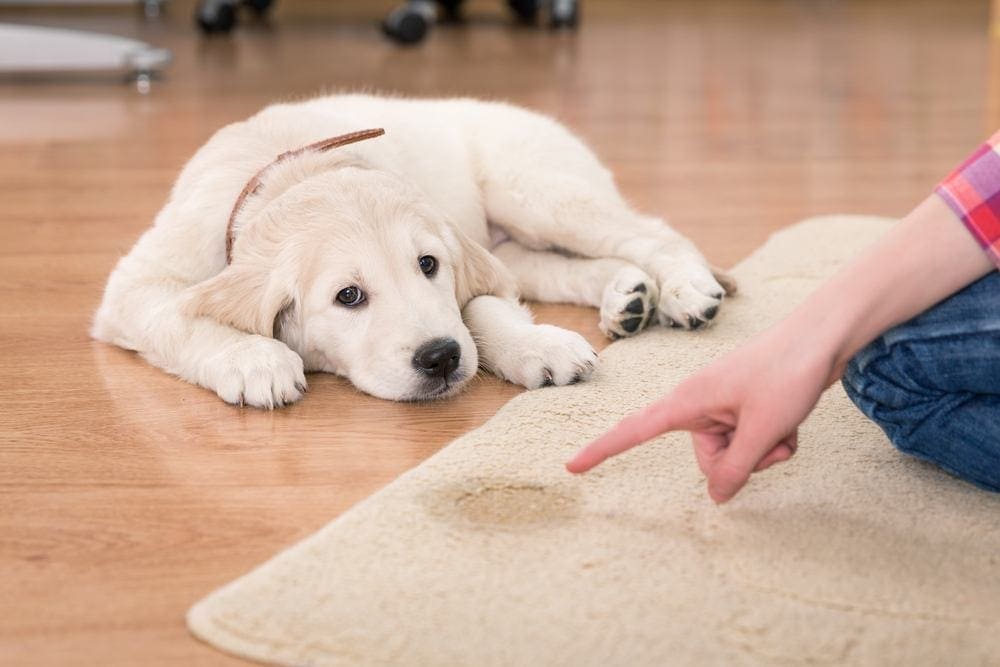
If you didn’t manage to stop your dog in time and they had an accident inside the house or in an undesirable area, don’t bring your dog to it, shove their nose into it, and give them a swat. This isn’t positive reinforcement and will only encourage your dog to try and hide when they need to eliminate, which will make potty training more difficult.
Instead, clean up the area properly to ensure that they don’t feel drawn to return there for their next pee or poop.
Having a pet means cleaning up smells, stains, hair, vomit, and more...and you can add to your pet clean-up routine with the Hepper Advanced Bio-Enzyme Pet Stain & Odor Eliminator Spray.

- ADVANCED ENZYMATIC CLEANER - Penetrates the most stubborn smells and stains at the deepest molecular levels to dissolve any pet mess you encounter and lift it away at the source.
- FOR ANY MESS, ON ANY SURFACE - This pet odor eliminator cleans your carpets, floors, furniture, fabrics, and more. Whether it's urine, feces, vomit, or drool, you can erase all foul spots and smells!
- FRESH, NATURAL ODOR - Our unique formulation doesn't rely on dangerous or unpleasant chemical fragrances to get the job done. We eradicate smells and stains, not just cover them up.
It's our product, and we love it so much, we just have to share! It permanently removes the very worst smells and stains, and we offer a 100% satisfaction guarantee!

Conclusion
Potty training your Maltese can be a challenging task that takes a lot of patience, consistency, and love. Remember to praise your dog when they eliminate in the correct area, and don’t lose your temper if they have an accident in an area they shouldn’t. Constantly supervise your pup and look out for signs of needing to go. By acting fast, getting them to their elimination area, and praising them for their action, they’ll quickly understand what you want them to do.
Sources
Featured Image Credit: Pezibear, Pixabay
Get Hepper In Your Inbox


Pet care tips from our vets and experts, straight to your inbox.
You may opt-out at any time. View our Privacy Policy for more information.

Keri-Beth is from South Africa and is a freelance writer who specializes in the pet niche. She has grown up with a range of pets, volunteered at countless pet shelters, and is highly passionate about pet care. Currently, Keri-Beth is raising two dogs - Benji, the Golden Cocker Spaniel, and Gracie, the Boerboel. With so much information out there, Keri-Beth has made it her mission to make pet care as easy and straightforward as possible.
In her spare time, Keri-Beth enjoys camping, photography, and spending time with her husband, who is a professional drummer. She not only has a heart for pets but people too.
Join the conversation
Ask a question, share your story, or send private feedback.