Hepper is reader-supported. When you buy via links on our site, we may earn an affiliate commission at no cost to you. Learn more.
Can Fresh Pet Food Be Frozen? Vet Reviewed Facts to Consider


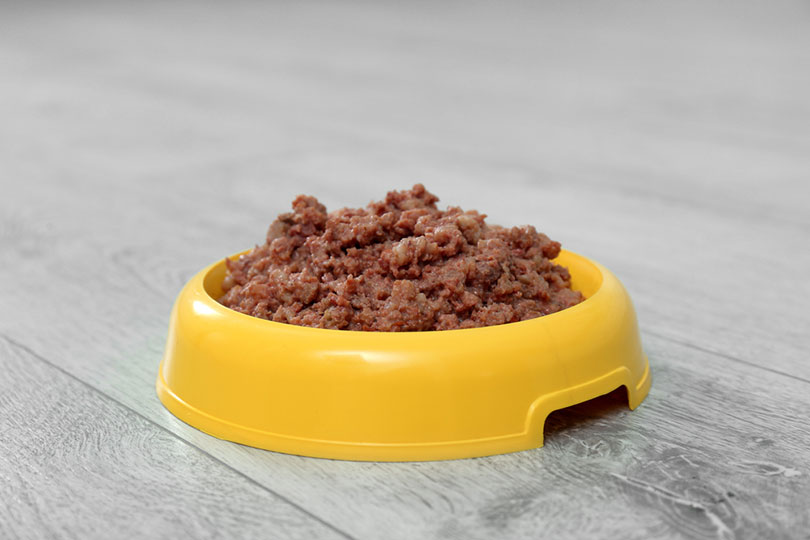
Fresh pet food is all the rage these days! Many people are becoming more conscientious about what they feed their pets, and fresh pet food is an excellent alternative to traditional kibble and canned foods. But whether you’re making your own food or subscribing to a fresh food delivery service, keeping the food at its freshest is essential!
So, can you freeze fresh pet food? Absolutely! Just like any fresh food, freezing unused portions is the perfect way to preserve it.
Here, we get into the nitty-gritty of freezing your pet’s food in a way that will keep it at its freshest, and we also cover the best ways to store any other pet food that you might have.

First of All, What Is Fresh Pet Food?
First of all, what exactly is fresh food? This depends on whether you’re purchasing a subscription pet food or making it yourself.
1. Subscription Fresh Pet Food
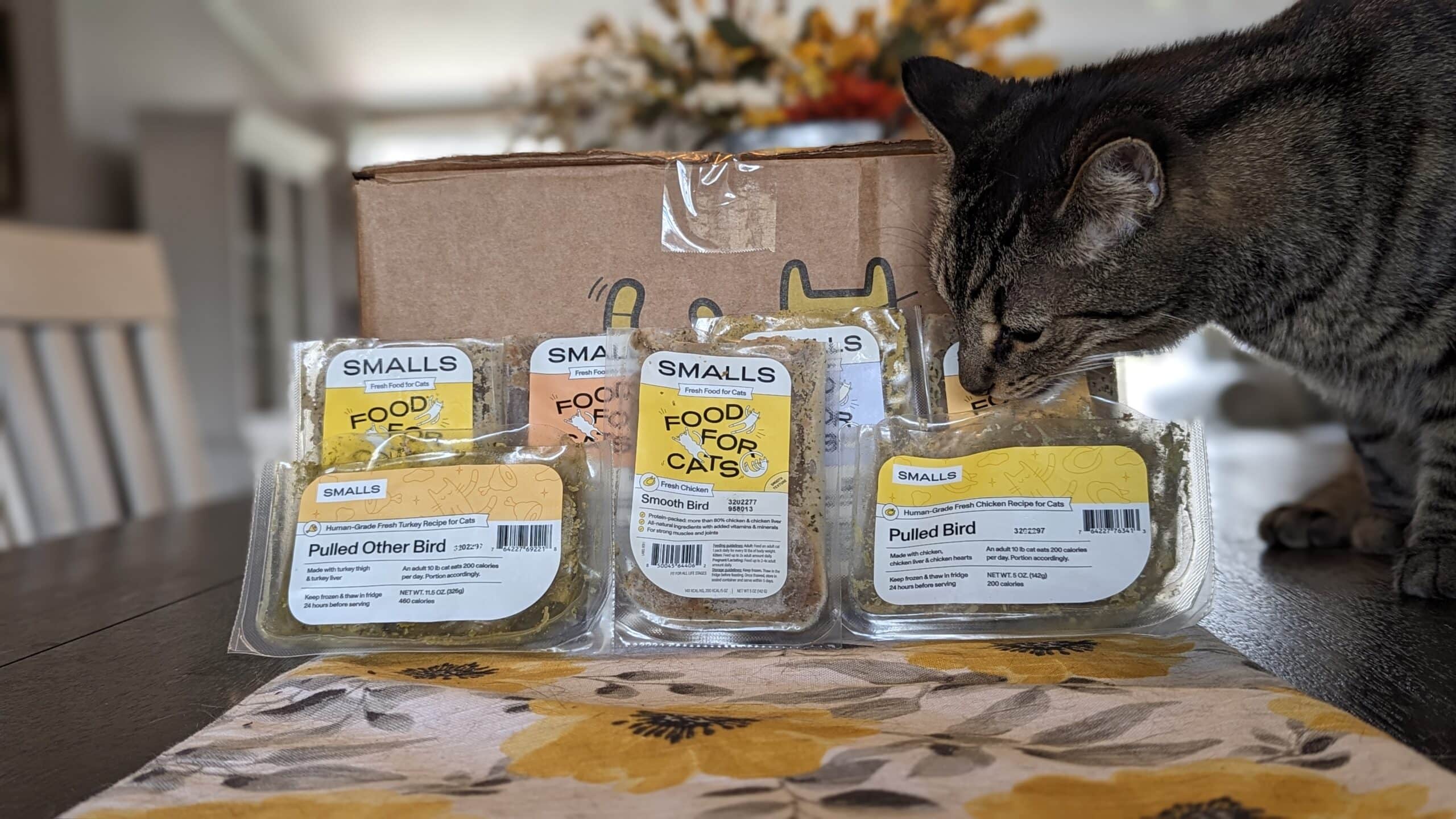
There are many companies out there that manufacture human-grade fresh pet food. For example, Smalls offers both fresh and freeze-dried foods for cats that don’t contain any artificial ingredients. It’s full of whole meats, fresh veggies, and added vitamins and minerals.
Smalls cat food arrives packed with dry ice to keep it cold, and many other fresh food companies do the same, typically with vacuum-sealed packaging or in containers.
All these factors are similar regardless of the company: fresh food with no artificial ingredients shipped to your door in refrigerated packaging.
Many of these companies also sometimes include a “fresher” version of kibble and freeze-dried food, which are shelf stable, and some offer raw food options.
2. Homemade Fresh Food
The rules for making your own pet food are similar to purchasing fresh food from a company. Homemade food made with fresh ingredients needs to be refrigerated or put in the freezer, depending on how much you make at a given time.
There are plenty of homemade cat and dog food recipes available. Just double-check with your vet before switching your pet’s food to ensure that you’re using the right ingredients and that your pet’s meals are nutritiously balanced.
If you prefer to make your pet’s food one meal at a time, you don’t have to worry about storage or the best ways to preserve it. But any food not eaten shouldn’t be left in the bowl, but rather refrigerated or thrown away. However, if you make large batches, you’ll need to find the best ways to store them.

To Freeze or Not to Freeze
Now that we have the food, we should discuss the general rules for preserving it properly.
The rule of thumb is that fresh food should only be refrigerated for about 3 to 5 days but no longer than 7 days, and it can be kept in the freezer for about 12 months.
If you’re purchasing food from a fresh pet food company, refer to their directions because they know their product the best.
Freezing your pet’s food might change the makeup and texture of the food once you’ve thawed it, but the food should retain all its nutritional value.
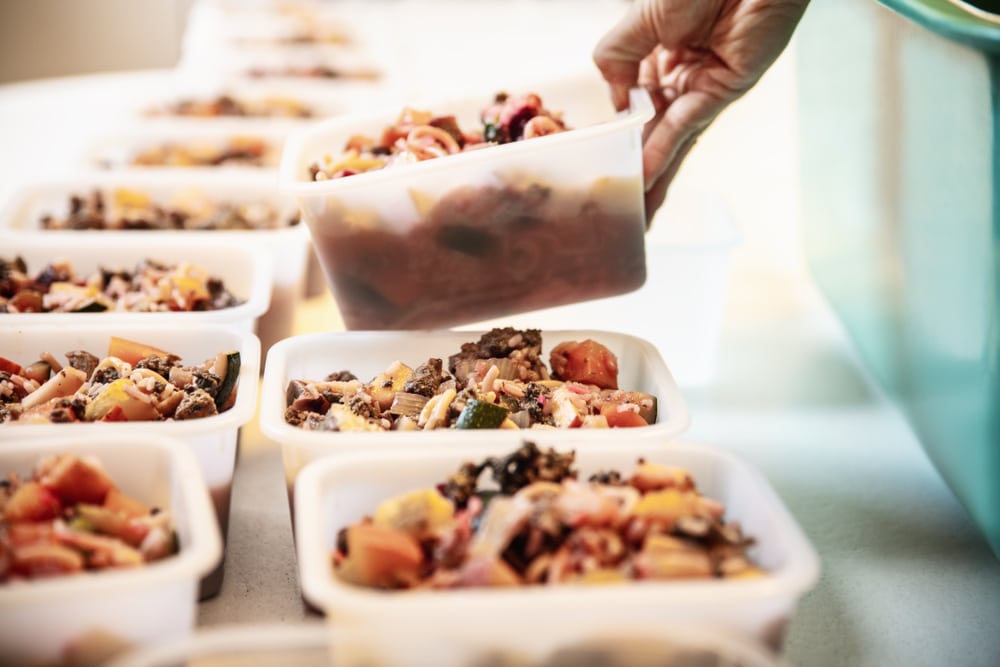
Freezing the food when you’re making it yourself can make life easier for you. You can freeze it in individual packs that make up one meal for your pet. But if you don’t have much freezer storage space, consider only making enough food for a few days.
The Art of Freezing Pet Food
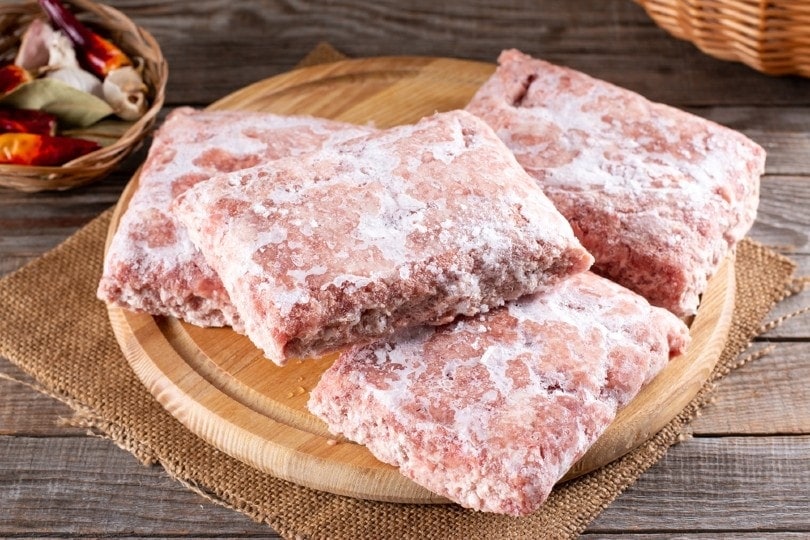
So, now that you’ve opted to freeze your pet’s food, there is a right way and a wrong way to do it.
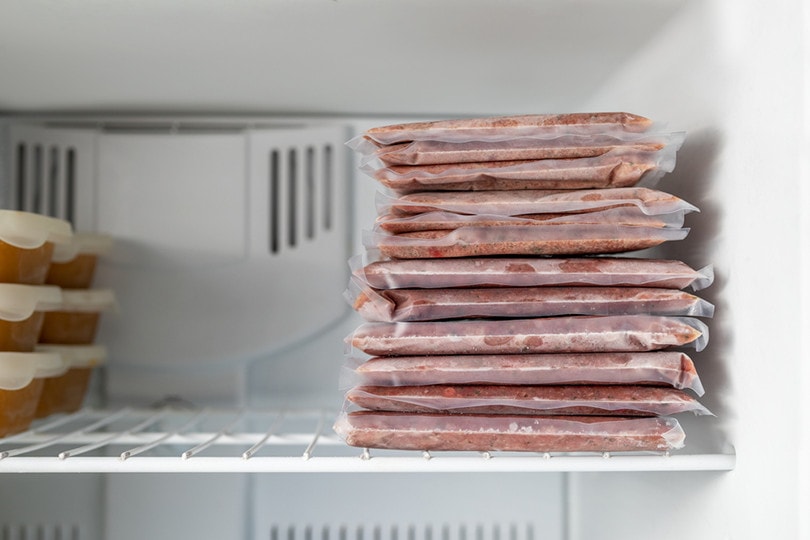
When you first receive your food delivery or you’ve finished cooking it, if you intend to freeze it, put it in your freezer right away (ensure that it’s cooled first). You should only keep enough food in the fridge for up to 5 days to a week. This way, you’ll have enough fresh food for your pet in the fridge, and the rest can be stored in the freezer.
You should take any food out of the freezer and put it in the fridge to thaw about 24 hours before you need it.
Freezing the food does require equipment. If you’re using a subscription service, you can usually just freeze the food in the bags or containers that it comes in. Otherwise, you’ll want freezer bags or airtight containers for properly storing the food.
Before sealing it, you must push out as much air as possible from the container or bag. If you’re going to be regularly freezing your pet’s food, consider investing in a vacuum sealer. It will vacuum out all the air, which can preserve food as much as five times longer than the usual way.
Any air left in the bag or container can lead to moisture loss from the food, which causes the formation of ice crystals and leads to freezer burn. While it is still safe to eat, it becomes tougher and much less tasty. Be sure to put labels with the date and contents on the bag or container.
Storing Dry Food
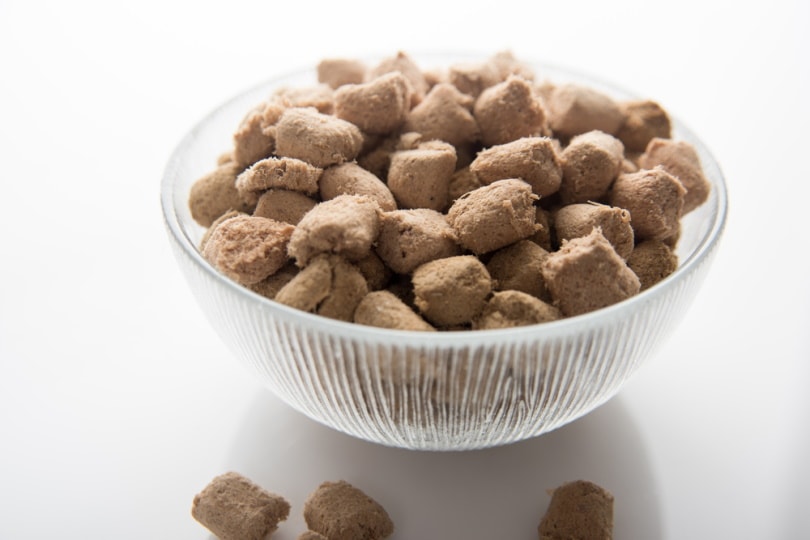
The rules are generally the same, whether the dry food is also from one of the fresh food subscription companies or something that you picked up at the grocery store. Just know that specialty food has a shorter lifespan.
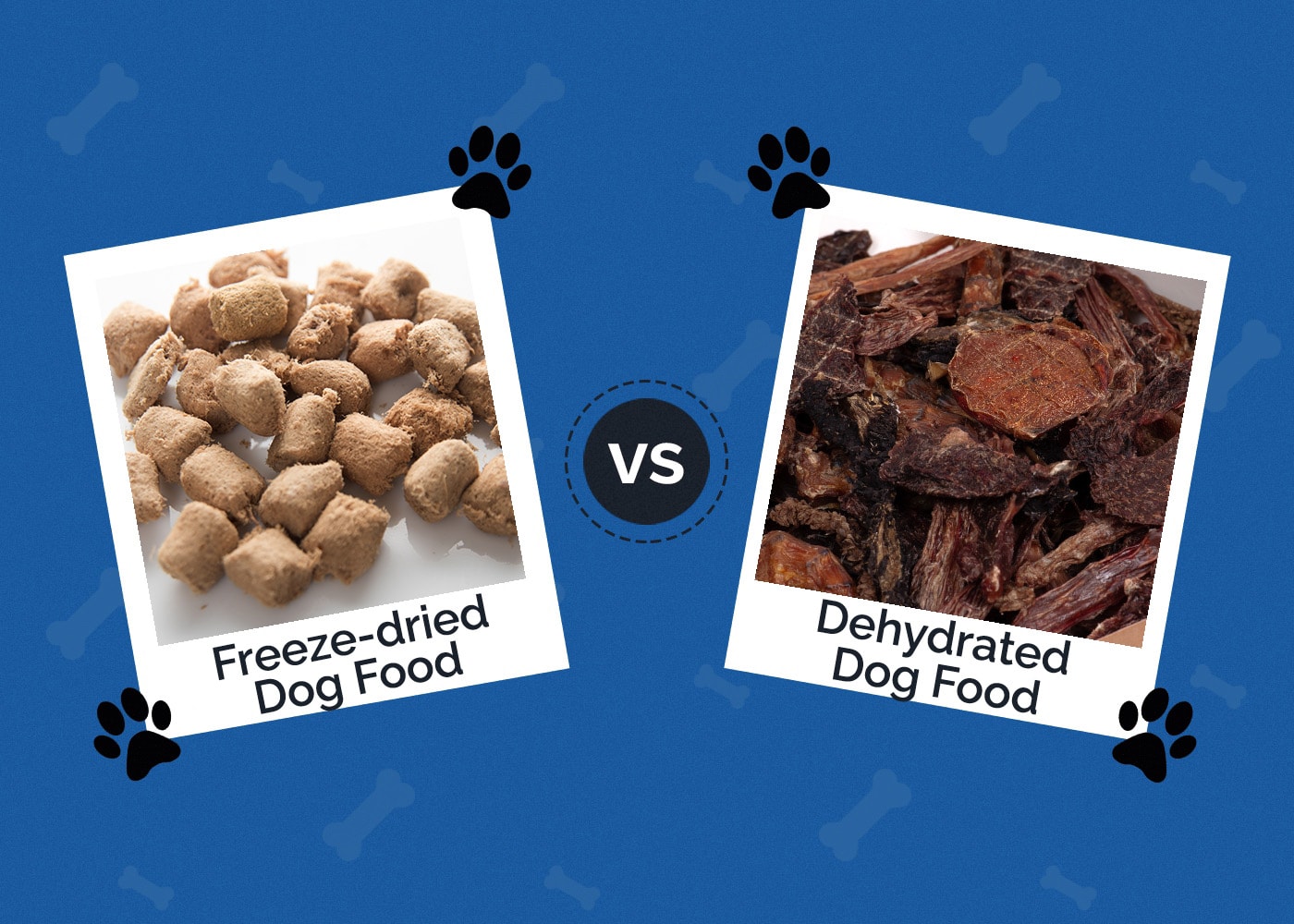
Freeze-dried food can usually be stored unopened for up to 18 months, but once you’ve opened it, it should be served within 30 days.
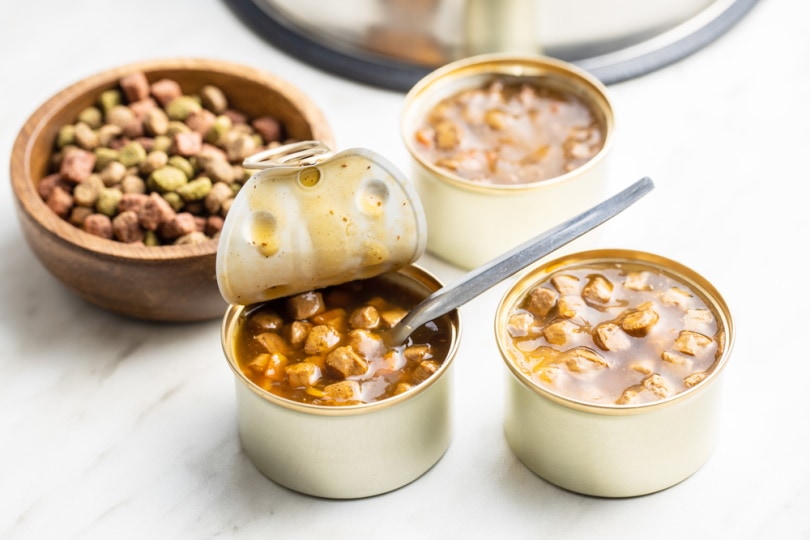
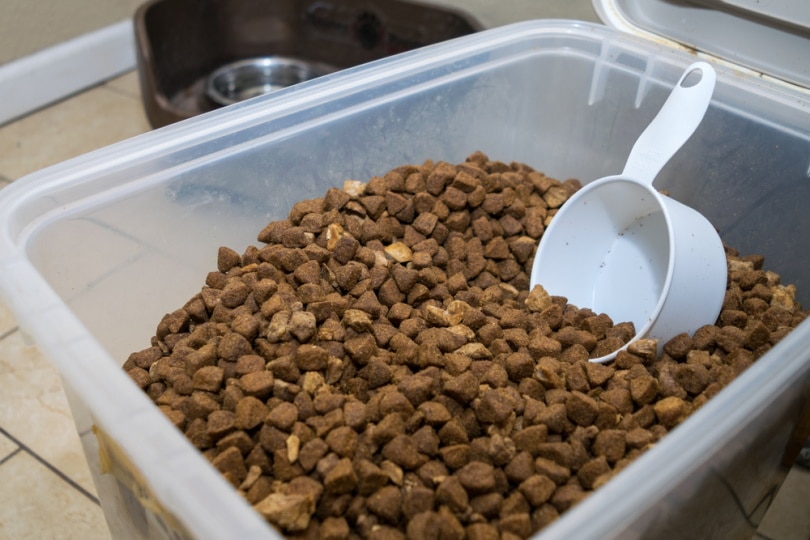
It’s imperative to store any kibble in its own bag. The bags are designed to retain freshness and keep out the elements. The biggest enemies to any food are pests, air, heat, light, and humidity, all leading to faster deterioration. The original packaging helps keep all of that out, so the best way to store kibble is to clip the bag shut and put it in an airtight container.
But if you are purchasing more of a specialty pet food, refer to the company’s instructions on the best ways to store it.

Thawing and Defrosting
Thawing Frozen Food
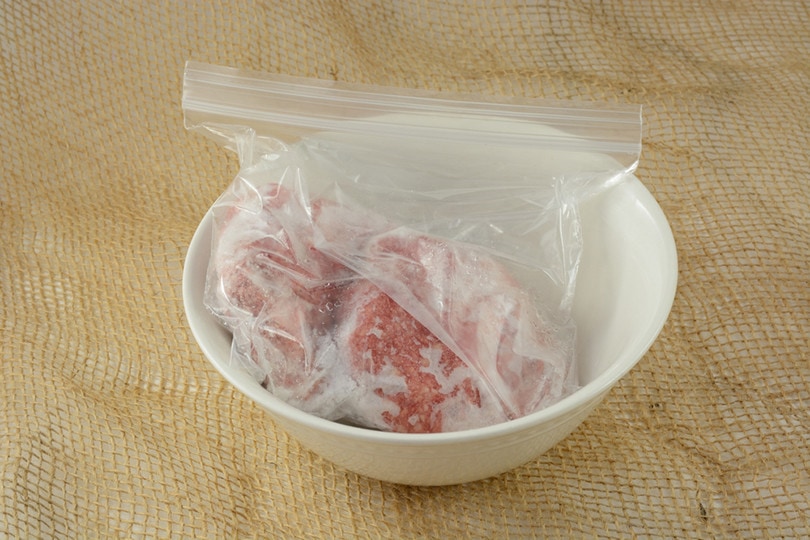
The best way to thaw food is to put it in the refrigerator approximately 24 hours before you need it. However, keep in mind that once the food has thawed in the fridge, it needs to be eaten within 4 to 5 days.
The safest way to defrost your pet’s food is in the fridge, which is also why it’s best if you store the frozen food in individual packaging. The larger the container of food, the longer it will take to defrost in the fridge.
Defrosting Using Cold Water
Sometimes we need our pet’s food sooner than 24 hours, so there are a few tricks that you can do. While the food is still in its bag or container, submerge it in a bowl of cold water that you change every 30 minutes or so. One individual meal of about 10 ounces could take around an hour to defrost.
The disadvantage of using this method is that you can’t refreeze any unused portions, whereas if it defrosts in the fridge, you can refreeze.
Defrosting in the Microwave
While microwaving frozen food is the fastest method for dethawing, it isn’t always reliable, particularly since the microwave tends to heat things unevenly.
Put the food in a microwave-safe container, and use the defrost setting or set the power level to 30%. Check the food every minute or so until it’s ready.
Like with the cold-water method, any food not eaten should be discarded, as microwaving can lead to bacteria growth.

Conclusion
While freezing fresh food isn’t ideal, it is a viable option when you’re stocking up on food for your pet. It retains all the nutrients, as long as you don’t leave it in the freezer long enough for it to get freezer burn. A vacuum sealer would also be helpful.
Remember to talk to your vet before switching your pet to fresh food, particularly if they have any health issues. If you’re making homemade pet food, definitely speak to your vet, as you’ll want to be sure you’re giving your pet the right balance of nutrients, vitamins, and minerals.
Featured Image Credit: Tatjana Baibakova, Shutterstock
Get Hepper In Your Inbox


Pet care tips from our vets and experts, straight to your inbox.
You may opt-out at any time. View our Privacy Policy for more information.
Kathryn was a librarian in a previous lifetime and is currently a writer about all things animals. When she was a child, she hoped to work in zoos or with wildlife in some way, thanks to her strong love for animals. Unfortunately, she's not strong in the sciences, so she fills her days with researching and writing about all kinds of animals and spends time playing with her adorable but terribly mischievous tabby cat, Bella. Kathryn is hoping to add to her family in the near future – maybe another cat and a dog.
Join the conversation
Ask a question, share your story, or send private feedback.