Hepper is reader-supported. When you buy via links on our site, we may earn an affiliate commission at no cost to you. Learn more.
Are Plastic Containers Bad for Dog Food Storage? Vet-Reviewed Facts


In this article
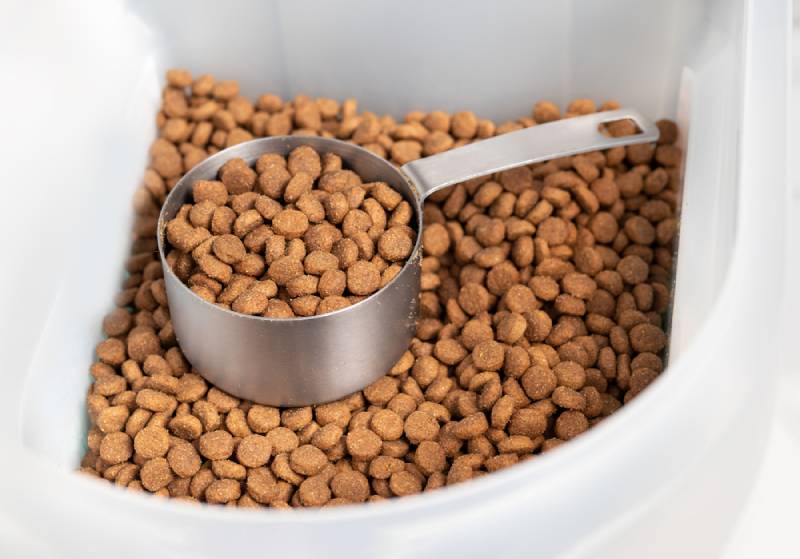
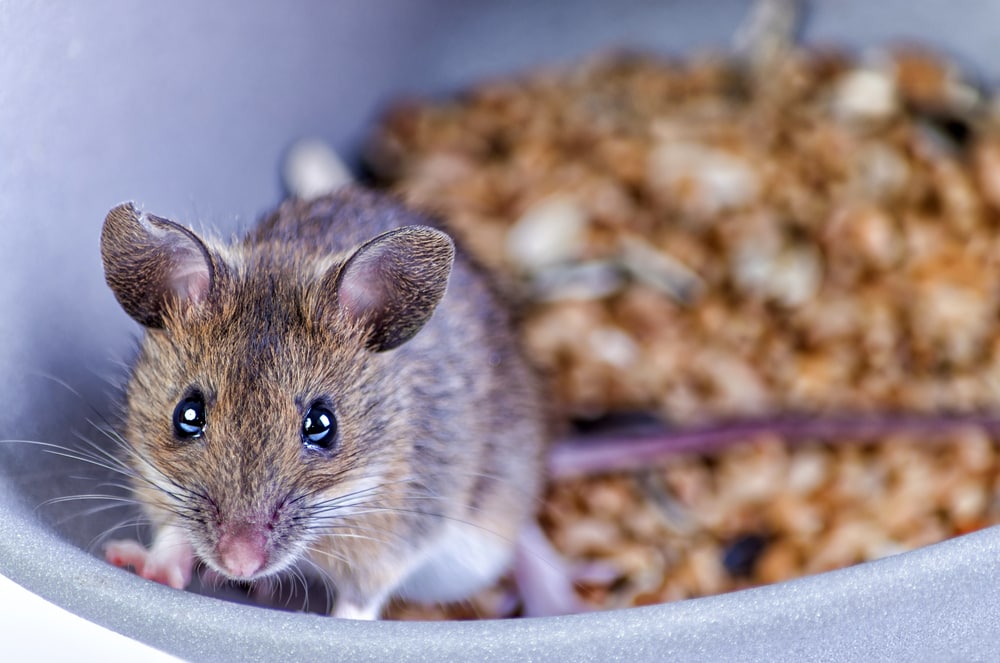
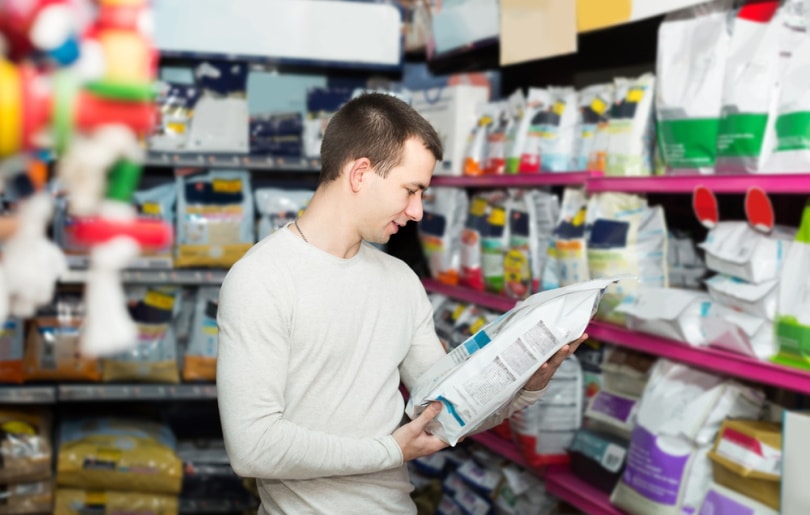
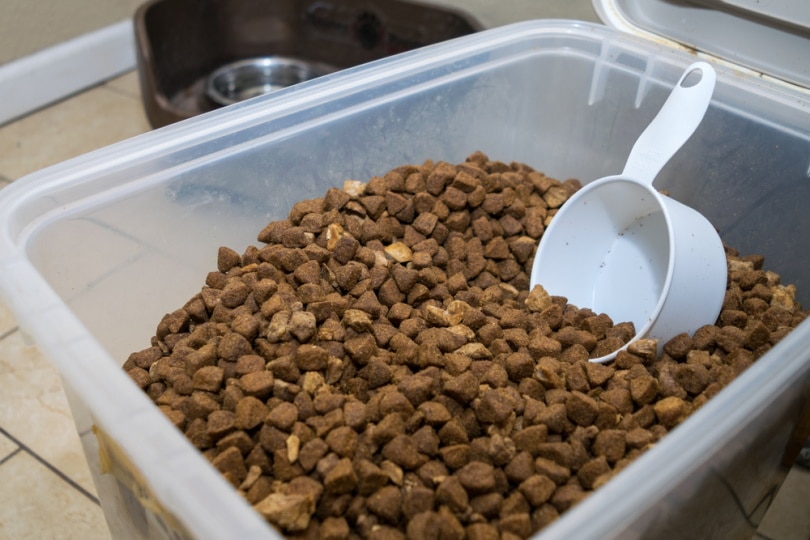
Some pet owners find that buying their dog's food in bulk is the easiest thing to do. It can be cost-effective and convenient to buy large bags at a time, especially if they're on sale. But once they’re opened, large bags of food can be problematic if they aren’t consumed quickly. The food can go stale, your dog can get into it and overeat, and worst of all, it can attract insects and rodents.
To avoid these issues, a proper storage container is necessary. They are available in many materials, one of which is plastic. You may be wondering if a plastic container is safe for your dog’s food. Plastic dog food storage bins aren’t bad in general, but specific ones can be. Read on to find out more about pet food storage.

Can I Use a Plastic Container for My Dog’s Food?
Plastic dog food storage bins aren’t bad in general, but specific ones can be. It’s important to know how to choose one and make sure it’s safe. It’s difficult to tell how a dog food tastes to a dog because we can’t taste it ourselves and don’t know. But if your dog is usually a voracious eater and has since started to become less enthusiastic about eating, their food may taste bad to them. Of course, any time your dog’s appetite changes, you should talk to your vet to rule out a potential health problem1. Sometimes, a dog's food has gone stale or rancid, and we have no way of knowing. In this case, they may not be eating because their food tastes horrible.
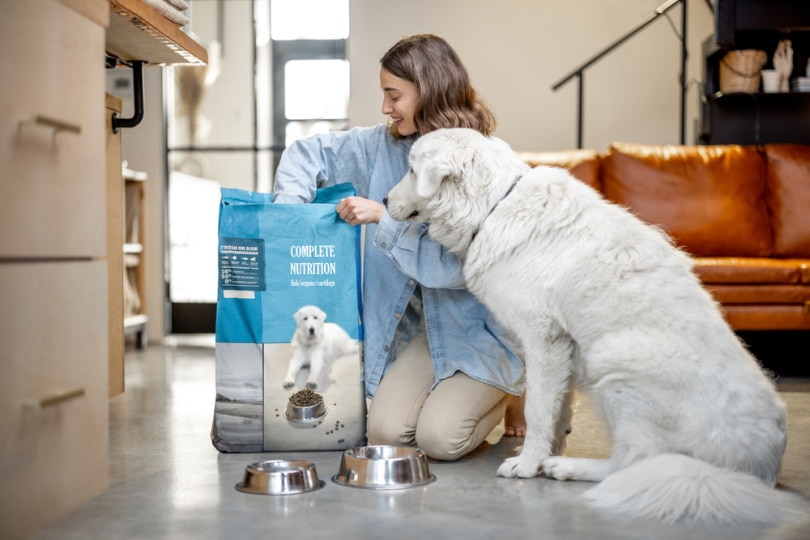
How to Choose a Dog Food Storage Container
The danger of a plastic dog food storage container is bisphenol A2 (BPA). This is an industrial chemical that is used sometimes to make dog food containers. If the container is made with BPA, it means that over time, the chemical can leach from the plastic and seep into your dog’s food. The FDA is monitoring the research on this and has reported that very low levels of BPA may not cause harm.
Some pet owners don’t want to take the risk, though. Fortunately, there are options available for plastic dog food storage containers that do not contain BPA. If you are concerned about this chemical coming into contact with your dog’s food, research storage bins that are not made with BPA, or choose stainless-steel bins instead. Stainless steel never contains BPA.
You also want to make sure the container that you choose has an airtight seal. Some countertop jars are stylish, but the lids don't close tightly enough to form a seal. The goal should be to choose a container that keeps your dog's food fresh and dry for long periods and does not run the risk of leaching chemicals.
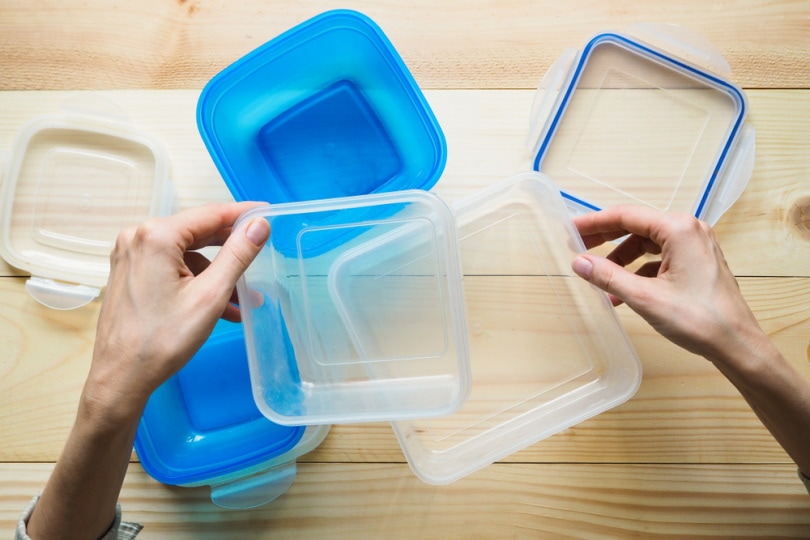
What Else Should I Know About Dog Food Storage?
Some pet professionals are saying that pouring dry kibble from a bag into a bin is not the best way to store your dog’s food. The opened bag should instead be closed and placed entirely in the bin. There are two reasons for this.
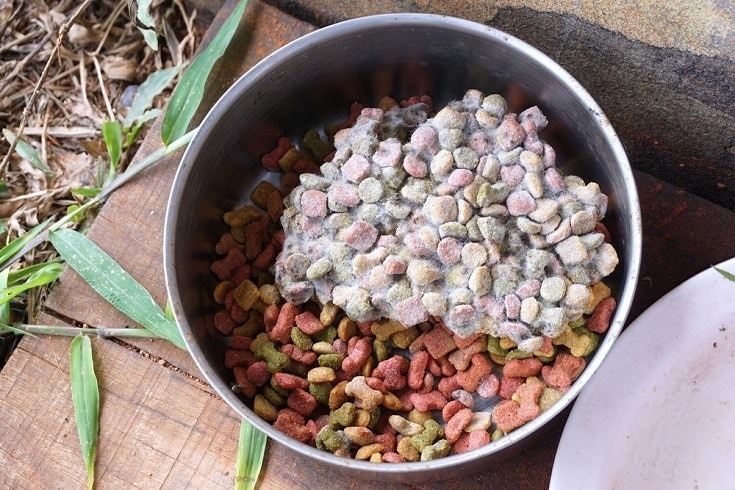
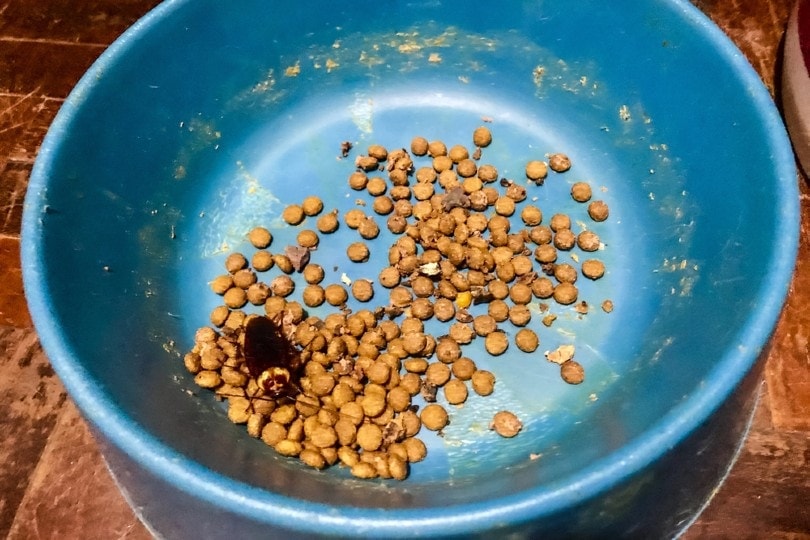
First, it keeps your dog’s food safe from any chemicals that may be in the plastic. The dog food bag is the safest place for the food to be. Second, when dry kibble is poured into the bin, fat and oils from the food can coat the bin’s interior. Over time, these can go rancid and then contaminate your dog’s food. Coated storage bins also invite mold growth and attract insects.
Dog food should always be kept in a cool, dry place. If the food is exposed to humidity, heat, sunlight, or water, it should be discarded. If the bag of dog food gets wet, it should be thrown away.
If you buy your dog’s food in bulk, keep in mind that the shelf life for unopened dog food is usually 1 year. The bag can protect it from oxygen, moisture, and bacteria, but this is only true if it’s completely sealed. If there is a tear or rip in the bag, no matter how small, the food should be stored in an airtight container. If the food is exposed to oxygen, it will not have a long shelf life.
Be sure to pay attention to the expiration dates printed on the bag. Even if the bag isn't open, do not feed your dog any food that has expired.
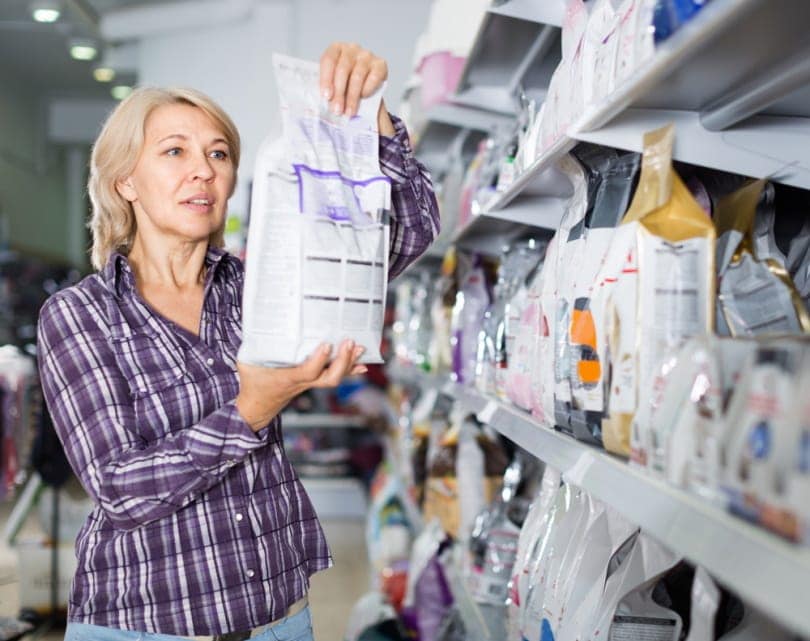
Keeping Your Dog Safe
Here are a few tips to keep your dog safe from food contamination.
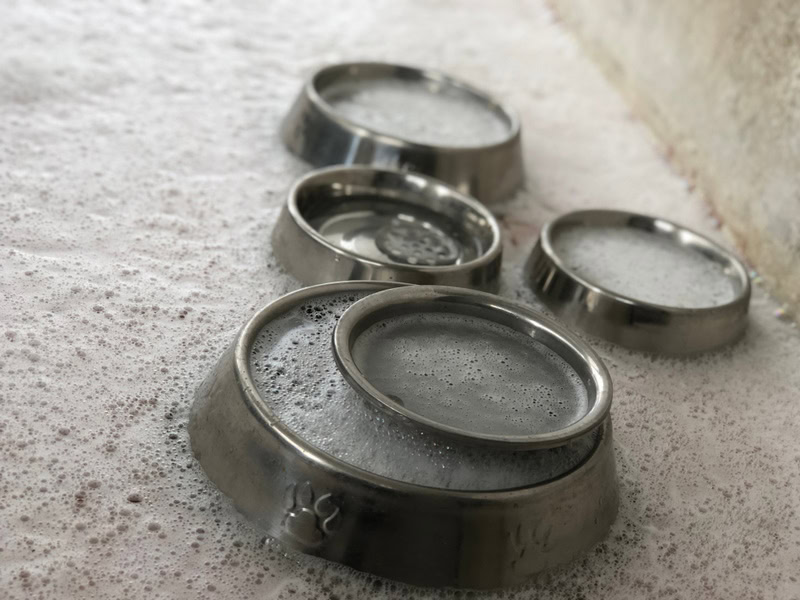
- Wash your dog’s food and water bowls every day with antibacterial soap and warm water. Water bowls, especially if they aren’t cleaned properly, can grow mold. Food residue left on dishes can become rancid and cause your dog to ingest harmful germs that can make them sick.
- Wash your pet food bin. Instead of just pouring a new bag of food into the bin, wash the bin with soap and water, and dry it thoroughly. To make sure no moisture remains, leave it out with the lid off for 24 hours so it can air dry the rest of the way. If the bin still has food in it, empty it out, or use it all up before you open the new bag of food. Wash any dog food scoops.
- Don’t store your pet’s food in the garage where it can get too hot and attract rodents. Even unopened bags of food can be easily accessed by animals that want to get into them. Store your dog’s food where you’d store your own food to make sure it’s temperature controlled and dry.
Conclusion
Most plastic storage containers for dog food aren’t bad, but they can be harmful if they’re made with BPA. When you choose a storage container, select one that does not contain this chemical. Follow these tips to keep your dog’s food properly stored and safe. Remember to wash your dog food storage bin regularly, and wash your dog’s food and water bowls daily. We hope that you’ve enjoyed these tips and have learned a few ways to store your dog’s food without risking their health.
Featured Image Credit: APN Photography, Shutterstock
Get Hepper In Your Inbox


Pet care tips from our vets and experts, straight to your inbox.
You may opt-out at any time. View our Privacy Policy for more information.
A lifelong resident of Chicago, Jessica has shared her home with furry, feathered, and scaly pets for over 30 years. Her passion for animals began at a young age and led to her eventually owning and operating a pet care company. She is now a full-time writer and spends her days writing about all types of animals. Jessica and her husband Dominic enjoy city life and have turned their backyard into an oasis for the neighborhood birds and squirrels.
Join the conversation
Ask a question, share your story, or send private feedback.