Hepper is reader-supported. When you buy via links on our site, we may earn an affiliate commission at no cost to you. Learn more.
Prey Drive in Dogs: Understanding & Learning to Manage It


In this article
Why do some dogs chase anything that moves—like the neighbor's cat, the squirrel on the path, or even the harmless spider in the living room—while others can gaze blissfully at a butterfly without moving an inch?
There is no simple answer to this question, but understanding prey drive is a good place to start. As you may know, all dogs possess hunting instincts, which come from their gray wolf ancestors. These natural instincts have been noticeably lost or diluted in some breeds, while they have been encouraged in others, especially those bred for hunting or herding purposes.
If you are looking for a way to better manage this trait in your beloved dog, understanding and monitoring your pet’s prey drive is essential to ensuring their safety and that of other animals in your environment.

What Is a Prey Drive in Dogs? How Does It Work?
Prey drive can be summed up as an instinctive behavior that serves a survival purpose in wild canines. It is a strong motivation to hunt, capture, and sometimes even kill small animals. Some breeds have maintained a strong prey drive due to selective breeding and their historical roles as hunters or herders. However, the intensity of the predatory instinct does vary from dog to dog, even within the same breed. Genetics, early socialization, and training can influence the level of prey drive that a dog displays, but it also depends on each dog's temperament.
Moreover, there’s a vital prey drive concept that pet parents need to understand: A dog with high predatory instincts is not inherently "aggressive" toward other animals. Their prey drive is simply rooted in their genetics and instincts. Dogs with strong predatory instincts are driven by “positive” emotions and the desire to get closer to their target; aggressive dogs are driven by other strong emotions like fear.
This is a good thing to keep in mind when trying to manage a dog's strong prey drive, as it usually doesn't include a negative emotional component. That means a dog with a high prey drive can be easier to manage, while emotion-based aggression is harder to overcome.
What Are the Different Types of Prey Drive in Dogs?
The prey drive in dogs can be categorized into five different types. However, these are not "strict" categories, as a dog can show several types at the same time.
Types of Prey Drive in Dogs:
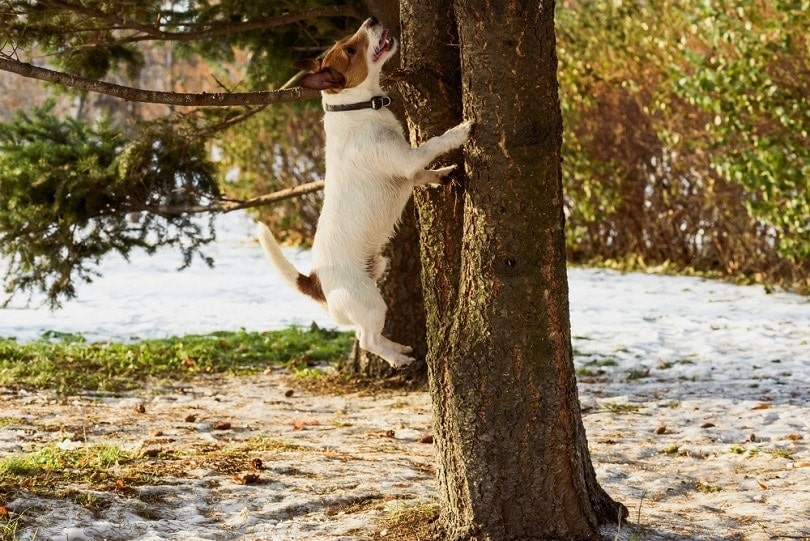
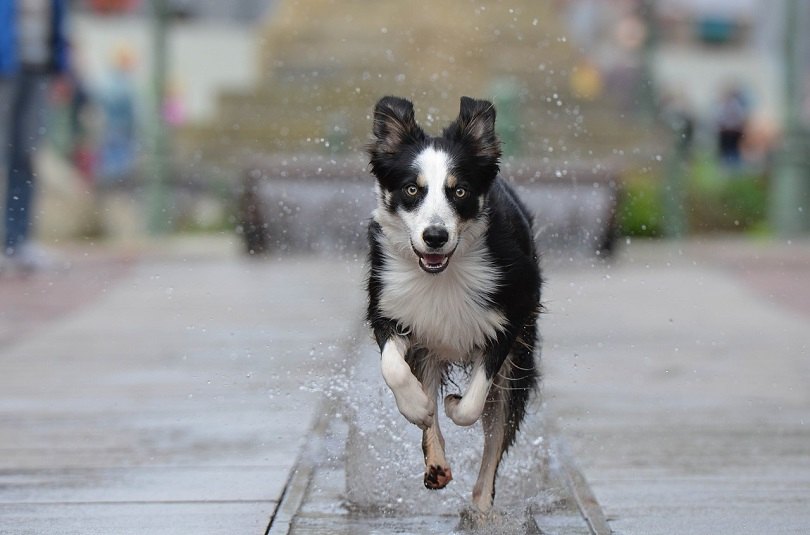
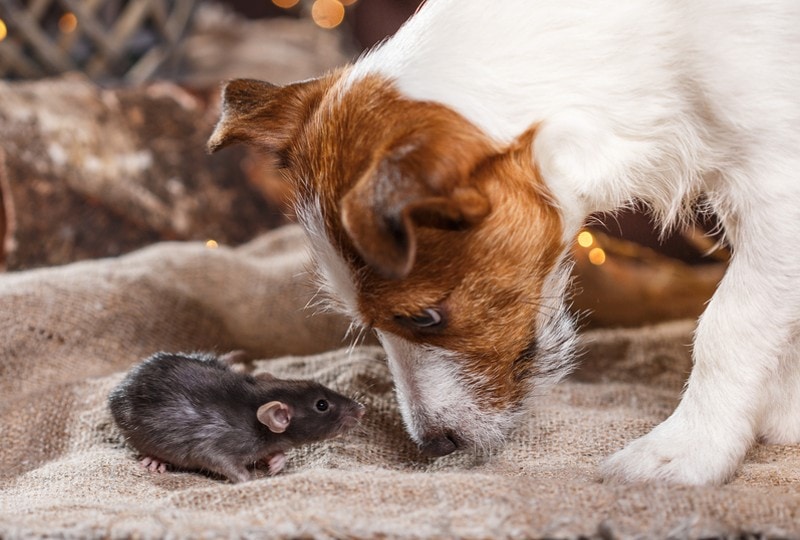
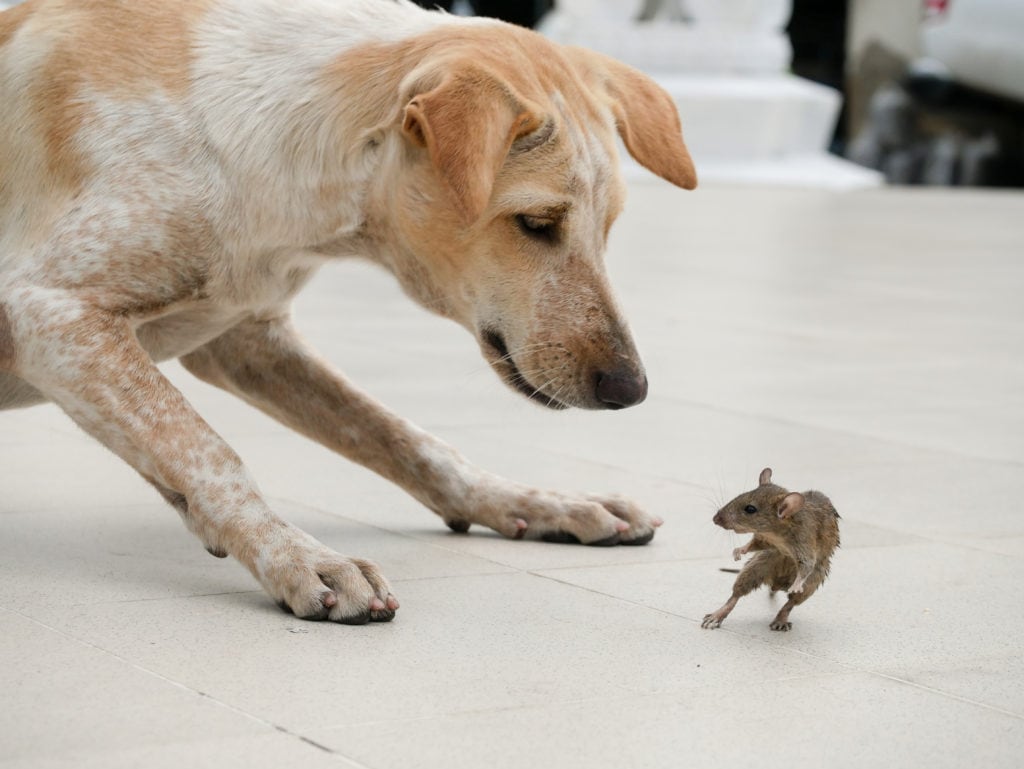
For example, terriers were bred to hunt and kill rodents, so it's quite possible that your loving but stubborn Schnauzer will naturally be more inclined to chase the hamster around the house and in the worst-case scenario, even kill it. Some breeds, like Beagles, are predisposed to stalking and chasing their prey, while others, like Border Collies, are real masters at herding flocks of sheep.
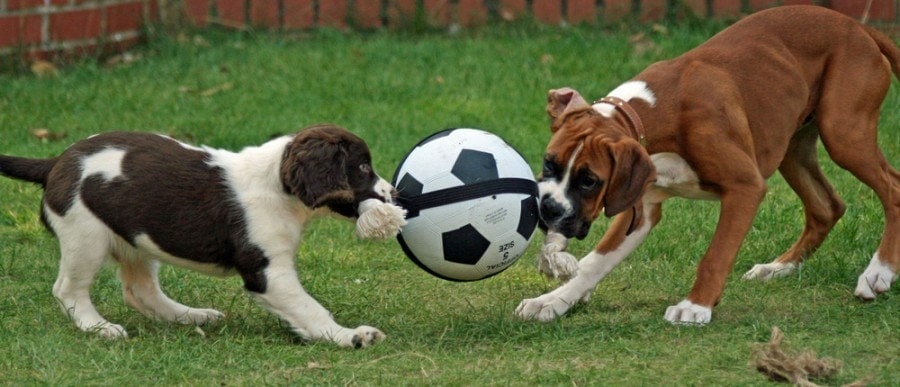
Some pups retain little of their predatory instincts and are completely content with merely chasing after a frisbee or "attacking" their favorite plushies.
Why Having Strong Prey Drive Can Be a Good Thing
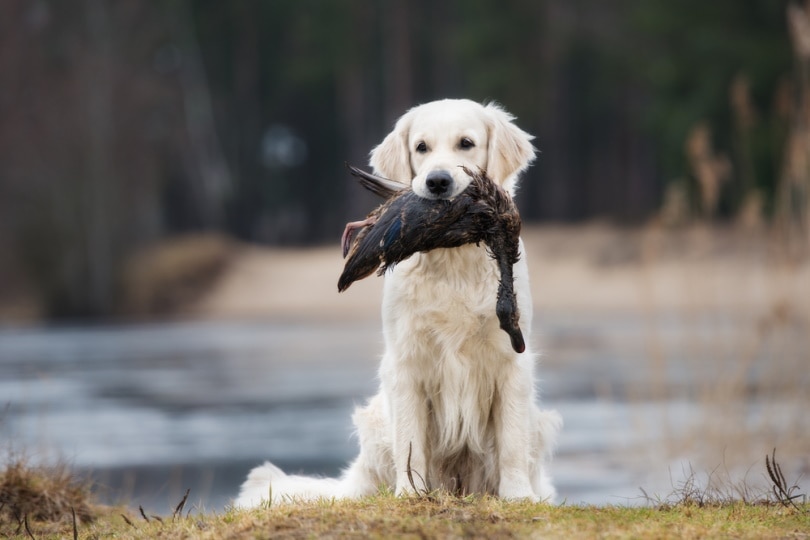
The term "drive" refers to the degree of enthusiasm or motivation to perform a task, usually involving hunting-related behavior or the pursuit of objects—for example, service dogs, such as those employed in the police, military, or search-and-rescue operations tend to have a stronger drive than most pet dogs.
To put it another way, having a high prey drive is essential for a dog to be able to do the job that they were bred or trained for. However, those predatory instincts can quickly become a problem when the dog isn’t given that job or when left unchecked and can endanger the dog and nearby small animals.

How to Manage Your Dog’s High Prey Drive
You can't override your dog's prey drive, but there are things that you can do to manage the behavior:
1. Redirect their attention.
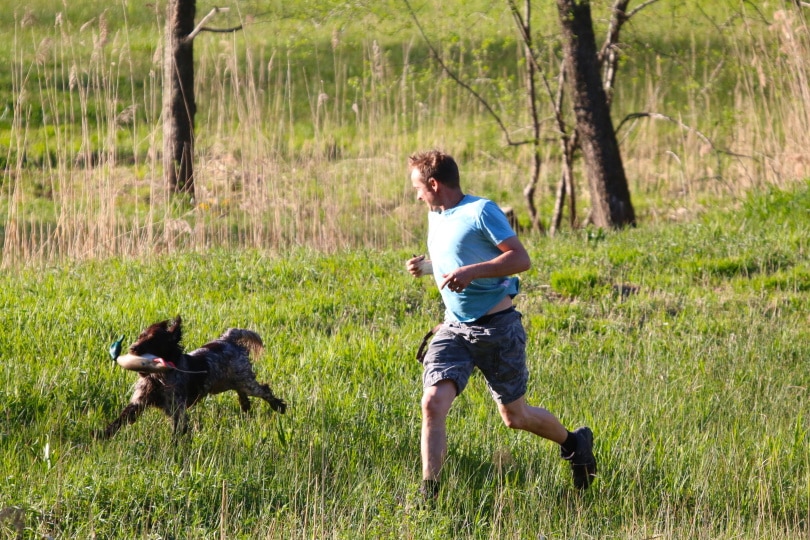
Do activities with your dog that involve chasing, catching, and retrieving. These games can provide a healthy outlet for their instincts. Focus on maintaining your dog's attention on the desired object and engagement with you. You can use yummy treats or toys during training sessions to distract them from undesirable objects or triggers.
2. Socialize your puppy early.
If your puppy is brand new to your home, be sure to start socializing them early. Exposing them to many different stimuli, including animals and people of all kinds, can help moderate future prey behaviors. Still, this is not a foolproof solution. Some dogs will retain their high prey drive toward small animals despite your best efforts to socialize them during puppyhood.
3. Enroll in obedience training classes.
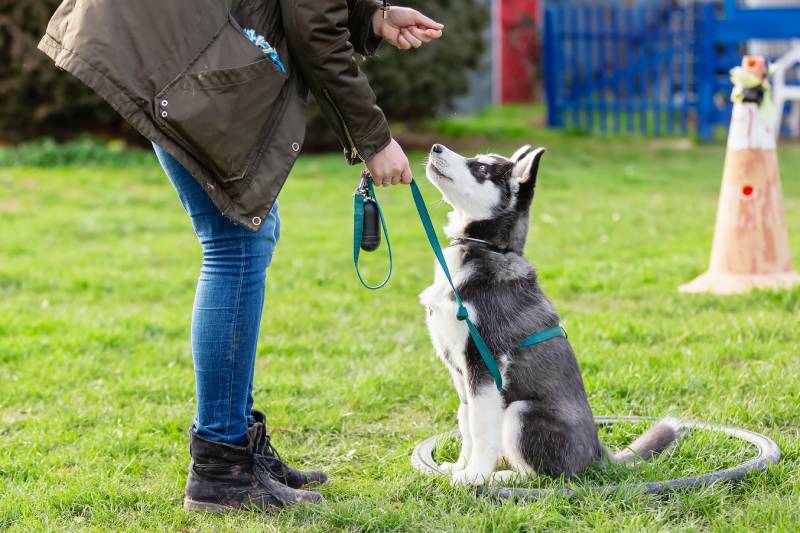
Such classes are always useful to help you teach (or reinforce) fundamental commands, such as sit, stay, and recall. This groundwork will enable you to give your dog something positive to do in scenarios where their prey drive is triggered.
4. Try to desensitize your dog to their triggers.
Gradually expose your dog to their triggers (such as a squirrel) in controlled environments (always on a leash). Praise and reward them for leaving the trigger alone so that they start to associate not chasing the trigger with positive experiences.
5. Limit your dog's "freedom."
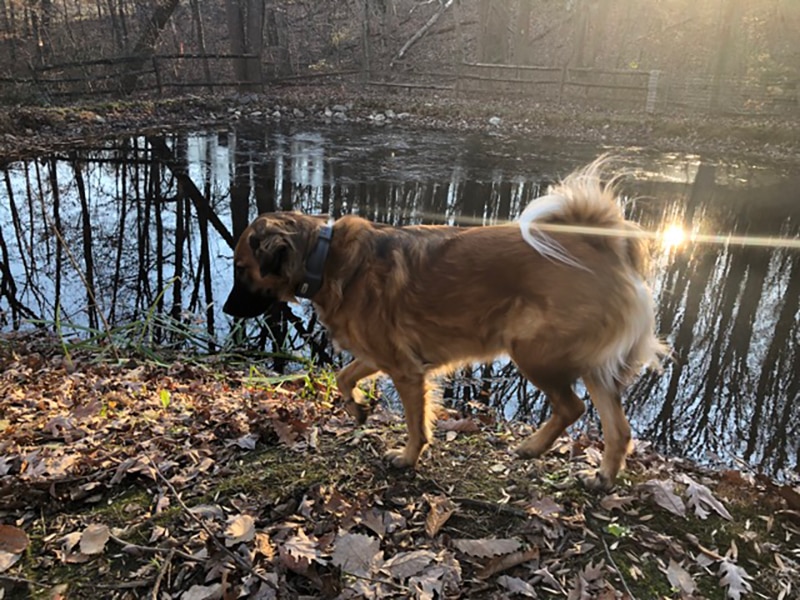
Keep your dog on a leash or in a harness on walks and outings to deter them from pursuing wildlife or other pets, and only let them roam freely in fenced-in areas. Supervise them at all times, especially when there are other pets nearby. The expression "better to be safe than sorry" takes on its full meaning here.
6. Don't punish your dog.
Correction-based methods that use punishment (such as using a shock collar) can quickly escalate and make your dog more fearful, anxious, or aggressive. This can eventually break your dog's trust and bond with you.
Finally, if your pup's prey drive is causing significant challenges or if you're struggling to manage it on your own, consider seeking guidance from a professional dog trainer or canine behaviorist.

Frequently Asked Questions
Why Do Some Dogs Have a Higher Prey Drive Than Others?
Prey drive in dogs is an instinctual behavior that compels them to chase, capture, and sometimes even kill small animals or moving objects. It's particularly pronounced in breeds that were originally developed for hunting or herding purposes. The level of prey drive can vary due to genetics, breed history, early socialization, and training.
Is It a Problem for My Dog to Have a High Prey Drive?
Not necessarily, as it's a natural instinct. However, it can become problematic if your pup's behavior becomes uncontrollable or poses risks to their safety or the safety of others. This is why it’s essential to manage and redirect this drive through proper training and outlets to ensure a safe environment for everyone.
Can I Train My Dog to Control Their Prey Drive?
Yes, you can train your dog to manage their prey drive. Through techniques like obedience training, engagement exercises, redirection, or desensitization, it’s possible to teach your pet to respond to commands and focus their energy on appropriate activities.
Can I Completely Eliminate My Dog's Prey Drive?
That is quite impossible and even disrespectful of the very nature of the dog. Their prey drive is a deeply ingrained instinct and cannot be overridden. That said, with proper training and plenty of patience, you can channel and control those instincts in ways that make it less disruptive and safer for other animals and people.
What Are the Breeds That Tend to Have a High Prey Drive?
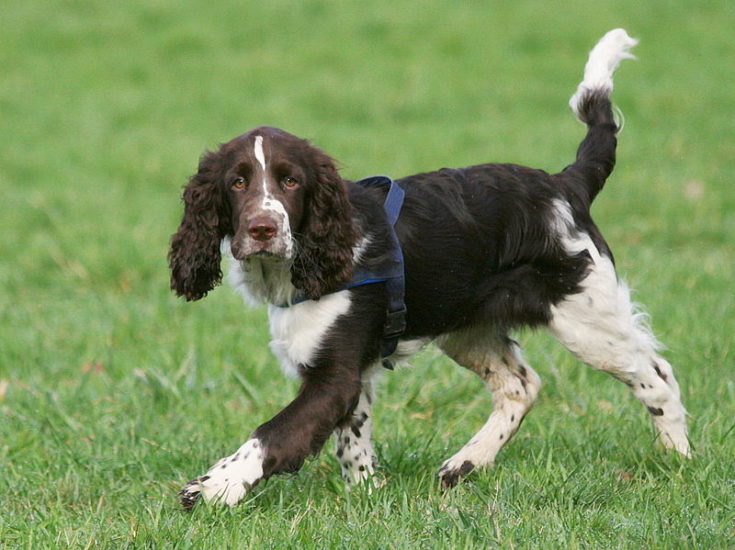
In general, dogs bred for hunting or herding tend to have the most pronounced prey drives. This category includes breeds of the shepherd group, terriers, and hounds. However, this does not mean that your Collie or Goldie won’t necessarily exhibit a high prey drive, as it also depends on each dog's personality and training. Still, you can expect these breeds to have a greater tendency to display predatory instincts:

In Conclusion
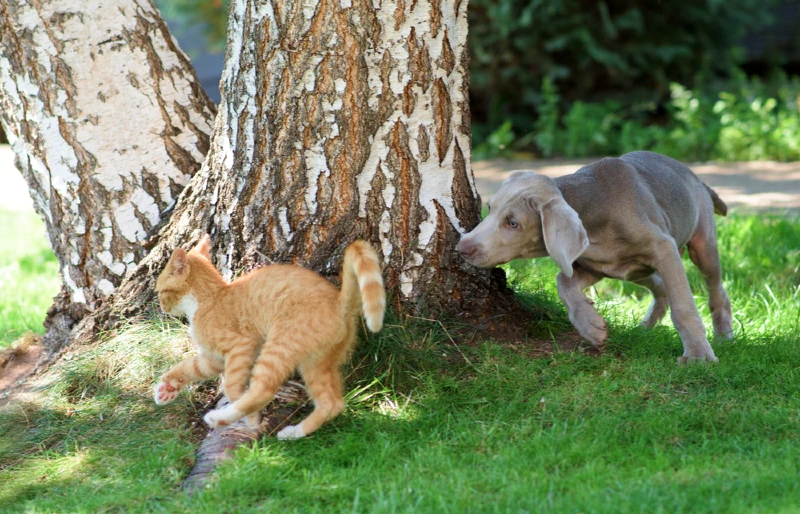
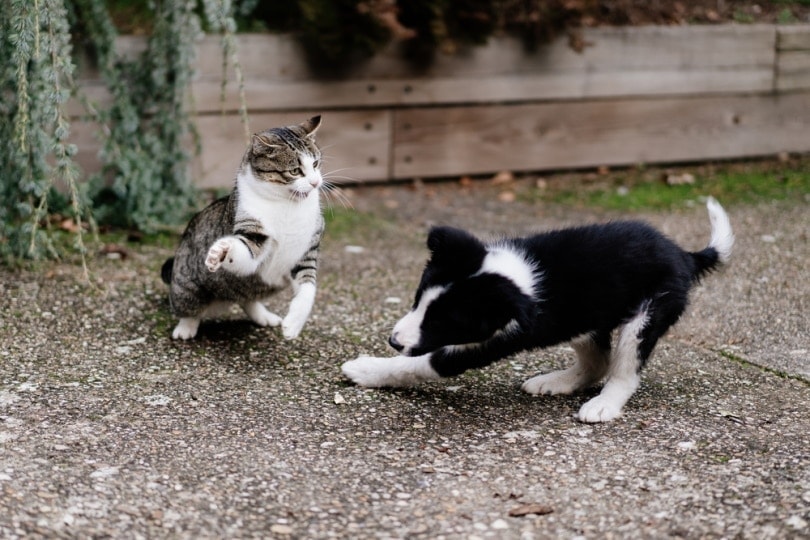
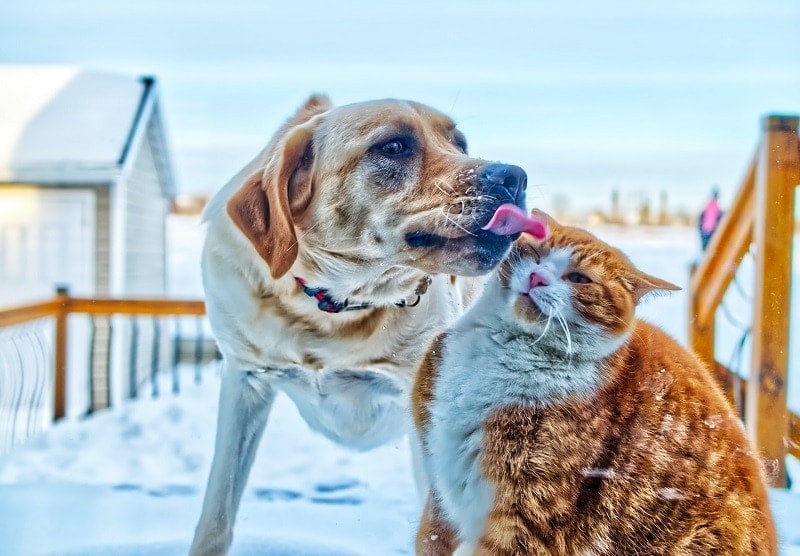
Although some dogs' high prey drive provides advantages, not everyone benefits from it. For example, your cat probably finds little joy in being chased by your dog every time they cross the living room. While managing your dog's predatory instincts is possible, it's a gradual process that requires patience, consistent effort, and sometimes professional help. Ultimately, it's important to stay vigilant and remember that no matter how hard you try to manage your beloved dog, their instincts can kick in at any time and lead to unpredictable behaviors.
Sources
Featured Image Credit: otsphoto, Shutterstock
Get Hepper In Your Inbox


Pet care tips from our vets and experts, straight to your inbox.
You may opt-out at any time. View our Privacy Policy for more information.
Genevieve, a biologist and science writer, who harbors a profound affection for capuchin monkeys, pumas, and kangaroos. This passion has led her to travel extensively, volunteering and working at wildlife rehabilitation centers in Bolivia, Guatemala, Canada, and Australia. Now residing in Argentina as a Canadian expat, Genevieve enjoys the view of horses and cows greeting her from the vast plains outside her home office window. She proudly cares for three rescued dogs—Lemmy, Nala, and Pochi—and a playful kitten named Furiosa. Sharing her extensive knowledge and love for animals brings her immense joy and fulfillment.
Join the conversation
Ask a question, share your story, or send private feedback.