Hepper is reader-supported. When you buy via links on our site, we may earn an affiliate commission at no cost to you. Learn more.
How to Train Your Dog to Bow With 3 Simple Methods


In this article
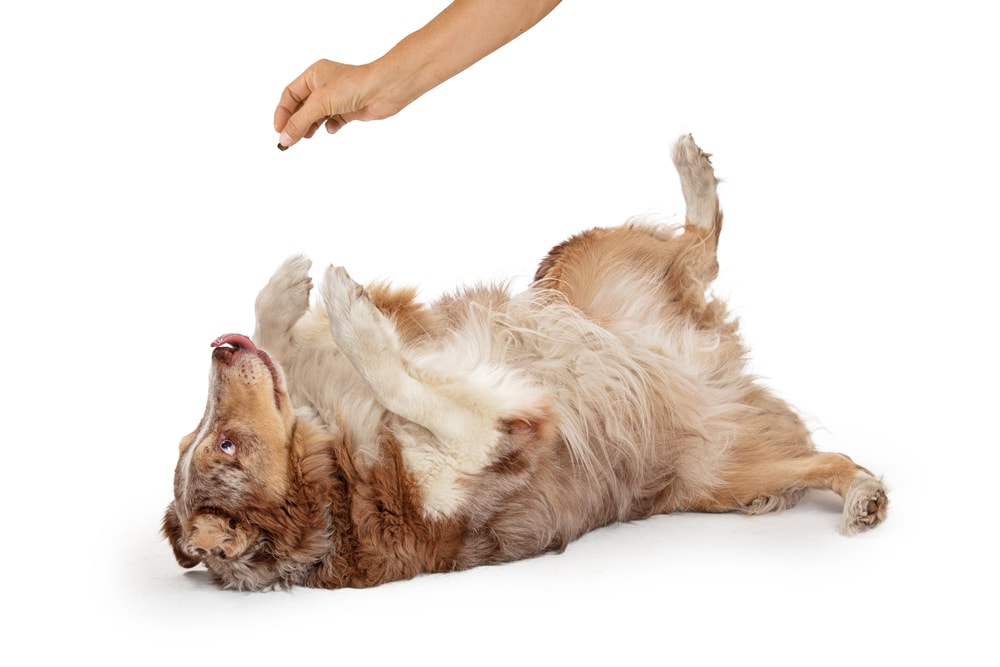
Training a new puppy is one of the most challenging and rewarding aspects of bringing a new furry friend into your home. You can teach your dog to sit, stop, and stay. You can get more creative and train your dog to give high fives, play dead, and even bow. All it takes to train your dog is dedication, time, and consistency.
If you have already taught your dog basic commands like sit, stay, and come, then teaching them a more advanced command like bow shouldn’t be too difficult for you. Let’s take a look at different methods for training your dog’s new tricks and the steps to follow in each.

Start with Obedience Training
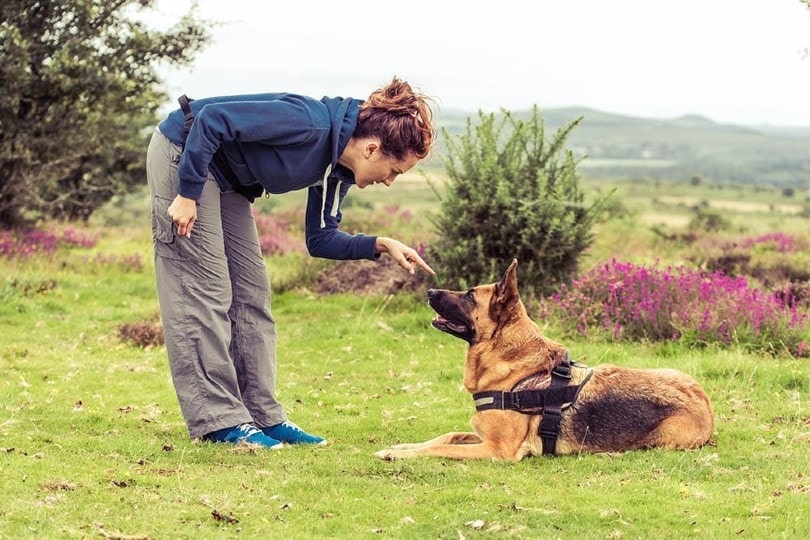
Before you can train your dog to do tricks like lay down or sit, you need to start with basic obedience training to not only build a relationship with your dog but also increase their attention span and teach them the absolute basics. Before starting with more advanced commands, you must teach your dog basic functional training.
You will want to use verbal cues, treats, or hand signals to establish a set system for you and your dog. Whenever your dog performs the correct action, give them a treat. The most powerful tool in training your dog is positive reinforcement.

The 3 Simple Methods To Train and Teach Your Dog To Make a Bow
Your dog may get confused at first, thinking you are trying to get them to lay down, so patience will be essential. Let’s look at some of the most common methods to train your dog to take a bow. If one of these methods doesn’t work for you, you can always try the next one.
1. Treats Training Method
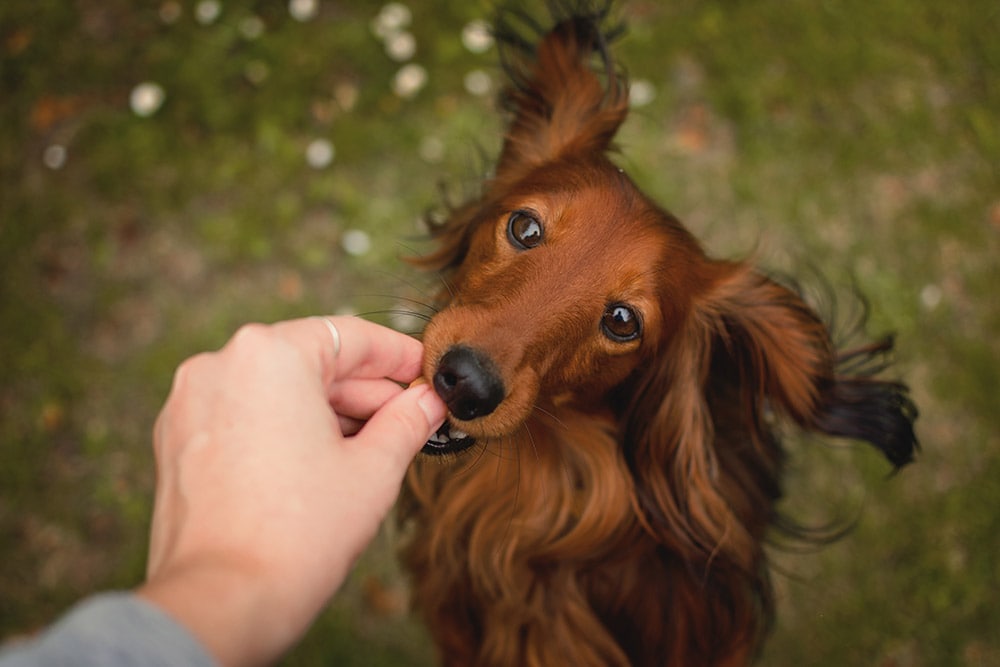
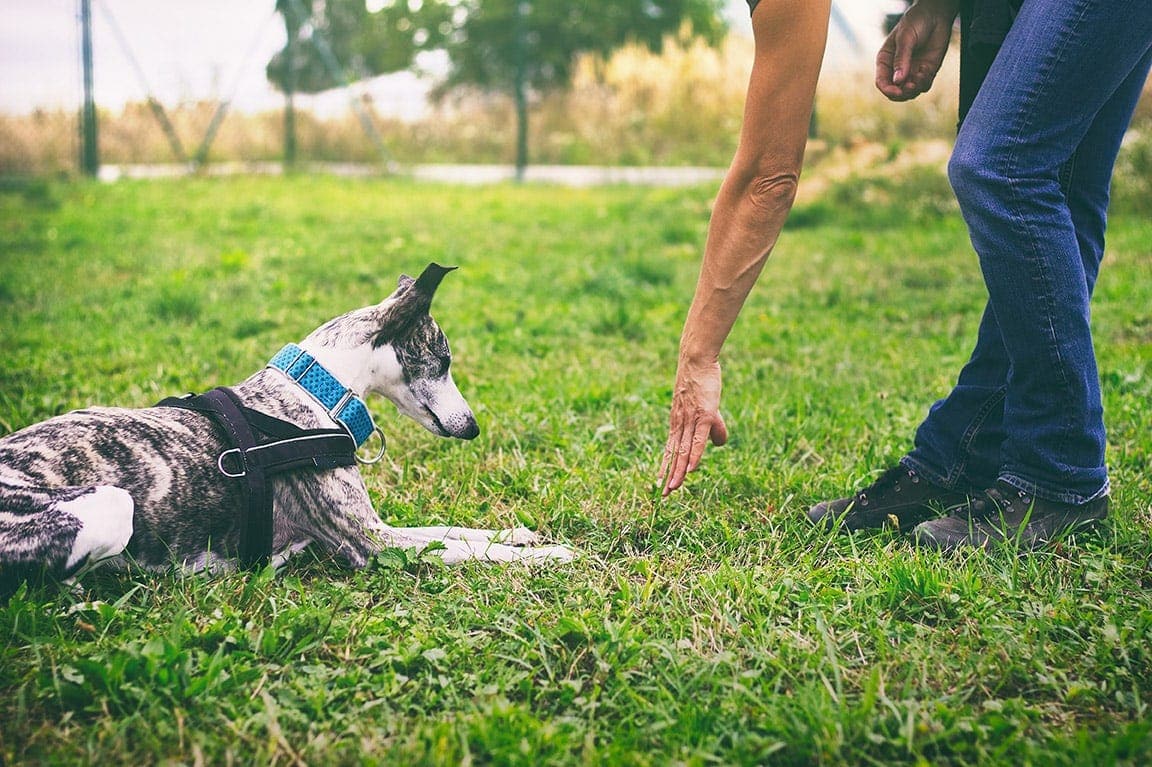
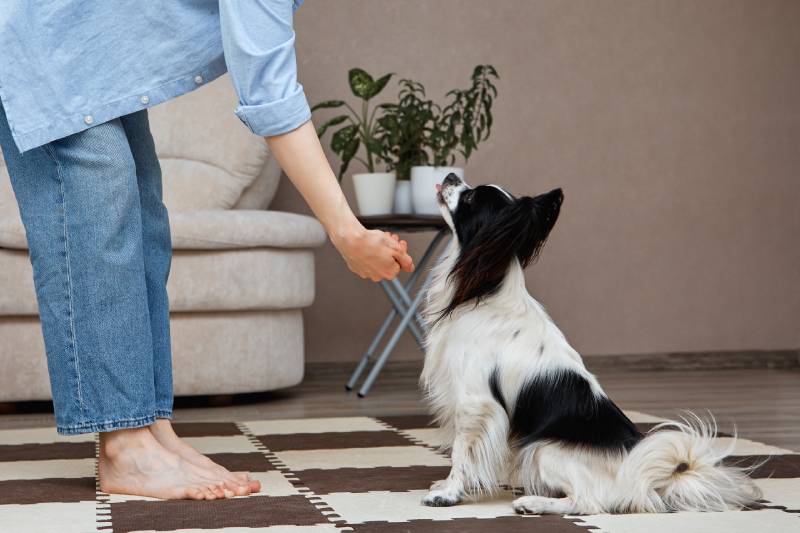
Training with treats is one of the most common methods, for a good reason. All you need to do is keep a steady supply of your dog’s favorite treat on hand to entice them into the perfect bow. This method works best for puppies, new dogs, or dogs that don’t respond well to complete dominance. If you know your dog is food motivated, this is also the best method for you.
Step-by-Step Guide
2. Focus on the Front Training Method

In this method, you will be more focused on verbal commands and a dominant attitude to lead the bow. If your dog is already highly trained, this approach will work well for you. If your dog is more sensitive, the dominating method may not be suitable and may even be counterproductive in some circumstances.
Step-by-Step Guide
It may be easier to introduce the bow command in succession with other commands they already have mastered. For example, you start by telling your dog to sit and follow it with the new bow command.
3. Clicker Training Method
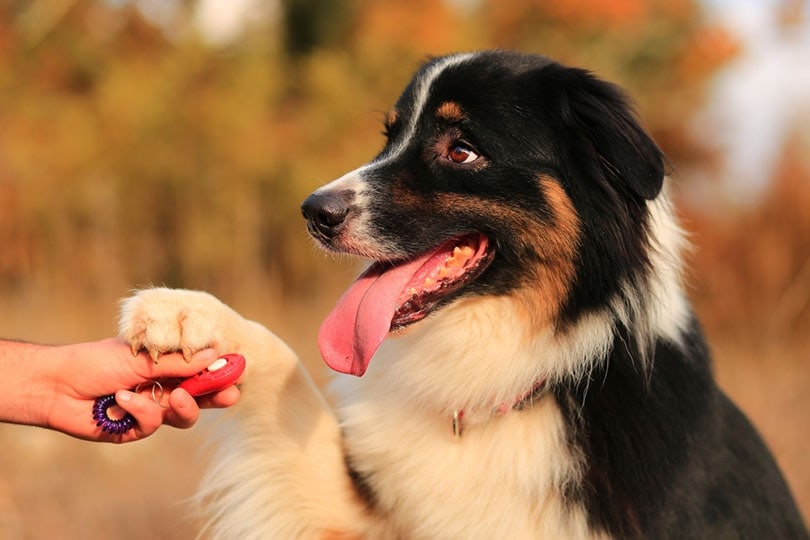
If you’ve used the clicker method for any other training with your dog, you should use this method here as well. Keeping things consistent is vital when it comes to training as a whole and teaching your dog new tricks. Using this familiar technique will help your dog learn the new trick quickly.
Step-by-Step Guide

Tips and Tricks for Training
It is always important to remember not to get frustrated with your dog. You don’t want your dog to think you are upset when teaching it a new trick. Do not get angry or show frustration during your training sessions. Talk gently, and make sure to reward any little steps towards improvement. Dogs respond best to positive reinforcement, and it is highly likely your dog will not understand why you are upset with them.
Training your dog to do tricks will take patience from you and your dog. If you notice your dog losing interest or growing frustrated, it is best to call off the training and give them a well-deserved break and reassurance. All dogs learn differently, so try to keep your training sessions short and upbeat.
See also:
Sources
Featured Image Credit: Natalia Fedosova, Shutterstock
Get Hepper In Your Inbox


Pet care tips from our vets and experts, straight to your inbox.
You may opt-out at any time. View our Privacy Policy for more information.
Samantha's passion is writing, and she has been a freelance writer since 2014. She has also worked on literary magazines and newspapers as an editor and as a writer. Samantha wrote full time while in school, and continues to do so as a full-time educator. She currently teaches Middle School English Language Arts and always encourages writing activities in her classrooms. If she is not writing about pets or grading papers, you can often find her reading or binge-watching another Netflix series and spending time with her cat, Raven.
Join the conversation
Ask a question, share your story, or send private feedback.