Hepper is reader-supported. When you buy via links on our site, we may earn an affiliate commission at no cost to you. Learn more.
How to Transition a Dog’s Foods: Diet Change Facts & Vet-Approved Advice

In this article
Depending on your dog's life circumstances, it might be time to switch foods. You may have to transition your dog's diet due to allergies, sensitivities, or other veterinary recommendations.
No matter your reason, it is a great idea to get all of the information you can on how to switch them from one food to another properly. Let us go over some tips on how to change foods correctly, reasons you might have to make the change, and some no-nos as well.

Transitioning Dog Food
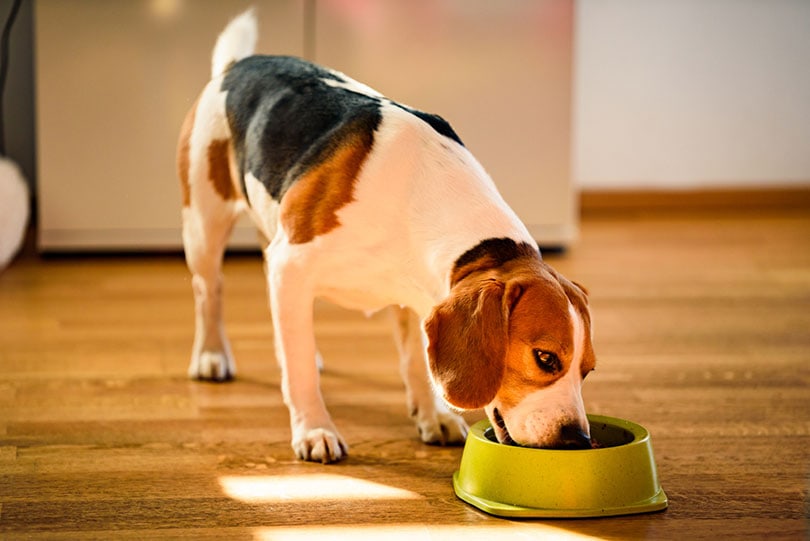
Unless it is otherwise recommended by your vet, it is usually recommended to make any changes to dog food as a slow and smooth transition. If you change their diet too abruptly, it can cause gastrointestinal distress leading to vomiting and diarrhea. Not only are those messes that you do not want to clean up, but your dog will be in pain because of it as well.
A good rule of thumb is to transition slowly over about 10 days. Follow these guidelines for optimal results:
| Day 1 | 10% new / 90% old |
| Day 3 | 25% new / 75% old |
| Day 5 | 50% new / 50% old |
| Day 7 | 75% new / 25% old |
| Day 10 | 100% new diet |
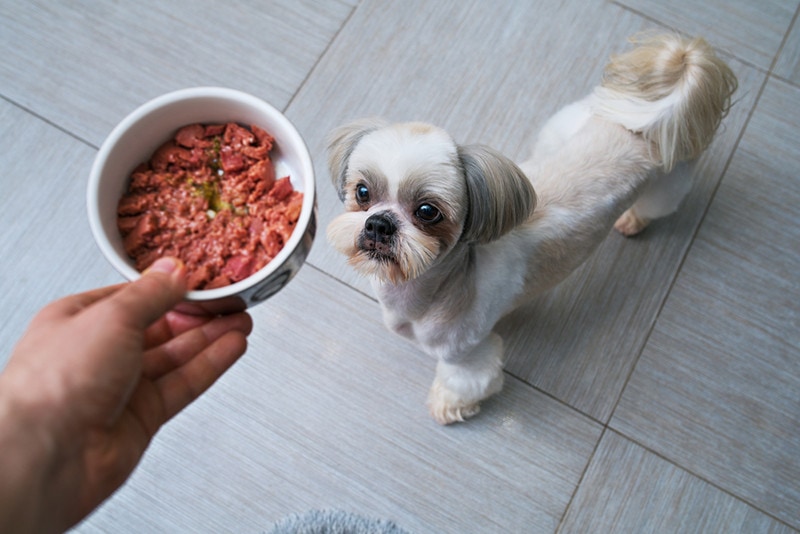
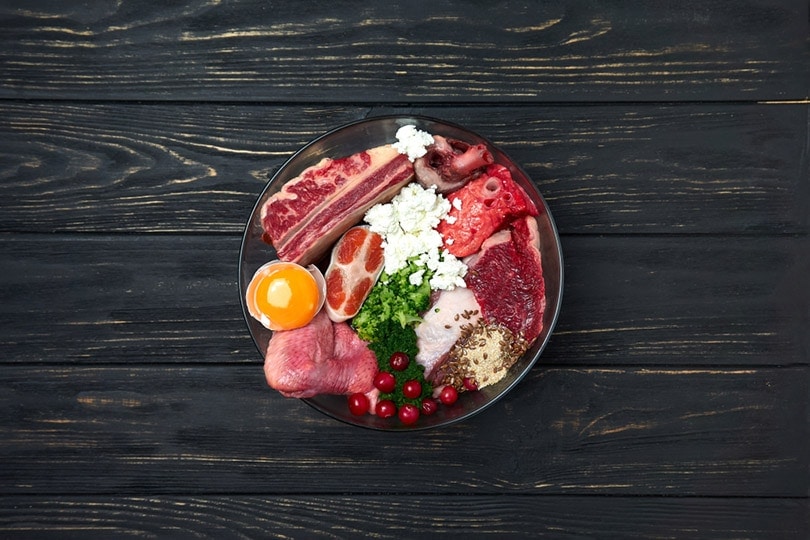
You need to make sure that you follow the recommendations and guidelines on the back of the dog food bag. They will have specifics. However, if you're switching to a raw food diet or a homemade diet of your choosing, you can slowly start to do this by adding it to a portion of the existing commercial kibble.
Top 5 Reasons for Switching Dog Foods
Under veterinary guidance or on your own accord, you can decide to change up your dog's diet. But there are a few primary reasons people try this. So, when is it time to make the swap?
1. Dog Life Stage Diet
When you bring your puppy home, it's essential to store up on puppy chow. This food is made explicitly for developmental life stages and gives them the correct amount of nutrients to support their growing bodies.
However, as they age, their bodies start to require different things. As your puppy transitions into adulthood, it is essential to give them fresh food, dry kibble, or wet food suitable for their life stage and activity levels. It will help them maintain their bodily functions without too many extra calories.
The same is true for senior pets. While there is no standard for senior dogs, older dogs need to support their aging bodies according to their specific needs. For example, many will benefit from added joint supplements as their overall mobility functions decrease. After all, you want to make the golden years as good as possible. Your vet can recommend the best food for your senior dog.
To make sure you're feeding your dog the right amount of food and the correct type for their lifestyle, check out our dog food calculator here.
Dog Calorie Calculator
Recommended Daily Calories
The exact amount of calories an individual animal needs to maintain a healthy weight is variable and influenced by many factors including genetics, age, breed, and activity level. This tool is meant to be used only as a guideline for healthy individuals and does not substitute veterinary advice
2. Dog Allergies
If you've had issues with your dog showing signs of allergies, you and your vet might be trying to root out a cause. Once your dog undergoes food trials, your vet will uncover a food allergy if they have one.
If your dog is allergic to a certain ingredient, you will need to buy a different protein or a specialized hydrolyzed protein diet to eliminate the irritant.
The most common food allergies for dogs include:
Despite the recent grain-free diet craze, there is no scientific proof of benefits for dogs. It is rare for a dog actually to be gluten-intolerant. Concerns about grain-free diets show potential negative impacts on the heart. So, always check with your vet to make sure your chosen diet is adequate for your pooch.
3. Dog Sensitivities
If your dog is sensitive, it might result in chronic upset stomach, gas, cramps, and other issues. Many veterinarians will try limited ingredient diets to eliminate all of the extras giving your dog only the nutrients they need.
This can help to soothe the digestive system, making it easier for your dog to enjoy their meals without repercussions. So, if you have a dog with belly issues like vomiting, diarrhea, and general malaise, it could be time to investigate the ingredients in the diet.

4. Dog Food Affordability
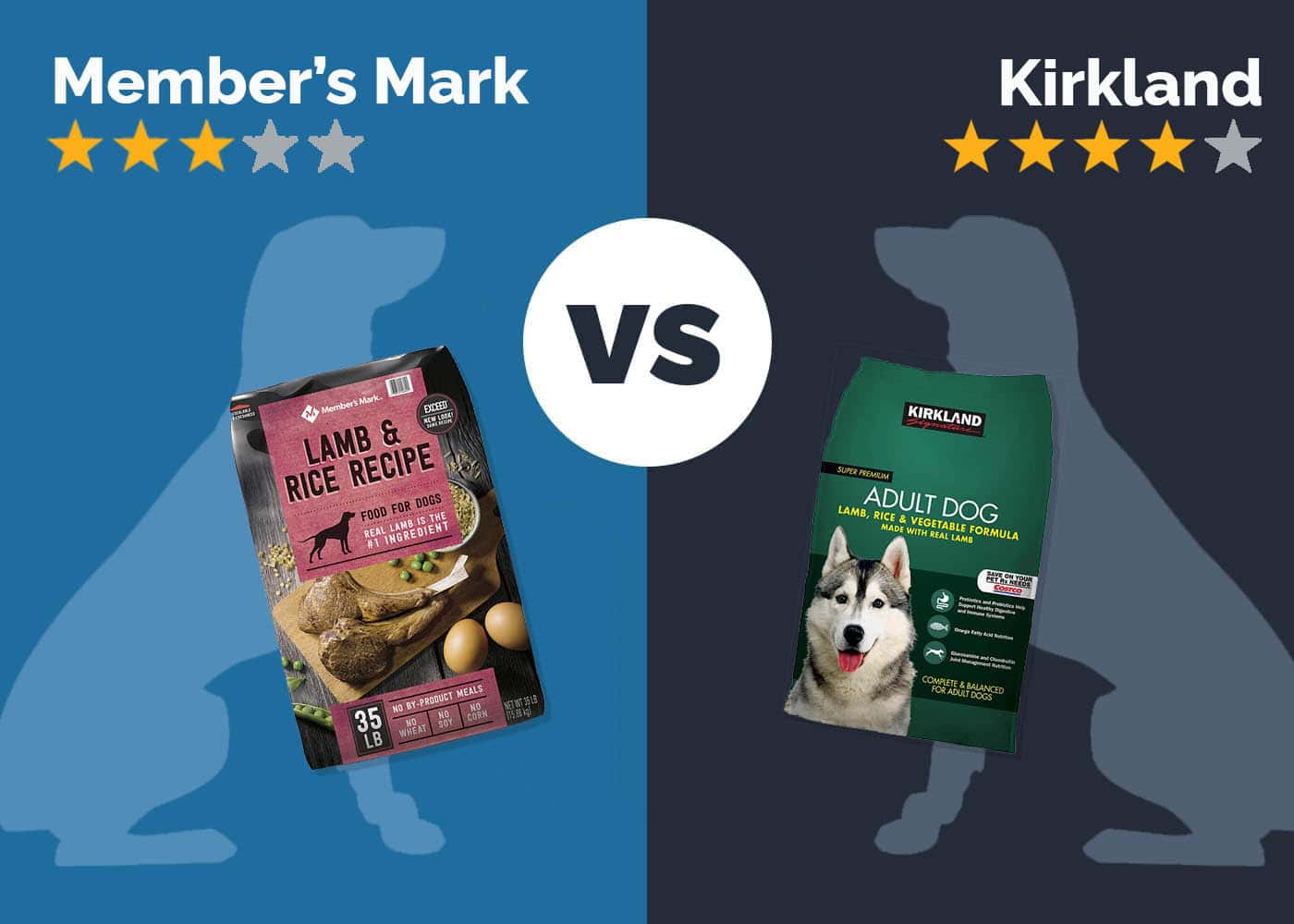
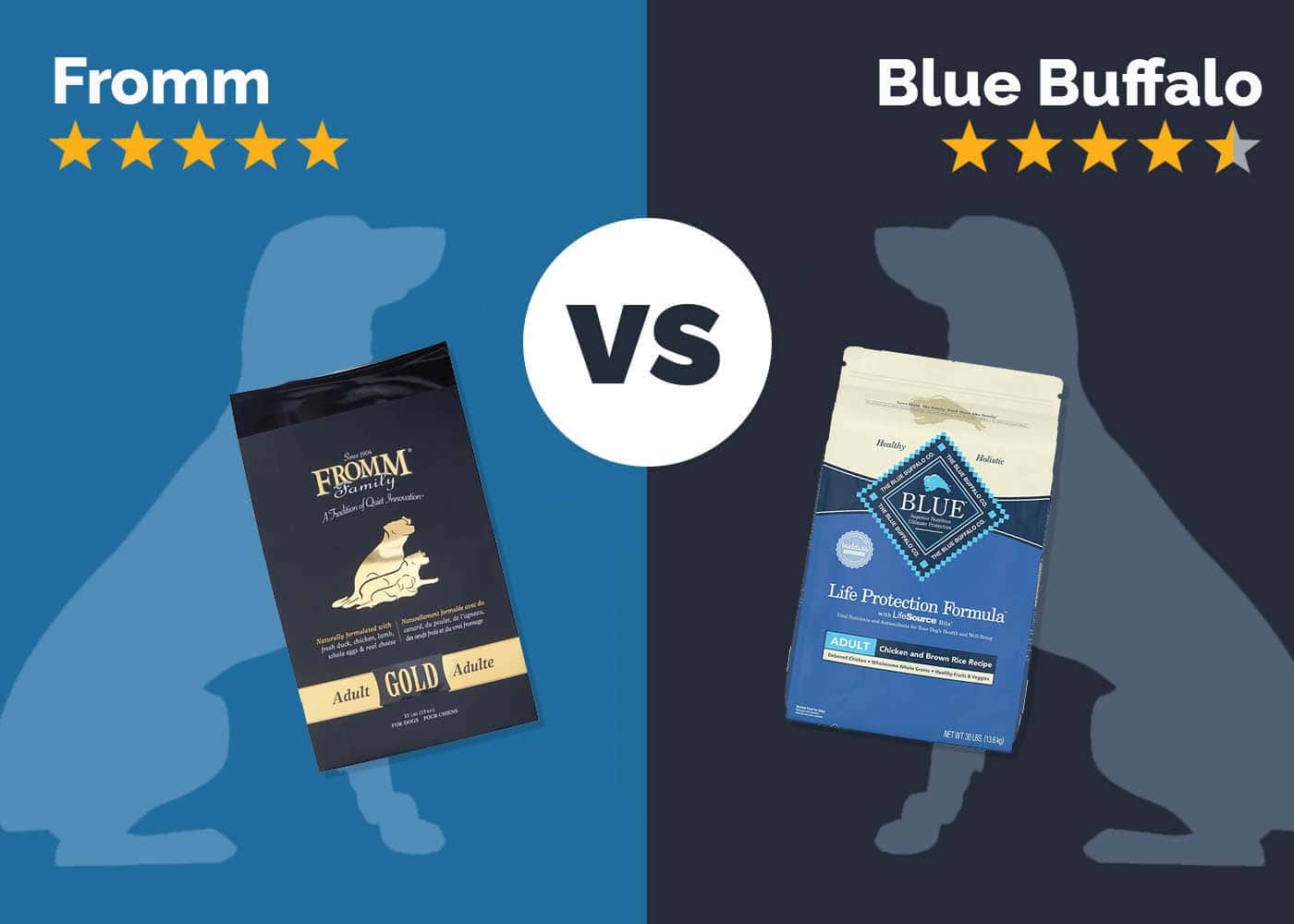
Dog food can be downright expensive sometimes. If you have been on a costly dog food brand but found a better alternative, you might be looking to switch based on price. As with anything, you will still need to transition slowly since you will be changing the food recipe.
There are risks for adverse outcomes, such as triggering some allergy, as we discussed previously. Try to steer clear of as many artificial ingredients as possible.
5. Natural Diets for Dogs
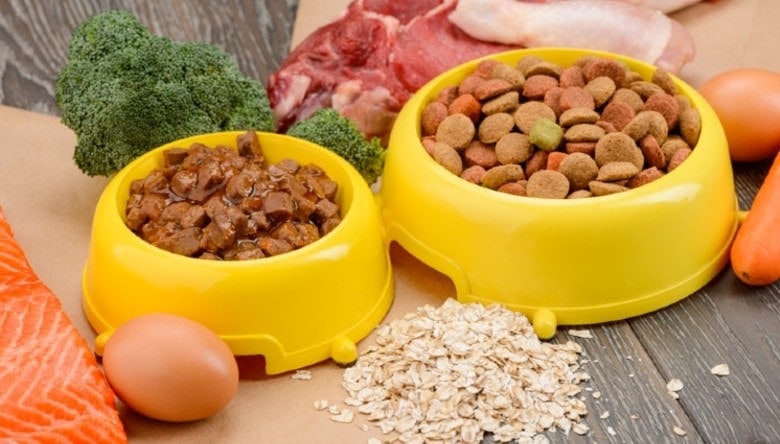
Commercial kibble dog food diets have been commonplace for several years. However, in recent times, pet parents have gotten crafty in the kitchen, making homemade or raw dog food diets for their pooches.
Owners believe that this is a more natural approach to giving their beloved dogs the nutrition that their bodies require. This is an individual choice, but you will need to provide the proper additives and supplements to ensure your dog’s diet is complete and balanced. Proper food storage is also an important factor to consider.
If you're transitioning to this type of diet, you're going to want to check with your veterinarian to ensure that all ingredients are entirely safe. Also, all nutritional profiles need to be met to make sure your dog stays healthy.
Adverse Reactions to New Diets
Not every diet will agree with your dog's digestive system. Every one of them has a different digestive response. You should notice by the second week if there are any adverse reactions to the new diet. However, in some cases, it can take longer.
Speak with your veterinarian if you notice any of the following signs after the switch:
The transition itself could cause signs such as vomiting, gas, and diarrhea. So, if those are the only signs they are exhibiting, you might want to wait a couple of days to see if it goes away.
However, if it becomes excessive and is accompanied by other signs, discontinue the use of the new dog food immediately. Either way, you will need to contact your vet for further guidance to make sure you are doing things correctly.

Conclusion
Regardless of the reason for your transition, just make sure to do it slowly and effectively. You will need to gradually introduce your dog to their new diet over a week. If you do it too quickly, it can cause gastrointestinal upset.
Before switching your dog's diet, always make sure to contact your veterinarian to be sure you're making the right choices.
Related Reads:
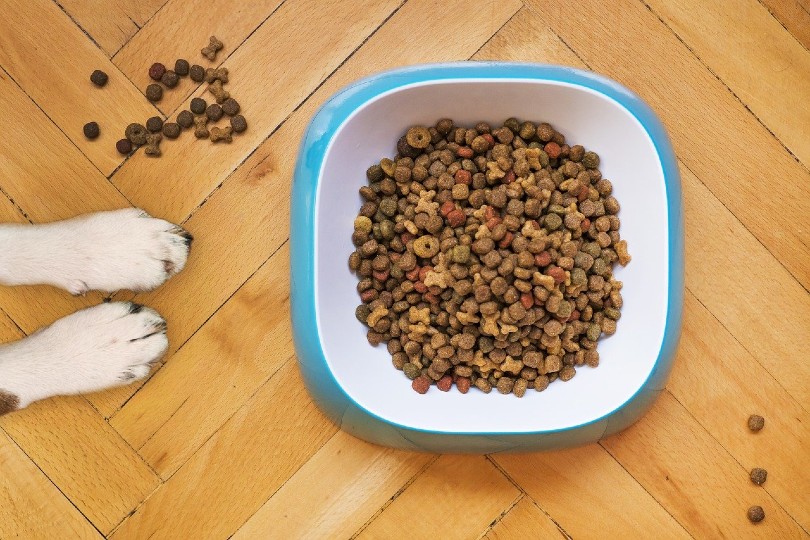
Featured Image Credit by: Mat Coulton, Pixabay
Get Hepper In Your Inbox


Pet care tips from our vets and experts, straight to your inbox.
You may opt-out at any time. View our Privacy Policy for more information.
Nicole is a lover of animals of all sizes but is especially fascinated with the feline variety. She’s the proud mom of Baby, a Burmese, and works every day so he can relax in the sunshine or by the fire. She’s always had a cat in her home and has spent countless days with others, observing behaviors and softening up even the grouchiest of the lot. Nicole wants to share her kitty expertise with you so you and your cat can live happy, healthy, and care-free.
Join the conversation
Ask a question, share your story, or send private feedback.