Hepper is reader-supported. When you buy via links on our site, we may earn an affiliate commission at no cost to you. Learn more.
How to Treat Blisters On my Dog's Paws: Vet Explained First Aid

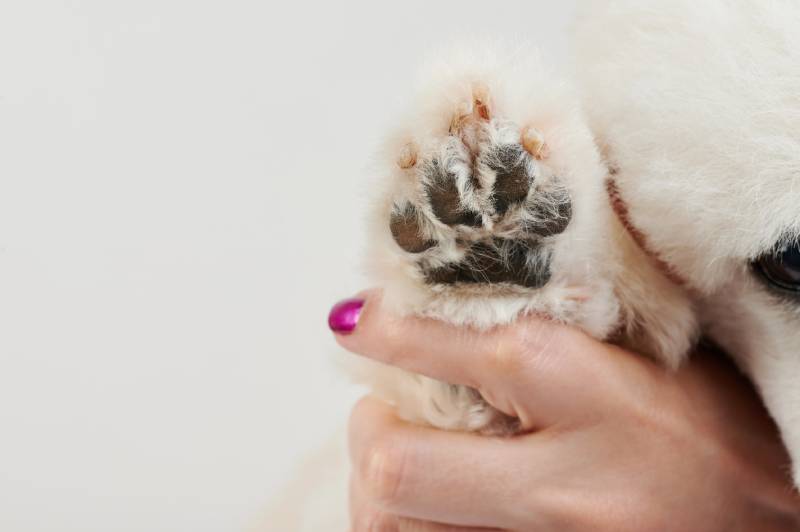
Most people have probably experienced the pain and irritation of a blister at least once or twice; but when you notice your pet getting a blister, do you know what to do? You can’t usually use human medications on most animals because it could irritate their skin and make things worse. It’s important to learn how to spot blisters on your dog’s paws and know how to help them.

How to Tell if Your Dog Has a Blister
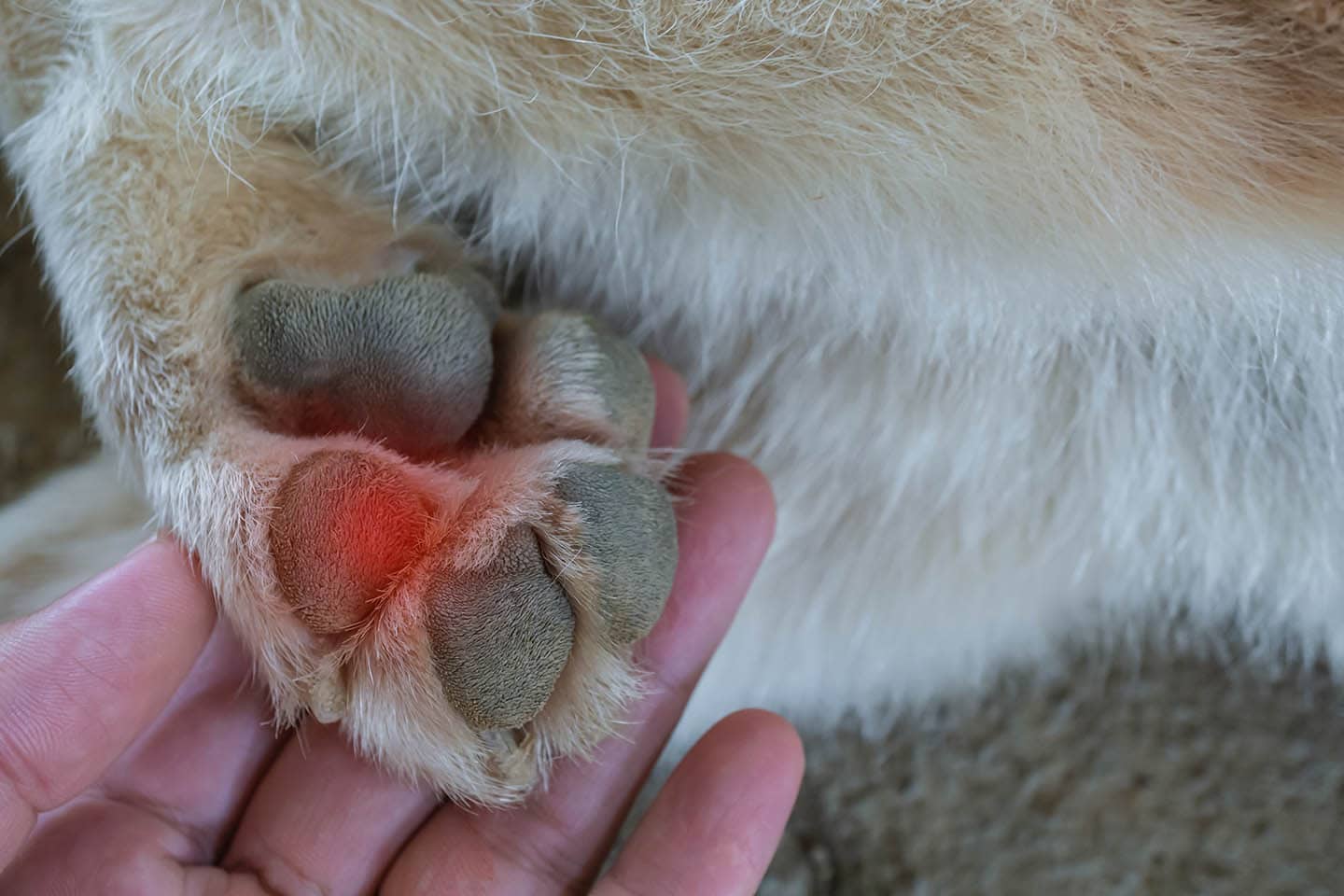
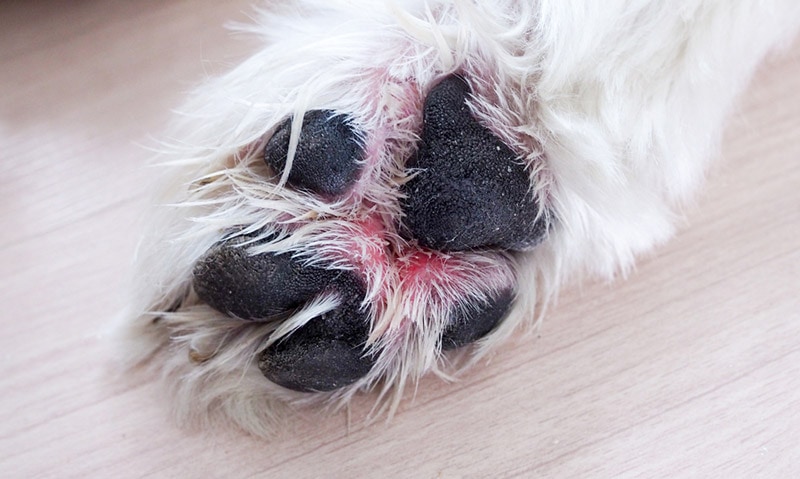
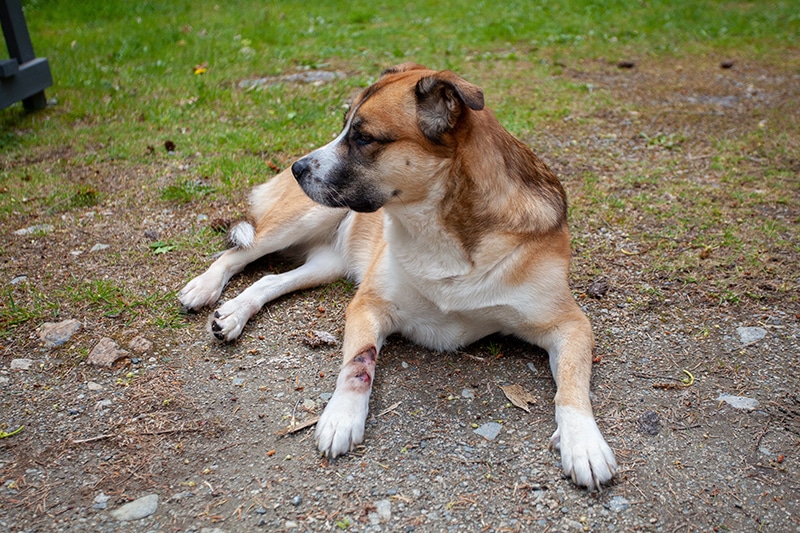
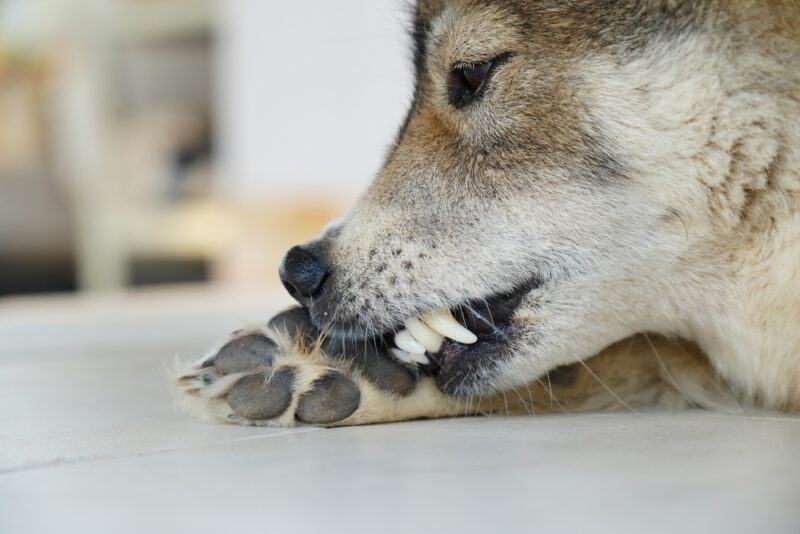
If you notice your dog is limping when you take them for a walk, or you can see them licking their paw in the same spot over and over, you might want to inspect their paws for injuries. Of course, there are a number of reasons your dog might be limping, so if you can’t locate the problem, it’s time to call the vet.However, it’s worth knowing how to deal with blisters once you notice them on your dog’s paw.
After you have located a blister on your dog’s paw, you will want to keep them off the leg as much as possible. Avoid taking/letting them out as much as you can, and when you do need to walk them, stick to soft grass or earth, avoiding stoney, spikey or hard surfaces.

Blister First Aid
Most blisters will resolve quickly without much intervention, but if your dog seems particularly bothered, here are some expert tips to help them out:
1. Check Your Dog's Paw
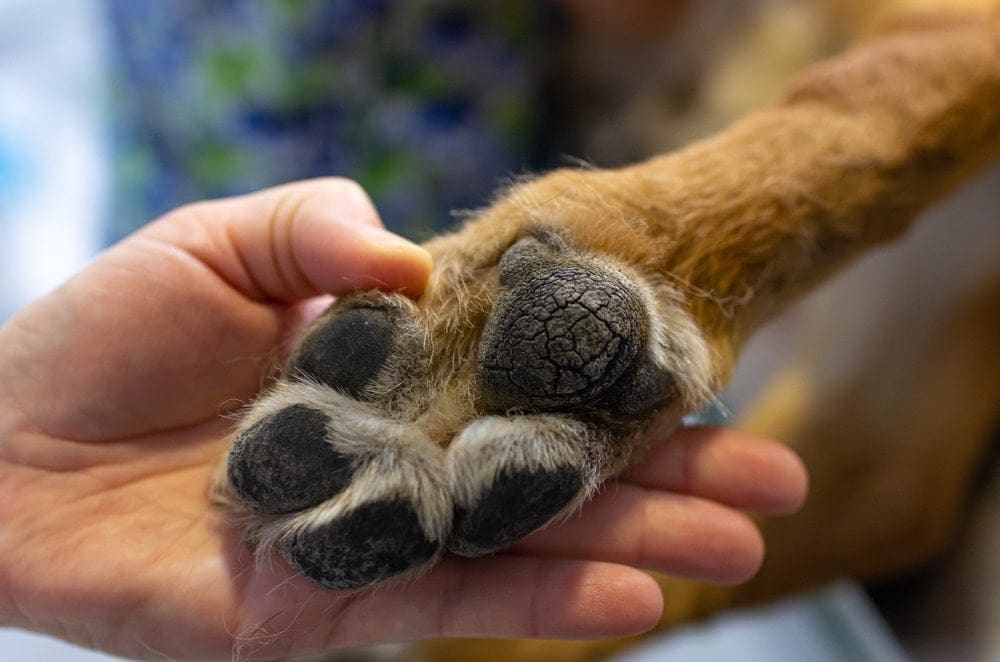
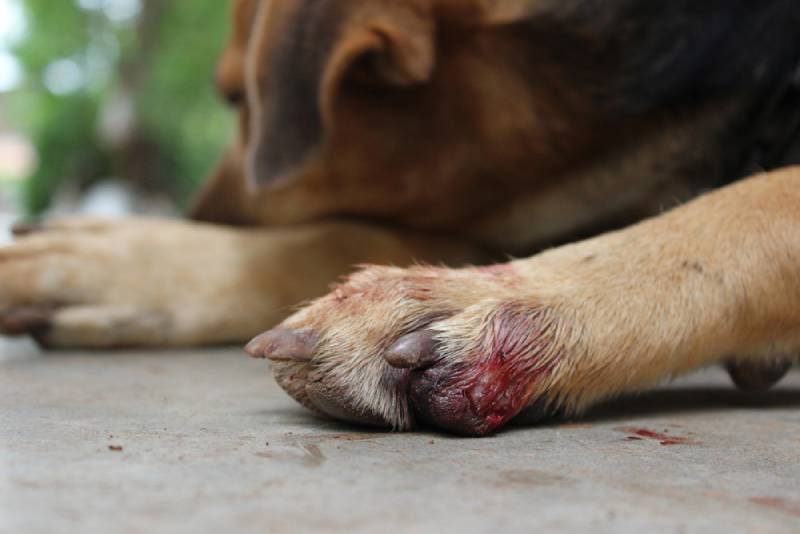
Examine the foot to ensure there is nothing stuck in the skin, or for any signs of infection. If they are very painful or there are signs of infection, a trip to the vet is in order. Some blisters can be due to grass seeds or other sharp objects that have gone into the skin, so if in doubt, get them checked out.
2. Clean Their Paw
Clean the foot gently with antibacterial wipes or cooled, pre-boiled water, then dry it thoroughly, particularly between the toes.
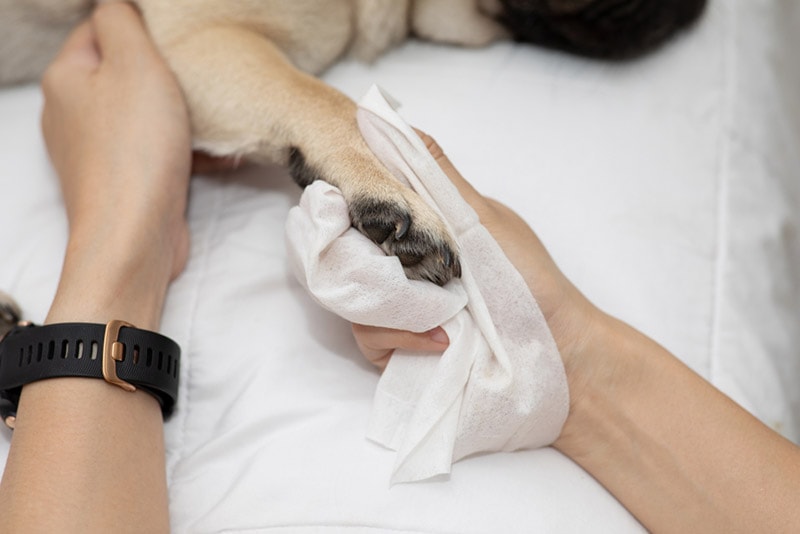
3. Prevent Licking
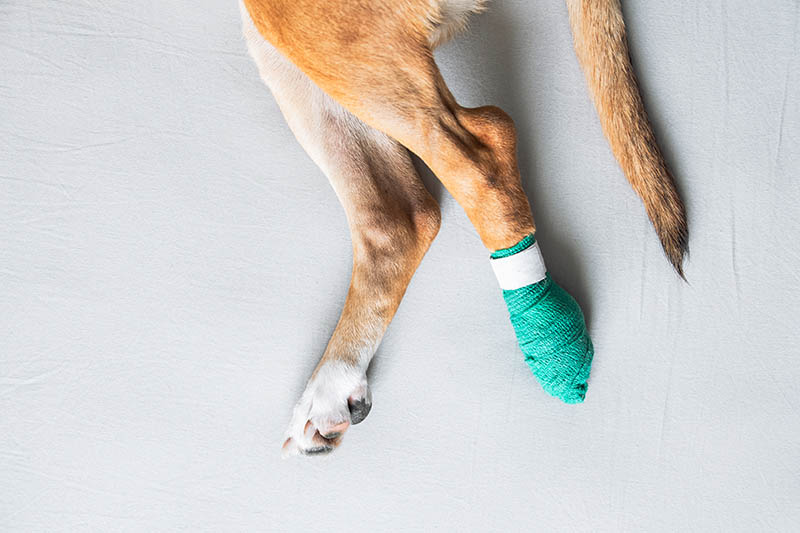
The biggest impediments to blister healing are moisture and licking. One of the easiest ways to stop excessive licking, protect the foot, and allow air to get to the blister is by using something that everyone will have at home: the humble sock! Bandages will often make the foot sweat and trap in moisture, increasing the risk of infection, and if applied incorrectly, can even make things worse.
We suggest you cover the foot with the sock and secure it with some bandage or tape around the bottom of the leg, over the sock, leaving 2-3 inches of sock above the tape. Make sure the bandage/tape is firm enough to keep the sock in place, but not too tight as this can cut off the circulation. If you fold the top of the sock over the bandage/tape, it helps stop your dog from pulling at the tape.
If you happen to have an Elizabethan collar (cone of shame!), this will really help stop your dog from licking.
4. Check Their Paw & Change The Sock
Check the foot and change the sock daily, or if it gets wet or dirty. If your dog seems particularly bothered by the foot, the bandage may be too tight. When they go outside, wrap the foot with a plastic bag or saran wrap to keep it clean and dry.
5. Know When To Go To The Vet
If the blister is no better after 48-72 hours, or if it seems like it is getting worse, it’s time to take them to the vet.
Conclusion
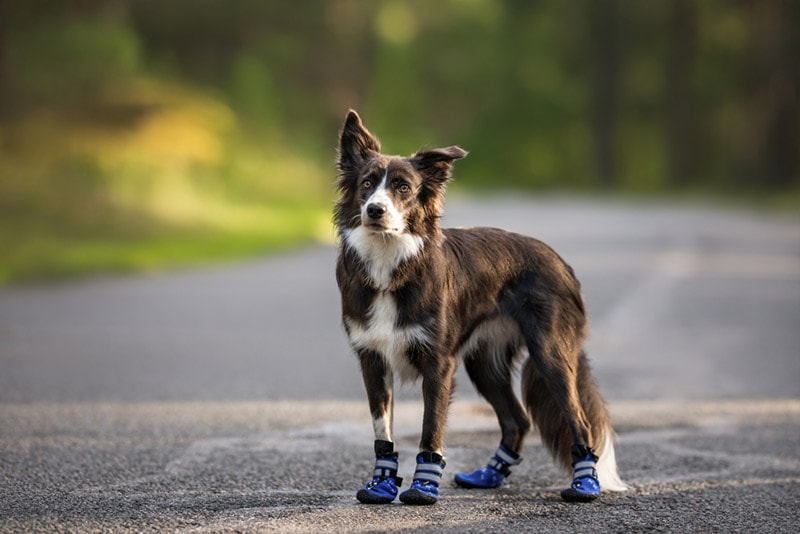
If your canine companion starts limping and licking their foot, there are a number of things that might be the cause. If a blister is to blame, you can use the above tips to give your dog some relief. To avoid blisters developing altogether, avoid sidewalks or tarmac on hot days - use the 7-second rule: if it’s too hot for your hand, it’s too hot for their paws. Remember, you can always get advice from a veterinarian if you’re not sure what to do.
Related Read: How to Treat Anemia in Dogs: Safe Methods (Vet Answer)
Featured Image Credit: PixieMe, Shutterstock
Get Hepper In Your Inbox


Pet care tips from our vets and experts, straight to your inbox.
You may opt-out at any time. View our Privacy Policy for more information.
Karyn has lived in the UK for the past 10 years after moving from Queensland, Australia. In 2010, she graduated from The University of Queensland School of Veterinary Science, and also holds a Bachelor’s degree in Zoology. Karyn is passionate about using evidence, experience, and owner collaboration to provide the best solutions for pets, and believes in making reliable information about animal health accessible to all. She shares her home with 5 cats, 4 dogs, and 1 husband, and when she is not practising as a veterinary surgeon, she spends her time writing, gardening, and cleaning up pet hair!
Karyn comes from Queensland, Australia, but has lived in the UK for the past 10 years. She is passionate about using evidence, experience, and owner collaboration to provide the best solutions for pets, and believes in making reliable information about animal health accessible to all.
She shares her home with 5 cats, 4 dogs and 1 husband, and when she is not practising as a veterinary surgeon, she spends her time writing, gardening, and cleaning up pet hair!
Education
In 2010, Karyn graduated from The University of Queensland School of Veterinary Science and also holds a Bachelor’s degree in Zoology.
Experience
Dr. Kanowski has worked in small animal practice, both in Australia and the UK, and she will be very happy if she never has to see another post-Brexit Animal Export Certificate again! Karyn has special interests in acupuncture and canine behavior and loves challenging surgical cases.
Join the conversation
Ask a question, share your story, or send private feedback.