Hepper is reader-supported. When you buy via links on our site, we may earn an affiliate commission at no cost to you. Learn more.
Iris Atrophy in Cats: Signs, Causes, and Treatment


In this article
Some cat eye diseases can be diagnosed and treated easily, while others require more in-depth analysis and sometimes even the input of veterinary ophthalmologists. One such problem you may occasionally encounter as a cat owner is iris atrophy. This condition generally occurs as your pet ages, though a second type is linked to more serious eye diseases.
Read on to learn about iris atrophy, including the signs to watch for, the causes, and what treatment you should expect once your cat has been diagnosed.

What Is Iris Atrophy?
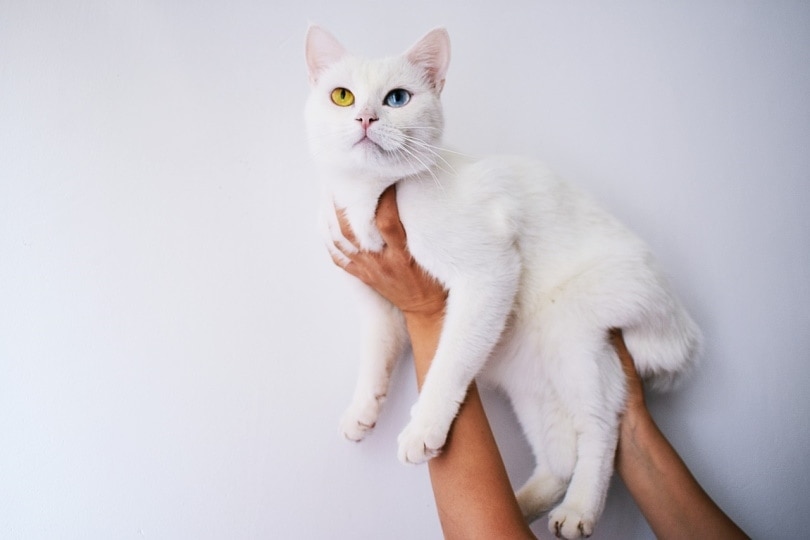
Iris atrophy is a condition that refers to the degeneration of a cat’s iris, the colored part of the eye. This condition can happen to cats of any age or breed, but it is most often seen in cats with blue irises. A secondary type of iris atrophy is caused by chronic inflammation or high intraocular pressure due to glaucoma. Proper diagnosis is essential because this condition is linked to more serious ocular disease.
What Are the Signs of Iris Atrophy?
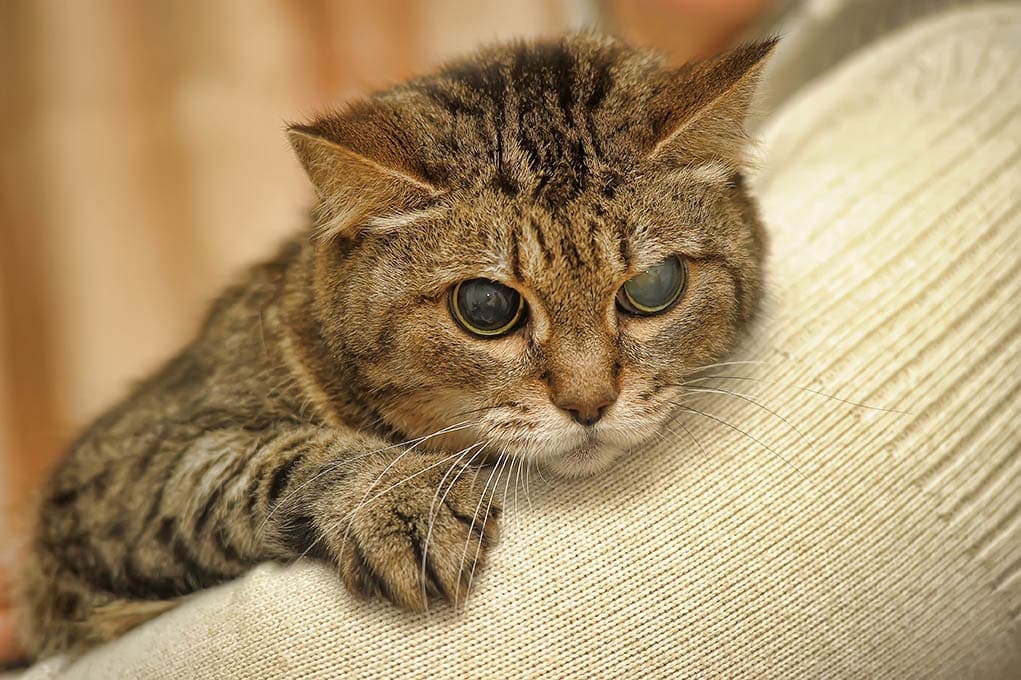
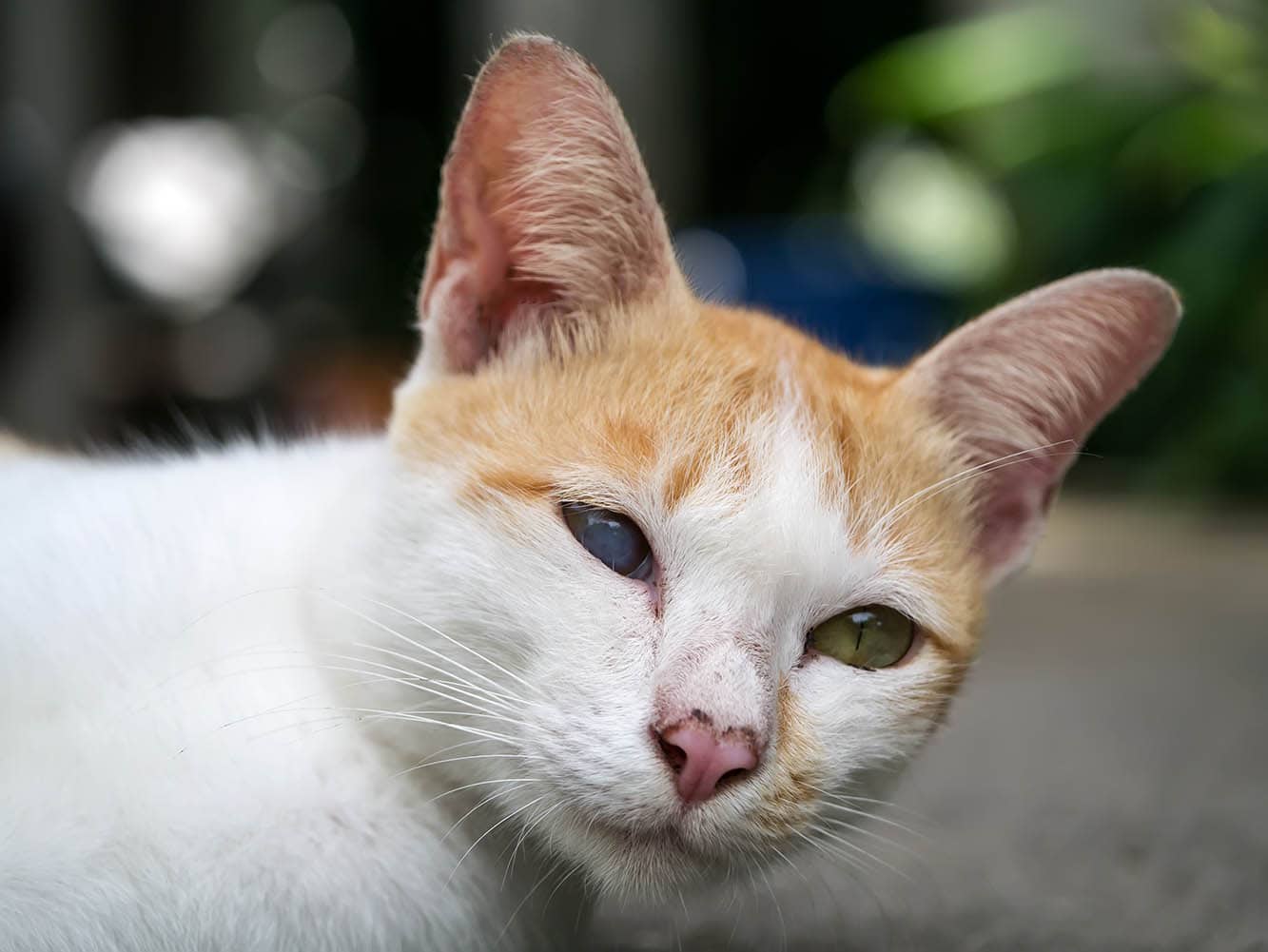
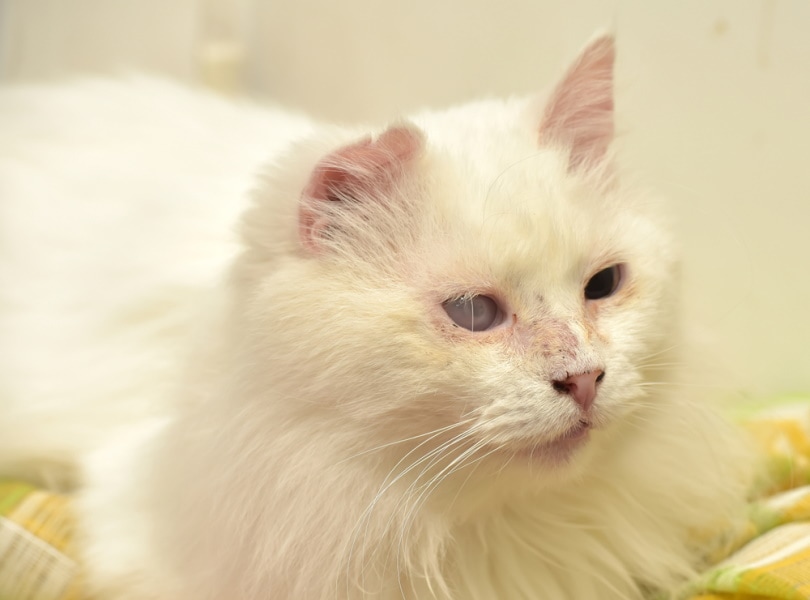
Vision isn’t affected by iris atrophy unless the underlying disease has already caused blindness to your cat, such as glaucoma. However, cats may exhibit some sensitivity to light since iris atrophy affects the normal movement of the iris and causes an inability to close the pupil as a response to bright light conditions. As iris atrophy develops, the inner edge of your cat’s iris can change from smooth and circular to rough-looking or even moth-eaten.
Other signs you may notice include:
If your cat’s iris degeneration is caused by glaucoma, it may exhibit signs such as:
What Are the Causes of Iris Atrophy?
Several things can cause iris atrophy. By far, the most common is normal aging, but other eye problems such as severe ocular trauma, uveitis, or glaucoma can potentially cause iris atrophy.
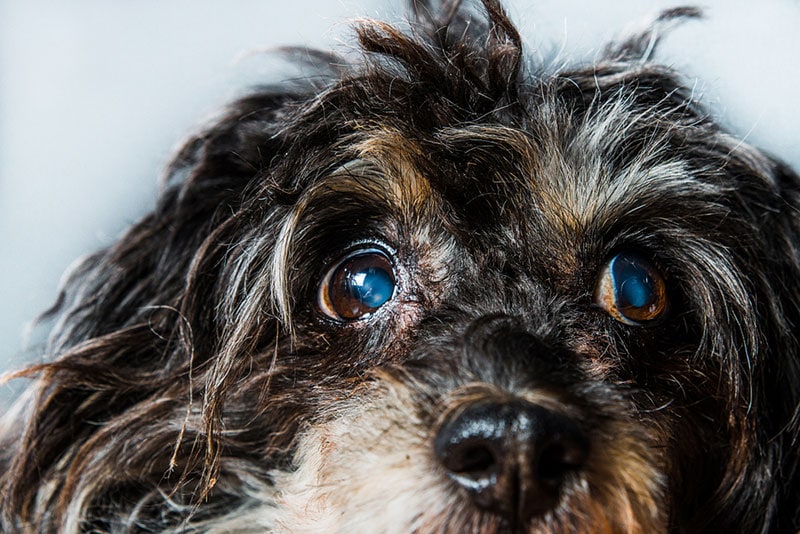
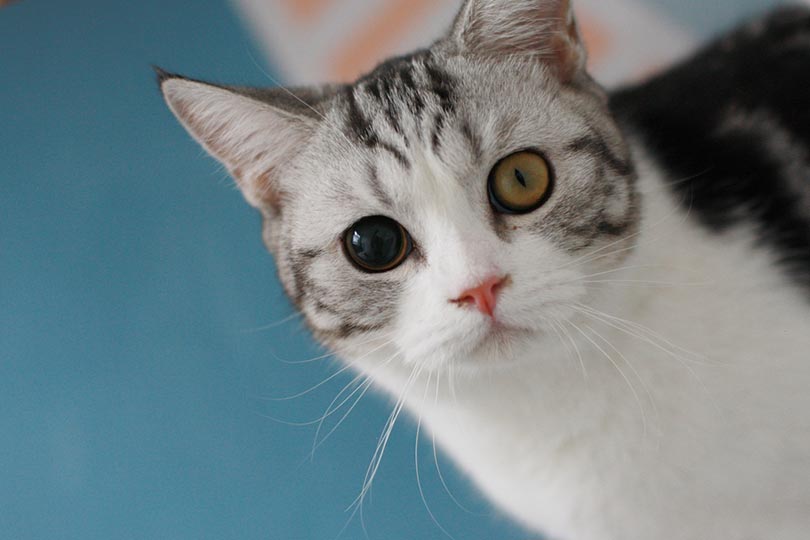
Primary iris atrophy is slow progressing and is seen in previously healthy cats. The iris develops spaces and holes, which can cause the pupil to take on an abnormal shape or form. This condition can happen to cats (and dogs) of any age or breed, though it may be more prevalent in Siamese cats. Though it can be hard to recognize clinical signs of this condition, you may notice anisocoria (one pupil being bigger than the other).
Secondary iris atrophy occurs when chronic uveitis (inflammation of the eye’s uvea, the middle layer of the eye), severe ocular trauma, or glaucoma causes iris thinning and degeneration of the sphincter muscle. Unlike age-related iris atrophy, this type can affect a cat’s vision, mostly due to the underlying disorder.
Finally, senile iris atrophy can occur in older animals of any species. It’s noted by spaces in the iris, irregular pupil shape, and sluggish pupillary reflexes.
How Do I Care for a Cat With Iris Atrophy
Unfortunately, iris atrophy is not reversible. Thankfully, though, it is generally regarded as a benign condition.
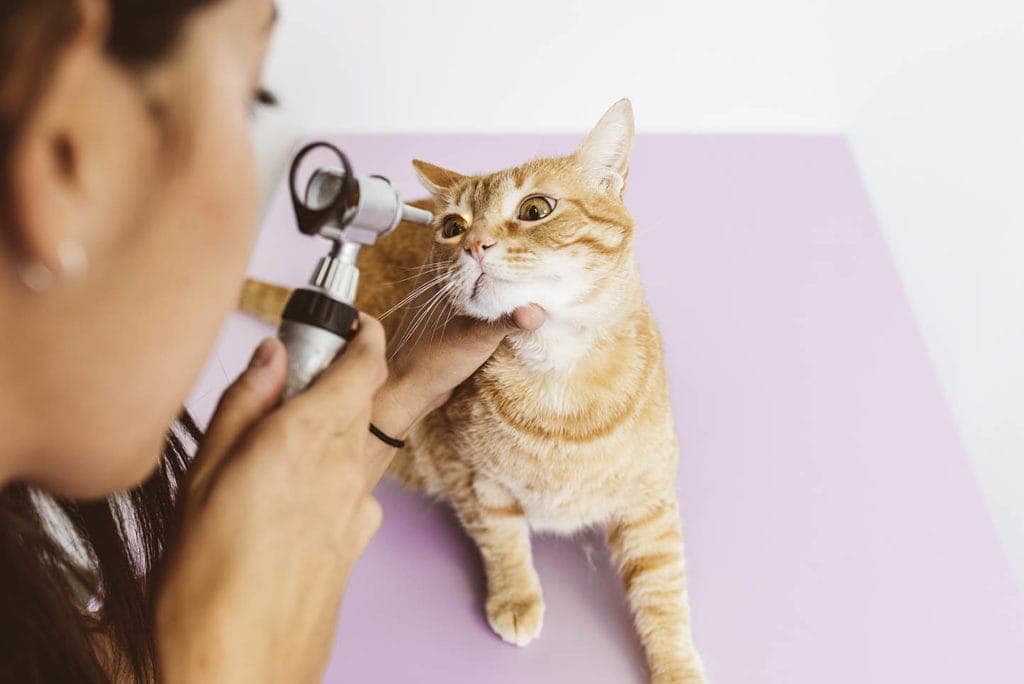
Your vet will examine your cat and make a monitoring or treatment plan depending on the cause of your cat’s iris atrophy. If there is an underlying condition, your vet will focus on treating it; if your cat’s iris atrophy is an age-related change, medical treatment is not necessary.
If your cat’s iris atrophy is due to aging, which is the most common, your vet may recommend avoiding exposure to bright light. Your cat’s iris will lose its normal function and, in advanced cases, won’t close the pupil (also called constriction) with bright light conditions. Your cat may appear photophobic (light sensitive), and your vet may recommend not letting your cat outside during periods of peak sunshine.
If your cat has glaucoma, which is a rare condition in cats, your vet will investigate the reason for this to develop and will treat accordingly. Around 95 to 98% of glaucoma cases in cats are secondary to other eye problems such as uveitis, tumors, or bleeding inside the eye. The treatment will be focused on this underlying disease (if treatable). Additionally, your vet will likely prescribe medication to decrease intraocular fluid production and to provide pain relief. Your cat will likely need to be on medication long-term.
If your cat has chronic uveitis, your vet will focus on understanding the reason behind and reducing inflammation and relieving pain. If an infectious agent is causing the uveitis, anti-infective therapy might be prescribed.
Frequently Asked Questions (FAQs)
How does a veterinarian diagnose iris atrophy?
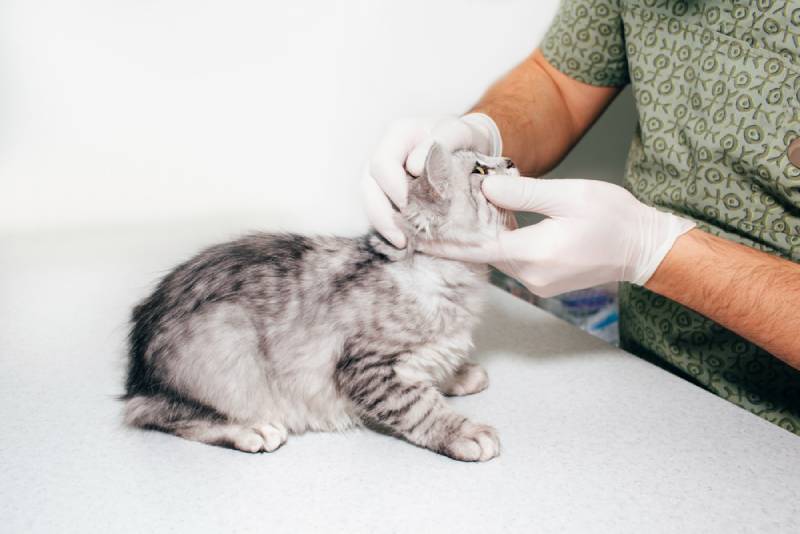
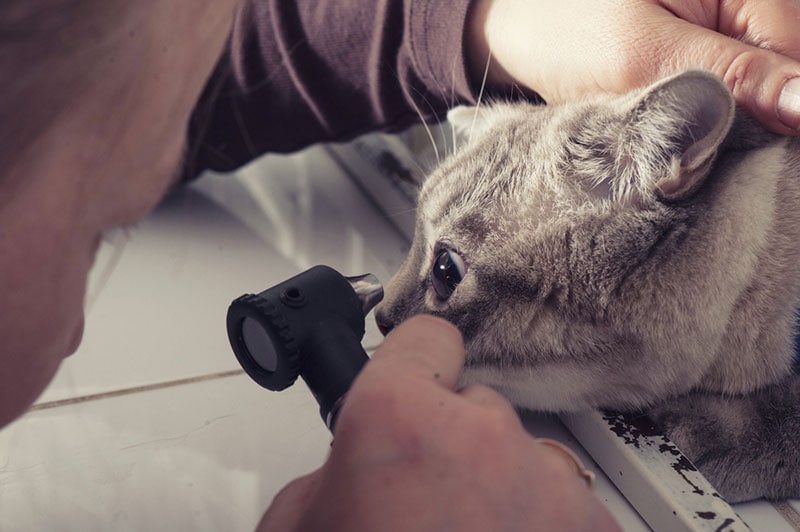
Your vet will begin by performing a full physical and ophthalmological exam. Many different eye problems could be the cause of the signs a cat is exhibiting. This testing will help them differentiate between secondary iris abnormalities and true iris atrophy.
Is iris atrophy a serious condition?
Any iris abnormality should be checked by a vet as soon as it is detected. Iris atrophy caused by aging is typically not a problem. It doesn’t result in changes to your cat’s functional vision and isn’t painful. However, in severe cases, affected cats may exhibit light sensitivity and begin squinting in bright light.
If the degeneration is due to trauma or an underlying eye condition, it is important to see your vet for medical advice. Your cat could go blind if an eye disease goes undiagnosed and untreated for too long.
What other changes might happen to my cat’s eyes as it ages?
As with humans, cats can experience changes in their eye tissues as they age, ultimately affecting their comfort and vision. However, most age-related changes don’t appear on cat ophthalmic exams until around age ten.
According to the American College of Veterinary Ophthalmologists, nuclear sclerosis is the most common eye change seen in aging animals. This refers to the cloudiness or bluish haze in the eye’s lens. Vision doesn’t appear to be significantly impacted. However, cats with this condition will sometimes bump into objects as they get close to them.
Senile retinal atrophy may occur due to thinning of the cellular layers in the retina. Cats with this condition may hesitate when navigating dimly lit rooms, walk slower than usual, or bump into familiar objects. They typically can see very well during the daytime or when the lights are on; however, visual impairment can eventually progress to affect daytime vision.
Final Thoughts
Iris atrophy is a mostly benign condition that happens when a cat ages. However, if you believe your kitty is developing eye issues, it’s time to visit the veterinarian. While iris atrophy can be a normal part of aging, it is important to rule out other potentially serious conditions that could lead to severe health consequences and even blindness.
Featured Image Credit: Peakstock, Shutterstock
Get Hepper In Your Inbox


Pet care tips from our vets and experts, straight to your inbox.
You may opt-out at any time. View our Privacy Policy for more information.
Chantelle's life revolves around two passions: writing and animals. Raised on the prairies of Canada amidst a menagerie of pets, she now lives with five cats, two guinea pigs, and a bearded dragon. Together with her husband and child, Chantelle delights in being an exemplary animal parent, going as far as installing wall-mounted cat shelves to give their cats an indoor playground. When she's not cozying up with her cats or snapping their amusing antics, she enjoys venturing into the Rocky Mountains, binge-watching her favorite Netflix shows, and indulging in spontaneous reading adventures.
Join the conversation
Ask a question, share your story, or send private feedback.