Hepper is reader-supported. When you buy via links on our site, we may earn an affiliate commission at no cost to you. Learn more.
Retinal Detachment in Cats: Causes, Signs & Dangers (Vet Approved)


In this article
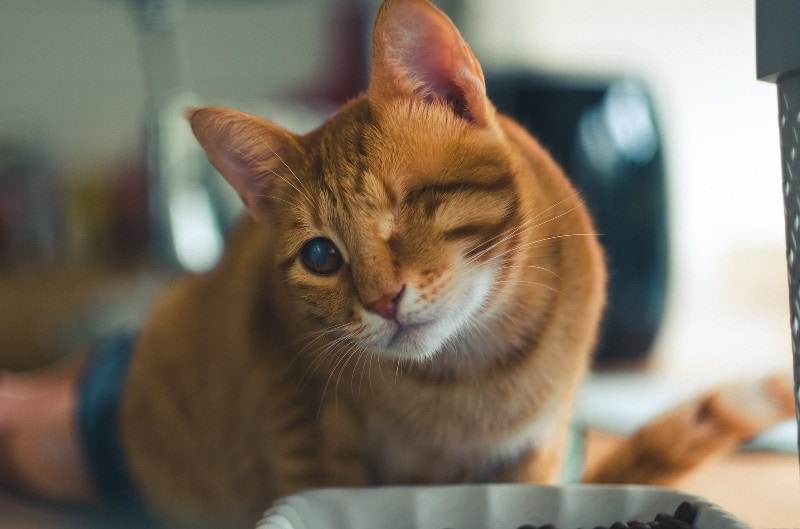
Cats are known for their sharp eyesight and good night vision. But some medical conditions can cause this eyesight to fail them. Retinal detachment is one of the more common causes of blindness in cats, and sadly many cats will experience this condition as they age. It often goes hand in hand with other underlying causes, so good health management reduces the chance that your cat will ever have to experience a detached retina. But it’s important for every owner to be on the lookout for signs of vision loss in their cat in case retinal detachment takes you by surprise.

What Is Retinal Detachment in Cats?
Retinal detachment is a condition that usually affects older cats and cats with certain underlying conditions. The retina is the light-receptive layer of cells in the back of the eye that is responsible for vision. When it is subject to trauma or high blood pressure, two layers of the retina can begin to separate from each other. This causes a loss of vision and can lead to permanent blindness if left untreated. Partial retinal detachment occurs when only a small part of the retina separates. Complete or total retinal detachment can also occur, causing total blindness.
Often, retinal detachment is progressive, beginning with partial detachment and worsening over time, however this can be over a short period of time. This detachment can occur in one eye or in both eyes. Most types of retinal detachment are at least partially treatable if caught quickly, so prompt diagnosis is key to helping your cat recover sight. In minor cases, treating the underlying cause will let your cat’s retina heal on its own. In severe cases, surgery might be necessary to repair damage to the eye. Consulting with your vet will help you decide what the best treatment is for your cat.
What Are the Causes of Retinal Detachment in Cats?

Retinal detachment has several causes and varies from cat to cat. In general, retinal detachment is caused by altered pressures to, or in, the eye. This pressure is sometimes caused by inflammation or trauma to the eye. Another common cause is hypertension or elevated blood pressure. Hypertension can cause the blood vessels of the eye to leak and exert pressure on the retina. Hyperthyroidism, kidney diseases, tumors and endocrine diseases can cause retinal detachment as well.
Another possible cause of retinal detachment is congenital defects. Some cats are born with minor defects in the eye that cause extra susceptibility to retinal detachment. Congenital defects may cause detachment beginning at birth, or it might increase the likelihood of detachment later in life.
The final major cause of retinal detachment is trauma to the eye. An eye injury can cause sudden retinal detachment. In some cases, a wound to the area around the eye can cause detachment because of swelling or infection even if the eye itself isn’t visibly injured. This detachment might not occur immediately. In some cases, surgery to the eye can cause a change in pressure leading to retinal detachment. It’s important to watch your cat carefully after cataract or glaucoma surgery in case retinal detachment occurs at any point in the healing process.
For some cats there is no underlying cause for the retinal detachment found.
What Are the Signs of Retinal Detachment in Cats?
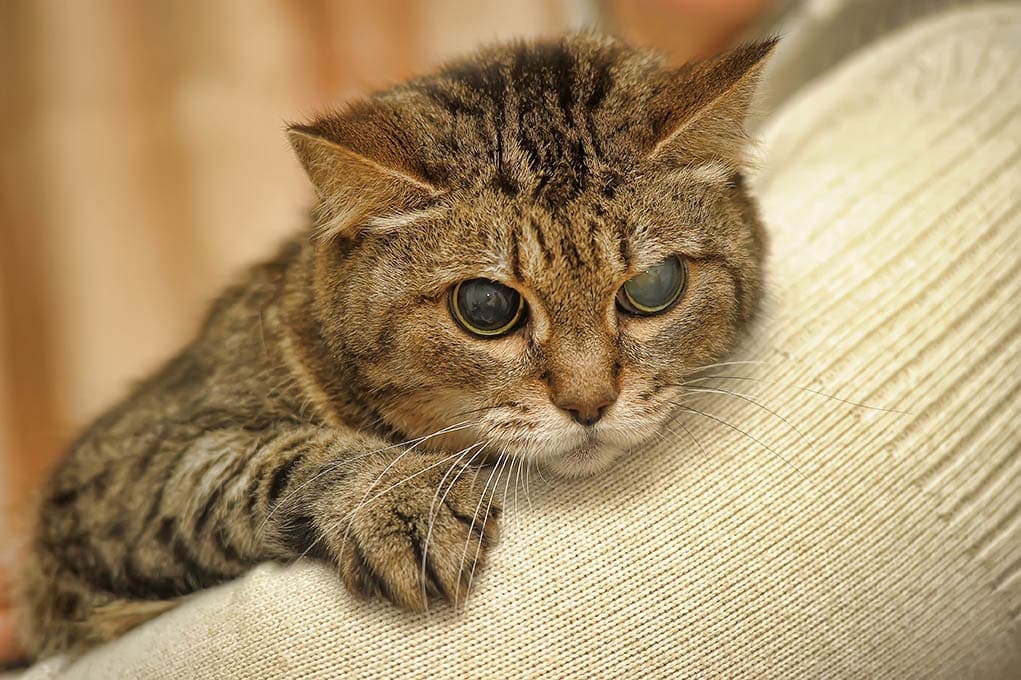
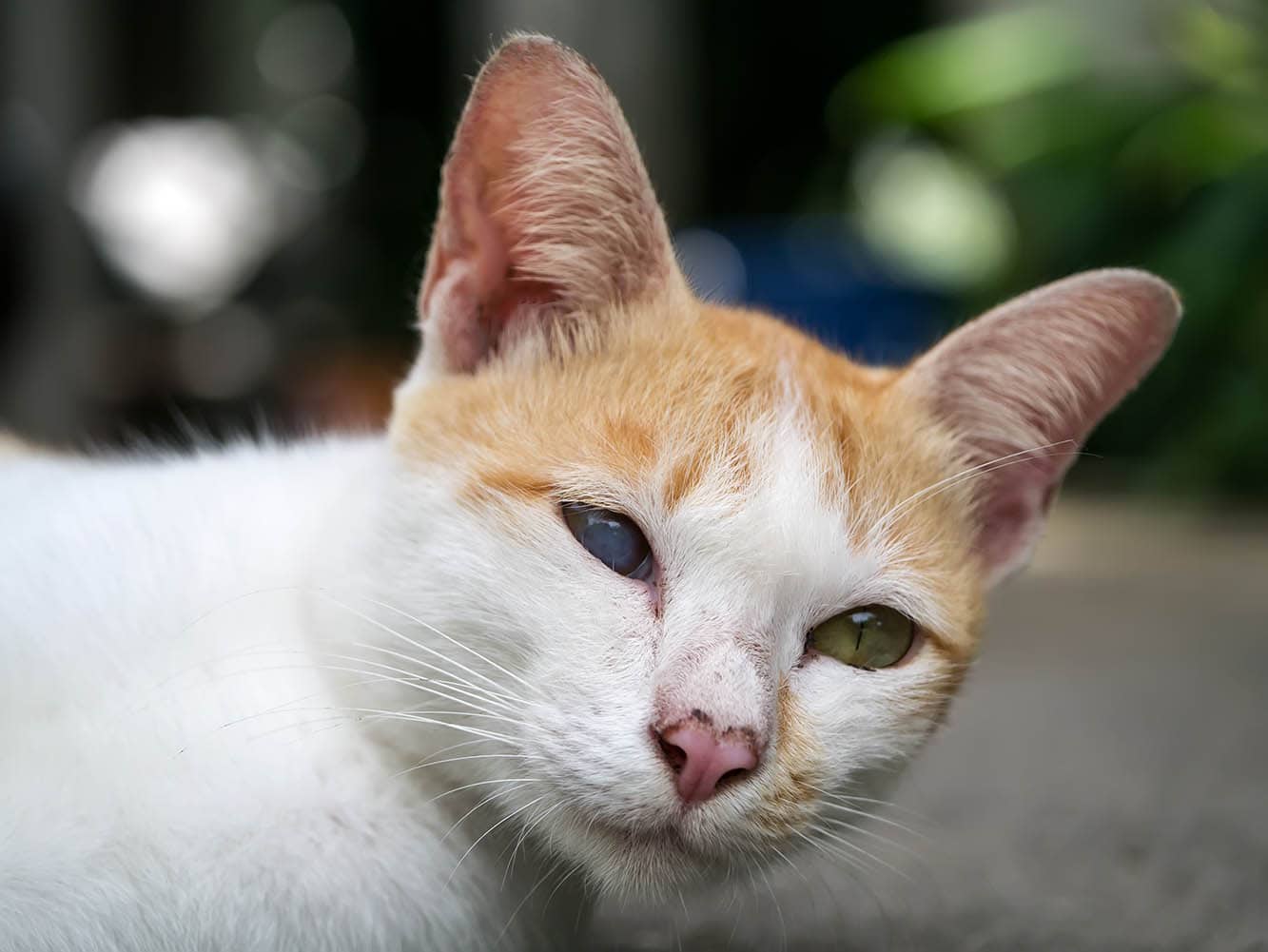
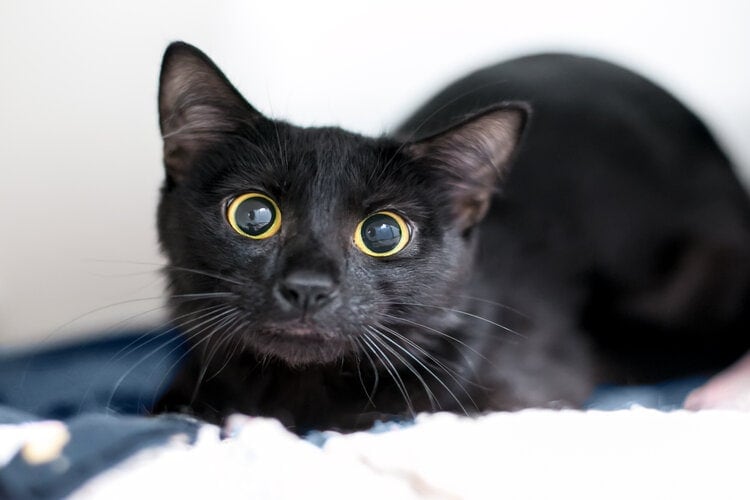
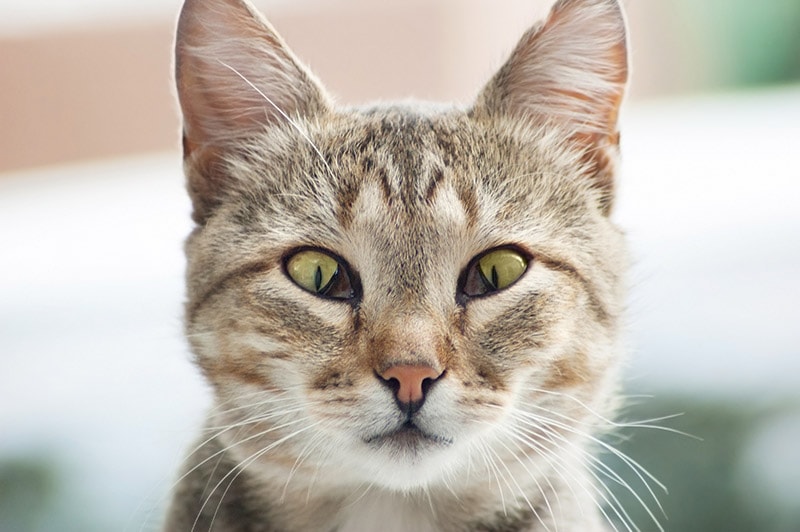
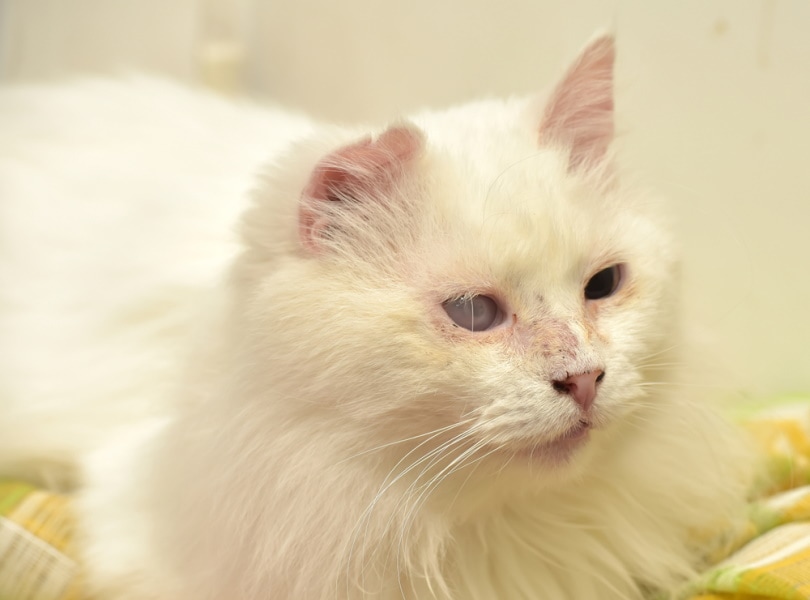
Retinal detachment in cats is generally only visible to vets with an ophthalmoscope, however there are signs that can alert you to a problem. Changes in behavior might tip you off to failing vision caused by a detached retina. Look for signs of blindness such as reduced movement, bumping into things, head bobbing, startling more easily, or tripping often. Your cat may fail to respond to visual cues such as silent toys moving in front of their face. If your cat is only suffering from detachment in one eye, you might notice that your cat startles more easily when approached from one direction. Another common tip-off to vision loss is eyes that are dilated unevenly or that are fully dilated and don’t react normally with changes in light. Owners may notice that there appears to be blood in the eye or that the pupil seems to be pale rather than black.
Because retinal detachment is often caused by underlying conditions, a diagnosis of an underlying condition should put you on the alert for signs of vision loss. If your cat is diagnosed with hypertension or thyroid issues, keep a close eye on them to catch retinal detachment quickly.
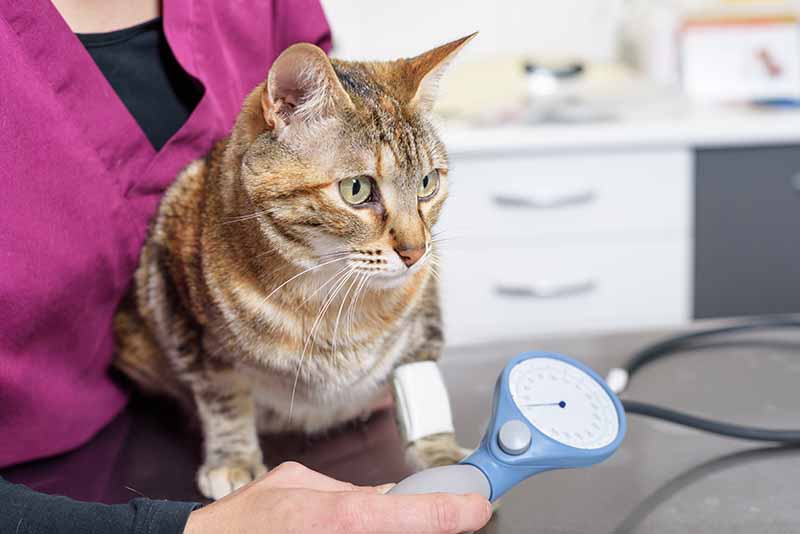
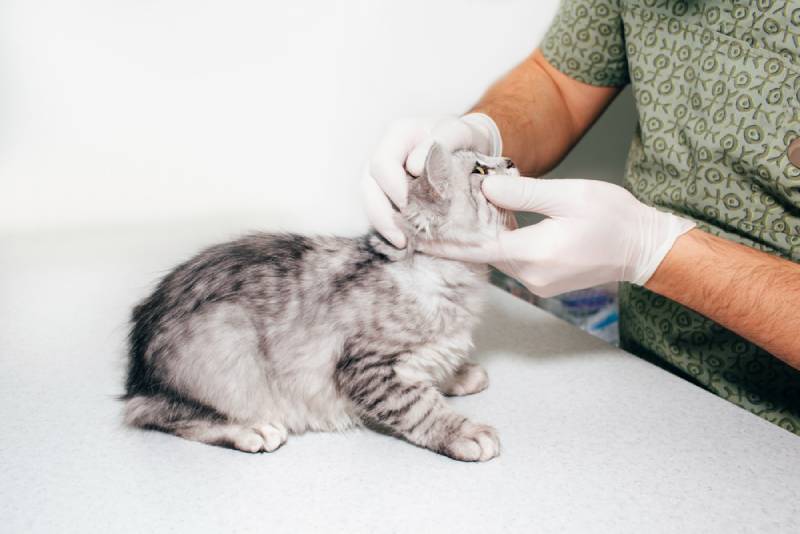
If you suspect your cat is suffering from retinal detachment, make an appointment with your vet to confirm it as soon as possible. Vets can examine the retina by using a device called an ophthalmoscope that will allow them to see into the eye more clearly. Blood tests, blood pressure measurement and eye pressure may also need to be checked. Knowledge of any medical history that might make retinal detachment more likely can help your vet to make a diagnosis as well.
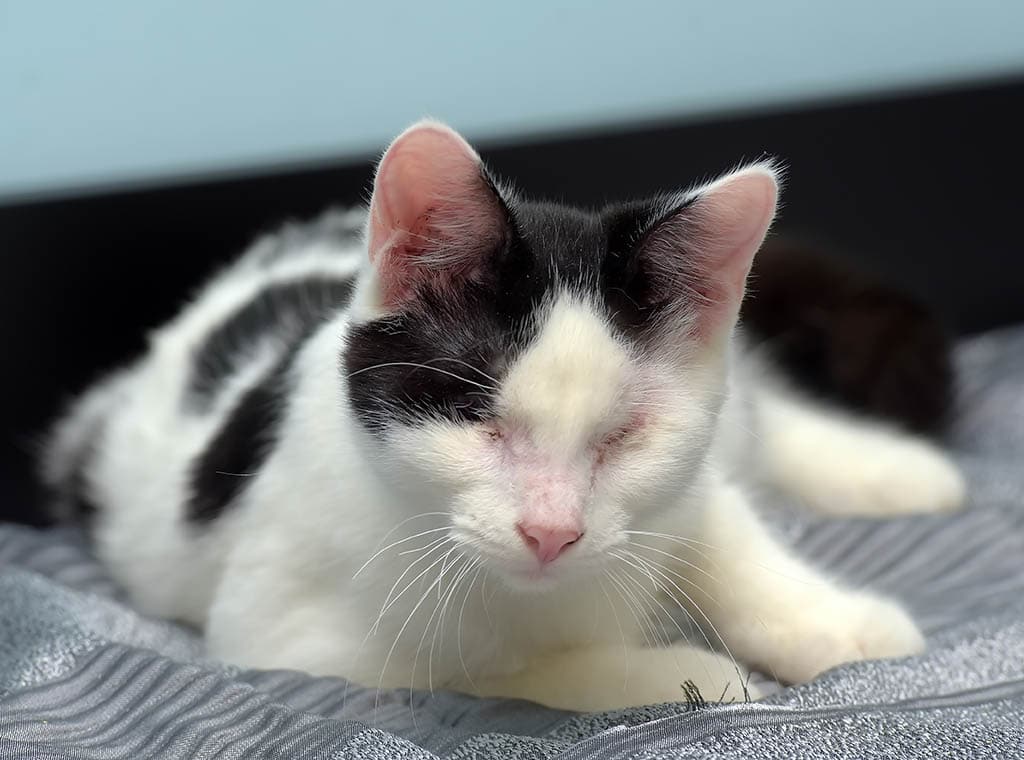
What Are the Potential Dangers of Retinal Detachment in Cats?
The major danger of retinal detachment is permanent and complete vision loss. Both partial and complete retinal detachment will have an effect on your cat’s vision, and partial retinal detachment can worsen over time. If left untreated, total blindness can occur. In some cases, the damage to your cat’s retina will be irreversible, especially if it is left untreated for too long.
Retinal detachment can also be a sign of other underlying conditions. Several different health conditions can cause retinal detachment, including high blood pressure, hyperthyroidism, kidney disease and inflammation. If your cat is diagnosed with a retinal detachment without obvious cause, a full screening may be recommended to ensure that it isn’t a symptom of a previously undiagnosed health condition.
Frequently Asked Questions (FAQs)
How Common Is Retinal Detachment?
Retinal detachment is one of the most common causes of blindness in cats, but it is still relatively rare. It is more common in older cats and cats with underlying health conditions.
Is Retinal Detachment Always Curable?
The degree of recovery from retinal detachment depends on many factors. In some cases, damage to the retina is too great to allow for vision recovery, especially if it isn’t noticed quickly. In many cases, treatment of underlying causes or surgery can restore some or all vision.
Can Retinal Detachment Heal on Its Own?
There are no medications to directly target the retina and to make it heal. By treating the underlying cause of retinal detachment and removing the initiating cause, the detachment can be allowed to heal by itself. Often lifelong medication is required to keep the underlying condition under control. However, in some cases more direct specialist surgical care is needed.
Conclusion
Retinal detachment is a serious but manageable condition that many cats experience as they age. It can often be treated by managing underlying causes, but in some cases, surgery is needed to care for your cat. If the condition is left untreated for too long, permanent damage will occur. Because of this, it’s important to be alert and aware of possible vision changes in your cat, especially if they are at higher risk of retinal detachment. Seek veterinary advice straight away if you think your cat is losing their vision.
Sources
Featured Image Credit: Anna Krivitskaya, Shutterstock
Get Hepper In Your Inbox


Pet care tips from our vets and experts, straight to your inbox.
You may opt-out at any time. View our Privacy Policy for more information.
Chelsea Flake Mortensen is a writer with a passion for pets. She grew up around everything from cats to chameleons and loves working with all kinds of animals. Chelsea has a BA in English and Creative Writing from Brigham Young University.
Chelsea loves reading, writing, sewing, and board games. She's lived in half a dozen US states and two countries. She is currently living in New England with her husband. Her articles have been featured in various magazines and literary journals for children and adults. Her writing has been translated into over 40 languages.
Join the conversation
Ask a question, share your story, or send private feedback.