Hepper is reader-supported. When you buy via links on our site, we may earn an affiliate commission at no cost to you. Learn more.
Iris Atrophy in Dogs: Signs, Causes & Treatment (Vet Answer)

In this article
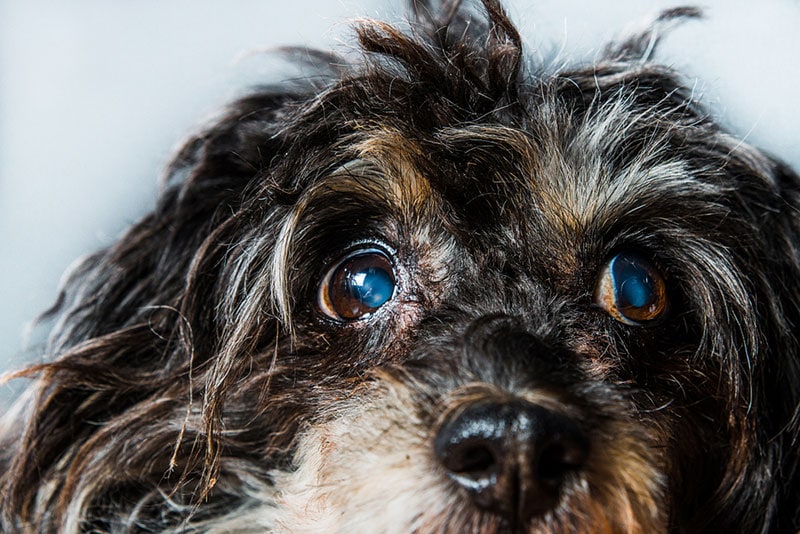
Iris Atrophy is a common, benign, age-related eye condition that affects many dogs worldwide. It involves a progressive weakening and thinning of the muscles in the iris, causing your dog to have uneven or misshapen pupils, small “holes” in the iris, and a slow and incomplete response to light. In this article, we will discuss what Iris Atrophy is, the signs to look out for, its cause, how to care for a dog with Iris Atrophy, and some frequently asked questions.

What Is Iris Atrophy in Dogs?
Iris Atrophy is a degenerative eye condition where the muscles in the iris, the colored part of the eye responsible for controlling the amount of light entering the eye, start to thin and lose functionality. As the weakening of the muscles progresses, the iris loses its ability to contract and expand properly, which can lead to photophobia (sensitivity or discomfort when exposed to light) and changes to the shape and size of the dog’s iris and pupil. The pupil is the round opening in the center of your dog’s iris.
What Are the Signs of Iris Atrophy in Dogs?
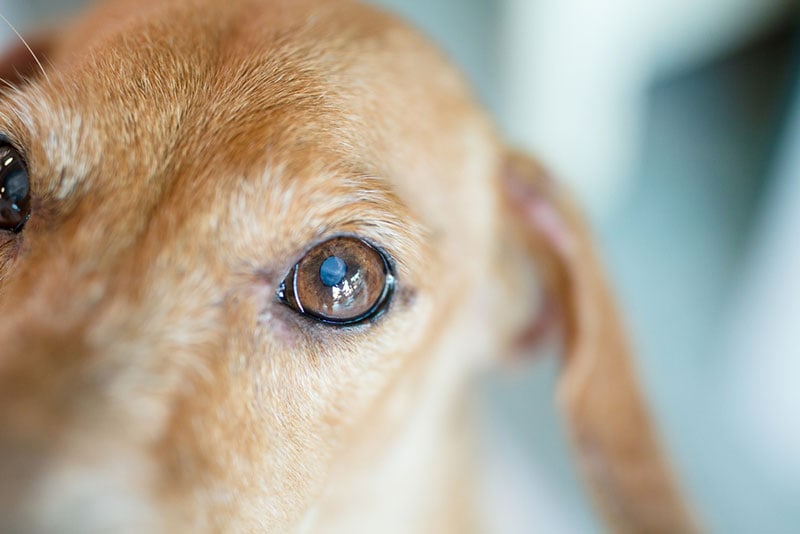
Iris atrophy is a condition that affects the iris, the colored part of the eye responsible for controlling the amount of light that enters the eye. It's important to recognize the signs of iris atrophy, which is a benign condition, and to differentiate it from other eye problems that can cause light sensitivity or pupil changes so you can seek prompt veterinary care when noticed.
It is important to mention that iris atrophy does not cause any vision problems, pain, or changes to the color of your dog’s pupil, therefore if you notice any of these signs, you must contact your vet for an eye exam. Here are some common indicators that your dog may be experiencing iris atrophy.
1. Increased Sensitivity to Light or Squinting
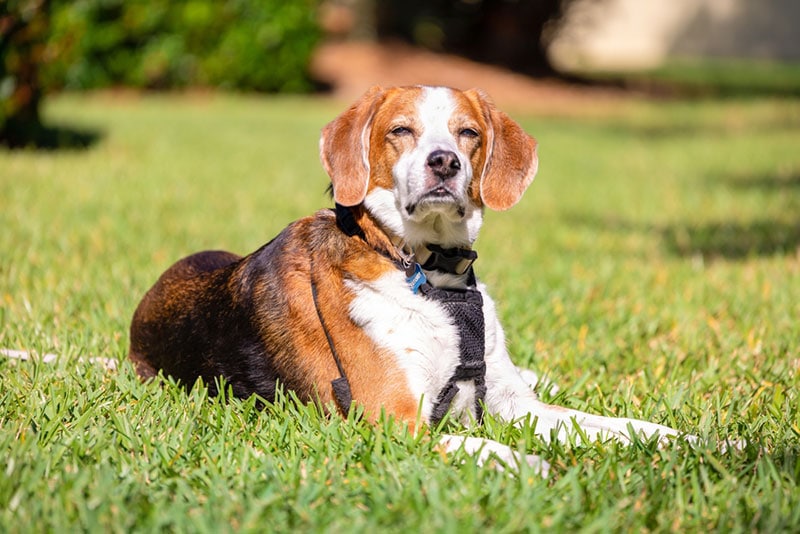
Dogs with iris atrophy may become more sensitive to bright sunlight or other sources of intense light. This is because the iris loses its ability to move and properly regulate the amount of light entering the eye by constricting the pupil (making it smaller). As a result, your dog may squint or seem slightly uncomfortable in well-lit environments, turning their head or looking away from light sources.
Squinting is not related to pain or discomfort and tearing does not occur with iris atrophy. If you observe any of these signs in your dog, it's crucial to consult with your veterinarian for a proper diagnosis. Iris atrophy does not require any treatment but other eye conditions do. Early intervention can help detect and treat eye problems that may affect your dog.
2. Unevenly Sized Pupils (Anisocoria)
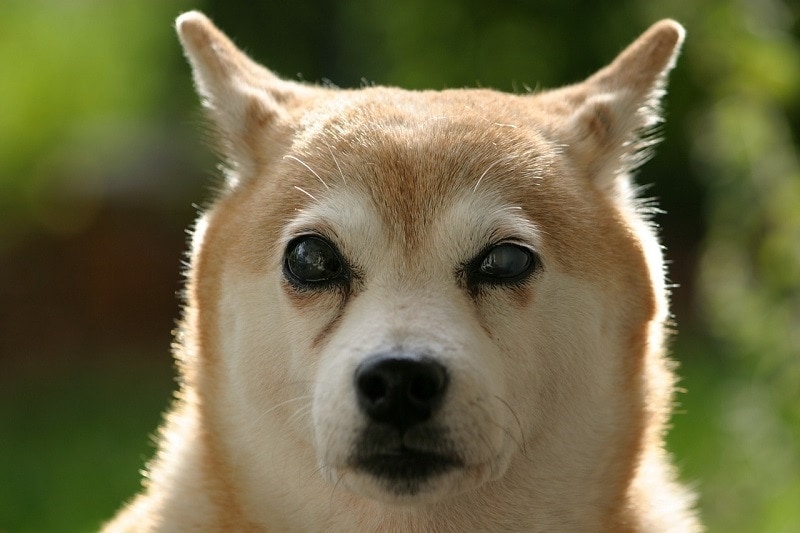
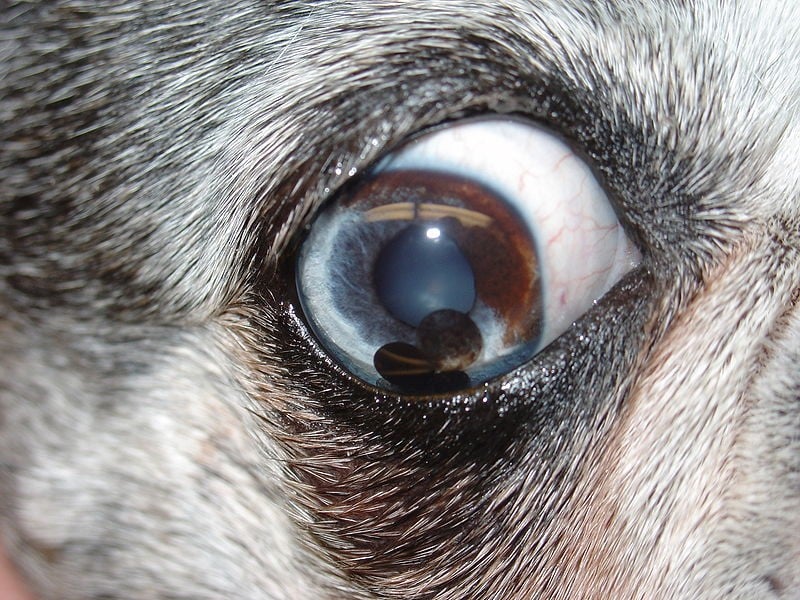
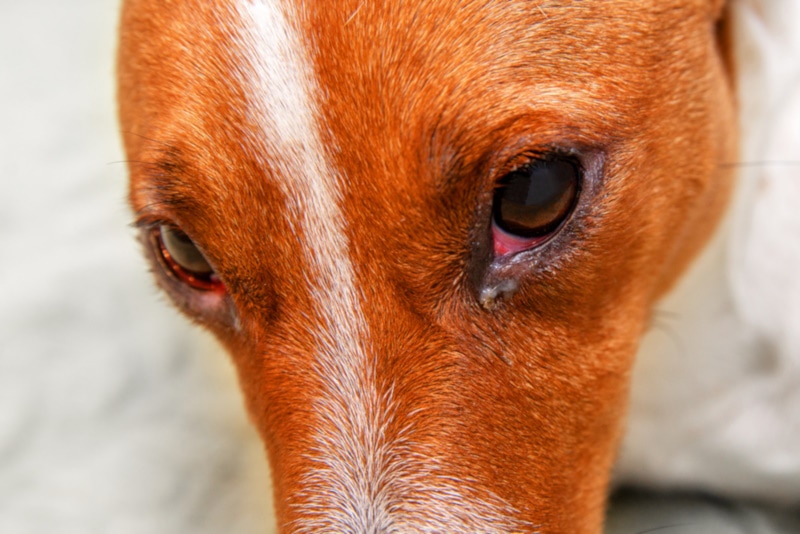
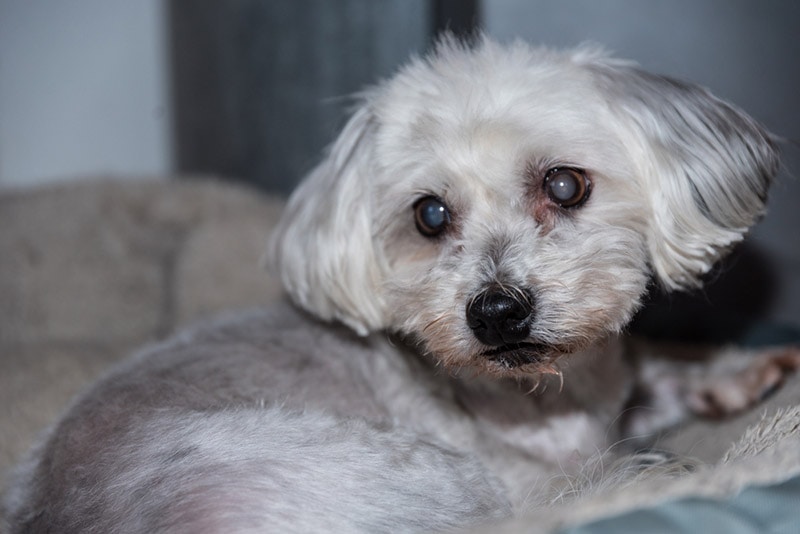
Another common sign of iris atrophy is anisocoria, which refers to pupils that are uneven in size. This is caused by the irregular shrinking of the iris tissue. Iris atrophy usually occurs in both eyes but at different times, therefore both pupils may appear different in size and shape.
3. Irregularities in the Iris and Pupil
The pupil may develop a rough, irregular border, and the iris may look mottled or paler as a result of atrophy. This change in appearance is due to the degeneration of the iris tissue.
4. Changes to the Appearance of the Eyes
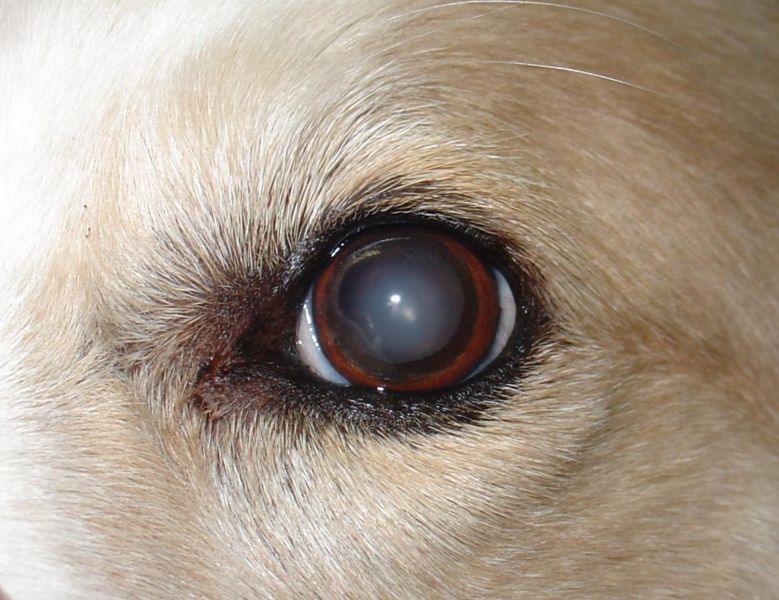
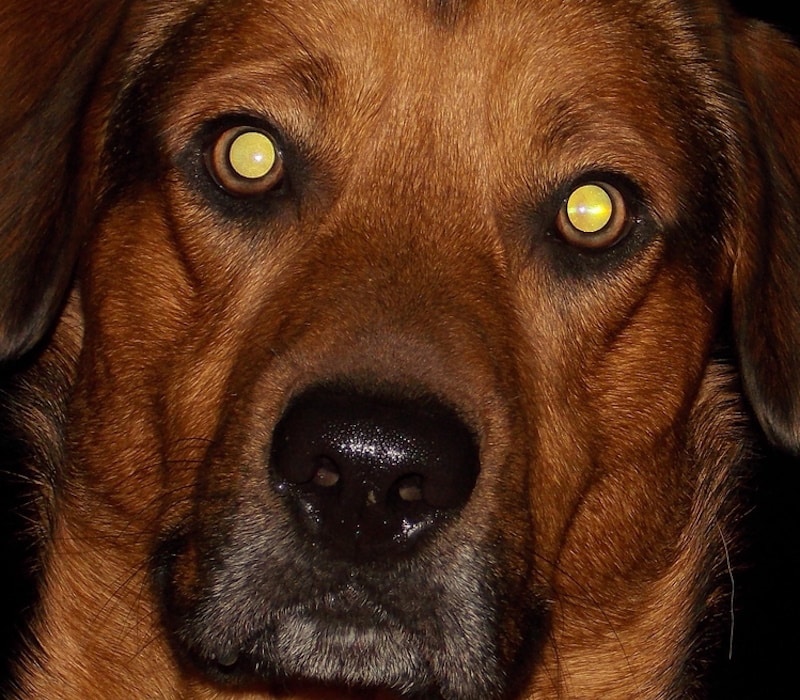
As the condition progresses, your dog’s pupil may appear completely dilated and therefore the appearance of your dog’s eye may change. The internal structures such as the lens or the back of the eye might be more evident. If your dog has cataracts, these will be more easily seen through their pupils. The bright reflection from the back of your dog’s eyes (tapetum lucidum) will also be more obvious at night.

What Are the Causes of Iris Atrophy?
Iris atrophy is a degenerative eye condition. The cause of iris atrophy is aging, as the tissues in the eye naturally degenerate over time.
Iris atrophy can affect any dog breed but it is more common in breeds such as Poodles, Chihuahuas, and Miniature Schnauzers. Knowing your dog's breed and its associated health risks can help you monitor for signs of disease and seek early intervention if needed.
How Do I Care for a Dog With Iris Atrophy?
Caring for a dog with iris atrophy requires ongoing attention to adapt to your dog’s needs. Here are some steps you can take to care for a dog with iris atrophy:
1. Regular Eye Exams
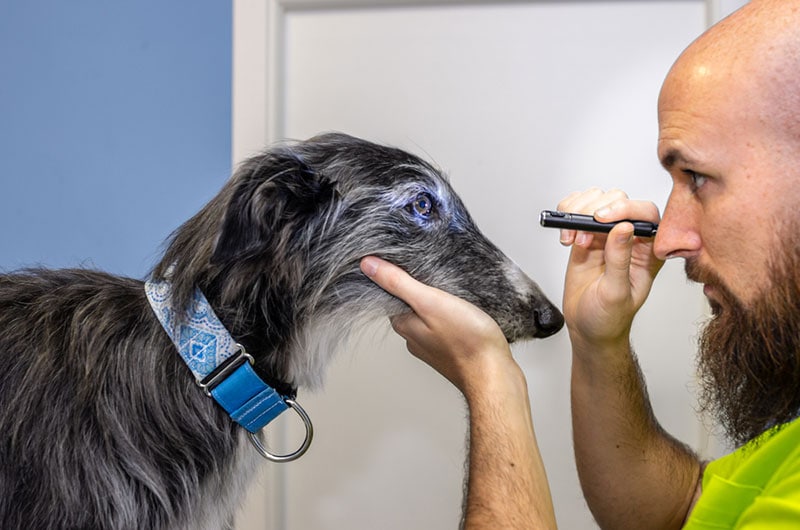
Schedule regular check-ups with your vet to monitor the progression of the condition. This will help ensure that any changes in your dog's eye health are promptly addressed and managed, preventing further complications.
2. Environmental Adjustments
This will only be necessary in severe cases and directed towards making adjustments to your dog's environment to accommodate their reduced ability to adapt to bright light conditions. This may include avoiding very bright ambient lights and walking during maximum daylight hours.
3. Protective Eyewear
Consider using protective eyewear like dog goggles to shield your dog's eyes from bright sunlight. This can help reduce discomfort caused by increased light sensitivity.
Frequently Asked Questions (FAQs)
Can iris atrophy lead to blindness in dogs?
No, iris atrophy is a benign age-related change and it is not associated with blindness.
Are there any preventative measures I can take to reduce the risk of iris atrophy in my dog?
As with other age-related issues, you cannot prevent iris atrophy from developing. However, you can take steps to maintain your dog's overall eye health. Regular veterinary check-ups and providing a safe environment can help reduce the risk of health problems.
Is iris atrophy painful for dogs?
Iris atrophy is not painful. It can just cause light sensitivity since the iris cannot respond appropriately to bright light and the pupil can’t constrict as it should.
Can iris atrophy affect both eyes?
Yes, iris atrophy usually affects both eyes, although it may not always occur simultaneously or progress at the same rate in both eyes.
Is there a treatment option for iris atrophy?
There is no treatment for iris atrophy, as it is a degenerative condition. Its progression can’t be slowed down either. However, there is no need to worry since it is not considered a disease.
How can I tell if iris atrophy is affecting my dog's vision?
You may notice your dog squinting on turning their head in bright light conditions. You may notice abnormal or uneven pupil shape but this does not affect their vision. If you notice that your dog's vision is deteriorating, like difficulty navigating in low-light conditions or at night, bumping into objects, hesitation when encountering obstacles, or changes in behavior, you must consult with your veterinarian for an evaluation and appropriate care since these changes are not related to iris atrophy.
Conclusion
Iris atrophy in dogs is a benign age-related change that can make your dog’s iris and pupil look misshapen or uneven. You may find that your dog does not adapt well to bright light conditions and seems photophobic. Knowing the signs of iris atrophy will help you differentiate them from those of other eye problems so that you can address and seek veterinary advice as soon as they appear.
Sources
Featured Image Credit: BOKEH STOCK, Shutterstock
Get Hepper In Your Inbox


Pet care tips from our vets and experts, straight to your inbox.
You may opt-out at any time. View our Privacy Policy for more information.
Marta has been a veterinarian for over sixteen years working across the UK and Spain and as a remote veterinary consultant. She has wide experience in small animal internal medicine and surgery with a soft spot for cats.
Her main fields of interest are ophthalmology and critical care medicine enjoying every single aspect of animal’s care, and she is a member of the Royal College of Veterinary Surgeons. Marta enjoys sharing the most helpful information with pet parents across the world about every aspect of their life with their beloved ones.
As one of our in-house veterinarians, Marta enjoys sharing the most helpful information with pet parents across the world about every aspect of their life with their beloved ones. She loves knowing that she can support our readers and communicate about any medical topic that might be relevant to your pet’s health and well-being.
Education
Marta graduated from Cardenal Herrera-CEU University in Valencia, Spain. She holds two Ophthalmology Certificates, GPCert Ophthal from ESVPS and UAB.
Experience
Marta has been a veterinarian for over sixteen years working across the UK and Spain and as a remote veterinary consultant. She has wide experience in small animal internal medicine and surgery with a soft spot for cats. Her main fields of interest are ophthalmology and critical care medicine enjoying every single aspect of animal’s care. Marta is a member of the Royal College of Veterinary Surgeons.
Join the conversation
Ask a question, share your story, or send private feedback.