Hepper is reader-supported. When you buy via links on our site, we may earn an affiliate commission at no cost to you. Learn more.
Is Acrylic Paint Safe for Dog Paws? Safety Tips & Alternatives


In this article
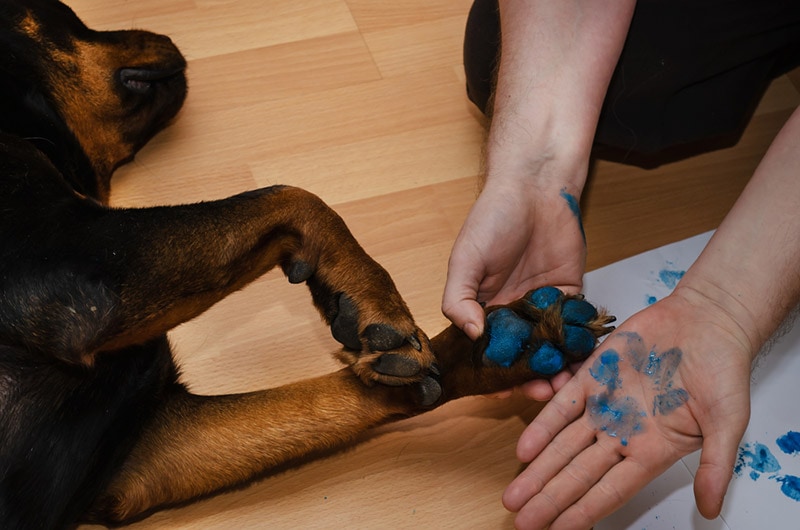
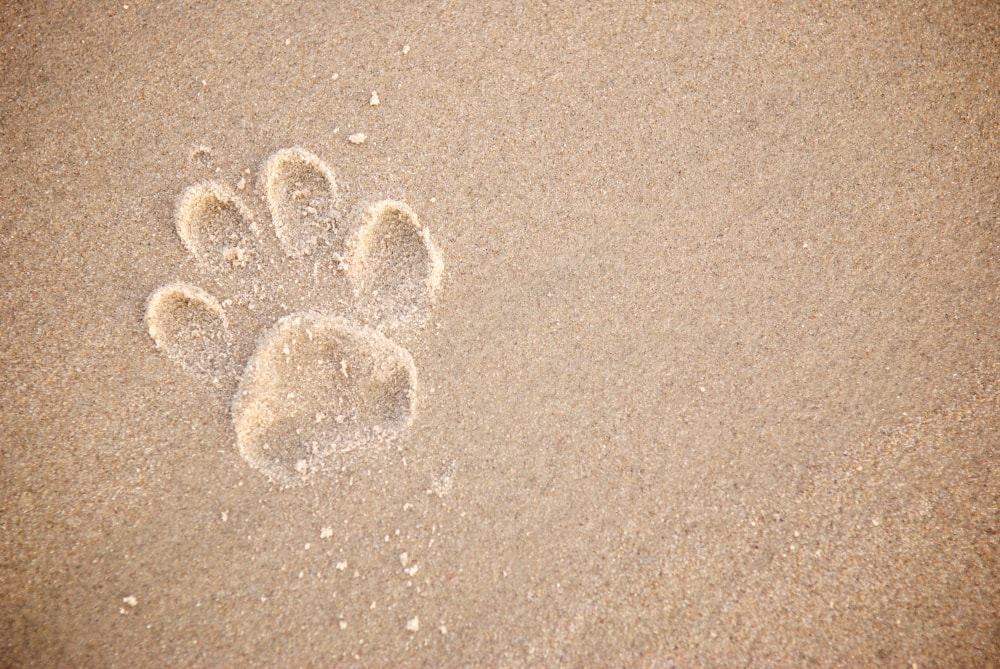
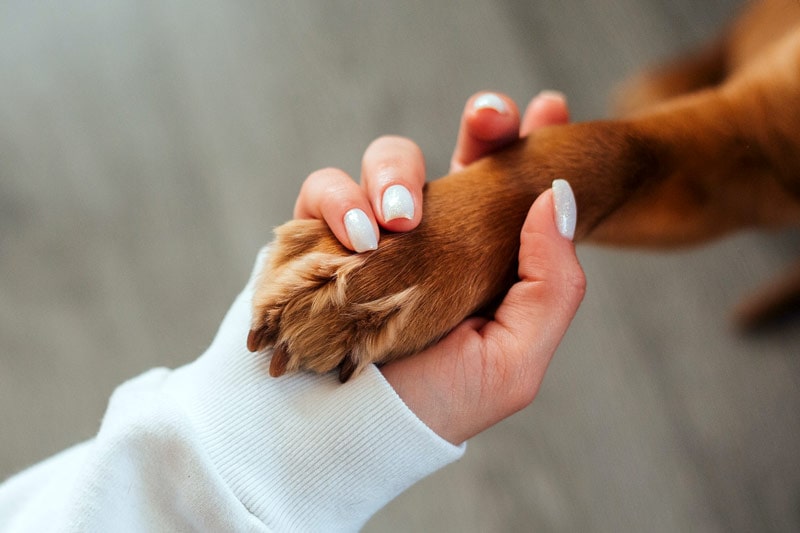
Many dog parents use acrylic paint to paint their dog's paws and press them onto a piece of paper in order to save the prints forever. While this activity is adorable, some people may wonder if acrylic paint is safe for dog paws.
Most acrylic paints are non-toxic to dogs and their paws, as long as they don't ingest them in large amounts.
Keep reading to learn more about acrylic paint and its effect on dogs and their paws and to discover suitable replacements for acrylic paint!

What Is Acrylic Paint? Is It Toxic to Dogs?
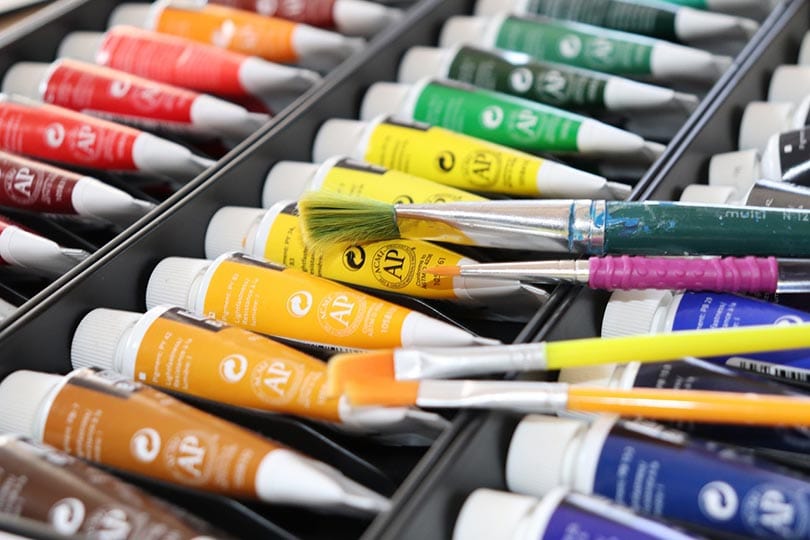
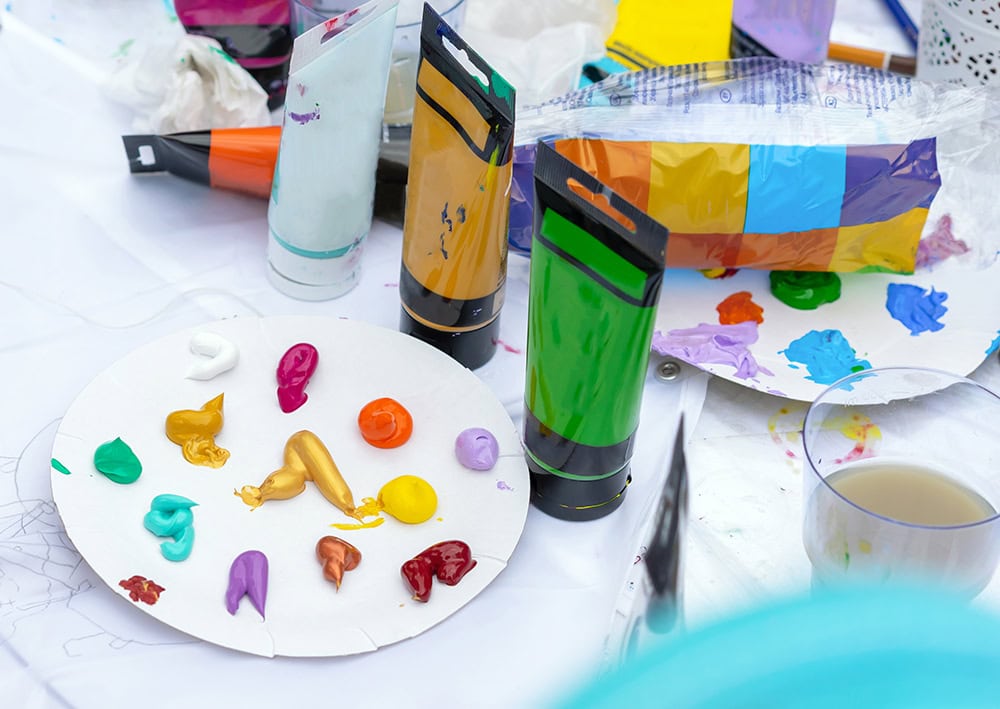
People in various industries use acrylic paint, as this fast-drying paint can color almost anything. Acrylic paint is typically water based and contains ingredients like pigments, silicone oils, plasticizers, stabilizers, etc.
Some of these ingredients can be harmful to your dog, especially the pigments 1, as many contain heavy metals and are toxic to humans and animals. It’s also common for acrylic paint to contain chromium, cobalt, manganese, and similar chemicals that may harm canines.
Still, most acrylic paints that are water based are typically safe and not toxic to your dog and their paws; the only way that acrylic paint could cause toxicity is through the ingestion of large amounts of paint.
Therefore, you should be careful when handling paint around your pets; don’t let them eat the paint, and always be around to react in case something happens.

Is Acrylic Paint Safe for Dogs’ Paws?
Most acrylic paints are safe for your dog’s paws, but you should always check which pigments your paint contains to ensure that none are toxic to your furry friend.
Placing acrylic paint on your dog’s paws won’t cause any health-related problems. However, as there’s a possibility of toxicity if your canine consumes the paint, so you'll need to ensure that your dog doesn’t do that.
What Would Happen If My Dog Ate Acrylic Paint?
While getting acrylic paint on your dog’s paws shouldn’t cause any harm if appropriately removed before they ingest it, if they consume it, it could have a negative impact on their health.
Signs of issues include:
These signs will usually last for a day or two and typically go away on their own. However, it is always best to speak with your vet. They will verify what’s happening with your furry friend and offer a suitable treatment option.
Since acrylic paint carries a certain amount of danger to it, you may want to consider replacements that are safer for dogs and their paws.

The 3 Safe Paints That Won’t Harm Your Dog
If you feel uncomfortable using acrylic paint on your dog’s paws or you simply want to use another type of paint, there are other options to try.
Here is a list of excellent acrylic paint alternatives that won’t harm your dog’s feet if you paint them. Remember, it is always best not to let your dog ingest any paint, however.
1. Tempera Paint
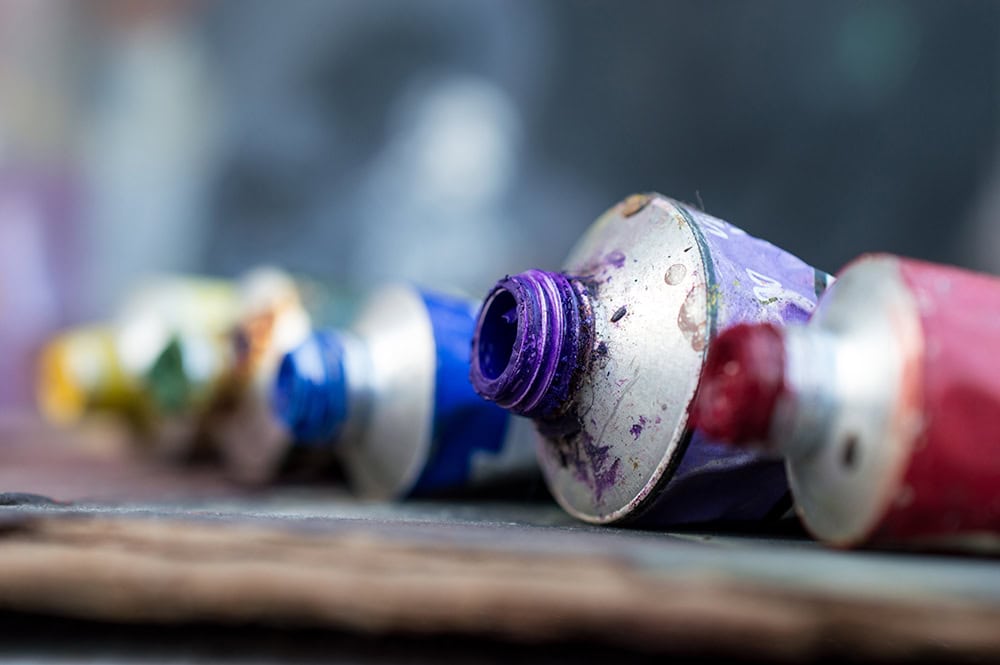
One of the most commonly used types of paint for many projects for children is tempera paint. It’s easy to use and cheap, and it can be mixed with other colors. This type of paint is excellent for painting your dog’s paws, as it’s non-toxic and easily washable.
2. Watercolors
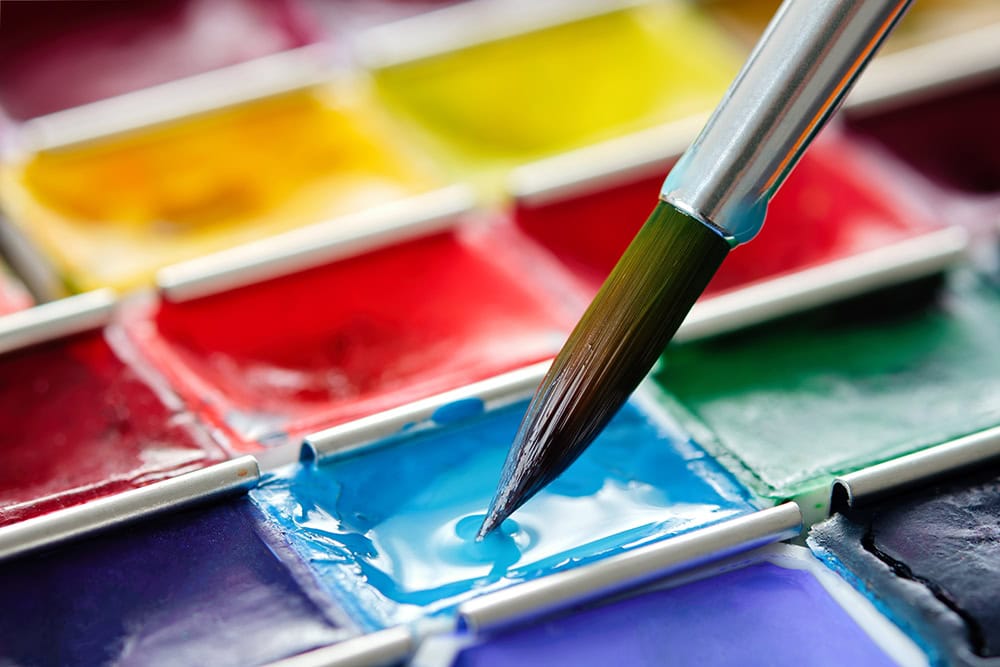
Another excellent way to paint your dog’s paws and keep their pawprints with you forever is to use watercolors. These are affordable, easy to use, and most importantly, non-toxic to dogs. Using watercolors on your dog’s paws will make the paw print more translucent compared to acrylic and tempera paint. However, this type of paint is easy to remove from your dog’s paws and won’t cause any health problems for your furry friend.
3. Body Paint

Body paints are typically non-toxic to pets because their primary usage is for human skin, which is also sensitive. Most body paints are washable and easy to use, so they will enable you to create a stunning pawprint from your dog in no time.

How to Make a Dog Pawprint Using Acrylic Paint
By following these steps, you can get an excellent pawprint from your dog in a matter of minutes.
1. Ensure That Your Dog Is Comfy
Verify that your dog is okay with you touching their paws; the last thing that you want to do is aggravate your dog and make this fun situation into a stressful experience.
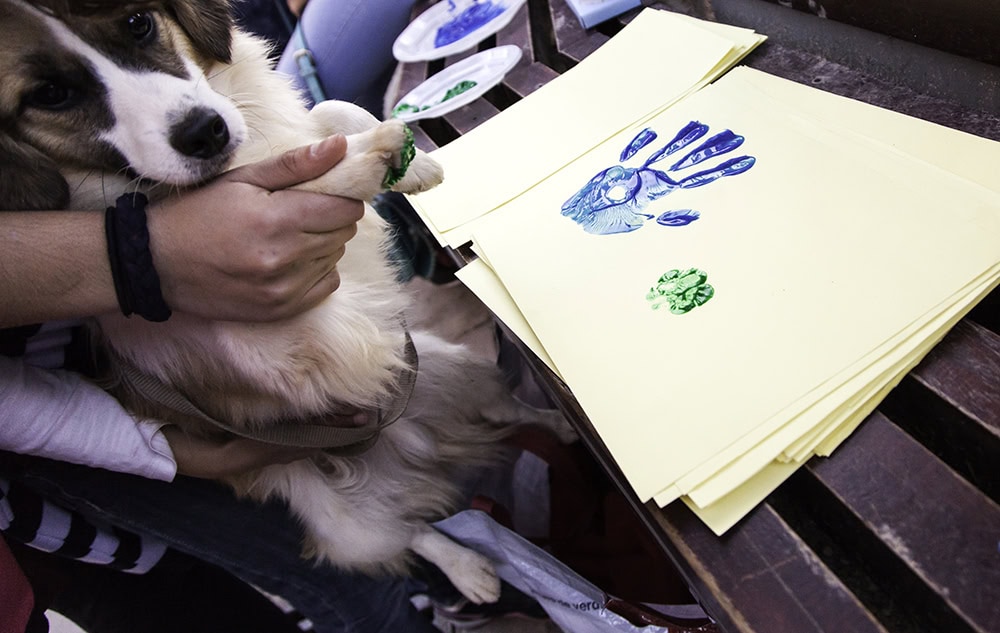
2. Clean Your Dog’s Paws
When you’re sure that your dog is comfortable with your touching and painting their paws, you can continue with the rest of the process. Clean your dog’s paws to remove any bacteria and to make the print brighter and more visible. Trim fur from long-haired pups to improve the image of the paw print, but use clippers to prevent accidentally injuring the pad with scissors!
3. Get the Needed Supplies
To make a beautiful pawprint that will help you cherish the memory of your dog forever, you will need the following supplies:
- Acrylic paint
- Paper plate
- Sponge brushes
- Paper
These are the essentials, but it’s also good to get a few paper towels to prevent any possible messes.
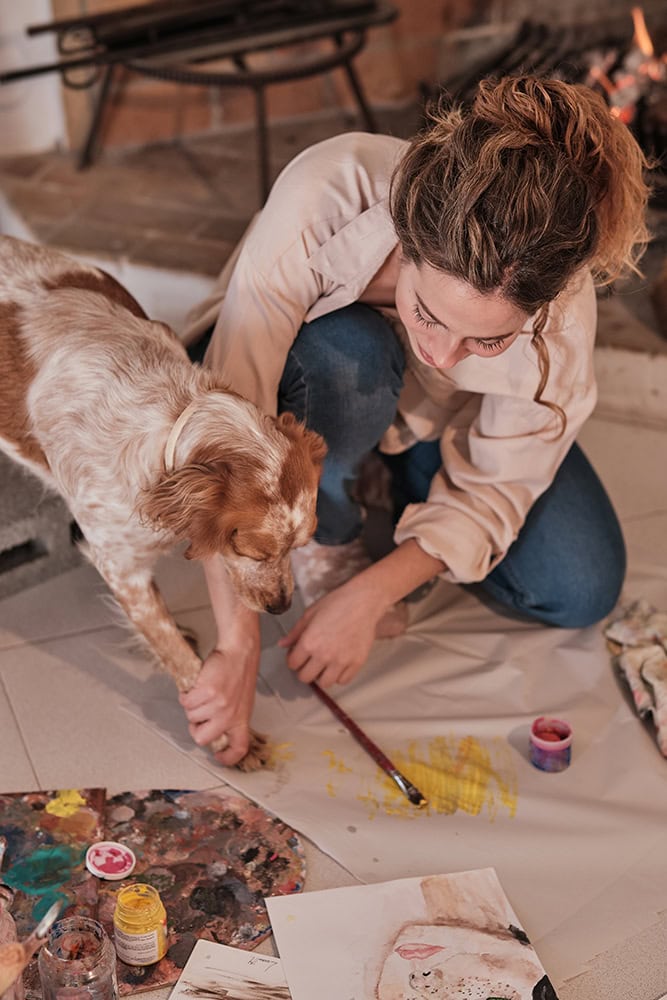
4. Paint Your Dog’s Paws and Leave a Print
Once your dog is comfy, pour the acrylic paint onto the paper plate, and use a sponge brush to apply it all over your dog’s paw pads. Once you cover your dog’s paw, allow the paint to dry for a minute before pressing the paw against the blank piece of paper.
After you press the paw on the paper, allow the print to dry, and then you can frame it so it will stay in perfect shape forever.

How Can You Get Acrylic Paint Off Your Dog’s Paws?
Getting acrylic paint off your dog’s paws is typically easy, as acrylic paint is somewhat washable. However, if it proves to be hard to remove, try washing your dog’s paws with liquid hand soap and lukewarm water. If that doesn’t work, you can try using dish detergent, and gently scrubbing your dog’s paws until the paint comes off.
Regardless of what you do, never use paint thinners or other products that could harm your dog without consulting your vet. Any unauthorized products could cause health problems.
Final Thoughts
Acrylic paint is safe for your dog’s paws but could cause health issues if your dog ingests it in large amounts. So, when painting your dog’s paws or handling acrylic paint around them, ensure that they can’t eat any to prevent possible problems.
It’s also best to wash out the paint from your dog’s skin as quickly as possible to prevent ingestion, possible irritations or allergic reactions.
Featured Image Credit: valemaxxx, Shutterstock
Get Hepper In Your Inbox


Pet care tips from our vets and experts, straight to your inbox.
You may opt-out at any time. View our Privacy Policy for more information.
Visnja is a content writer that covers various topics such as DIY, pets, home improvement, travel, gardening, and more.
She is a young mom and a college student, who didn’t have enough time to balance her personal and work life, so after multiple years of working a regular 9 to 5 job, she decided to pursue her passion and make a living out of it. She has been writing for a couple of years, helping people find valuable and interesting information online.
Join the conversation
Ask a question, share your story, or send private feedback.