Hepper is reader-supported. When you buy via links on our site, we may earn an affiliate commission at no cost to you. Learn more.
Ethoxyquin in Dog Food: Vet-Approved Safety, Concerns, & FAQ


In this article
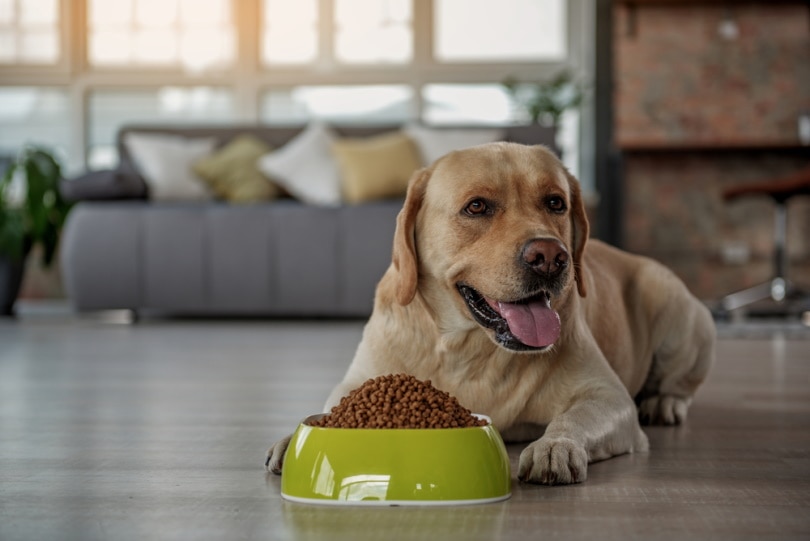
When you're choosing what your dog will be eating, it is important to be aware of any harmful ingredients. When it comes to dry or freeze-dried dog food, there are chemicals used that make it last longer and make it shelf stable. While it is important that dog food isn’t expired, spoiled, or in any other way harmful to your dog, it is also important to understand what these ingredients or chemicals are and what they do when your dog consumes them. Continue reading to learn about one of these preservatives-ethoxyquin.

What Is Ethoxyquin?
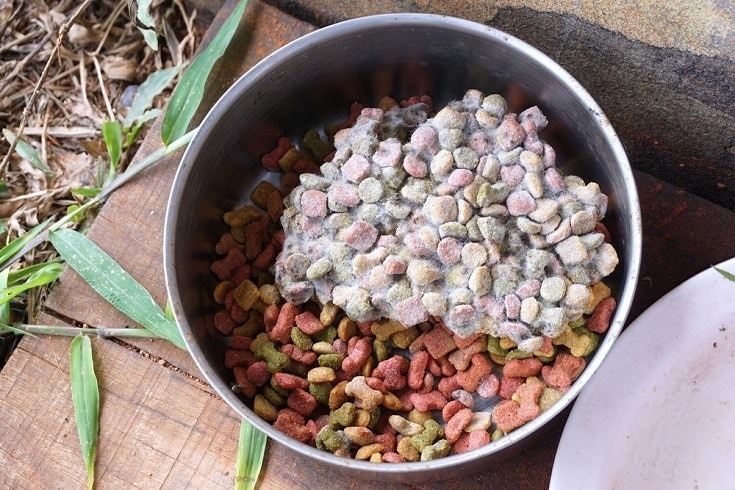
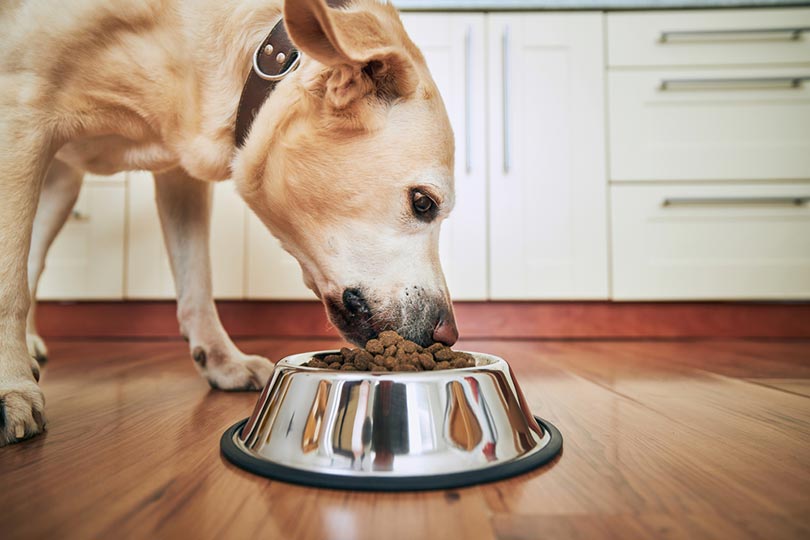
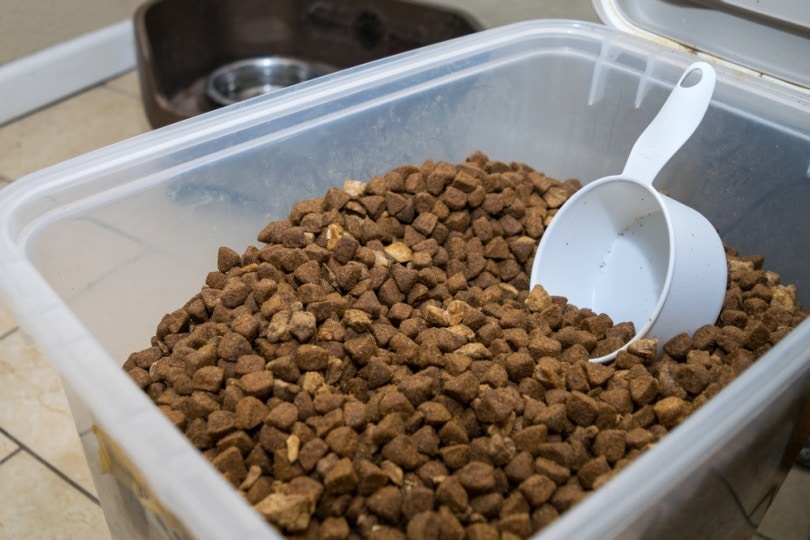
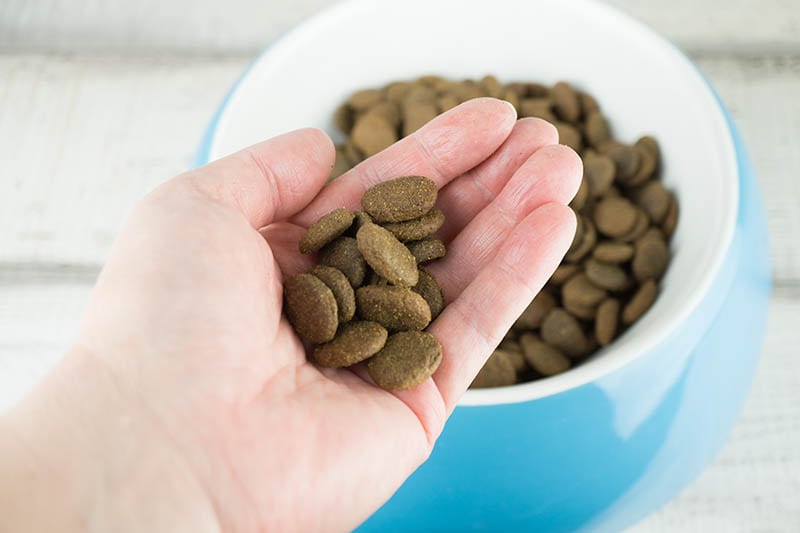
Ethoxyquin is one of many preservatives that is used in dog food to keep it fresh for longer. For dog kibble, it is included so that the food stays fresh in an open bag and in a non-refrigerated space without spoiling. This substance works by preventing any fat content in dog food from going rancid, which results in keeping dry food as fresh as possible. The issue surrounding what they call preservatives in animal food is that there are some concerns as to whether they cause health problems for pets in the future when ingested daily over long periods of time. Although a 2015 study said that ethoxyquin has no adverse effects in humans, it was mentioned that an earlier study in the 1980s showed some harmful effects in animals.
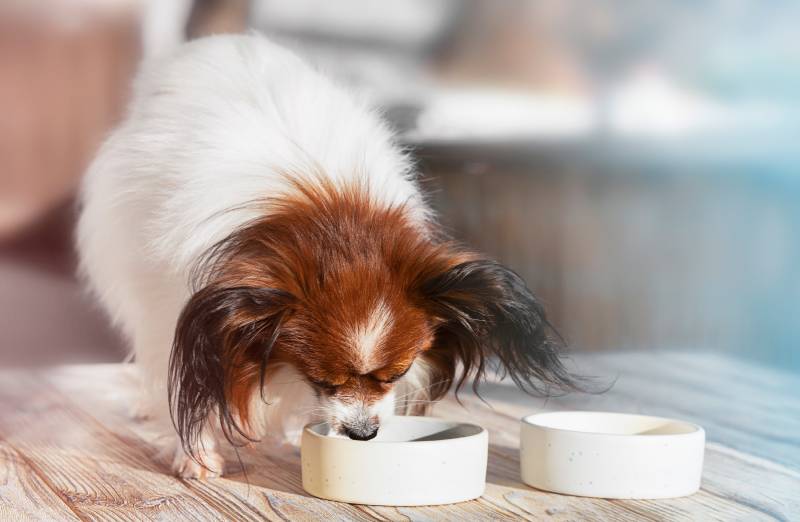
How Is Ethoxyquin Substance Given?
This artificial preservative is found in dog food and acts as a chemical that stops fat in certain ingredients like meats from going bad. This is what gives dog food the ability to sit in an open bag or container on a shelf or in a container. In most cases, you can leave the open bag out and accessible for you without worrying that your dog is eating anything that has since gone off. According to FEEDAP, Ethoxyquin is allowed to be used in all animal species at a maximum of 50 mg/kg complete feed as antioxidants. For dogs, a safe mark is considered at 11 mg/kg complete feed.
The term “artificial” and even in some cases the word “preservative” is avoided. When people see either of these words in their own food and in their pet’s food, it makes them take a bit of a step back. Eating something artificial doesn’t really sound great but we do it all the time with processed foods!
Are There Natural Preservatives That Exist?
While preservatives have a bad reputation among dog food, it comes into question whether there are ways to preserve it without using possibly harmful chemicals. There are natural vitamins such as vitamin E, C, and other plant-based ingredients that can also be added to dry dog food to prevent fats from becoming spoiled. However, due to their natural chemical background, they won’t make your food last as long as the ethoxyquin alternative. Take a quick scan of the ingredients to see whether it’s natural or artificially preserved.

Potential Side Effects of Ethoxyquin Substance
Ethoxyquin is an antioxidant preservative that must be labeled when added to animal food, according to the FDA. Considering that it has different maximum levels that should be included in both human and dog food, there may be some evidence that high levels of this preservative can cause health issues in animals if consumed in large and ongoing quantities.
The studies available so far have not led scientists to have concerns about the product at low levels but there are some concerns raised by dog breeders and owners. These originate from studies where ethoxyquin was given at higher doses or is used on products that enter the food chain.
Used as a preservative on some fruit, especially pears
Can at very high doses increase liver enzymes and result in pigmentation of the liver
An impurity in ethoxyquin, p-phenetidine, can potentially cause genetic mutations

Frequently Asked Questions (FAQs)
Is Ethoxyquin Bad for Dogs?
Unfortunately, there is not enough research done on the effects of this preservative in dog food and their overall health to conclude whether it should be avoided altogether. In circumstances where dog owners have the means to give their dogs alternatives to food with artificial preservatives on the ingredient list, then sure, it could be a better option if you are concerned. Even the expert panels employed to look into the subject could not reach a definitive conclusion due to lack of evidence.
Is It Still Common in Dog Food?
Again, there is no direct evidence linked to this specific preservative being particularly harmful to your dog’s health, so it is still commonly used today. While there are some cases where it is an added ingredient and see dog food labeled as “all-natural,” you still see this pop up on the ingredients list, so that should provide you with the answer.
Is Ethoxyquin Banned?
This artificial preservative is not banned for use in animal food. It is commonly used on the ingredients themselves before being turned into dog food, so there may still be traces of it in your everyday brands.

Conclusion
All in all, ethoxyquin is still used as a preservative. Many dog food brands are not required to indicate whether this specific ingredient is included in their recipe. According to sources, it is only when it is added to the making of the recipe directly that it must be labeled. Research has no concrete proof that your dog eating this preservative will cause them serious damage, so the choice is yours.
See Also:
Sources
https://www.fda.gov/animal-veterinary/ingredients-additives/labeling-and-use-ethoxyquin-animal-feed
https://ntp.niehs.nih.gov/sites/default/files/ntp/htdocs/chem_background/exsumpdf/ethoxyquin_508.pdf
https://www.tandfonline.com/doi/abs/10.1080/87559129.2014.994817
https://efsa.onlinelibrary.wiley.com/doi/abs/10.2903/j.efsa.2015.4272
Featured Image Credit: A. Kiro, Shutterstock
Get Hepper In Your Inbox


Pet care tips from our vets and experts, straight to your inbox.
You may opt-out at any time. View our Privacy Policy for more information.
Hey there! My name is Krystal, and I am a freelance writer, editor, and content creator. With a passion for words and a background in English, I have expanded my skills in SEO, creative writing, blog posts, and more. I am a two-time cat mom, an all-around animal lover, a nerd for crafts and DIY, and a budding plant enthusiast.
Join the conversation
Ask a question, share your story, or send private feedback.