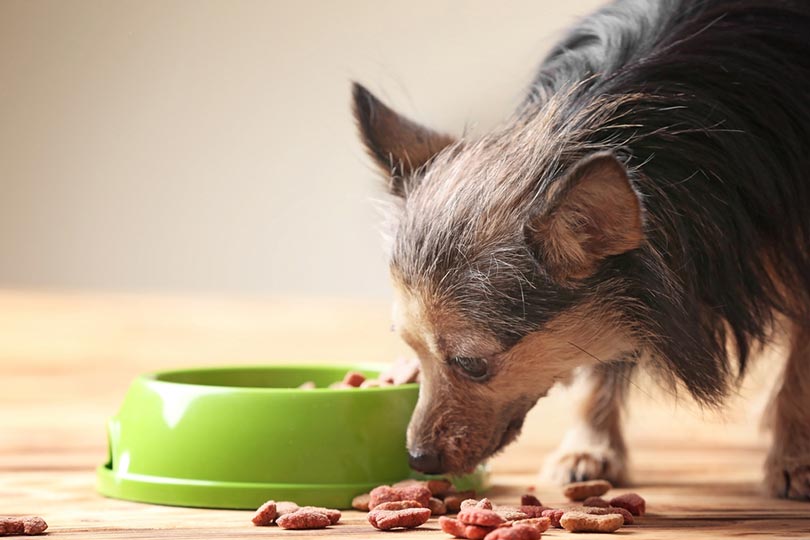
Hepper is reader-supported. When you buy via links on our site, we may earn an affiliate commission at no cost to you. Learn more.
What Are Tocopherols in Dog Food? Vet-Reviewed Definition & Facts


In this article
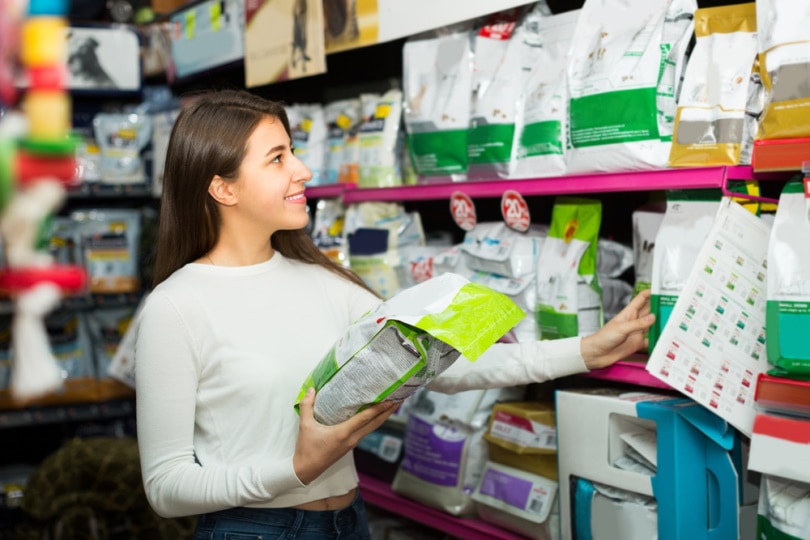
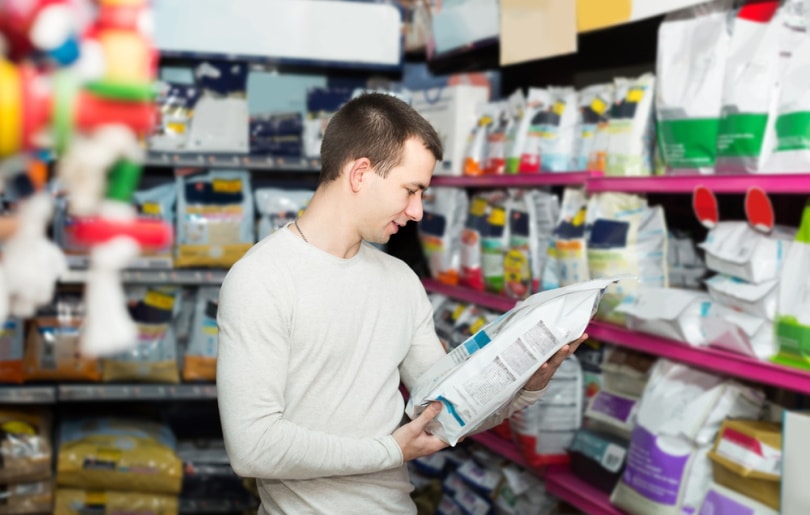
For many, making sense of the nutritional information on your dog’s food packet can be a nightmare—with words and phrases like “crude ash”, “by-products”, and “tocopherols”, it’s no wonder we’re often left scratching our heads. Tocopherols¹ are natural preservatives commonly found in dog food and other products like treats and shampoos.
In this post, we’ll discuss exactly what tocopherols are, why they’re used in dog food, and whether or not they’re safe for your dog.

What Are Tocopherols?
Tocopherols are natural preservatives from the vitamin E compound family. On your dog’s food label, you’ll likely see the phrase “mixed tocopherols”, which means a blend of vitamins from the E compound family. This blend includes alpha-tocopherol, beta-tocopherol, gamma-tocopherol, and delta tocopherol.
You can find tocopherols in a variety of human foods, including seeds, nuts, leafy green vegetables, fish, and vegetable oils. It’s also used in the beauty industry in products like shampoos, so you might spot it listed on the ingredients of your dog’s shampoo bottle.

Why Are Tocopherols in Dog Food?
As natural preservatives, tocopherols help prevent dog food from spoiling, which increases the product’s shelf life and means it lasts longer after purchase. Without tocopherols, fats and oils oxidize and turn rancid, which is an issue dog food manufacturers must avoid at all costs. As well as preserving food for longer, tocopherols also help lock in flavor and are antioxidants.
Some dog food brands choose to use artificial preservatives like BHA (Butylated Hydroxyanisole) because they’re cheaper and last longer, whereas products with natural preservatives don’t have a shelf life quite as long.
However, as long as you pay attention to the best-by date on the packaging, there’s no reason not to choose dog foods with natural preservatives.
How Are Tocopherols Made?
Tocopherols can be made naturally or synthetically. Naturally produced tocopherols go through a process called molecular distillation. First, the seeds are dried out to get rid of the water content and the shell or hull is removed.
After being ground down, the seed is boiled and the oils are separated. Synthetic tocopherols are derived from petroleum and are less potent than the natural version.
Are Tocopherols Safe for Dogs?
Yes, according to studies, they are safe to include in dog food¹. It’s also very important for dogs to get enough vitamin E because it helps protect against degenerative diseases¹—particularly of the eyes and muscles—and contributes to keeping their cells, metabolism, and immune system in good shape.
What Other Natural Preservatives Are There in Dog Food?
Along with tocopherols, it’s common for dog food manufacturers to include other natural preservatives. These include vitamin C, which may be labeled as ascorbic acid, and plant extracts like rosemary oil.
How Long Do Naturally Preserved Foods Last?
Though they don’t last as long as artificially preserved foods, naturally preserved dog foods can still last for an impressively long time, with a shelf-life of around 12 months on average. That said, always go by the best-by date on your dog food’s label.

Conclusion
To recap, tocopherols, which are often labeled as “mixed tocopherols” on dog food labels are a combination of vitamin E compounds included in many dog foods to help preserve them. They are natural preservatives and it’s becoming more and more common for dog parents to seek out foods made with natural preservatives rather than artificial preservatives.
If you’re having difficulty deciding which brand or type of food would be best suited to your dog—especially if they have health issues—please consult your vet for recommendations.
Related Reads:
Sources
https://www.sciencedirect.com/topics/agricultural-and-biological-sciences/tocopherol
https://www.canadianpetconnection.ca/understanding-mixed-tocopherols-in-pet-food/
https://www.allaboutdogfood.co.uk/dog-food-ingredients/0122/natural-preservatives-and-antioxidants
https://www.diaion.com/en/application/food_beverage/pdf/refining_of_vitamin-e.pdf
https://www.poulingrain.com/blog/vitamin-e-synthetic-or-natural/
Featured Image Credit: BearFotos, Shutterstock
Get Hepper In Your Inbox


Pet care tips from our vets and experts, straight to your inbox.
You may opt-out at any time. View our Privacy Policy for more information.
Kit Copson is a freelance writer and lifelong animal lover with a strong interest in animal care. She has parented various furry beings over the years and is currently a proud cat mom of two—one skittish but adorable Domestic Shorthair and very chilled (unless hungry) Siamese and a —and dog mom of one—an adopted Bichon Poodle cross. When not writing about or spending time with pets, Kit can be found doodling in her sketchpad, reading, or more often than not, drinking tea.
Join the conversation
Ask a question, share your story, or send private feedback.